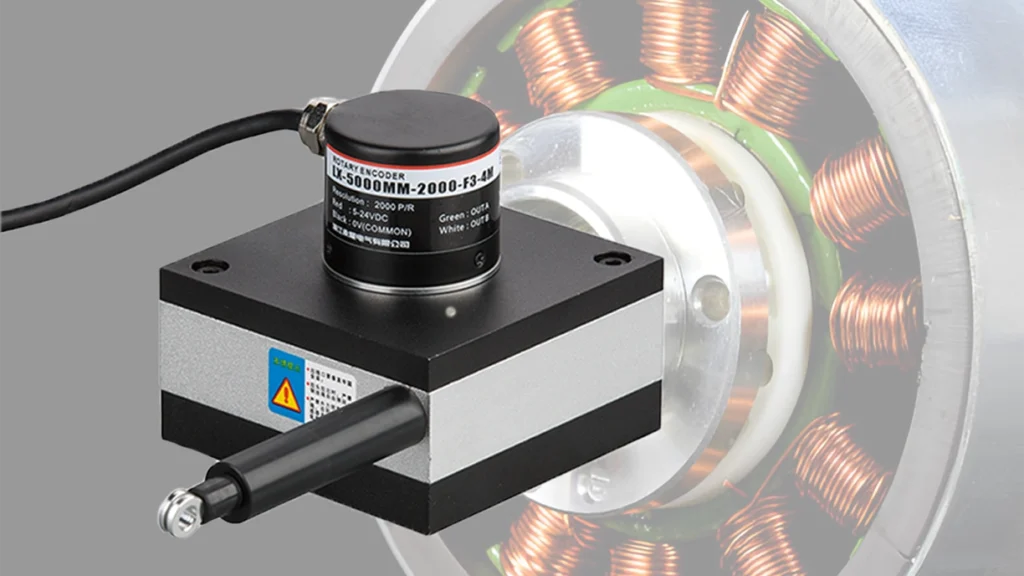
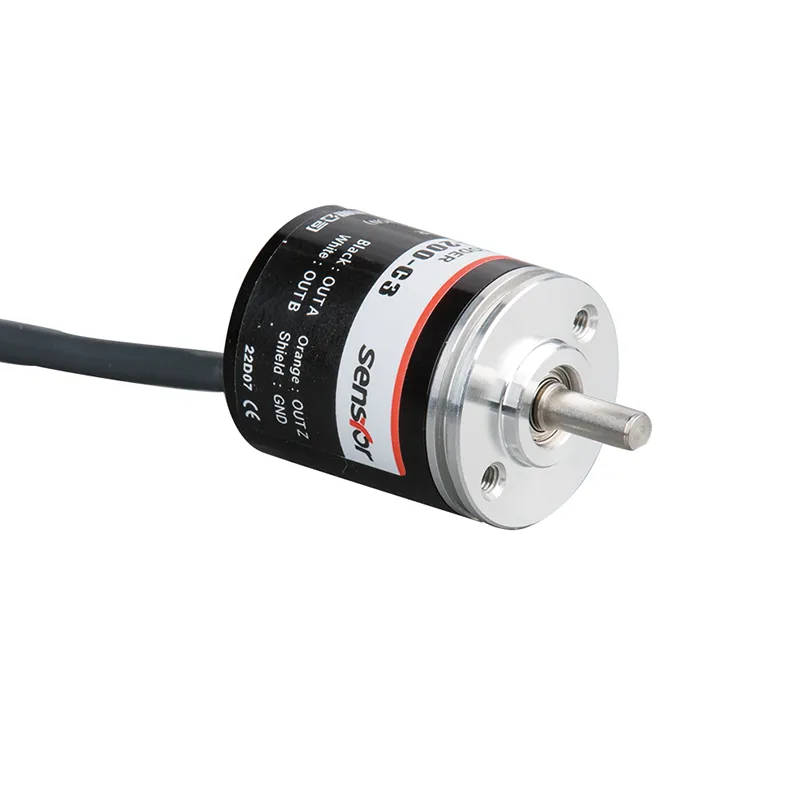
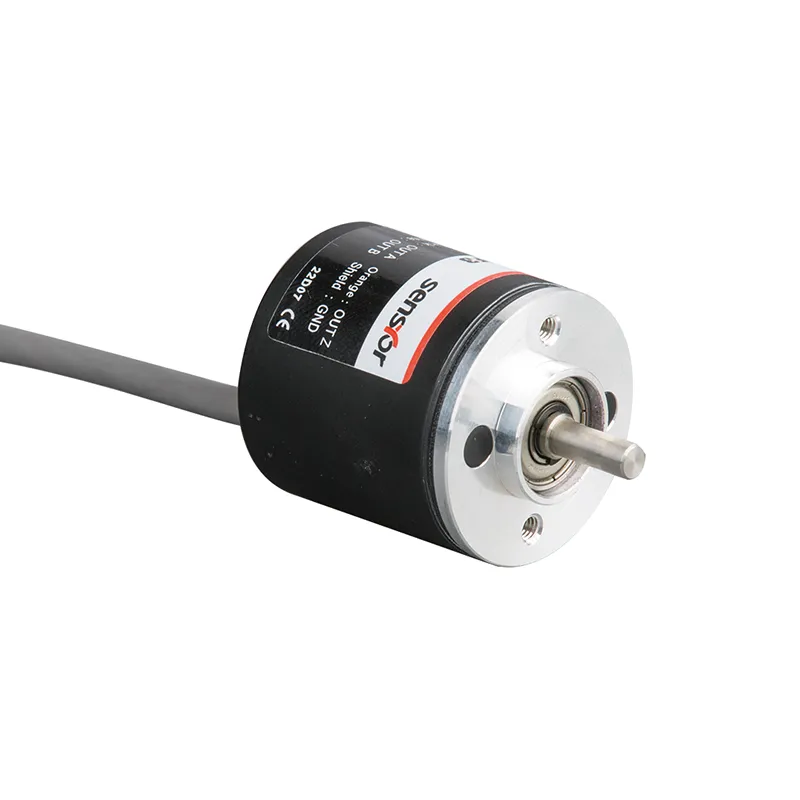
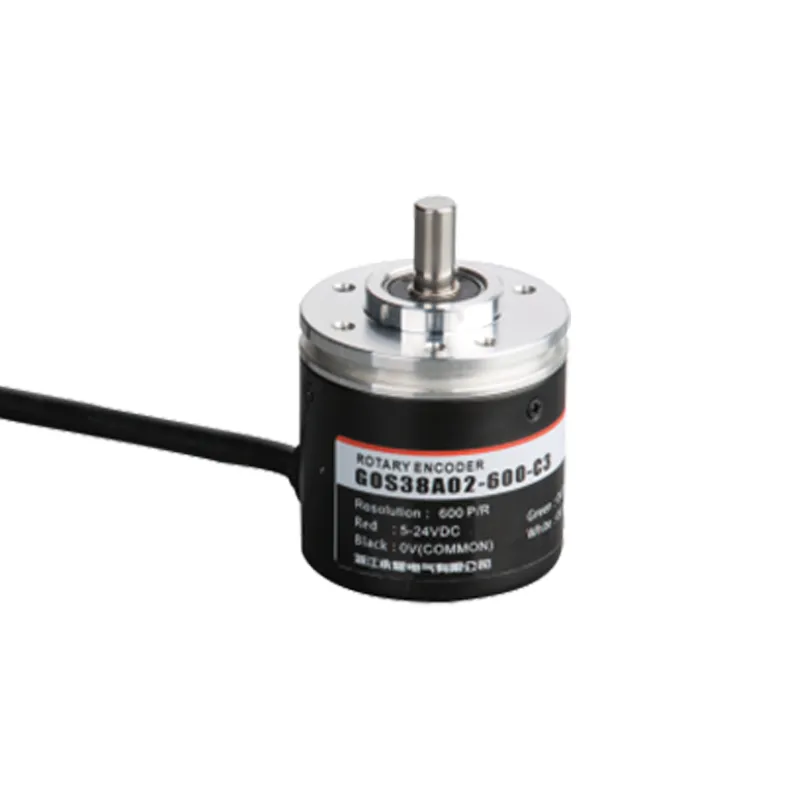
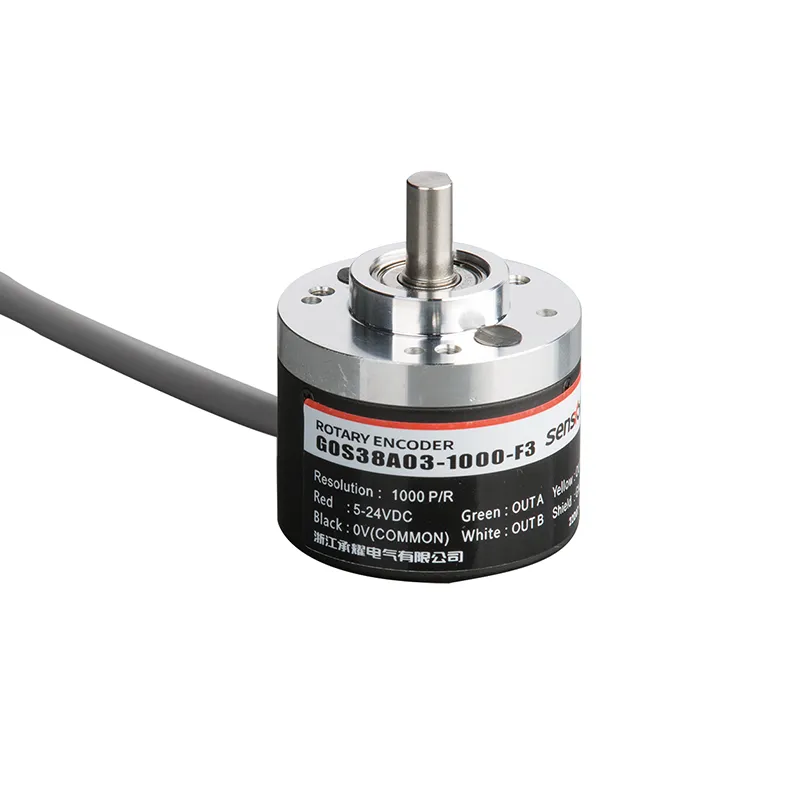
An absolute encoder is a position sensor that provides a unique digital output for every shaft position, ensuring precise tracking even after power loss. Unlike incremental systems, an absolute encoder retains its position data, making it ideal for applications where accuracy and reliability are critical.
What is an Absolute Encoder
An absolute encoder is designed to deliver exact position information without needing a reference point. Each position corresponds to a unique code, allowing systems to know their exact location instantly.
This makes it essential in environments where restarting systems without recalibration is necessary.
How an Absolute Encoder Works
Signal Output Principle
The encoder converts mechanical motion into digital signals using optical, magnetic, or capacitive sensing.
Position Tracking Mechanism
Each position is encoded as a binary or Gray code value, ensuring that even if power is interrupted, the absolute encoder retains accurate position data.
Types of Absolute Encoder
Single-Turn Absolute Encoder
Measures position within one full rotation. Suitable for simple systems.
Multi-Turn Absolute Encoder
Tracks multiple rotations using gear or electronic counters, ideal for complex machinery.
Key Components of Absolute Encoder
Code disc with unique patterns
Sensors for reading position
Signal processing electronics
These components work together to deliver accurate feedback.
Applications of Absolute Encoder
Industrial Automation
Used for precise control in manufacturing systems.
Robotics
Ensures accurate joint positioning and movement.
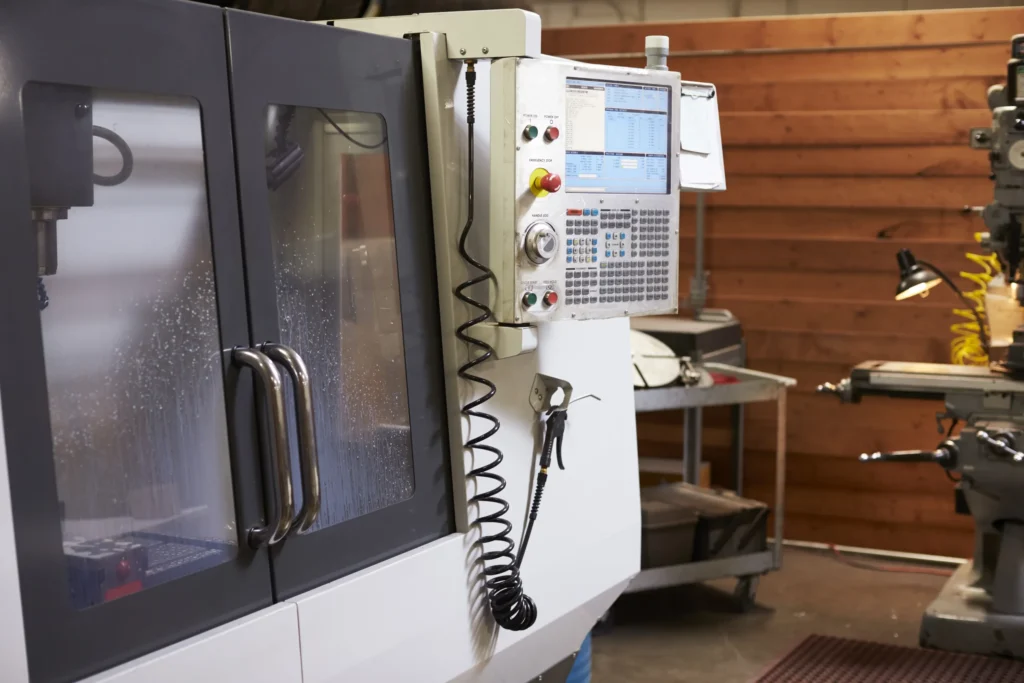
CNC Machines
Provides exact positioning for cutting and shaping operations.
Benefits of Absolute Encoder
No Data Loss
Maintains position data even during power failure.
High Accuracy
Delivers precise motion tracking.
Reliable Feedback
Provides real-time position updates.
Challenges of Absolute Encoder
Higher Cost
More expensive than incremental encoders.
Complex Setup
Requires careful installation and calibration.
Absolute Encoder vs Incremental Encoder
Feature
Absolute Encoder
Incremental Encoder
Position Tracking
Exact
Relative
Power Loss Impact
None
Loses position
Complexity
Higher
Lower
Installation and Maintenance Tips
Ensure proper alignment
Protect from dust and vibration
Perform periodic calibration
Future Trends in Encoder Technology
Integration with AI systems
IoT-enabled smart encoders
Miniaturization for compact devices
Buying Guide for Absolute Encoder
When selecting an encoder, consider:
Resolution requirements
Environmental conditions
Interface compatibility
For technical standards, refer to: 👉 https://www.ieee.org/ (DoFollow external link to IEEE)
It is used for precise position tracking in automation systems.
2. What is the main advantage?
It does not lose position data after power loss.
3. Where is it commonly used?
In robotics, CNC machines, and industrial automation.
4. Is it better than incremental encoder?
It depends on the application, but it offers higher reliability.
5. Does it require maintenance?
Yes, periodic checks are recommended.
6. Is it expensive?
Yes, but it provides long-term value.
Conclusion
An absolute encoder is a vital component in modern motion control systems. It offers unmatched accuracy, reliability, and efficiency, making it the preferred choice for advanced automation applications.
Table of Contents Introduction to Custom Industrial Encoder for Special Scenarios Modern industrial automation systems require higher accuracy, stronger durability, and better adaptability than ever before. A custom industrial encoder for special scenarios is designed specifically for applications where standard encoder products cannot provide the required performance. Unlike conventional rotary encoders, customized industrial encoders are […]
Table of Contents What Is an Absolute Encoder? An absolute encoder is a position sensing device that provides a unique digital value for every shaft position. Unlike incremental encoders, an absolute encoder retains position information even after power loss, making it ideal for applications that require continuous accuracy and reliability. Manufacturers across automation, robotics, packaging, […]
We use cookies to enhance your browsing experience, serve personalised ads or content, and analyse our traffic. By clicking "Accept All", you consent to our use of cookies.