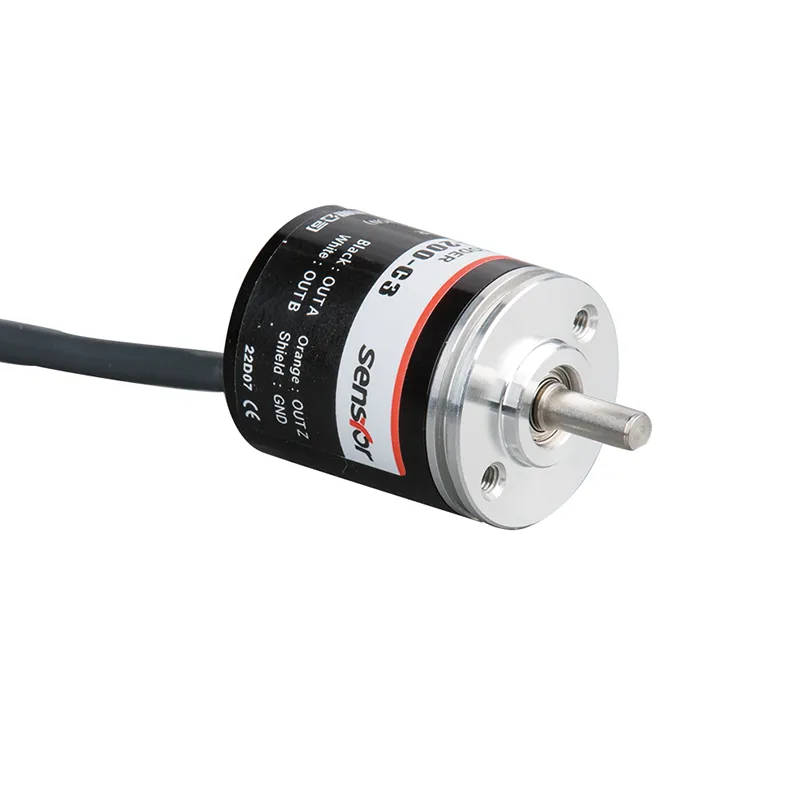
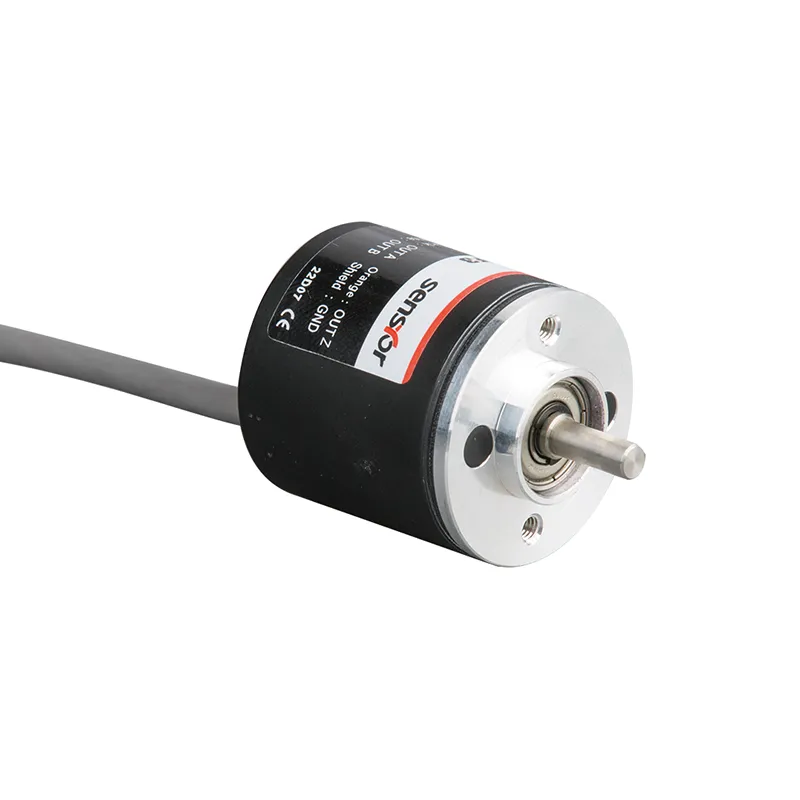
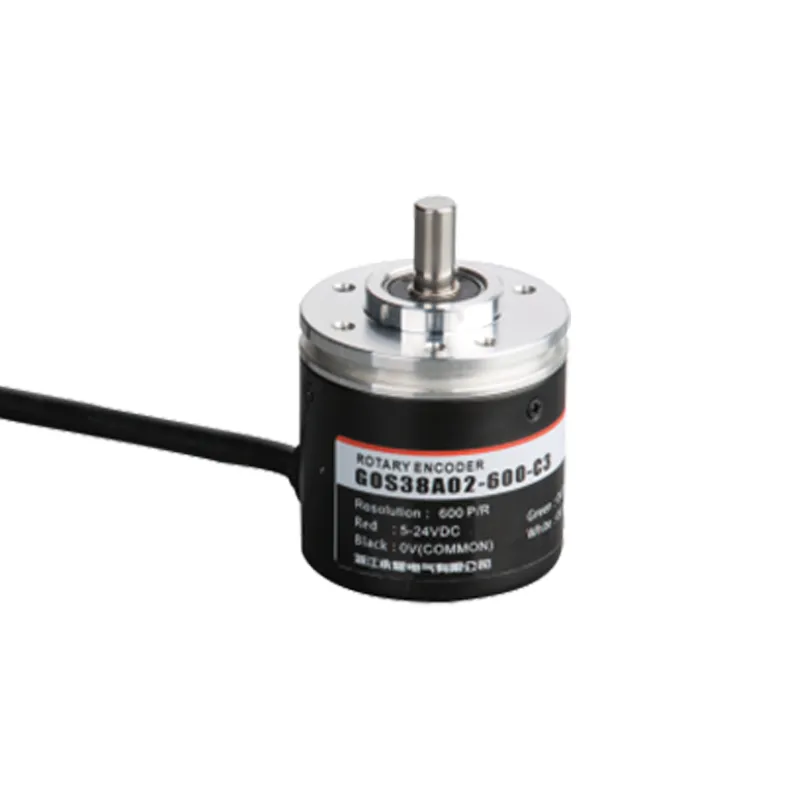
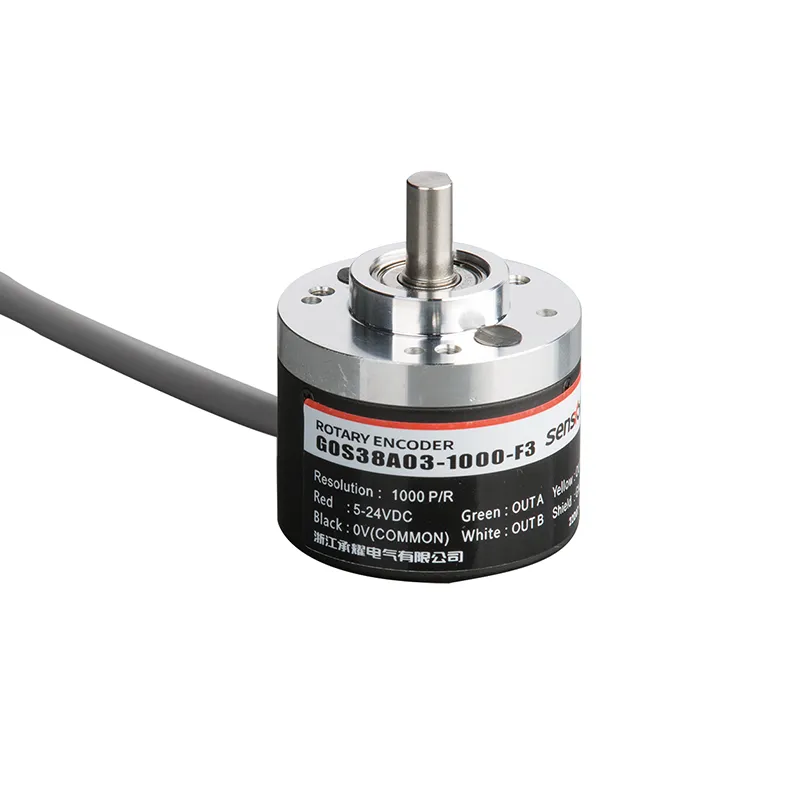
An incremental encoder is a widely used motion sensor that converts mechanical movement into electrical signals. It provides relative position, speed, and direction feedback, making it essential in automation and control systems.
From industrial machines to robotics, the incremental encoder plays a key role in ensuring accurate and efficient motion tracking.
Understanding How an Incremental Encoder Works
An incremental encoder generates pulses as it rotates. Each pulse represents a small movement, and by counting these pulses, the system determines position and speed.
Pulse Signal Generation
The encoder produces two output signals (A and B channels), which are slightly out of phase. This allows the system to determine direction.
Position and Speed Calculation
Position = Number of pulses counted
Speed = Rate of pulse generation
This simple yet effective mechanism makes the incremental encoder highly reliable.
Key Components of an Incremental Encoder
A typical incremental encoder includes:
Code disc with evenly spaced slots
Light source (in optical types)
Sensor detector
Signal processing circuit
Each part contributes to accurate signal generation and interpretation.
Types of Incremental Encoder
Optical Incremental Encoder
Uses light beams
High resolution and accuracy
Common in precision applications
Magnetic Incremental Encoder
Uses magnetic fields
Resistant to dust and vibration
Suitable for harsh environments
Mechanical Incremental Encoder
Uses physical contacts
Lower cost but less durable
Applications of Incremental Encoder
Industrial Automation
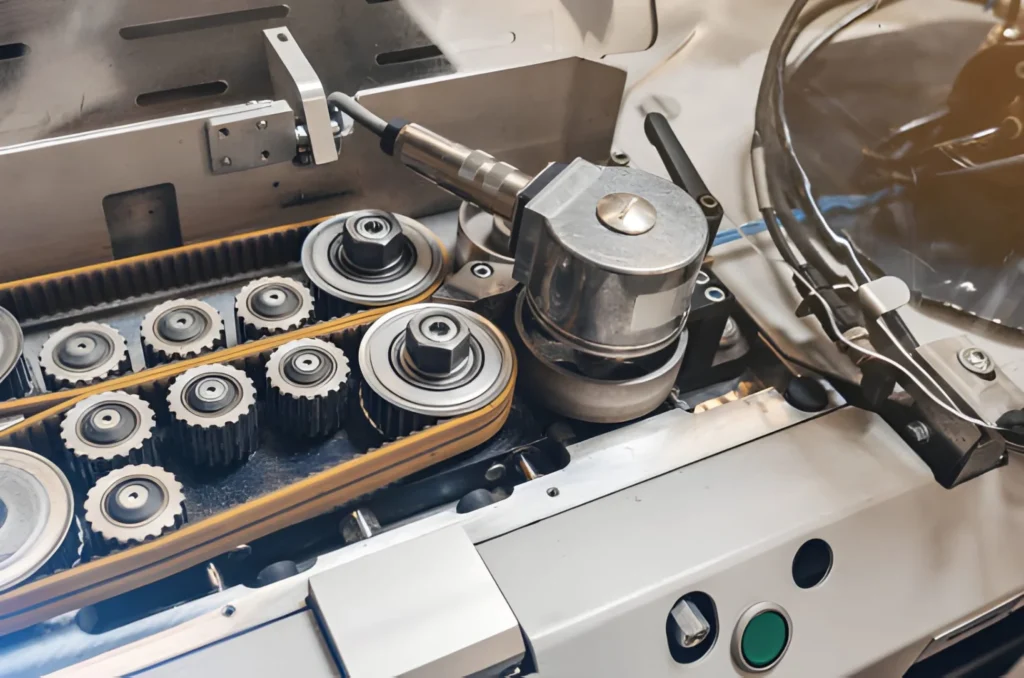
Used in conveyor systems, motors, and production lines.
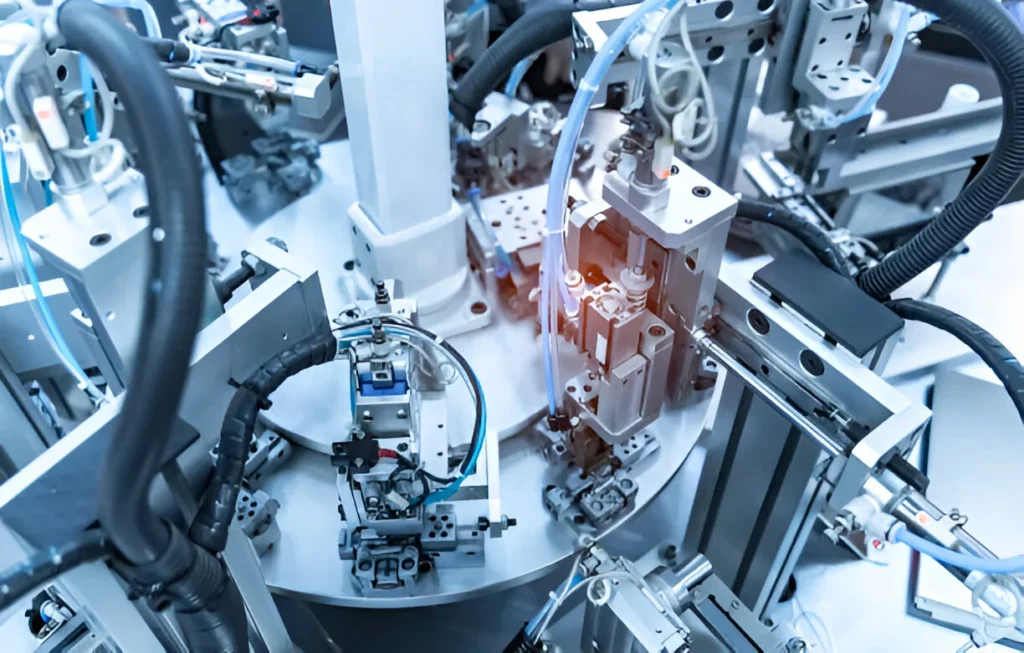
Robotics Systems
Provides precise motion feedback for robotic arms.
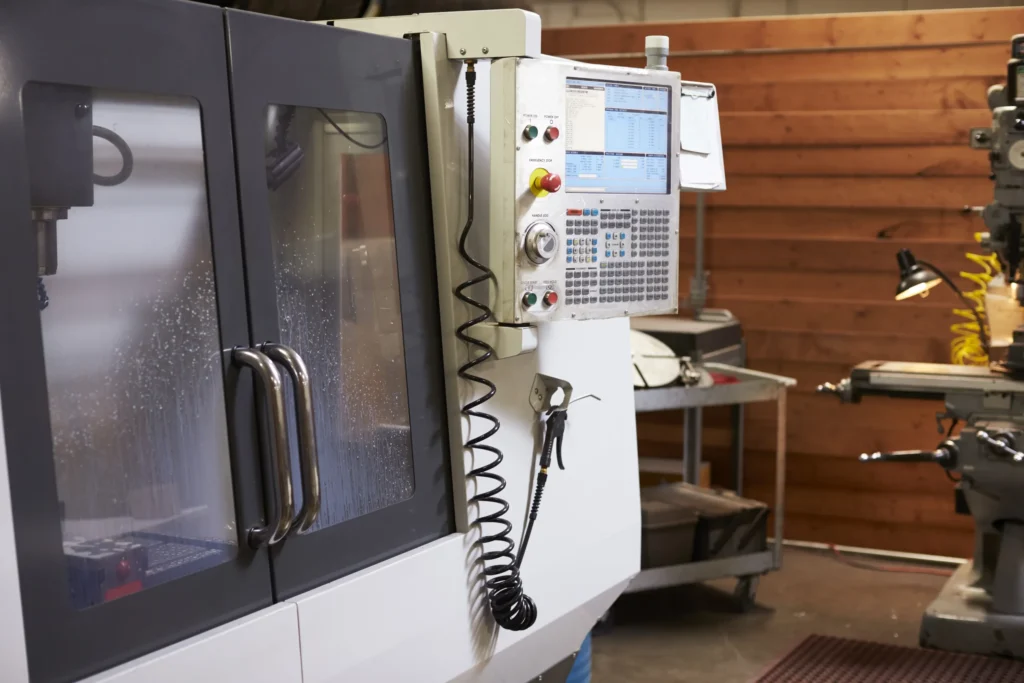
CNC Machinery
Ensures accurate cutting and positioning.
Elevators and Lifts
Tracks movement and ensures safety.
Benefits of Using Incremental Encoder
Cost-Effective Solution
Compared to absolute encoders, the incremental encoder is more affordable.
High-Speed Performance
It can handle high rotational speeds efficiently.
Simple Design
Easy to install and integrate into systems.
Limitations of Incremental Encoder
No Absolute Position Tracking
It cannot retain position after power loss.
Signal Noise Sensitivity
Electrical noise can affect signal accuracy.
Incremental Encoder vs Absolute Encoder
Feature
Incremental Encoder
Absolute Encoder
Position Tracking
Relative
Absolute
Cost
Lower
Higher
Complexity
Simple
Complex
Installation Tips for Incremental Encoder
Ensure proper alignment
Avoid excessive vibration
Use shielded cables to reduce noise
Maintenance Guidelines
Clean regularly
Inspect wiring
Monitor signal output
Future Trends in Encoder Technology
Integration with IoT systems
Higher resolution sensors
Miniaturization
Buying Guide for Incremental Encoder
When selecting an incremental encoder, consider:
Resolution (PPR – pulses per revolution)
Environmental conditions
Output signal type
For technical standards, refer to: 👉 https://www.ieee.org/ (DoFollow external link to IEEE)
The incremental encoder is a fundamental component in modern motion control systems. Its simplicity, cost-effectiveness, and reliable performance make it a preferred choice across industries.
While it has some limitations, proper implementation ensures high efficiency and accuracy, making the incremental encoder an essential tool in automation and precision engineering.
Introduction to 5000ppr Encoder A 5000ppr encoder is a high-resolution rotary feedback device designed to provide accurate position, speed, and motion information in industrial applications. With 5000 pulses generated per revolution, this type of encoder delivers excellent measurement precision for machines requiring detailed motion control. Modern automation systems depend heavily on accurate feedback signals. Whether […]
Table of Contents Introduction to 38mm Rotary Encoder 38mm rotary encoder technology is widely used in industrial automation systems that require compact size and precise motion feedback. A 38mm rotary encoder converts rotational movement into electrical signals, allowing machines to monitor speed, direction, and shaft position with high accuracy. Because of its compact design, the […]
A rotary encoder for industrial automation converts rotational movement into an electrical signal that a control system can use to monitor position, speed, direction, or motion. Rotary encoders are widely used in motors, conveyors, packaging machines, robotics, machine tools, and other automated equipment where accurate motion feedback is important. For manufacturers, OEMs, system integrators, and […]
We use cookies to enhance your browsing experience, serve personalised ads or content, and analyse our traffic. By clicking "Accept All", you consent to our use of cookies.