What Is an Autonics Hollow Shaft Encoder Substitute?
Why Choose an Autonics Hollow Shaft Encoder Substitute?
Key Features to Consider When Selecting an Encoder Replacement
Types of Hollow Shaft Encoder Alternatives
Applications of Industrial Encoder Replacements
Sensy Encoder Solutions for Industrial Automation
How to Select the Right Encoder Substitute
Installation and Maintenance Tips
Frequently Asked Questions
Conclusion
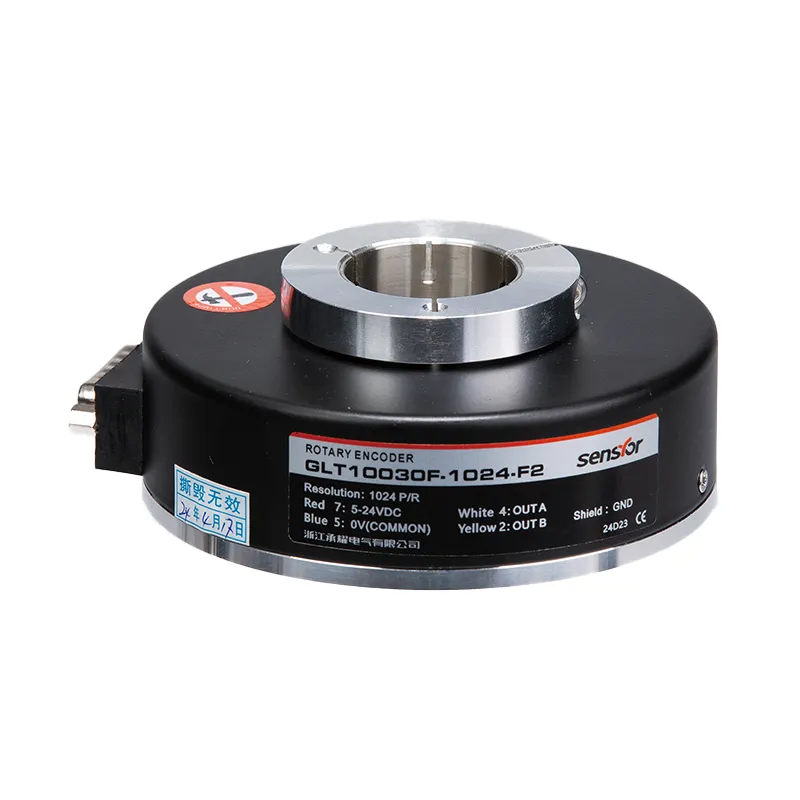
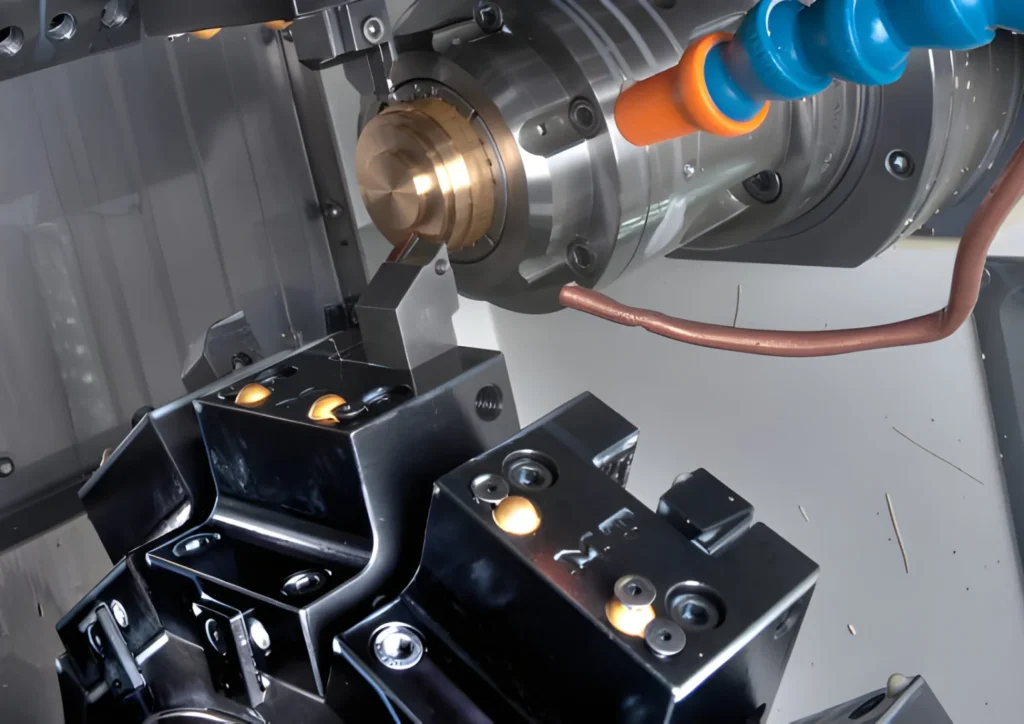
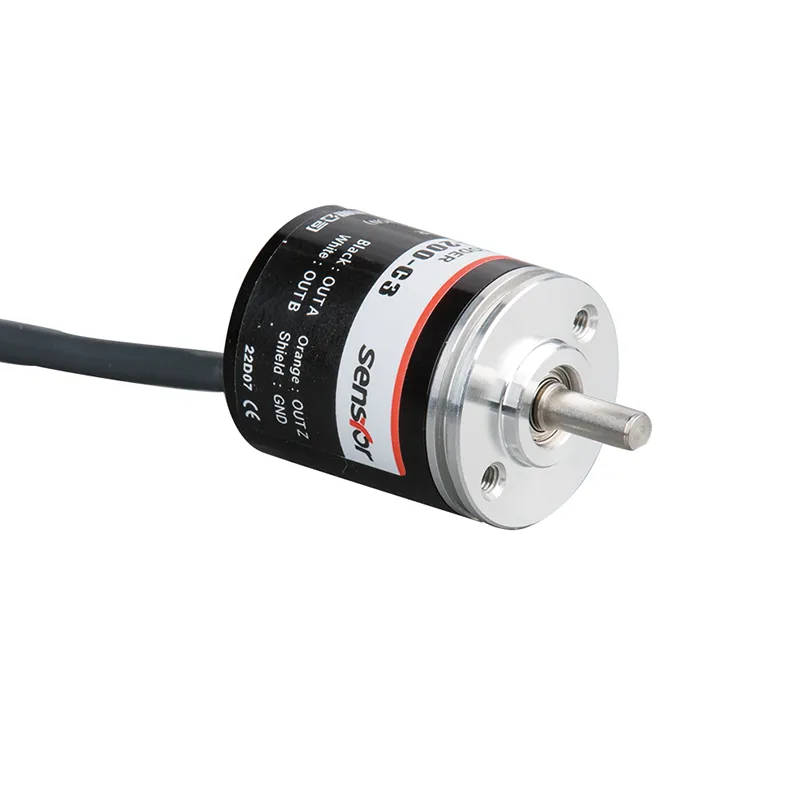
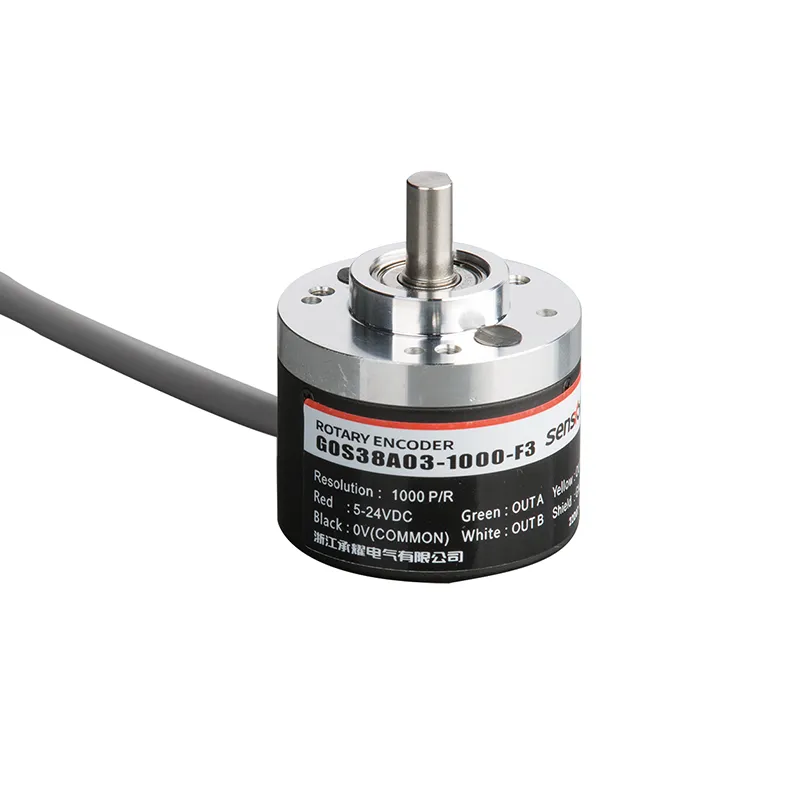
A high-performance Autonics hollow shaft encoder substitute designed for precise industrial motion control.
What Is an Autonics Hollow Shaft Encoder Substitute?
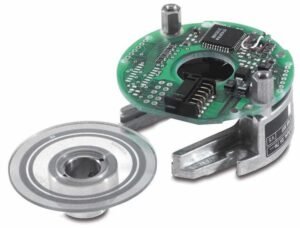
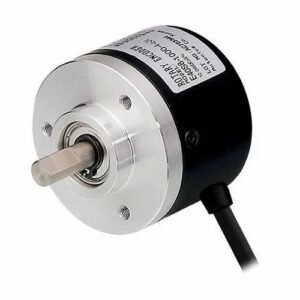
Autonics hollow shaft encoder substitute refers to an alternative encoder product that can replace an existing Autonics hollow shaft encoder while maintaining similar or improved performance in industrial applications.
Hollow shaft encoders are widely used in automation systems because they can be directly mounted onto motor shafts without additional coupling components. They provide accurate feedback signals for speed control, position monitoring, and motion synchronization.
When companies search for an encoder replacement, they usually focus on several important factors:
Mechanical compatibility
Shaft diameter requirements
Resolution accuracy
Output signal type
Environmental protection rating
Long-term reliability
A suitable replacement should not only match the original encoder specifications but also provide stable operation in demanding industrial environments.
For industrial encoder products and solutions, you can explore:
Why Choose an Autonics Hollow Shaft Encoder Substitute?
Industrial automation systems often operate continuously for long periods. When an encoder becomes unavailable, discontinued, or unsuitable for a new application, finding a reliable alternative becomes essential.
An Autonics hollow shaft encoder substitute can provide several advantages:
1. Improved Supply Stability
Manufacturers often need stable supply chains for automation components. Choosing a compatible encoder alternative helps reduce dependence on a single supplier.
2. Better Application Matching
Different industries have different requirements. A replacement encoder can sometimes offer:
Higher resolution
Stronger protection
Better vibration resistance
More flexible output options
3. Cost Optimization
A suitable industrial encoder alternative can reduce equipment costs while maintaining performance.
4. Easier System Upgrades
Modern encoder solutions may support advanced communication methods and improved integration with PLC systems.
Key Features of an Autonics Hollow Shaft Encoder Substitute
When selecting an alternative encoder, engineers should evaluate the following specifications.
Resolution and Accuracy
Encoder resolution determines how precisely the system can detect movement.
Higher resolution is important for:
Robotics
CNC machines
Servo motors
Automated production lines
Mechanical Compatibility
A replacement encoder should match:
Hollow shaft diameter
Mounting dimensions
Maximum rotation speed
Installation requirements
Incorrect mechanical specifications may cause vibration, inaccurate feedback, or premature failure.
Environmental Protection
Industrial environments often contain:
Dust
Oil
Moisture
Temperature changes
Mechanical vibration
A reliable hollow shaft encoder replacement should have suitable protection ratings, such as IP65 or higher.
You can learn more about industrial protection standards from the International Electrotechnical Commission:
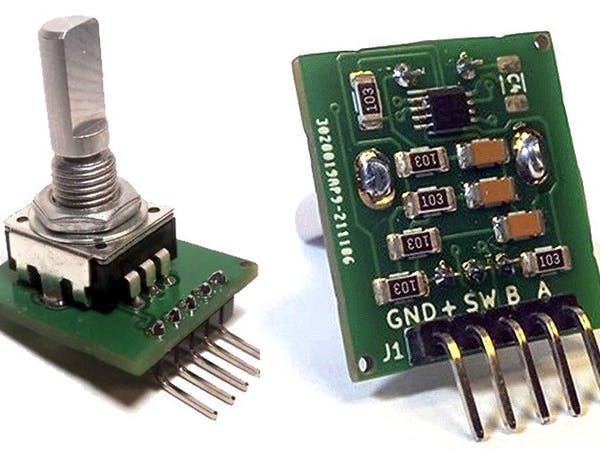
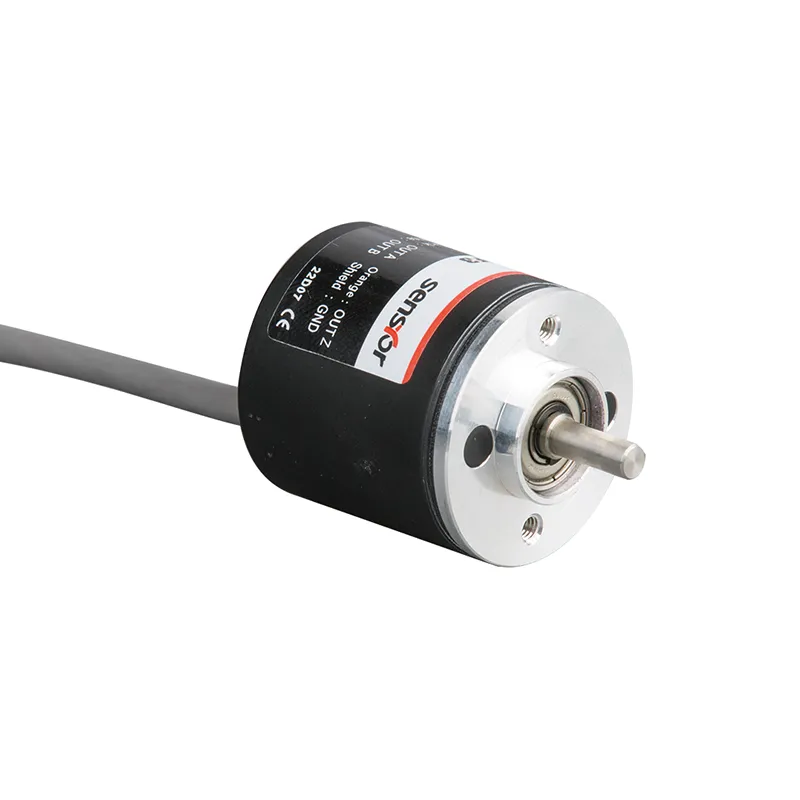
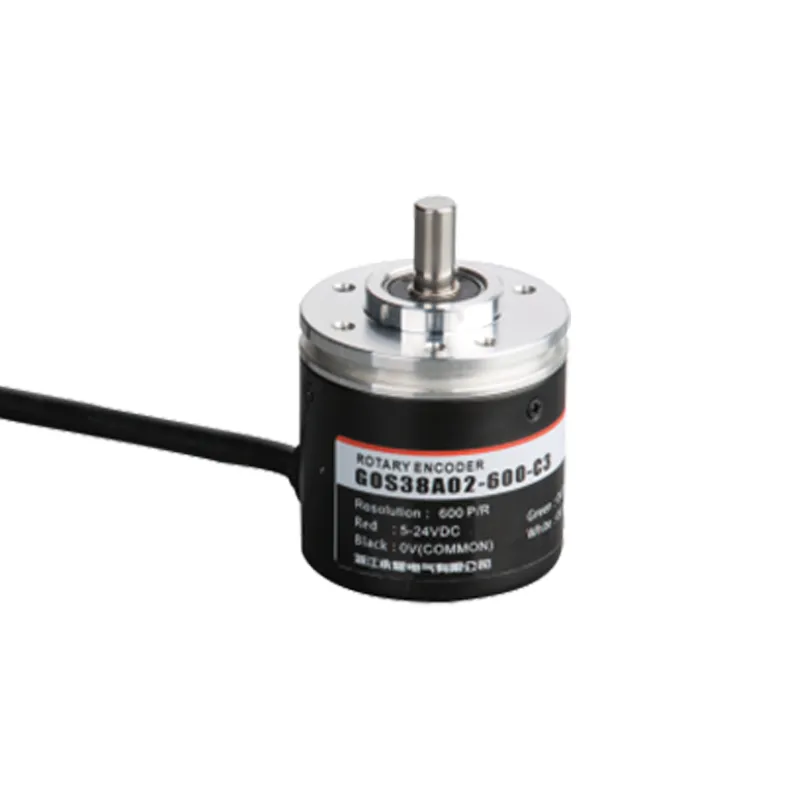
Industrial encoder replacement solutions provide accurate speed and position feedback in automation systems.
Frequently Asked Questions (FAQs)
1. What is an Autonics hollow shaft encoder substitute?
An Autonics hollow shaft encoder substitute is an alternative encoder designed to replace an Autonics model while providing similar mechanical and electrical performance.
2. Can a hollow shaft encoder replacement work with existing motors?
Yes. A properly selected replacement encoder can work with existing motors if shaft size, mounting dimensions, and electrical specifications match.
3. What industries use hollow shaft encoder alternatives?
They are commonly used in:
Factory automation
Robotics
Packaging machines
Manufacturing equipment
Motion control systems
4. How do I choose the best encoder replacement?
Check compatibility, resolution, output signals, environmental conditions, and supplier reliability before selecting a replacement.
5. Are industrial encoder substitutes reliable?
Yes. High-quality encoder alternatives can provide excellent accuracy and durability when correctly matched with the application.
6. Why replace an Autonics encoder with another brand?
Companies may choose alternatives because of availability, cost advantages, improved specifications, or customized requirements.
Conclusion
Finding the right Autonics hollow shaft encoder substitute is important for maintaining reliable industrial automation performance.
A good replacement encoder should provide accurate feedback, strong durability, easy installation, and compatibility with existing systems.
Whether upgrading an automation system or replacing an existing encoder, selecting a professional industrial encoder supplier can help improve efficiency and reduce operational risks.
Explore Sensy Encoder products and industrial encoder solutions:
Table of Contents PLC Encoder Introduction PLC encoder is a critical component in modern industrial automation systems. A PLC encoder provides real-time position, speed, and direction feedback directly to programmable logic controllers (PLC systems). The PLC encoder ensures that machines operate with high precision, stability, and efficiency. In industries such as robotics, CNC machining, packaging, […]
Table of Contents 5000PPR Encoder Introduction 5000PPR encoder technology is widely used in industrial automation systems that require highly accurate speed, position, and direction feedback. A 5000PPR encoder generates 5,000 pulses during one complete shaft revolution, making it an excellent choice for applications where precision is critical. Compared with lower-resolution encoders, a 5000PPR encoder provides […]
📊 Optimized Outline for “high precision encoder” (Content AI Structured) Heading Level Topic H1 High Precision Encoder: 15 Smart Strategies H2 Introduction to High Precision Encoder H2 How High Precision Encoder Works H2 Types of Encoder Technologies H2 Key Components in Encoder Systems H2 Applications of High Precision Encoder H2 Benefits of Using Encoder Systems […]
We use cookies to enhance your browsing experience, serve personalised ads or content, and analyse our traffic. By clicking "Accept All", you consent to our use of cookies.