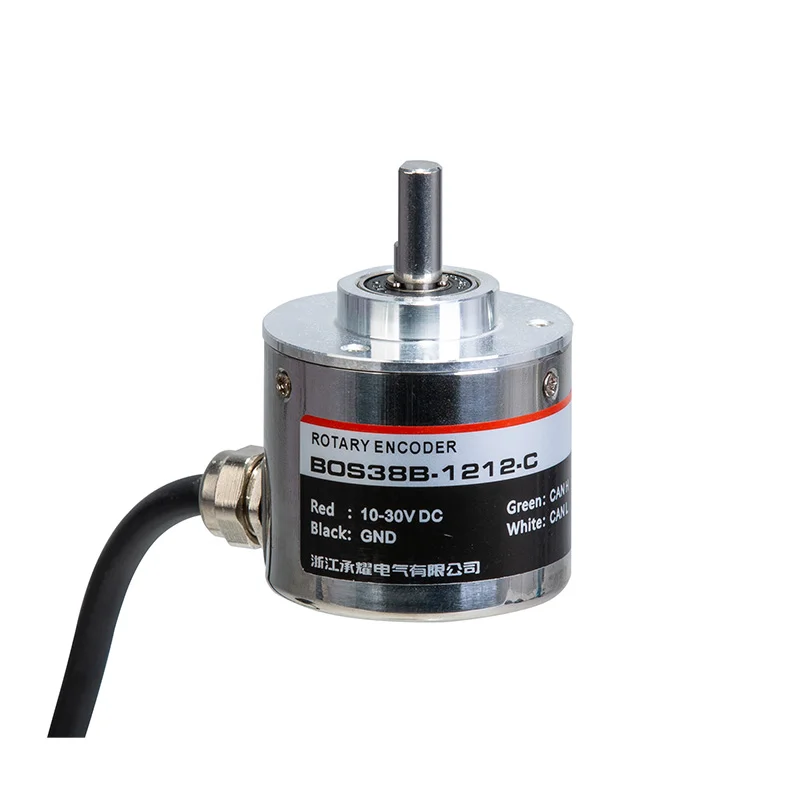
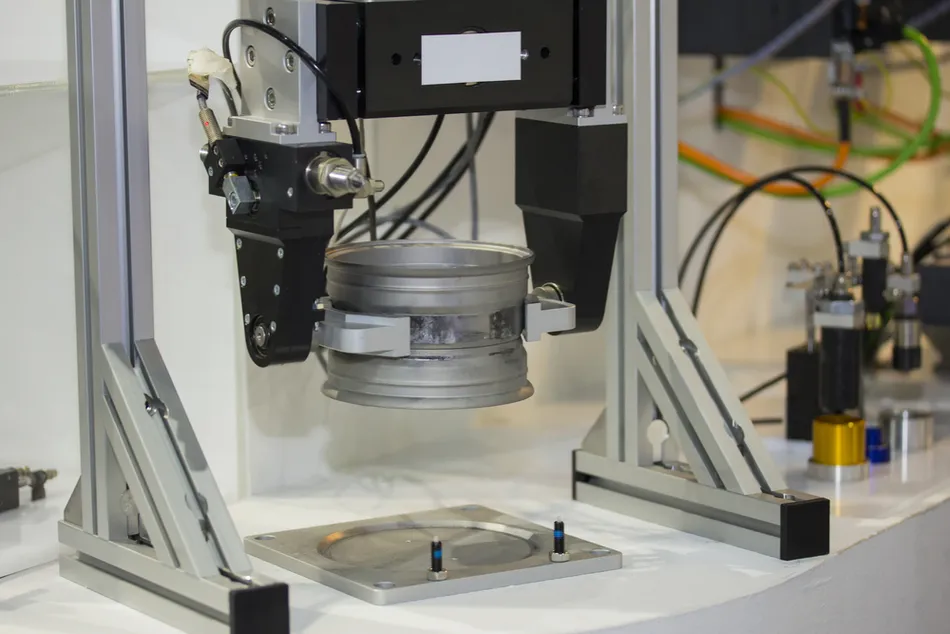
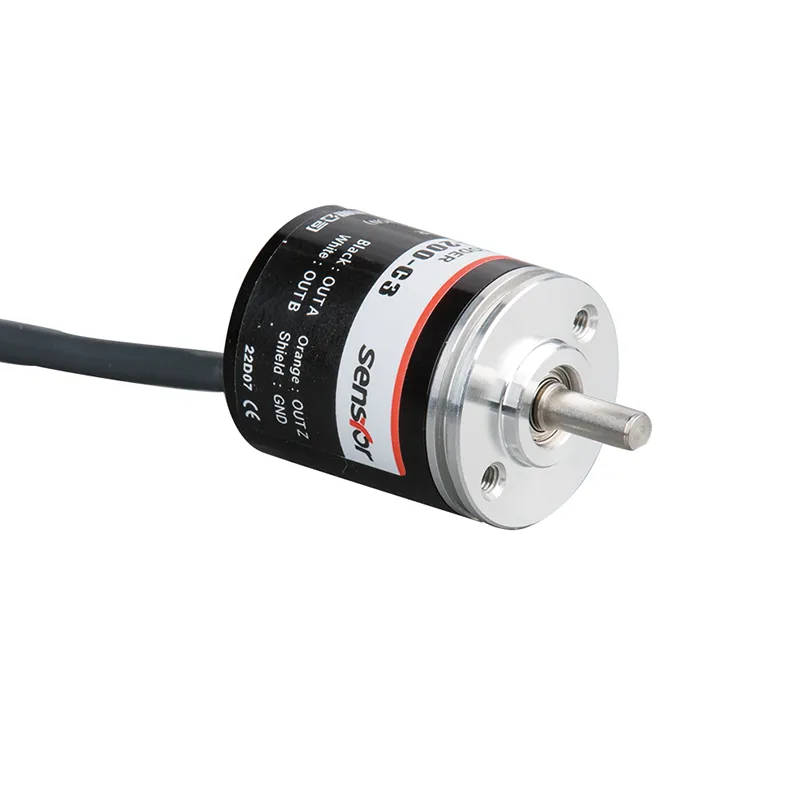
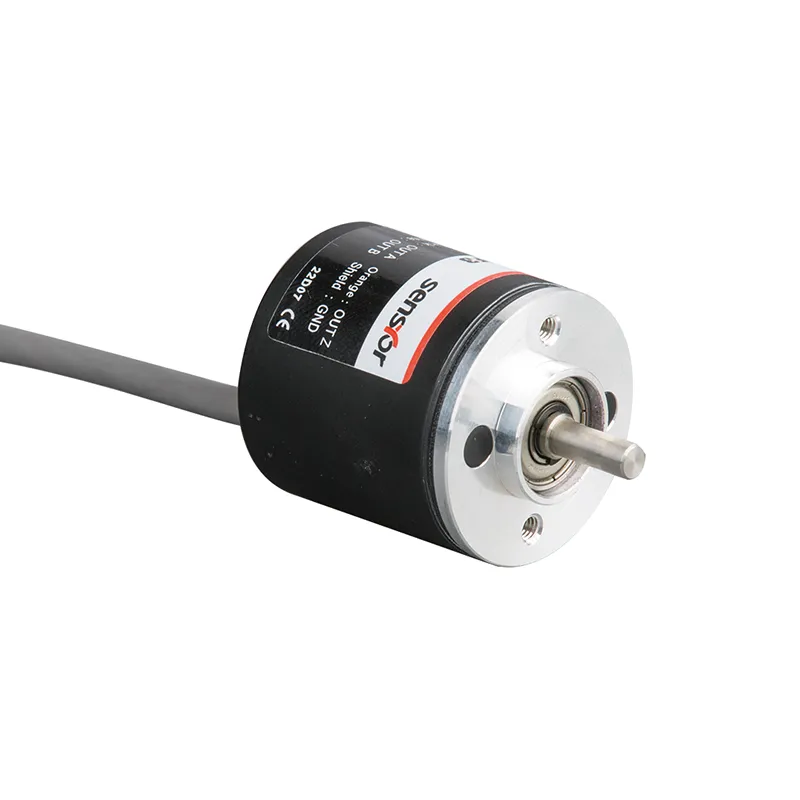
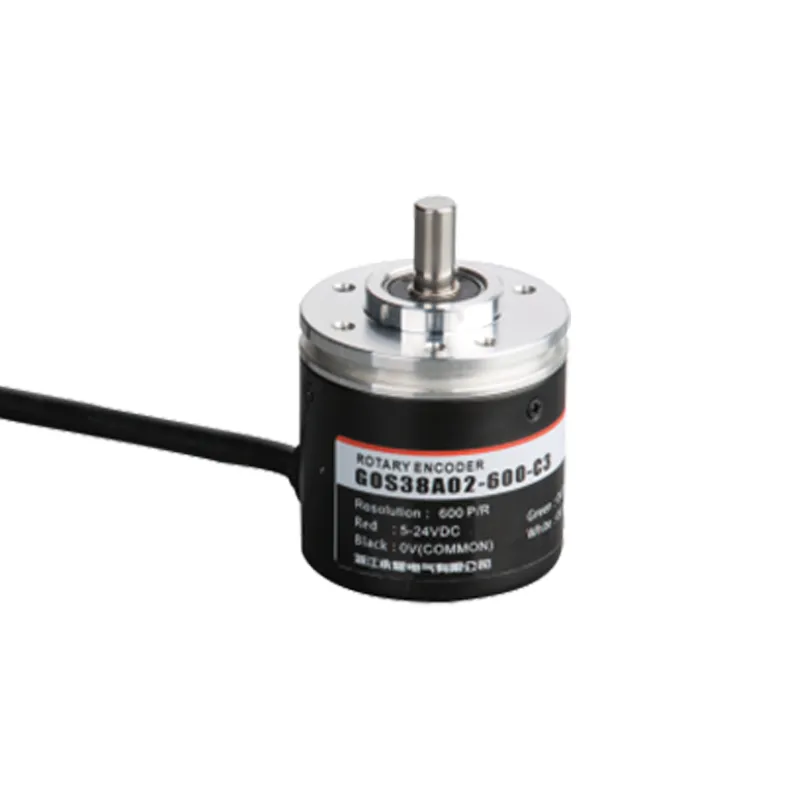
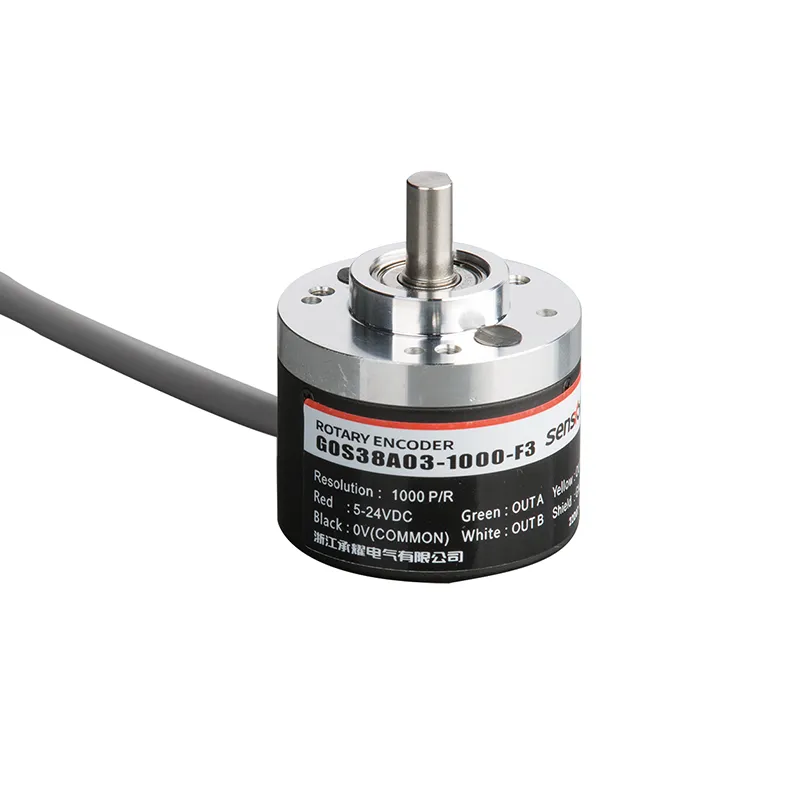
A rotary encoder for printing packaging machine applications provides rotational feedback that can help automated equipment monitor speed, position, direction, and movement. Rotary encoders can be used in printing presses, packaging machines, labeling systems, film-feeding equipment, slitting machines, cutting systems, and other production machinery.
Printing and packaging processes often involve continuously moving materials, rotating rollers, motors, shafts, and synchronized mechanisms. Accurate feedback from these components can be an important part of the machine’s motion-control system.
For printing and packaging machinery manufacturers, OEMs, system integrators, automation engineers, and purchasing teams, selecting an encoder requires more than comparing prices. Resolution, output signal, rotational speed, shaft configuration, mounting requirements, environmental conditions, and controller compatibility should all be evaluated.
What Is a Rotary Encoder for Printing Packaging Machine?
A rotary encoder is a feedback device that detects rotational movement and converts it into an electrical signal.
When installed on a motor, roller, shaft, spindle, or other rotating component, a rotary encoder for printing packaging machine applications can provide information that a controller uses as part of the machine’s automation process.
Depending on the encoder type, the feedback can represent:
Rotational speed
Direction
Relative movement
Position changes
Absolute angular position
In printing and packaging equipment, encoder feedback can be used together with PLCs, motion controllers, servo drives, motors, sensors, and other automation components.
The encoder itself does not control the complete machine. Instead, it supplies feedback that can become part of the machine’s broader control architecture.
Why Printing and Packaging Machines Need Encoder Feedback
Printing and packaging machinery frequently operates with continuous material movement and coordinated mechanical actions.
For example, a packaging machine may need to move film through rollers while another mechanism performs sealing or cutting. A printing machine may need to coordinate substrate movement with rotating printing components.
A rotary encoder for printing packaging machine equipment can provide rotational feedback that helps the control system monitor these movements.
Common applications include:
Speed monitoring
Position feedback
Material-feed monitoring
Roller synchronization
Cutting coordination
Label positioning
Motor feedback
Motion control
Automated production processes
The exact role of the encoder depends on the machine design and control strategy.
9 Applications of Rotary Encoders in Printing and Packaging Machines
1. Printing Rollers
Printing machines use rollers and cylinders to transport substrates and perform printing operations.
A rotary encoder can monitor the rotation of a roller or associated motor. The control system can then use the feedback as part of its motion-control strategy.
A rotary encoder for printing packaging machine applications should be selected according to the roller speed, mechanical configuration, required resolution, output interface, and environmental conditions.
For high-speed equipment, the encoder’s specified rotational speed should be carefully compared with the actual machine operating conditions.
2. Packaging Film Feeding
Flexible packaging machines often move film or other materials through a series of rollers.
The movement of the material can be associated with the rotation of a drive roller. A rotary encoder for printing packaging machine equipment can provide feedback from that rotating component.
This feedback may be used by the machine controller to monitor material movement and coordinate other operations.
When selecting an encoder for film-feeding equipment, engineers should consider roller diameter, speed, resolution, shaft configuration, and controller compatibility.
3. Labeling Machines
Automatic labeling machines need to coordinate product movement with label feeding and application.
A rotary encoder can provide rotational feedback from a conveyor, feed roller, or other rotating mechanism.
A rotary encoder for printing packaging machine applications can therefore become part of the feedback system used to coordinate label-related machine operations.
The appropriate encoder depends on the machine’s mechanical arrangement and control architecture.
4. Cutting and Slitting Machines
Packaging and printing systems may include cutting or slitting mechanisms that operate in coordination with material movement.
Encoder feedback can provide information about the rotation of a drive shaft or roller. The controller can use this information as part of the machine’s programmed cutting or slitting process.
For a rotary encoder for printing packaging machine cutting application, resolution and mechanical installation should be considered alongside speed and output requirements.
5. Pouch and Bag Making Machines
Automated pouch and bag-making equipment can include film-feeding rollers, sealing mechanisms, cutting systems, and motors.
These components may need to operate in a coordinated sequence.
A rotary encoder can provide feedback from a motor or roller so that the machine’s controller can monitor rotational movement.
The exact encoder requirements depend on the equipment’s mechanical design, speed, material type, and control system.
6. Flexible Packaging Machines
Flexible packaging systems can process films, laminates, and other packaging materials.
Continuous material movement means that accurate motion feedback may be important to the machine’s control architecture.
A rotary encoder for printing packaging machine applications can be installed on selected rotating components to provide feedback about movement.
Environmental conditions should also be considered because packaging machinery may contain dust, material particles, lubricants, vibration, or temperature variations.
7. Cartoning and Filling Equipment
Packaging lines can include filling, dosing, cartoning, and other automated processes.
Motors and conveyors may need to operate in synchronization with other machine functions.
Rotary encoder feedback can be used as one part of this automation architecture.
Before selecting a rotary encoder for printing packaging machine equipment, engineers should identify exactly which rotating component requires feedback and what information the controller needs.
8. Printing and Packaging Conveyor Systems
Conveyors are common in integrated printing and packaging production lines.
An encoder can monitor the rotation of a conveyor drive or roller and provide feedback to the control system.
This can help coordinate conveyor movement with labeling, filling, printing, inspection, or packaging operations according to the machine’s control design.
9. Automated Printing and Packaging Lines
Modern production lines can integrate printing machines, packaging machines, conveyors, robots, inspection systems, PLCs, and motion controllers.
A rotary encoder for printing packaging machine systems can provide feedback from motors, rollers, or other rotating components within the production line.
For system integrators, encoder compatibility becomes particularly important because the encoder must work with the machine’s electrical, mechanical, and control architecture.
Incremental vs. Absolute Encoders for Printing and Packaging
When selecting a rotary encoder for printing packaging machine equipment, buyers often need to decide between incremental and absolute encoder technology.
Incremental Rotary Encoders
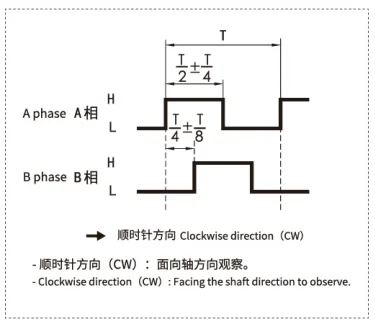
Incremental encoders generate signals corresponding to rotational movement.
Depending on the output configuration, the control system can use these signals to determine:
Speed
Direction
Relative movement
Position changes
Incremental encoders can be suitable for many conveyor, roller, motor, and material-feed applications where the control system manages relative movement or establishes a reference.
Absolute Rotary Encoders
Absolute encoders provide a position value associated with the shaft’s angular position.
They can be considered when the machine requires absolute angular position information.
For example, an absolute encoder may be considered where the control system needs position information without relying solely on relative pulse counting.
The correct choice depends on the machine architecture, controller, application requirements, and required feedback method.
8 Specifications to Check Before Buying
1. Resolution
Resolution describes how finely rotational movement is represented by the encoder.
The required resolution depends on the machine’s mechanical design, material-feed requirements, controller, and desired feedback performance.
Higher resolution should not automatically be considered better. The complete system must be able to use the encoder’s available feedback.
2. Rotational Speed
Printing and packaging machines can operate continuously and may include high-speed rollers.
Before selecting a rotary encoder for printing packaging machine equipment, compare the encoder’s specified operating speed with the actual machine speed.
3. Output Signal
The encoder output must be compatible with the receiving PLC, drive, motion controller, or other interface.
Confirm:
Signal type
Supply voltage
Output frequency
Connector
Wiring
Controller compatibility
4. Shaft Configuration
Mechanical compatibility is essential.
Check:
Shaft diameter
Shaft length
Shaft type
Housing dimensions
Mounting holes
Coupling
Installation orientation
An encoder that cannot be mechanically installed correctly is not suitable regardless of its electrical specifications.
5. Environmental Conditions
Printing and packaging machinery can expose components to:
Dust
Paper or film particles
Ink
Oil
Vibration
Temperature changes
Moisture
The encoder’s environmental specifications should match the actual installation environment.
When sourcing a rotary encoder for printing packaging machine applications, product selection should be based on the actual machine requirements.
Sensyor offers rotary encoder products for industrial applications. Buyers can review the Sensyor rotary encoder product page and then provide their technical requirements when discussing a potential application.
For OEMs, distributors, machine manufacturers, and system integrators, providing detailed application information can help make product evaluation more efficient.
Useful information includes:
Machine type
Encoder application
Rotational speed
Required resolution
Shaft dimensions
Output requirements
Supply voltage
Mounting method
Environmental conditions
Required quantity
FAQs About Rotary Encoder for Printing Packaging Machine
What is a rotary encoder used for in printing and packaging machines?
A rotary encoder can provide feedback about the rotational movement of rollers, motors, shafts, conveyors, and other components. Depending on the system, this feedback can support speed monitoring, position feedback, synchronization, and motion control.
Why are rotary encoders important for packaging machines?
Packaging machines often require coordinated movement between material-feeding rollers, conveyors, motors, cutting mechanisms, sealing systems, and other components. A rotary encoder for printing packaging machine equipment can provide feedback about rotational movement as part of the machine’s control system.
Can a rotary encoder be used for film feeding?
Yes. A rotary encoder can be installed on a film-feeding roller, motor, or other rotating component. The feedback can be used by the control system according to the machine’s design.
rotary encoder for printing packaging machine applications
Are incremental encoders suitable for printing machines?
Incremental encoders can be suitable for many printing applications that require speed, direction, or relative movement feedback. The correct product depends on the printing machine’s control architecture.
Are absolute encoders suitable for packaging machines?
Absolute encoders can be considered when a packaging machine requires absolute angular position information. Whether an absolute encoder is appropriate depends on the application’s control requirements.
What encoder resolution is needed for packaging machinery?
There is no universal resolution requirement. The appropriate resolution depends on the machine’s mechanical system, material movement, controller, speed, and required feedback performance.
Can rotary encoders work in printing machine environments?
Some rotary encoders are designed for industrial environments, but suitability depends on the manufacturer’s specifications. Buyers should evaluate dust, ink, moisture, vibration, temperature, and other conditions.
Can a rotary encoder be customized for packaging machinery?
Depending on the manufacturer, OEM or customized configurations may be available. Buyers should provide mechanical, electrical, and environmental specifications when discussing customization.
How do I choose a rotary encoder supplier for printing and packaging machines?
Compare suppliers based on product compatibility, manufacturing capability, quality control, technical documentation, customization support, production capacity, lead time, and technical communication rather than price alone.
Conclusion
A rotary encoder for printing packaging machine applications can provide important rotational feedback for printing rollers, film-feeding systems, labeling machines, cutting equipment, conveyors, motors, and automated packaging lines.
The right encoder should match the machine’s resolution, rotational speed, output signal, mechanical configuration, environmental conditions, and controller requirements.
Incremental and absolute encoders can both be useful depending on the application. Buyers should evaluate the complete control architecture rather than selecting an encoder based on one specification alone.
For printing and packaging machinery manufacturers, OEMs, distributors, and system integrators, supplier capability is equally important. Technical support, product documentation, manufacturing capacity, quality control, and customization capability can all affect the sourcing decision.
If you are looking for a rotary encoder for printing packaging machine applications, visit the Sensyor rotary encoder product page to explore available encoder solutions.
Table of Contents Introduction to CE & ISO9001 certified rotary encoder A CE & ISO9001 certified rotary encoder is an advanced motion control component designed to provide accurate position, speed, and direction feedback in industrial systems. In modern automation environments, manufacturers require products that deliver stable performance, long service life, and reliable quality standards. Industrial […]
📊 Comprehensive Outline for “through-hole encoder” Heading Level Topic H1 Through-Hole Encoder: Essential Guide H2 Introduction to Through-Hole Encoder H3 What is a Through-Hole Encoder H3 Why It Matters in Motion Control H2 How a Through-Hole Encoder Works H3 Basic Working Principle H3 Signal Output and Feedback H2 Types of Encoders Used in Systems H3 […]
Introduction to Encoder Factory An encoder factory is a specialized manufacturing facility that produces encoders used in automation, robotics, and industrial systems. These factories play a vital role in ensuring precision, reliability, and efficiency in motion control applications. Whether you’re sourcing components for robotics or CNC systems, choosing the right encoder factory can significantly impact […]
We use cookies to enhance your browsing experience, serve personalised ads or content, and analyse our traffic. By clicking "Accept All", you consent to our use of cookies.