How to Select the Right Encoder for Your Application
Installation and Maintenance Guidelines
Why Choose Sensy Encoder Solutions
Future Trends in Encoder Technology
Frequently Asked Questions
Introduction to High Precision Encoder Technology
Modern automation systems require accurate motion control, fast response, and dependable feedback. A high precision encoder plays an important role in achieving these goals by converting mechanical movement into accurate electrical signals.
From semiconductor equipment to robotics and CNC machinery, industries rely on advanced feedback technology to improve production quality and reduce errors. A reliable encoder solution helps machines understand exact position, speed, and direction during operation.
Sensy provides professional industrial encoder products designed for demanding applications. You can explore available solutions here:
https://sensyorcoder.net/products
Choosing the correct encoder technology can significantly improve machine performance, efficiency, and long-term reliability.
What Is a High Precision Encoder?
A high precision encoder is an advanced sensing device that measures rotational or linear movement with exceptional accuracy. It provides real-time feedback to control systems, allowing machines to perform precise positioning and motion adjustments.
Unlike standard sensors, precision encoder systems are designed for applications where even small measurement errors can affect product quality. These devices are commonly used in:
Industrial robots
CNC machines
Automated production lines
Medical equipment
Semiconductor manufacturing systems
Aerospace equipment
A high-quality encoder normally consists of sensing components, signal processing circuits, and mechanical structures designed for stable operation.
Key Features of High Precision Encoder Systems
High Resolution Measurement Capability
One major advantage of a high precision encoder is its ability to provide extremely detailed position feedback. Higher resolution allows machines to perform smoother movements and achieve better accuracy.
Reliable Signal Output
Industrial applications often require stable communication between sensors and controllers. Advanced encoder products support different output formats, including:
Incremental signals
Absolute signals
Digital communication protocols
Strong Environmental Protection
Many industrial environments include dust, vibration, temperature changes, and electromagnetic interference. A durable encoder design helps maintain reliable operation under challenging conditions.
Images for SEO Optimization
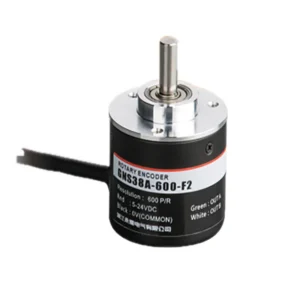
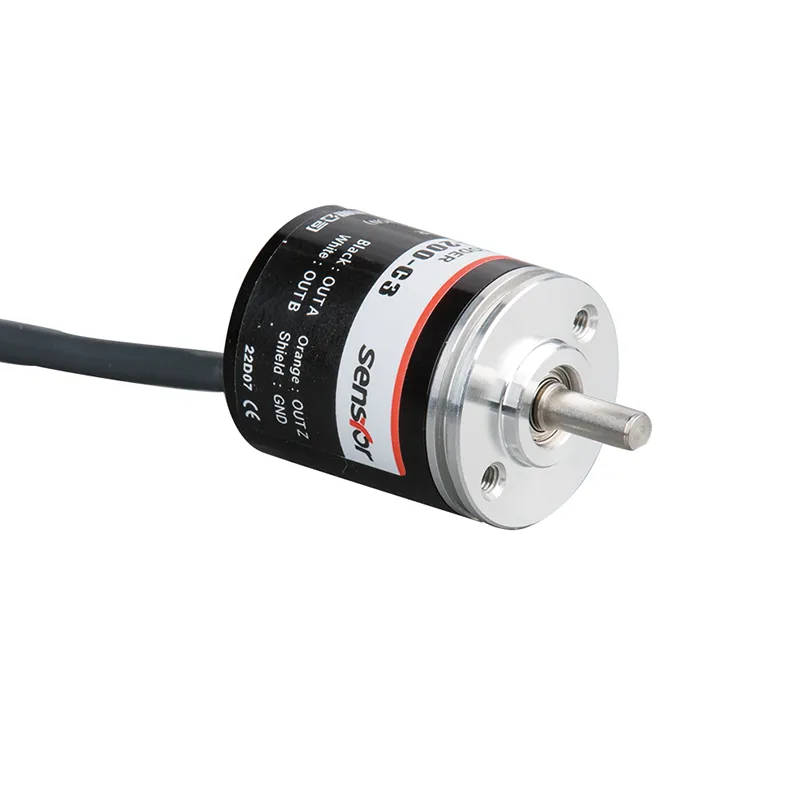
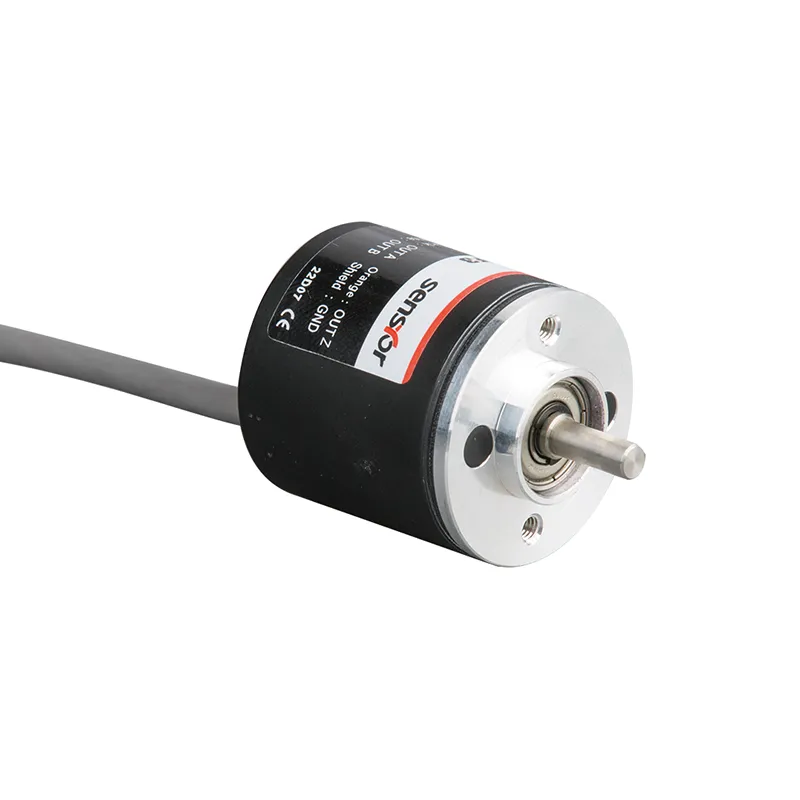
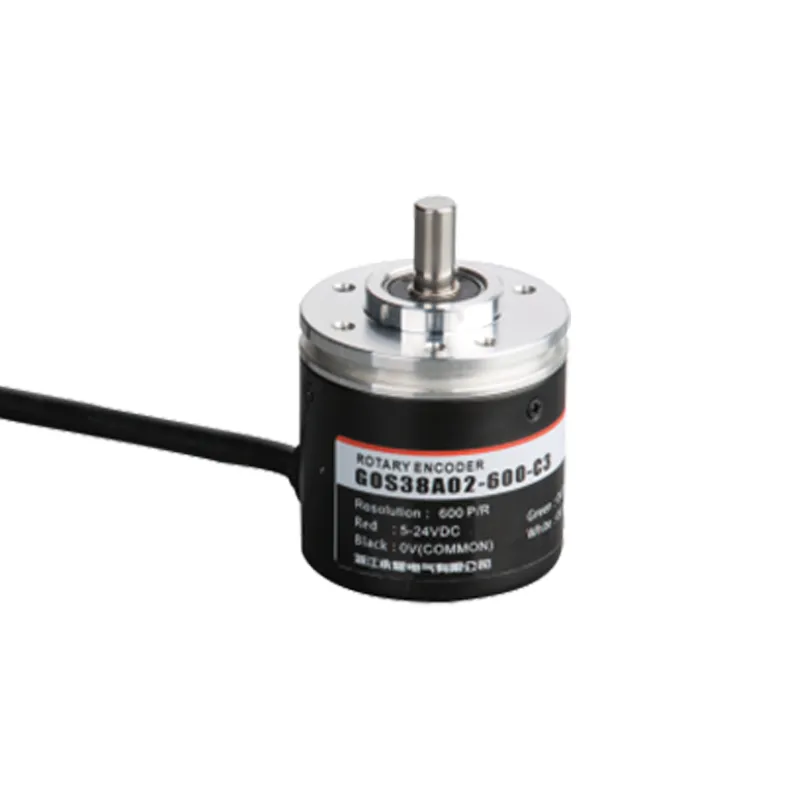
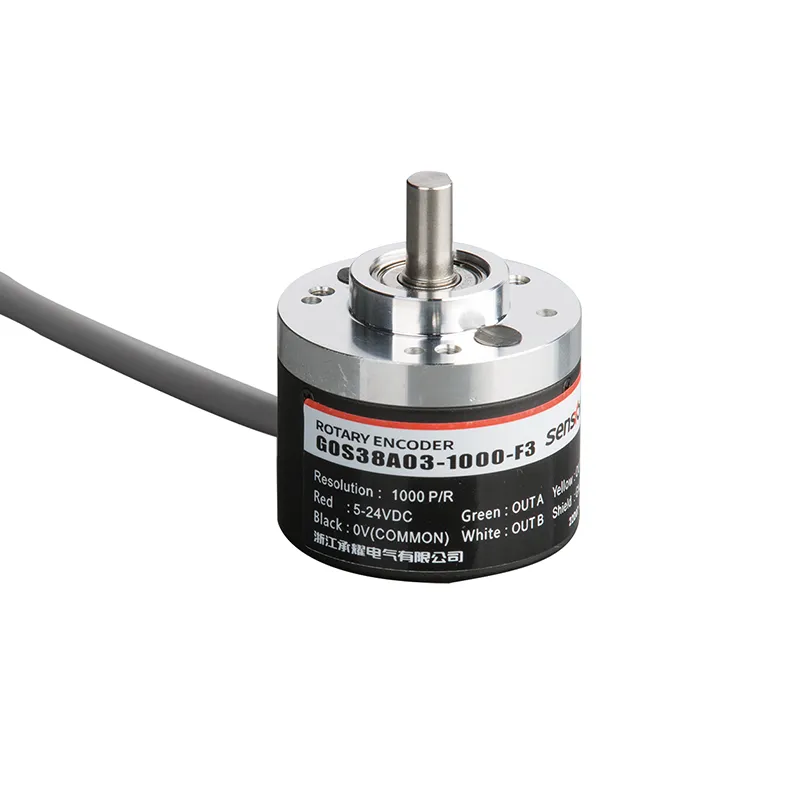
High precision encoder designed for advanced industrial positioning applications
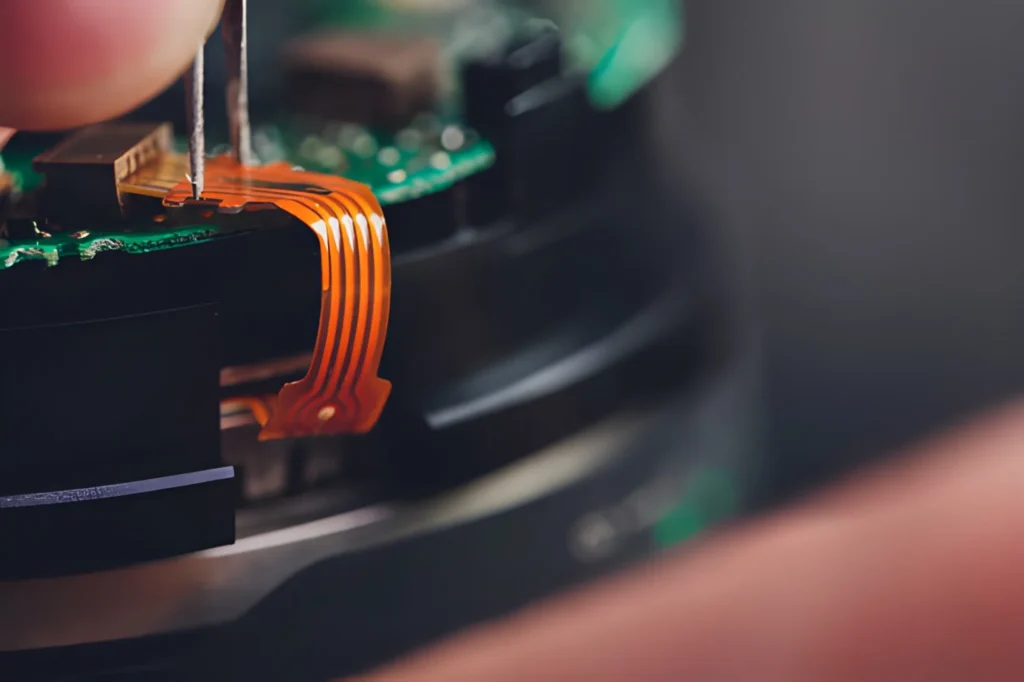
High precision encoder providing reliable feedback for automated machinery
Types of Precision Encoder Technology
Incremental Encoder Systems
Incremental models generate output pulses based on movement. They are commonly used for speed monitoring and relative positioning.
Advantages include:
Fast response
Simple integration
Cost efficiency
Absolute Encoder Systems
Absolute systems provide unique position information even after power interruption. This makes them suitable for critical automation applications.
Benefits include:
Accurate position tracking
Reduced calibration requirements
Improved machine reliability
Rotary and Linear Encoder Solutions
Depending on the application, companies may select rotary or linear designs. Rotary models measure angular movement, while linear systems monitor straight-line displacement.
Industrial Applications of High Precision Encoder Solutions
A high precision encoder is widely used across many industries where accuracy matters.
Robotics and Automation
Robotic systems require accurate feedback to control movement. Encoder technology allows robotic arms to achieve smooth and repeatable operations.
CNC Manufacturing
CNC machines depend on precise position monitoring. Encoder feedback improves cutting accuracy and production consistency.
Semiconductor Equipment
Semiconductor manufacturing requires extremely accurate positioning. Advanced sensors help maintain strict production standards.
Medical Equipment
Medical devices often require reliable motion control. Precision feedback technology supports safer and more accurate equipment operation.
Benefits of Using High Precision Encoder Technology
Improved Accuracy
The main benefit of using a high precision encoder is improved measurement accuracy. Better feedback allows machines to operate with smaller tolerances.
Increased Productivity
Accurate motion control reduces production mistakes and improves manufacturing efficiency.
Lower Maintenance Requirements
Reliable encoder systems reduce unexpected downtime and help extend machine lifespan.
Better System Control
Advanced feedback technology allows automated systems to respond quickly to changing conditions.
How to Select the Right High Precision Encoder
Selecting the correct product requires considering several technical factors.
Resolution Requirements
Higher resolution is important for applications requiring extremely accurate positioning.
Environmental Conditions
Consider:
Temperature range
Dust exposure
Moisture levels
Vibration intensity
Communication Interface
Different machines require different communication methods. Common options include:
SSI
CANopen
EtherCAT
Analog output
Mechanical Compatibility
Check shaft size, mounting design, and installation requirements before choosing a suitable model.
A high precision encoder is a key component for industries that require accurate motion control and dependable performance. With advanced measurement capabilities, strong reliability, and wide application possibilities, encoder technology helps businesses improve automation efficiency.
When selecting an encoder solution, focus on accuracy, environmental protection, compatibility, and long-term reliability. Sensy provides professional products designed to support modern industrial requirements.
📊 SEO-Optimized Outline (Content AI Structured) Heading Level Topic H1 Custom Encoder Manufacturer: 15 Expert Insights for Choosing the Right Partner H2 What is a Custom Encoder Manufacturer H2 Why a Custom Encoder Manufacturer Matters H2 How a Custom Encoder Manufacturer Works H3 Design and Engineering Process H3 Manufacturing and Calibration H2 Types of Products […]
In the fast-advancing world of industrial automation, precision and reliability are everything. Whether you’re designing a robotic arm, upgrading a CNC system, or integrating motion control into packaging machinery, choosing the right type of rotary encoder—absolute vs Incremental Encoders—can make a real difference. While both technologies measure rotation and position, they operate on different principles and […]
A rotary encoder for robotics equipment provides rotational feedback that can help a robot control system monitor position, speed, direction, or movement. Encoders are commonly considered in robotic arms, servo motors, automated machinery, positioning systems, and other motion-control applications. For robotics manufacturers, OEMs, engineers, and system integrators, choosing the right encoder requires careful consideration of […]
We use cookies to enhance your browsing experience, serve personalised ads or content, and analyse our traffic. By clicking "Accept All", you consent to our use of cookies.