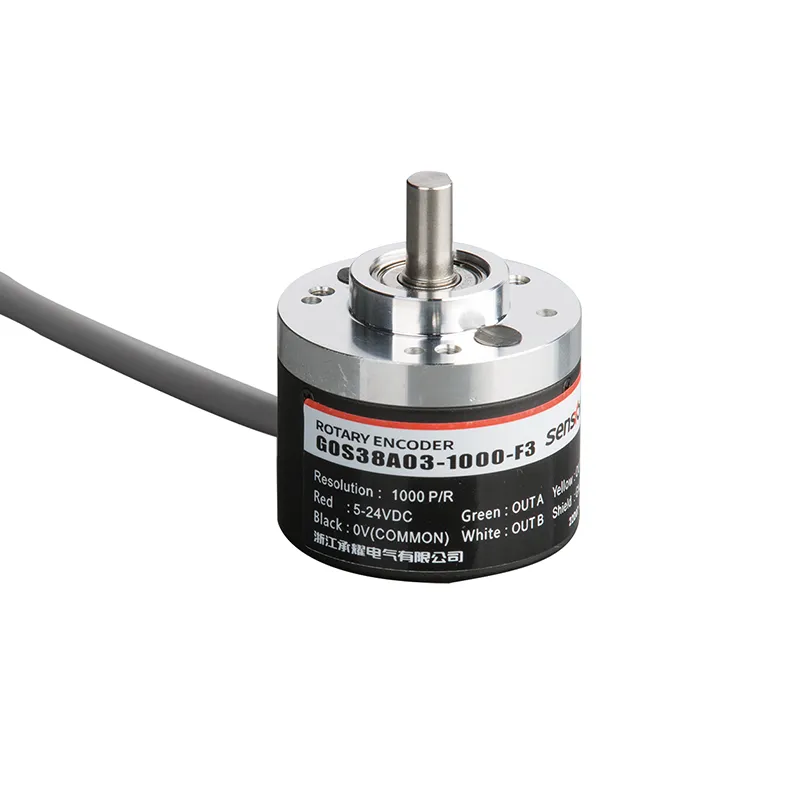
High Precision Encoder: 7 Advanced Benefits for Industrial Automation

High Precision Encoder: 7 Advanced Benefits for Industrial Automation

Table of Contents

  • Introduction to High Precision Encoder
  • What Is a High Precision Encoder
  • Key Features of High Precision Encoder
  • Types of High Precision Encoder
  • Applications of High Precision Encoder
  • Benefits of High Precision Encoder
  • How to Choose a High Precision Encoder
  • Installation Tips for High Precision Encoder
  • Internal and External Resources
  • FAQs About High Precision Encoder
  • Conclusion

Introduction to High Precision Encoder

High precision encoder technology is essential in modern industrial automation systems. A high precision encoder provides extremely accurate motion feedback, helping machines maintain precise speed, position, and direction control. Industries such as robotics, CNC machining, medical equipment, and semiconductor manufacturing rely on a high precision encoder to achieve stable and reliable performance.

Because automation systems demand tighter tolerances and better efficiency, the use of a high precision encoder continues to increase across industrial applications.


What Is a High Precision Encoder

A high precision encoder is a motion feedback device that converts mechanical movement into electrical signals with exceptional accuracy. The high precision encoder is commonly used to monitor rotational position, shaft speed, and angular displacement in industrial systems.

Compared to standard encoders, a high precision encoder offers higher resolution and more stable signal output. This allows automation equipment to operate with greater consistency and reduced positioning error.

Explore industrial encoder solutions here:
👉 https://sensyorcoder.net/products/


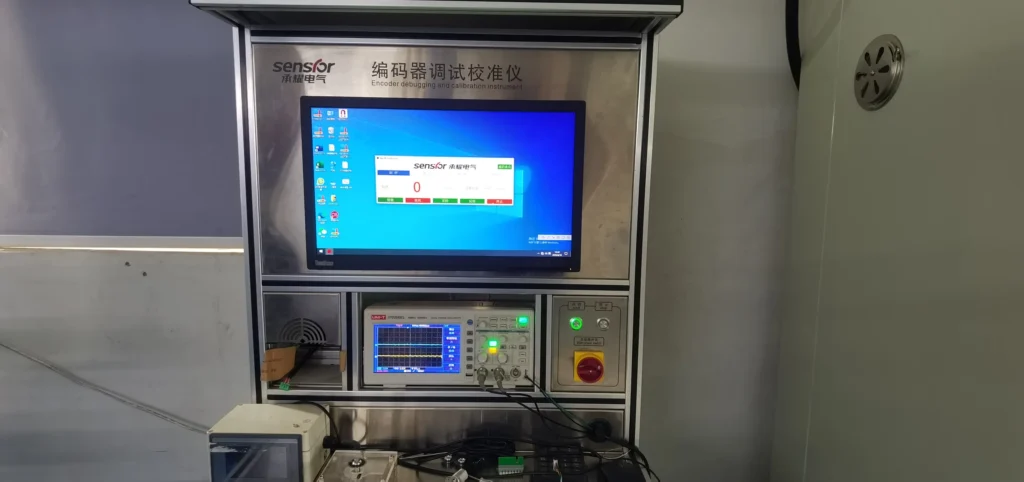
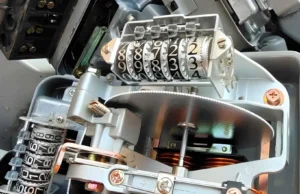
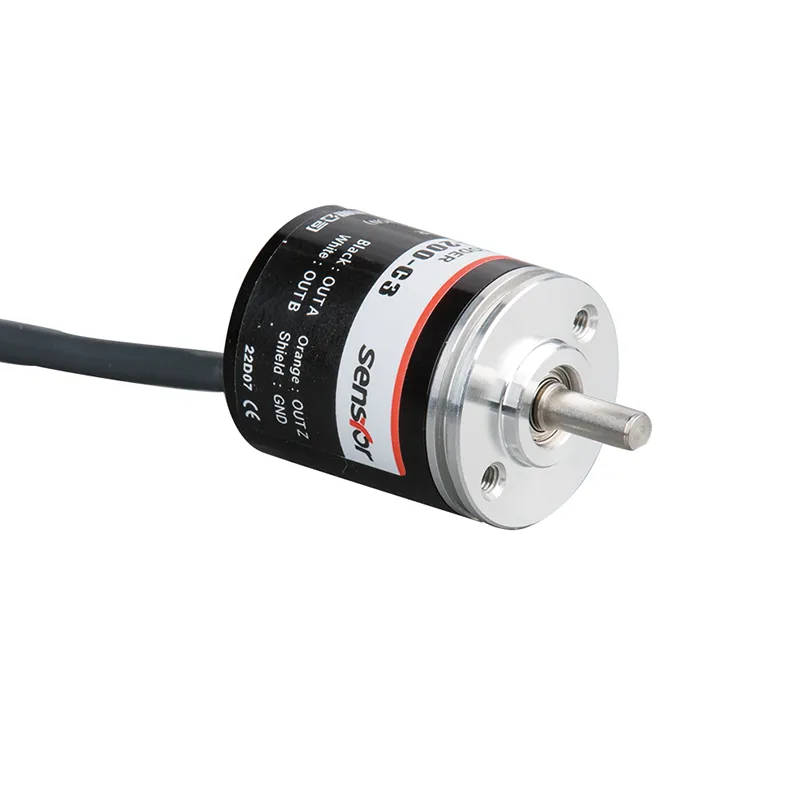
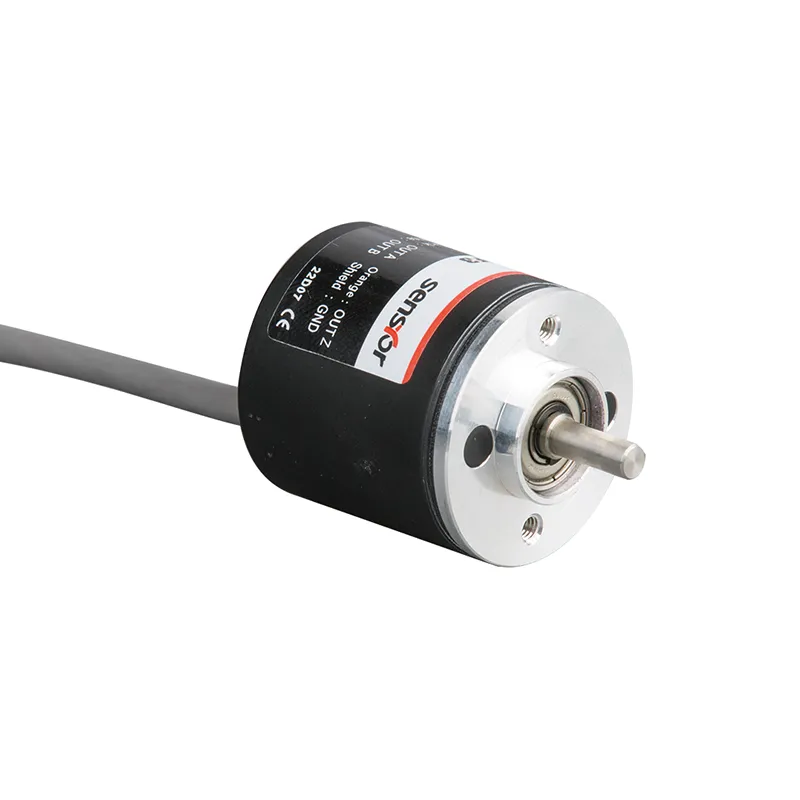
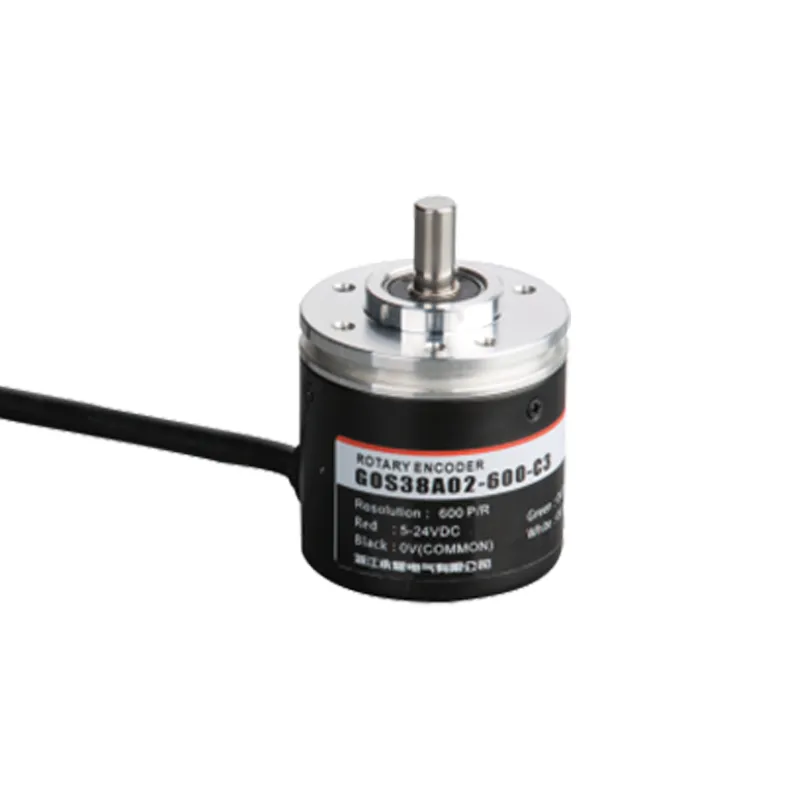
high precision encoder industrial rotary motion control sensor for automation systems
High precision encoder designed for advanced industrial automation applications

Key Features of High Precision Encoder

High Precision Encoder with High Resolution

A high precision encoder delivers accurate pulse output for precise positioning and motion control applications.

High Precision Encoder with Stable Signal Output

The high precision encoder maintains reliable signal performance even during high-speed operation.

High Precision Encoder with Durable Construction

Most high precision encoder models are designed for industrial environments with resistance to dust, vibration, and temperature changes.


Types of High Precision Encoder

Incremental High Precision Encoder

An incremental high precision encoder generates pulse signals based on shaft rotation. It is widely used for speed and direction monitoring.

H4: Industrial Incremental High Precision Encoder

Industrial incremental high precision encoder systems are commonly installed in servo motors and CNC machines.

Absolute High Precision Encoder

An absolute high precision encoder provides exact position data even after a power interruption.


Applications of High Precision Encoder

High Precision Encoder in Robotics

A high precision encoder improves robotic movement accuracy and positioning consistency.

High Precision Encoder in CNC Machines

The high precision encoder helps CNC equipment maintain accurate machining operations.

High Precision Encoder in Medical Equipment

A high precision encoder supports precision control in advanced medical devices.

High Precision Encoder in Semiconductor Manufacturing

Semiconductor systems use a high precision encoder for ultra-accurate positioning control.


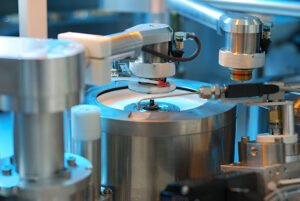
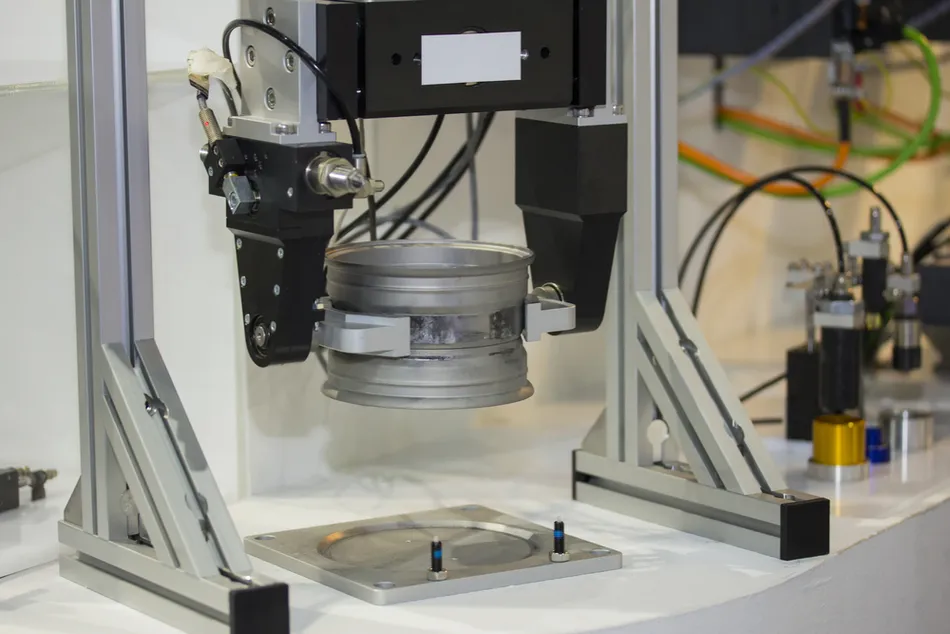
high precision encoder installed on CNC machinery for accurate motion feedback
High precision encoder improving accuracy in CNC industrial systems

Benefits of High Precision Encoder

Using a high precision encoder provides several advantages:

  • Improved positioning accuracy
  • Stable industrial motion control
  • Reduced operational error
  • Better automation efficiency
  • Long service life and reliability

A high precision encoder is critical for industries requiring high-performance automation systems.


How to Choose a High Precision Encoder

When selecting a high precision encoder, consider the following:

  • Required resolution level
  • Output signal compatibility
  • Environmental protection rating
  • Shaft and mounting configuration
  • Operating temperature range

Browse industrial encoder products here:
👉 https://sensyorcoder.net/products/


Installation Tips for High Precision Encoder

Correct installation improves the lifespan of a high precision encoder.

  • Ensure accurate shaft alignment
  • Avoid excessive vibration exposure
  • Use secure electrical wiring
  • Install proper mounting brackets

A properly installed high precision encoder ensures stable long-term operation.


These internal links strengthen the SEO authority of the high precision encoder topic.


Authoritative External Resources

These external DoFollow resources improve E-E-A-T and technical credibility.


Advanced Industrial Value of High Precision Encoder

A high precision encoder is increasingly important in Industry 4.0 systems. Smart manufacturing environments require precise motion data, and the high precision encoder provides the accurate feedback necessary for intelligent automation.

Modern servo systems and AI-driven machinery benefit greatly from the reliability of a high precision encoder. As industrial automation evolves, demand for high-resolution encoder technology will continue to grow.


FAQs About High Precision Encoder

What is a high precision encoder used for?

A high precision encoder is used for accurate position and speed feedback in industrial automation systems.

Why is a high precision encoder important?

A high precision encoder improves motion accuracy and reduces system error.

Where is high precision encoder technology commonly used?

Industries such as robotics, CNC machining, medical equipment, and semiconductor manufacturing use a high precision encoder.

What is the advantage of a high precision encoder?

A high precision encoder provides stable signal output and high-resolution motion control.

Where can I buy high precision encoder products?

You can explore industrial encoder solutions at https://sensyorcoder.net/products/


Conclusion

A high precision encoder is a key component in modern automation and motion control systems. With excellent resolution, stable signal performance, and industrial durability, the high precision encoder helps improve efficiency and operational accuracy across multiple industries.

For reliable encoder solutions, visit:
👉 https://sensyorcoder.net/products/

Related Posts

High Resolution Encoder: 17 Powerful Insights You Must Know for Precision Control

High Resolution Encoder: 17 Powerful Insights You Must Know for Precision Control

📊 Comprehensive Outline for “high resolution encoder” Heading Level Topic H1 High Resolution Encoder: 17 Powerful Insights You Must Know for Precision Control H2 Introduction to High Resolution Encoder H3 What is a High Resolution Encoder? H3 Why High Resolution Matters H2 Working Principle of High Resolution Encoder H3 Basic Operation Mechanism H4 Signal Generation […]

Read More
Industrial Encoder: 15 Essential Insights for Precision and Automation

Industrial Encoder: 15 Essential Insights for Precision and Automation

📊 Comprehensive Outline for “industrial encoder” Heading Level Topic H1 Industrial Encoder: 15 Essential Insights for Automation H2 Introduction to Industrial Encoder H3 What is an Industrial Encoder H3 Importance in Automation Systems H2 How Industrial Encoder Works H3 Signal Conversion Process H3 Role of Feedback in Control Systems H2 Types of Industrial Encoder H3 […]

Read More
50mm Encoder: 7 Essential Features for High-Performance Industrial Applications

50mm Encoder: 7 Essential Features for High-Performance Industrial Applications

Table of Contents Introduction to 50mm Encoder Technology A 50mm encoder is a compact motion feedback device designed to measure rotational position, speed, and direction in industrial equipment. It plays an important role in automation systems where accurate control and reliable feedback are required. Modern manufacturing depends heavily on precise motion monitoring. Machines such as […]

Read More