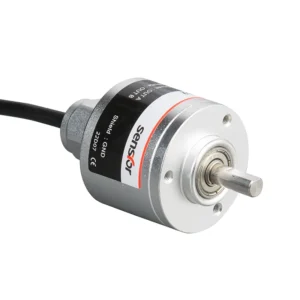
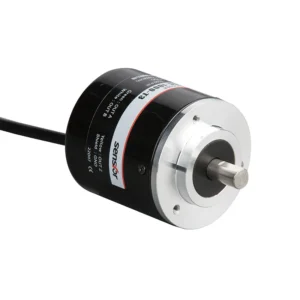
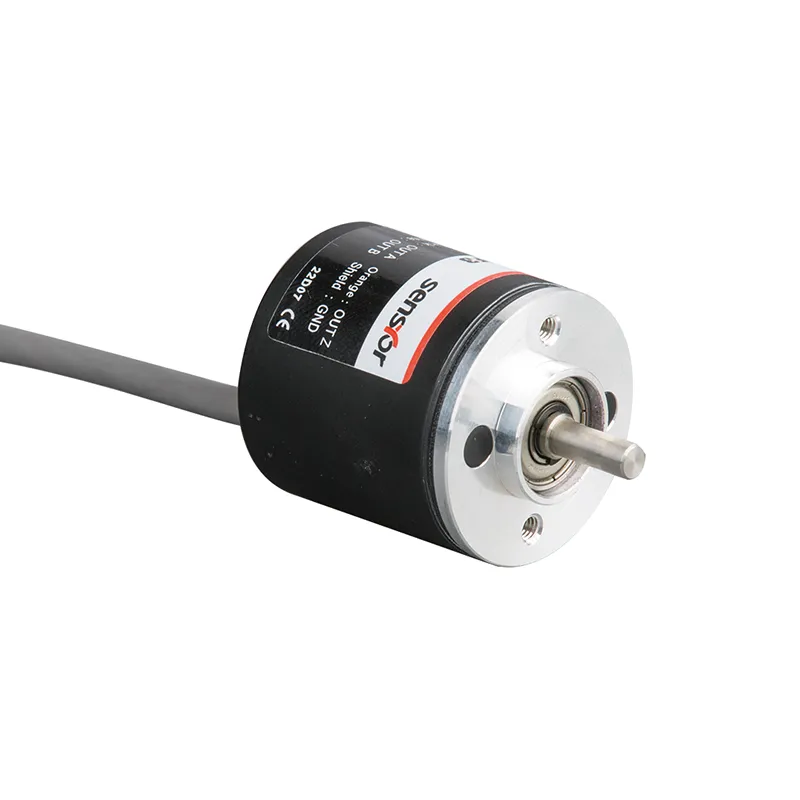
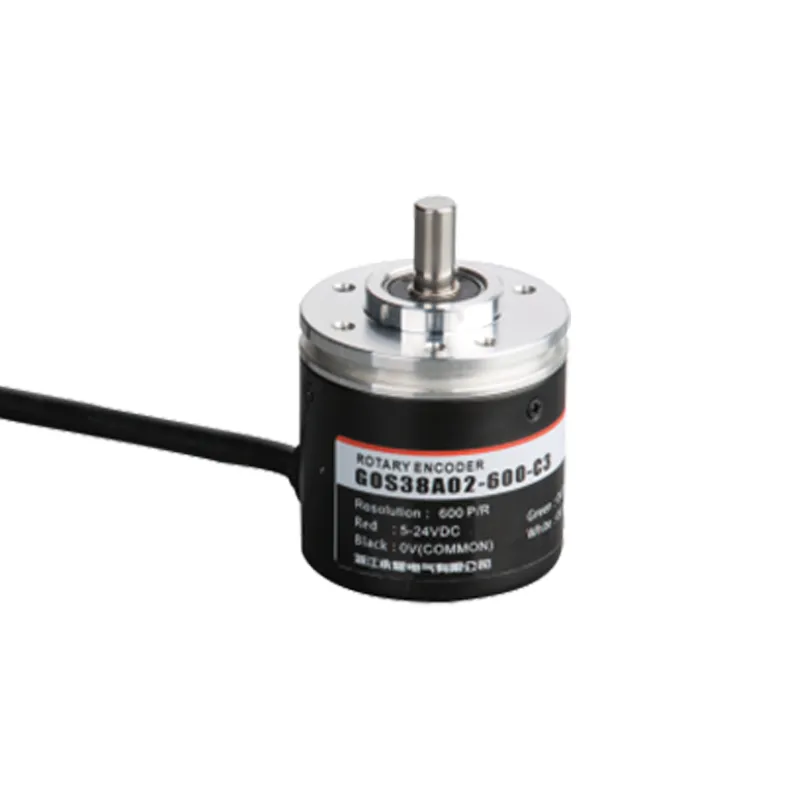
A through-hole encoder is a rotary feedback device designed with a hollow center that allows a motor shaft or rotating component to pass directly through the encoder body. This design simplifies installation and eliminates the need for additional shaft couplings in many applications.
Because of its compact structure and reliable performance, this encoder style is widely used in industrial automation, packaging equipment, robotics, conveyors, and servo systems.
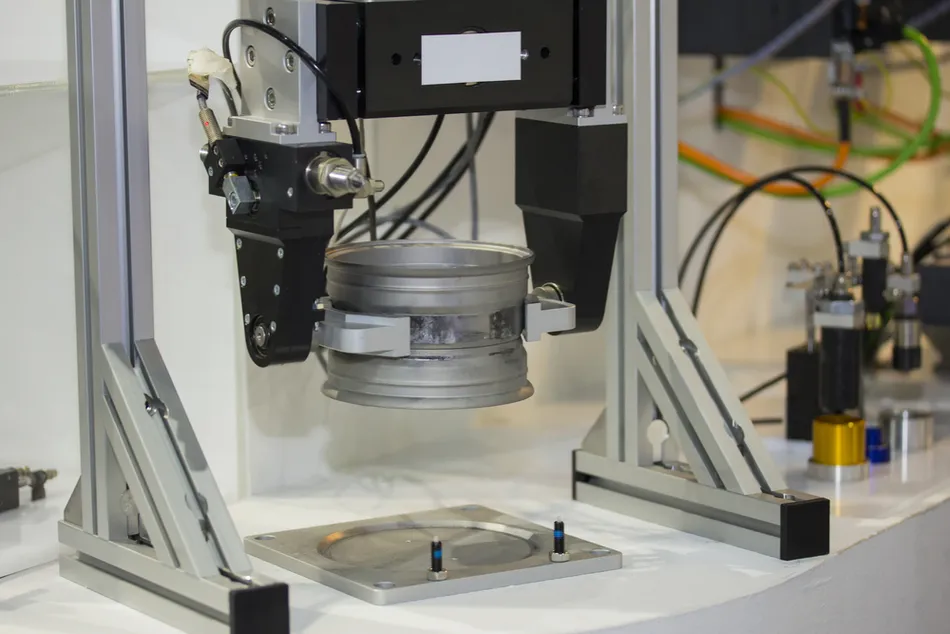
Modern manufacturing facilities depend on accurate motion feedback to improve efficiency, reduce downtime, and maintain product quality. A through-hole encoder helps achieve these goals by providing precise speed, position, and direction information to the control system.
Through-hole encoder providing precise motion feedback in industrial automation systems.
How a Through-Hole Encoder Works
The encoder is mounted directly onto a rotating shaft. As the shaft rotates, internal sensing technology converts mechanical movement into electrical signals.
These signals are transmitted to a PLC, motion controller, or industrial computer, allowing the system to monitor and control movement accurately.
Depending on the design, feedback may be generated through:
Optical Sensing
Optical models use a light source and coded disk to achieve high resolution and excellent accuracy.
Magnetic Sensing
Magnetic designs offer greater resistance to dust, moisture, and vibration, making them suitable for harsh environments.
Key Features of a Through-Hole Encoder
Hollow Shaft Design
The central opening enables direct installation onto existing shafts, reducing mechanical complexity.
Compact Construction
Space-saving dimensions make these devices ideal for applications where installation space is limited.
High Accuracy
Many models provide precise feedback for positioning and speed control.
Industrial Durability
Robust housings help protect internal components from dust, shock, and vibration.
Multiple Output Options
Available interfaces may include:
Incremental outputs
SSI
CANopen
EtherCAT
Modbus
Types of Through-Hole Encoder
Incremental Through-Hole Encoder
Incremental models generate pulses as the shaft rotates. These pulses are used to calculate speed and relative position.
Common applications include:
Conveyor systems
Packaging machines
Material handling equipment
Absolute Through-Hole Encoder
Absolute versions provide a unique position value for every shaft location.
Benefits include:
Position retention after power loss
Improved safety
Faster machine startup
Through-Hole Encoder Applications
Industrial Automation
Motion control systems rely on accurate feedback to synchronize machine movements.
Robotics
Robotic arms require precise position information for repeatable operation.
Packaging Equipment
High-speed packaging lines use encoder feedback to maintain product consistency.
Conveyor Systems
Feedback data helps regulate belt speed and improve throughput.
Servo Motor Systems
Direct shaft mounting makes these devices a popular choice for servo motor applications.
Advantages of Using a Through-Hole Encoder
Easy Installation
The hollow shaft design reduces installation time and minimizes alignment issues.
Improved Reliability
Fewer mechanical components often result in reduced maintenance requirements.
Better Space Utilization
Compact construction supports modern machine designs where space is limited.
Accurate Motion Feedback
Reliable feedback improves machine performance and operational efficiency.
Long Service Life
Industrial-grade construction helps extend operational lifespan.
How to Select the Right Through-Hole Encoder
Choosing the correct model requires evaluating several factors.
Shaft Diameter
Verify compatibility with the motor or machine shaft.
Resolution Requirements
Higher resolution may be necessary for precision positioning applications.
Environmental Conditions
Consider:
Dust exposure
Moisture levels
Temperature range
Vibration intensity
Communication Interface
Ensure compatibility with existing control systems.
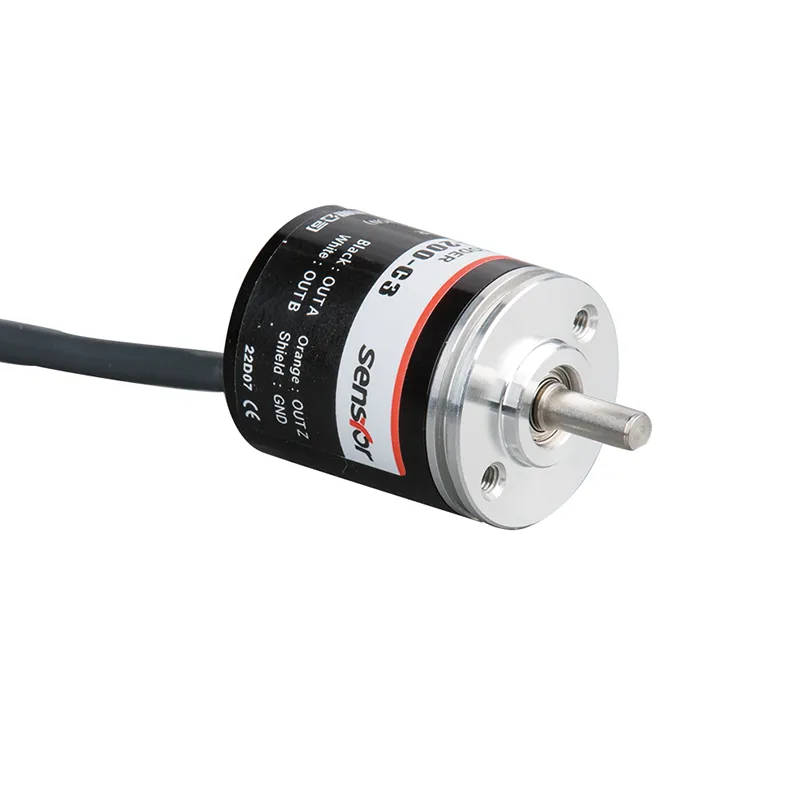
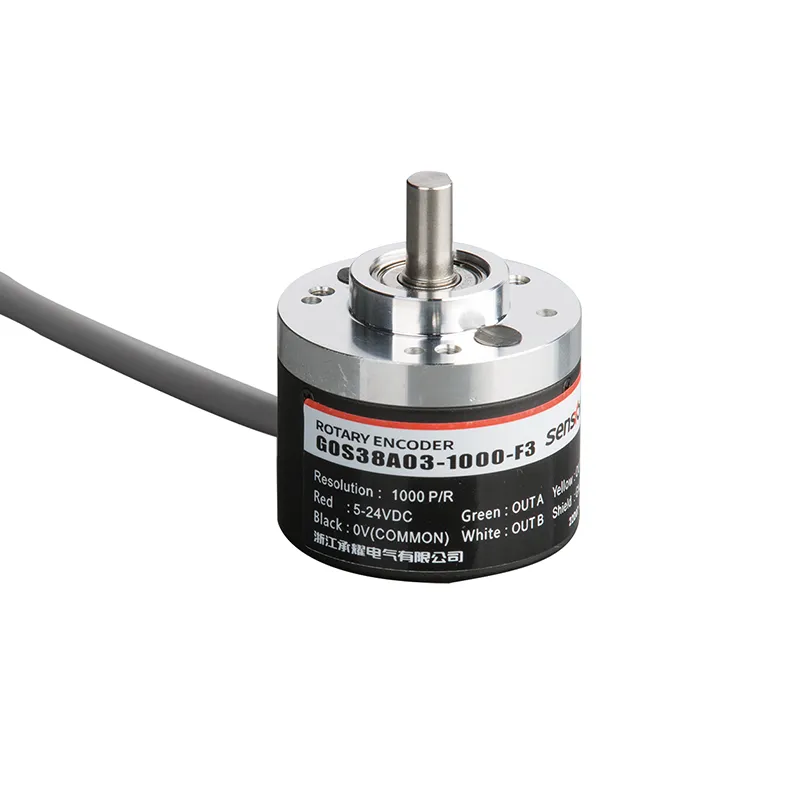
Industrial through-hole encoder designed for reliable speed and position measurement.
Installation Best Practices
To maximize performance:
Verify shaft alignment
Secure mounting hardware properly
Avoid excessive cable bending
Follow manufacturer specifications
Perform routine inspections
Proper installation significantly improves reliability and service life.
Recommended Resources
Internal Resources
Explore professional encoder solutions from SensyorCoder:
These resources provide valuable information about encoder technologies and industrial motion control systems.
Frequently Asked Questions
What is the difference between a through-hole encoder and a solid shaft encoder?
A through-hole design allows the shaft to pass directly through the encoder, simplifying installation and reducing mechanical components.
Where are these encoders commonly used?
They are frequently found in automation equipment, conveyors, robotics, and servo motor systems.
Are through-hole encoders suitable for harsh environments?
Yes. Many industrial models are designed to withstand dust, vibration, and temperature variations.
What output signals are available?
Common outputs include incremental, SSI, CANopen, EtherCAT, and Modbus.
How do I choose the correct shaft size?
Measure the motor or machine shaft diameter and select a compatible model.
Can these devices improve machine efficiency?
Yes. Accurate motion feedback helps optimize control performance and reduce operational errors.
Conclusion
A through-hole encoder is an effective solution for industrial motion control applications requiring reliable speed and position feedback. Its hollow shaft design simplifies installation, reduces mechanical complexity, and supports long-term performance.
Whether used in robotics, packaging machinery, conveyors, or servo systems, selecting the right encoder can significantly improve operational efficiency and system accuracy.
For high-quality industrial encoder solutions, visit:
Table of Contents Introduction China encoder supplier companies have become important partners in the global automation industry. A professional China encoder supplier provides high-quality rotary encoders, motion feedback devices, and industrial automation solutions for manufacturing, robotics, CNC machinery, and packaging systems. Today, businesses worldwide choose a reliable China encoder supplier because of competitive pricing, advanced […]
Table of Contents Custom Encoder Introduction Custom encoder solutions are designed to meet specific motion control requirements that standard encoder products cannot fully satisfy. A custom encoder can be engineered with unique shaft dimensions, housing designs, electrical interfaces, resolutions, and environmental protection ratings to ensure seamless integration into specialized equipment. Manufacturers in automation, robotics, medical […]
Table of Contents What Is a Hollow Shaft Rotary Encoder? A hollow shaft rotary encoder is an industrial motion feedback device designed to measure rotational speed, position, and direction without requiring a traditional solid shaft connection. Unlike conventional encoders, this design allows the machine shaft to pass directly through the encoder, creating a simple and […]
We use cookies to enhance your browsing experience, serve personalised ads or content, and analyse our traffic. By clicking "Accept All", you consent to our use of cookies.