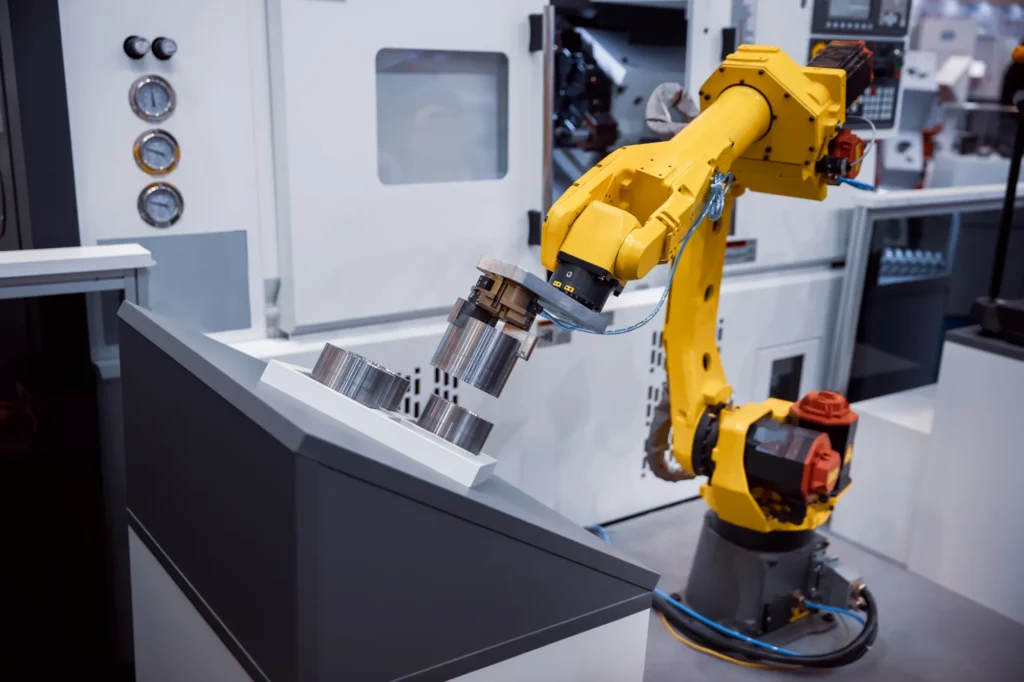
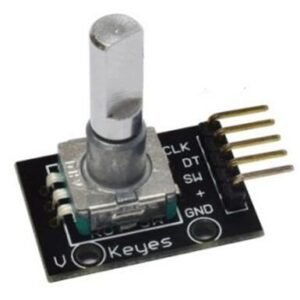
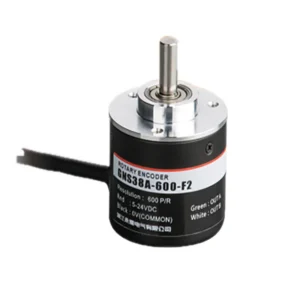
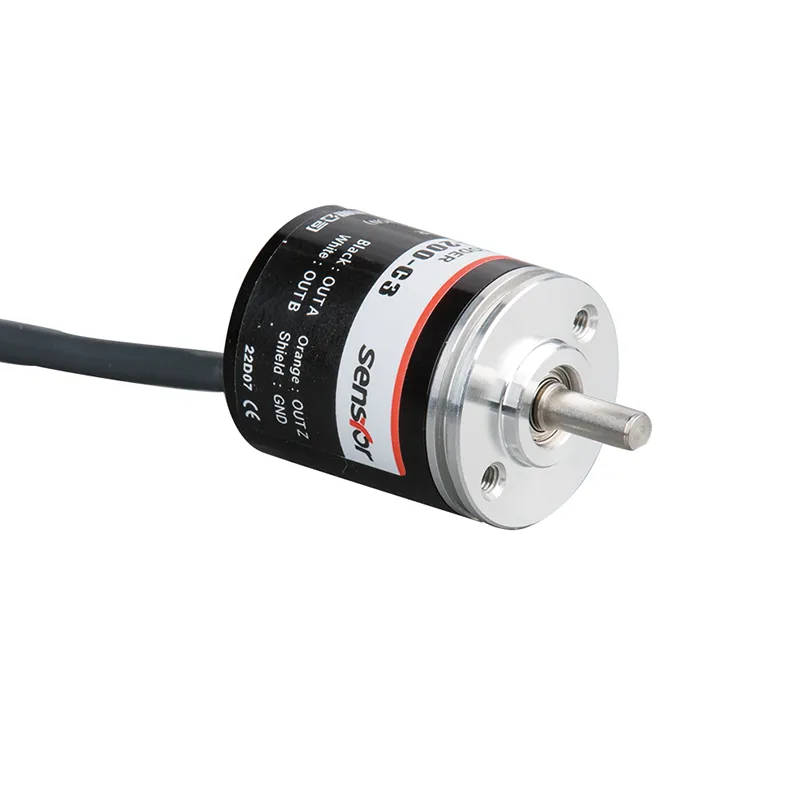
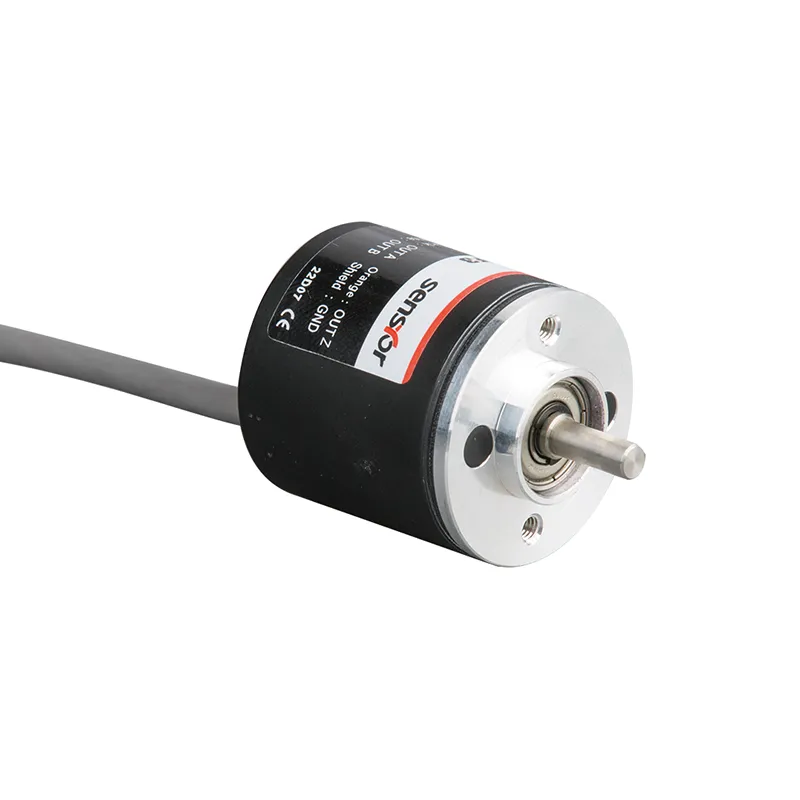
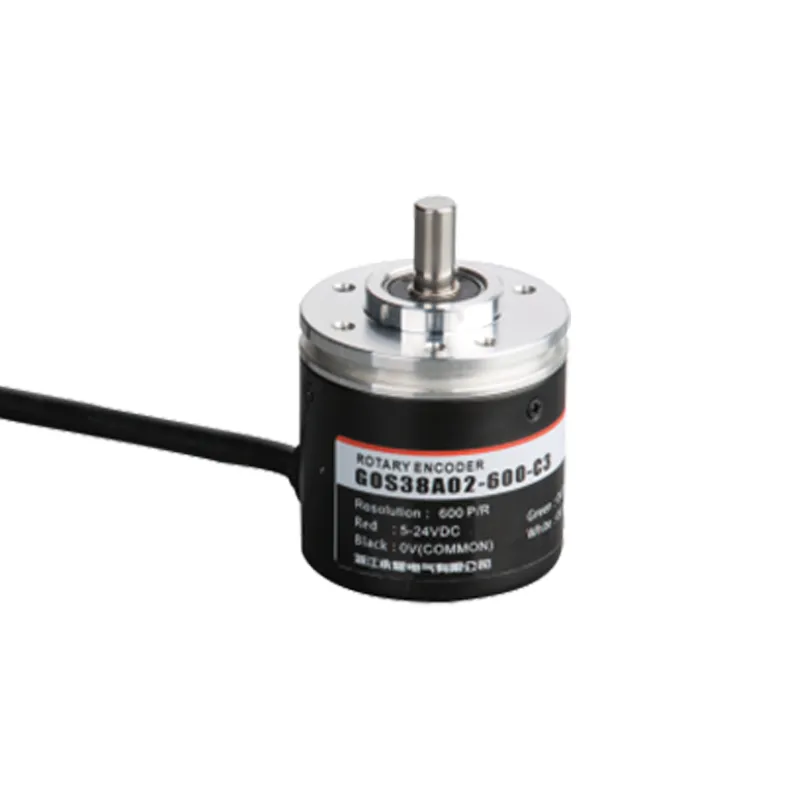
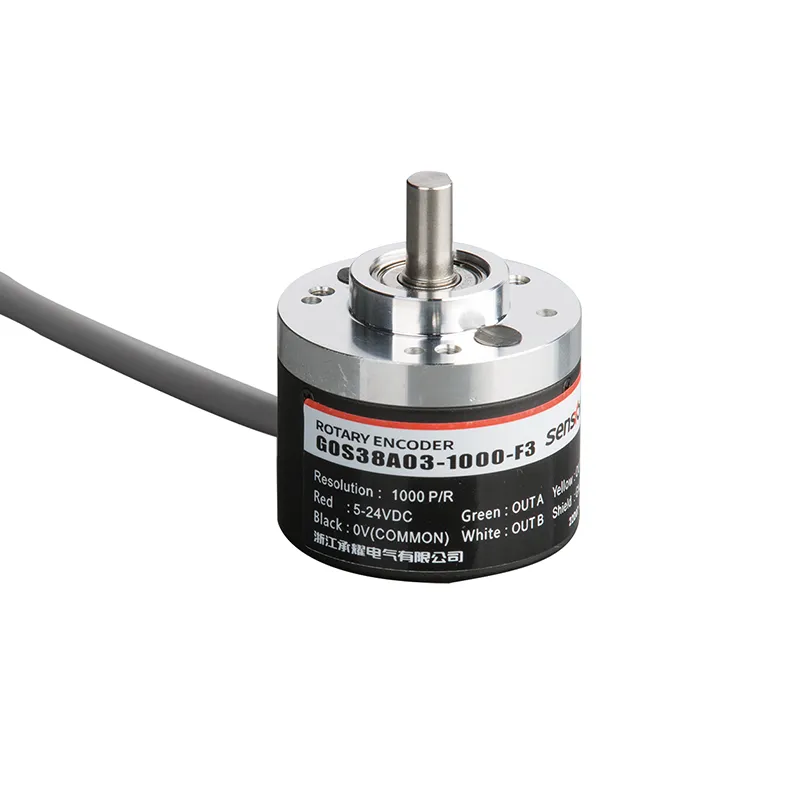
High precision encoder delivering accurate position feedback in an industrial automation system.
Introduction
Modern automation systems depend on accurate position feedback to maintain efficiency, productivity, and quality. A high precision encoder plays a critical role in providing reliable motion data for industrial equipment, robotics, CNC machines, semiconductor manufacturing, and advanced positioning systems.
As manufacturing processes become increasingly automated, the demand for higher accuracy continues to grow. Choosing the right encoder can significantly improve system performance while reducing downtime and maintenance costs.
A high precision encoder is a sensing device designed to convert mechanical movement into electrical signals with exceptional accuracy. These signals allow control systems to determine position, speed, and direction in real time.
Unlike standard feedback devices, advanced encoder technologies deliver higher resolution, improved repeatability, and greater stability under demanding operating conditions.
Common encoder technologies include:
Optical encoders
Magnetic encoders
Absolute encoders
Incremental encoders
Each solution offers unique advantages depending on application requirements.
How a High Precision Encoder Works
The encoder monitors shaft rotation or linear movement and generates output signals that are interpreted by a motion controller.
The process generally involves:
Detecting movement
Converting movement into electrical signals
Transmitting feedback data
Enabling closed-loop control
This feedback allows machines to achieve precise positioning and repeatable performance.
Key Features of a High Precision Encoder
Resolution and Measurement Accuracy
Resolution determines how accurately position changes can be measured. Higher resolution allows finer motion control and improved system responsiveness.
Positioning Accuracy in Motion Control Systems
Accuracy refers to the difference between the measured position and the actual position. High-quality devices minimize measurement errors and improve process consistency.
Reliability in Industrial Environments
Industrial environments often expose components to vibration, dust, moisture, and temperature fluctuations. Rugged designs help ensure stable operation over long periods.
Modern Industrial Communication Interfaces
Modern solutions support multiple communication protocols, including:
SSI
CANopen
EtherCAT
Modbus
Profibus
Benefits of Using a High Precision Encoder
Organizations invest in advanced encoder technology for several reasons.
Improved Positioning Accuracy
Accurate feedback allows equipment to reach exact positions repeatedly.
Better Product Quality
Consistent motion control reduces manufacturing defects and improves output quality.
Reduced Downtime
Reliable sensing technology helps prevent unexpected failures and costly production interruptions.
Enhanced Automation Performance
Accurate feedback contributes to smoother machine operation and greater productivity.
Lower Maintenance Costs
Durable components often require less maintenance throughout their operational lifespan.
Applications of a High Precision Encoder
Industrial Automation
Factories use encoder systems to improve machine accuracy and efficiency.
CNC Machinery
Computer-controlled machining centers require accurate position feedback to produce complex parts.
Robotics
Robotic systems depend on precise motion control for assembly, welding, packaging, and inspection tasks.
Semiconductor Manufacturing
Chip production equipment requires extremely accurate positioning capabilities.
Medical Equipment
Advanced imaging and diagnostic systems often utilize encoder technology for precise movement control.
How to Select the Right High Precision Encoder
When evaluating encoder options, consider the following factors:
Environmental Conditions
Assess:
Temperature range
Dust exposure
Humidity levels
Mechanical vibration
Resolution Requirements
Select a resolution level that matches application accuracy requirements.
Output Interface
Verify compatibility with existing controllers and automation systems.
Mounting Configuration
Consider shaft size, housing dimensions, and installation requirements.
A high precision encoder is a critical component in modern motion control systems. By providing accurate and reliable feedback, these devices help improve efficiency, product quality, and operational performance across numerous industries. Selecting the right encoder solution ensures long-term reliability and supports the growing demands of advanced automation.
Table of Contents Introduction encoder for printing machinery is a critical component used to ensure precision, synchronization, and consistent output in modern printing systems. The encoder for printing machinery helps monitor speed, position, and direction, allowing printing equipment to maintain alignment and avoid errors. In high-speed printing environments, even a small misalignment can cause defects. […]
Table of Contents Introduction to CE & ISO9001 certified rotary encoder A CE & ISO9001 certified rotary encoder is an advanced motion control component designed to provide accurate position, speed, and direction feedback in industrial systems. In modern automation environments, manufacturers require products that deliver stable performance, long service life, and reliable quality standards. Industrial […]
An optical encoder is one of the most widely used sensors in industrial automation, robotics, and motion control systems. It converts mechanical movement into electrical signals, allowing machines to measure position, speed, and direction with exceptional accuracy. As manufacturing processes become more automated, the demand for reliable sensing solutions continues to increase. Modern motion control […]
We use cookies to enhance your browsing experience, serve personalised ads or content, and analyse our traffic. By clicking "Accept All", you consent to our use of cookies.