IP65 Encoder: 15 Essential Benefits and Industrial Use Cases
H2
Introduction to IP65 Encoder
H2
What Does IP65 Mean in Encoders
H2
How an Encoder Works
H2
Types of IP65 Encoder
H2
Key Components of Encoder Systems
H2
Industrial Applications
H2
Advantages of Using IP65 Encoder
H2
Limitations and Considerations
H2
Comparison with Other Protection Ratings
H2
Installation Best Practices
H2
Maintenance Tips
H2
Future Trends
H2
Buying Guide
H2
FAQs
H2
Conclusion
Introduction to IP65 Encoder
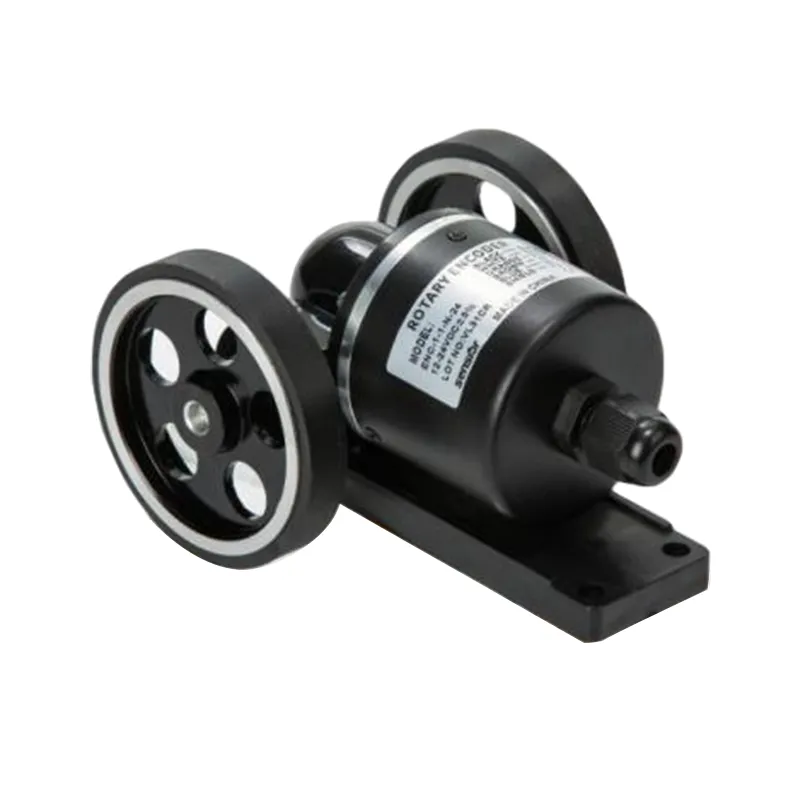
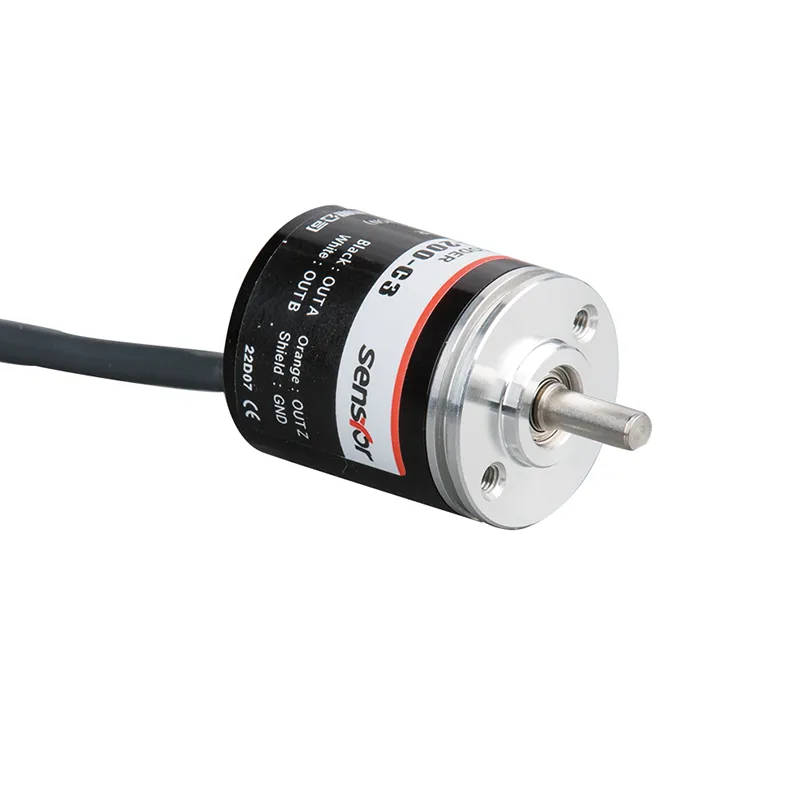
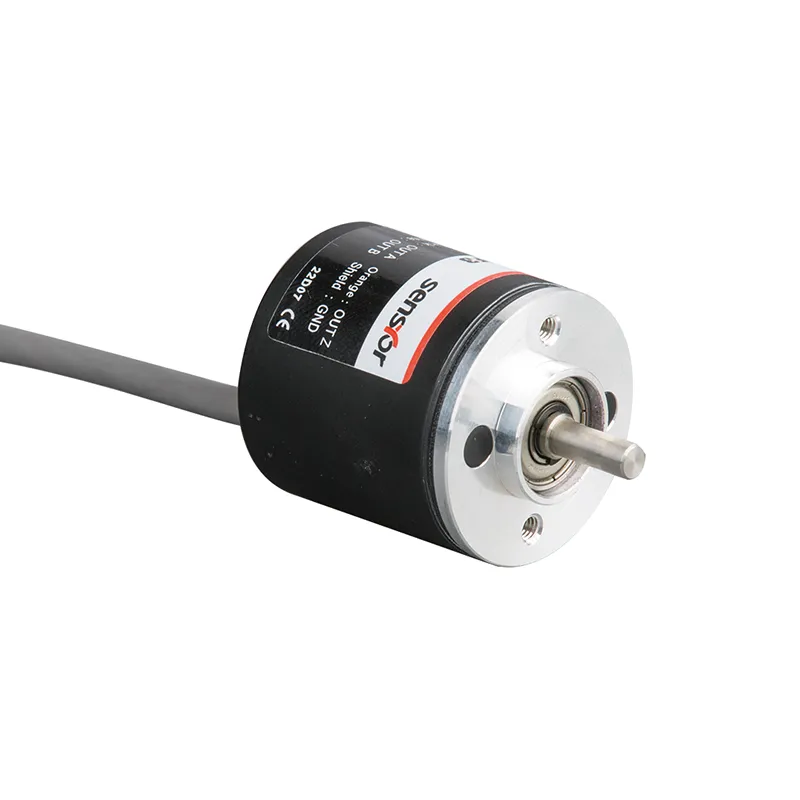
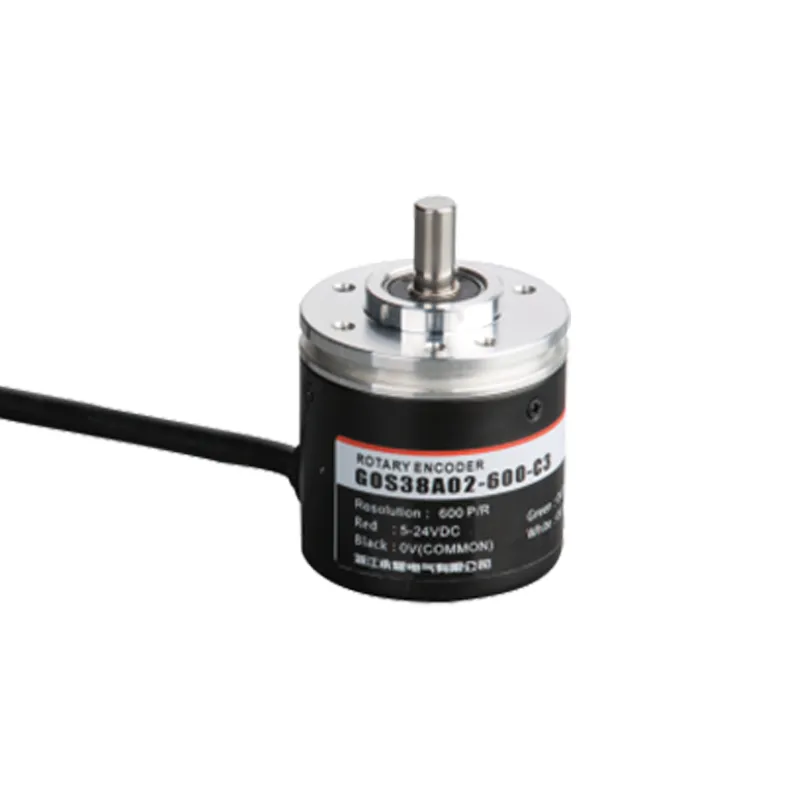
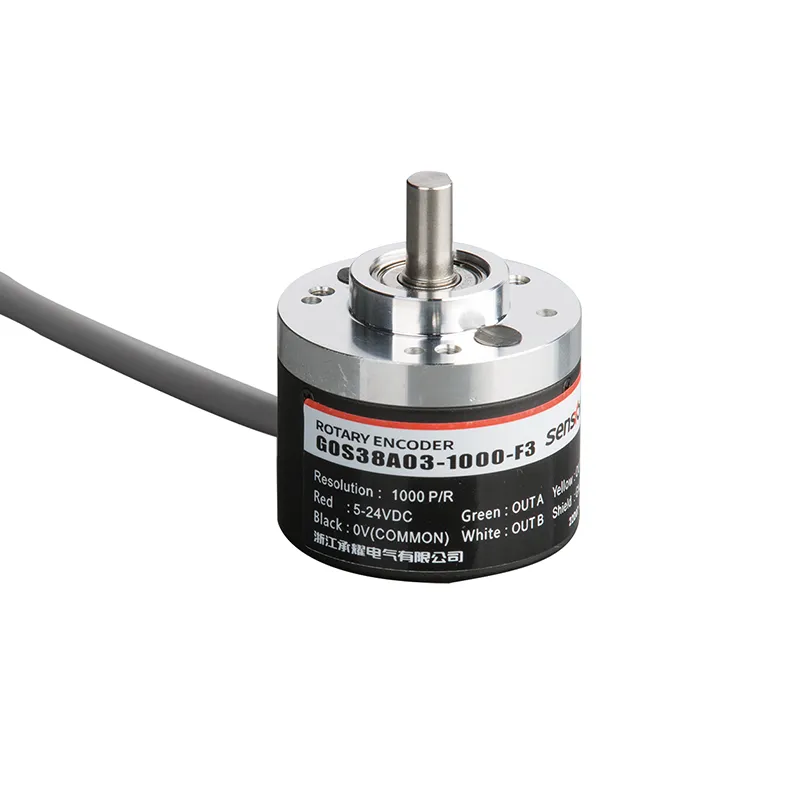
An IP65 encoder is a robust motion sensing device designed to operate reliably in dusty and water-exposed environments. It combines precision measurement with strong environmental protection, making it ideal for industrial applications where standard encoders may fail.
In industries such as manufacturing, automation, and robotics, an IP65 encoder ensures consistent performance even under harsh conditions. This level of protection makes it a preferred choice for engineers who need durability without compromising accuracy.
What Does IP65 Mean in Encoders
The term “IP65” refers to an international protection rating defined by the International Electrotechnical Commission.
IP = Ingress Protection
6 = पूर्ण防尘(完全防止灰尘进入)
5 = 防水喷射(可承受低压水流)
This means an IP65 encoder is fully protected against dust and resistant to water jets from any direction.
How an Encoder Works
Encoders convert mechanical motion into electrical signals.
Signal Detection Mechanism
The encoder detects movement using optical or magnetic sensing technology.
Feedback System
Signals are transmitted to a controller, enabling precise monitoring of position and speed.
Types of IP65 Encoder
Optical Encoder
High accuracy
Suitable for clean but sealed environments
Magnetic Encoder
More resistant to contamination
Ideal for outdoor or industrial settings
Incremental vs Absolute Encoder
Type
Function
Incremental
Tracks relative motion
Absolute
Provides exact position
Key Components of Encoder Systems
An IP65 encoder typically includes:
Sensor unit
Code disc or magnetic ring
Signal processor
Each component is sealed to maintain the IP65 protection level.
Industrial Applications
Manufacturing Automation
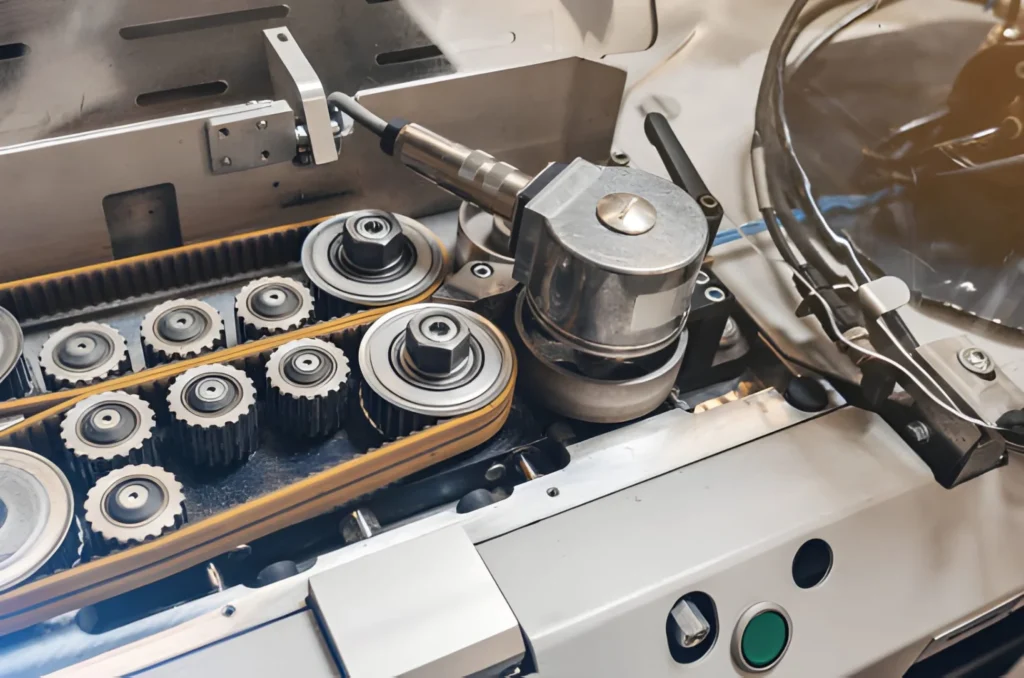
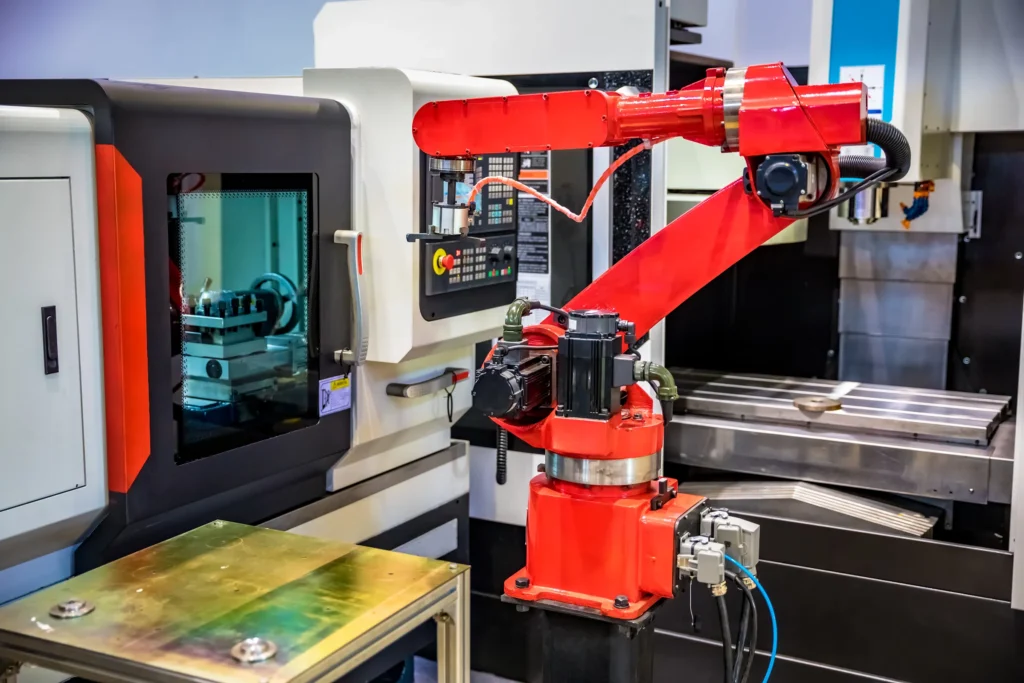
Used in conveyor systems and robotic arms.
Food and Beverage Industry
An IP65 encoder is ideal where washdowns are frequent.
Packaging Systems
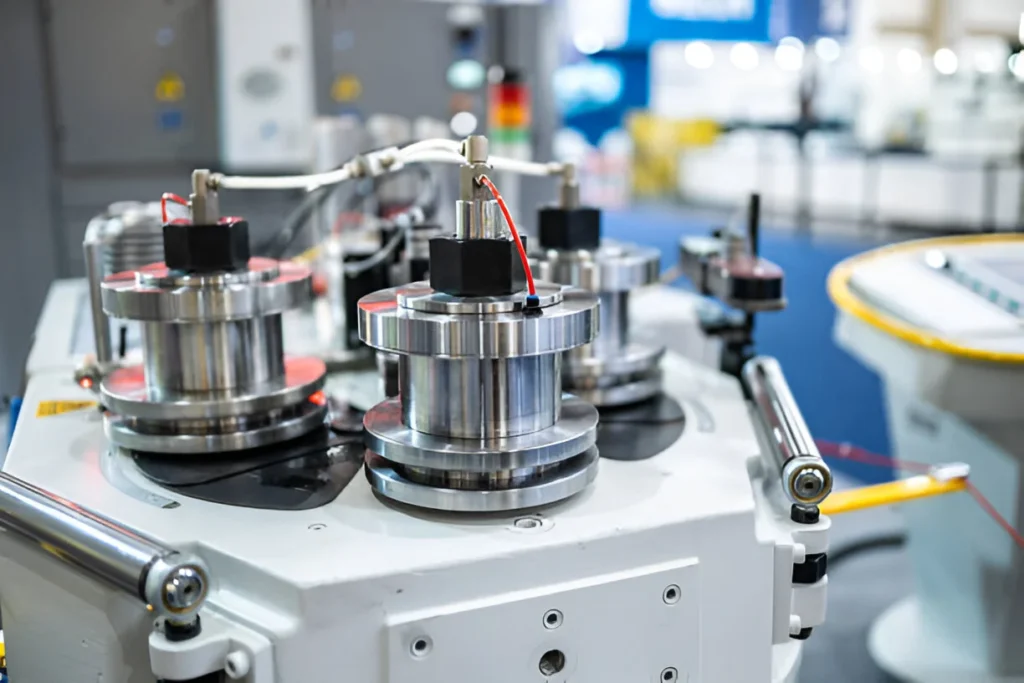
Ensures accurate positioning in high-speed operations.
Outdoor Machinery
Reliable in construction and agricultural equipment.
Advantages of Using IP65 Encoder
Durability
The sealed design protects against dust and water.
Reliability
Consistent performance even in challenging environments.
Reduced Downtime
Less maintenance leads to higher productivity.
Limitations and Considerations
Not Fully Waterproof
An IP65 encoder is not suitable for full submersion.
Cost Factor
Slightly more expensive than lower-rated encoders.
Comparison with Other Protection Ratings
Rating
Protection Level
IP54
Limited dust/water protection
IP65
Dust-tight + water jets
IP67
Submersible
Installation Best Practices
Ensure proper sealing during installation
Avoid direct high-pressure water exposure
Mount securely to reduce vibration
Maintenance Tips
Regular inspection
Clean external surfaces
Check sealing integrity
Future Trends
Modern encoder technology is evolving with:
Smart sensors
IoT connectivity
Compact designs
Buying Guide
Key Factors to Consider
Protection rating
Accuracy requirements
Environmental conditions
Choosing the Right Encoder
Select an IP65 encoder based on your operational environment and performance needs.
An IP65 encoder is a reliable and durable solution for motion sensing in harsh environments. It offers the perfect balance between protection and precision, making it a valuable component in modern industrial systems.
Table of Contents Replace Autonics Encoder for Industrial Applications Replace Autonics encoder projects are becoming increasingly common as manufacturers seek cost-effective alternatives, shorter lead times, and improved performance. Choosing the right solution to replace Autonics encoder products requires careful evaluation of specifications, mounting dimensions, output signals, and environmental requirements. Many industrial facilities prefer to replace […]
Table of Contents Introduction encoder OEM manufacturer is a critical partner in industrial automation and motion control systems. encoder OEM manufacturer provides customized encoder solutions designed for specific machinery requirements, ensuring precision, durability, and system compatibility. Many industries rely on encoder OEM manufacturer services to achieve high-performance automation systems. What is an Encoder OEM Manufacturer […]
Introduction to Rotary Encoder Manufacturer China A rotary encoder manufacturer China plays an important role in today’s industrial automation industry by providing accurate motion feedback solutions for machines, robots, production lines, and control systems. As global industries continue to demand higher precision and improved efficiency, manufacturers require reliable encoder products that can measure speed, position, […]
We use cookies to enhance your browsing experience, serve personalised ads or content, and analyse our traffic. By clicking "Accept All", you consent to our use of cookies.