24V Encoder: 15 Smart Insights for Reliable Industrial Performance
H2
Introduction to 24V Encoder
H2
How Encoder Systems Work
H2
Types of Encoders Explained
H2
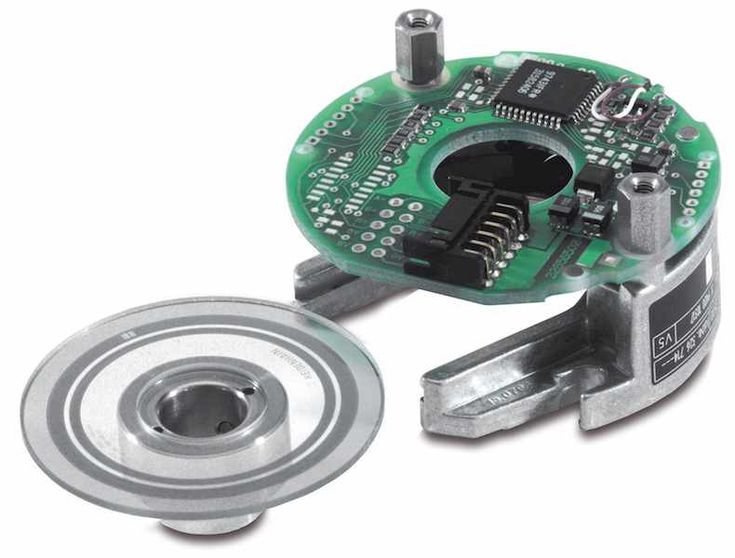
Key Components Inside an Encoder
H2
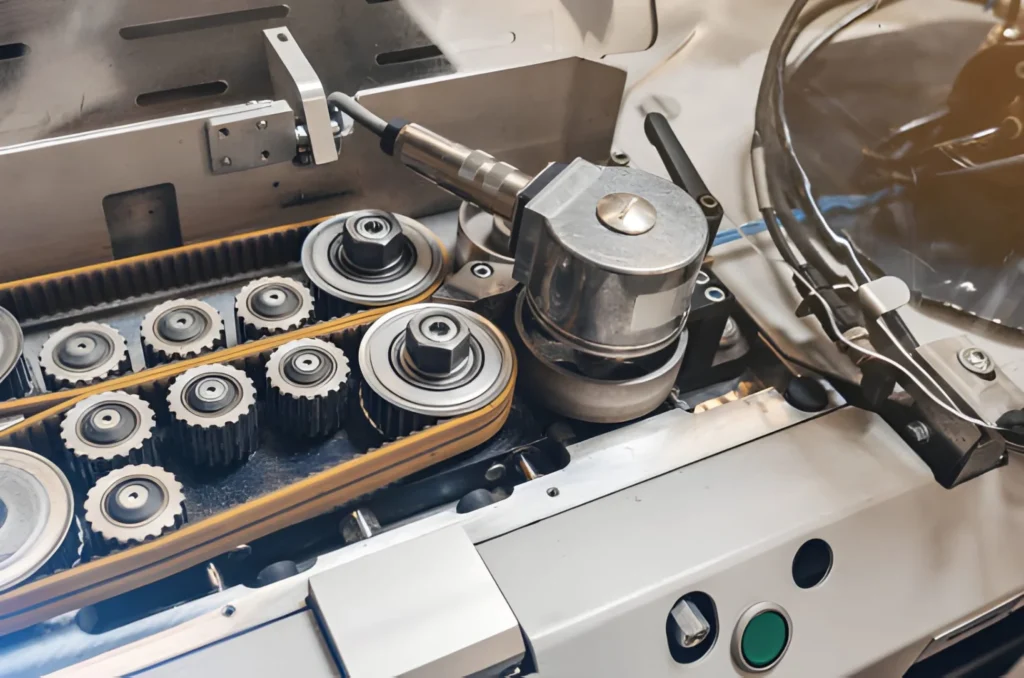
Industrial Applications
H2
Advantages of Using This Technology
H2
Common Challenges
H2
Comparison with Other Voltage Encoders
H2
Installation Best Practices
H2
Maintenance Tips
H2
Future Trends
H2
Buying Guide
H2
FAQs
H2
Conclusion
Introduction to 24V Encoder
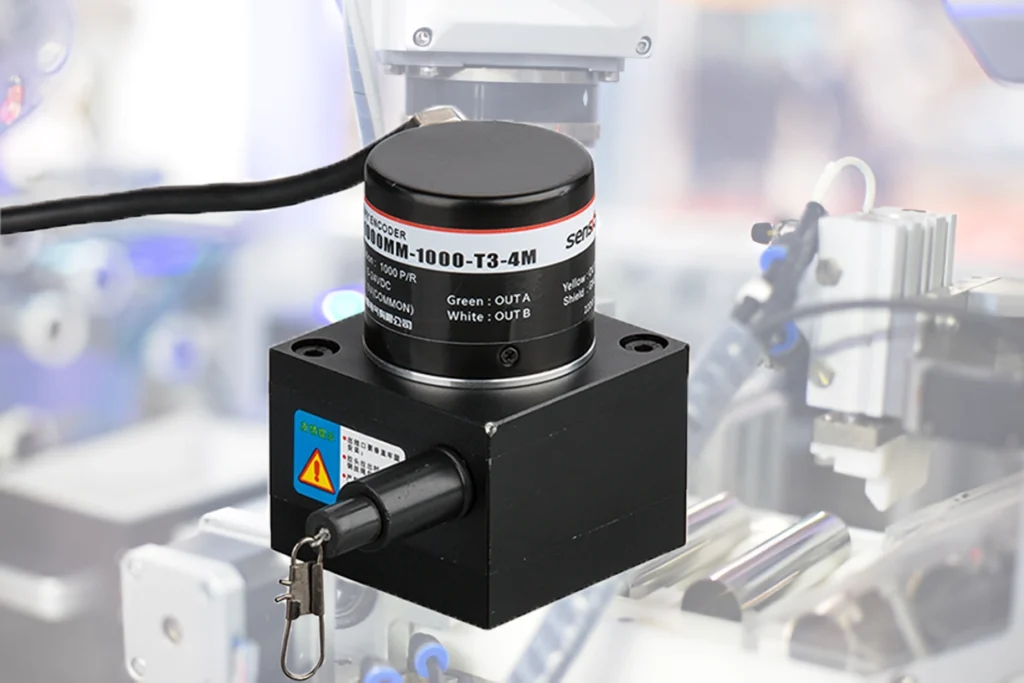
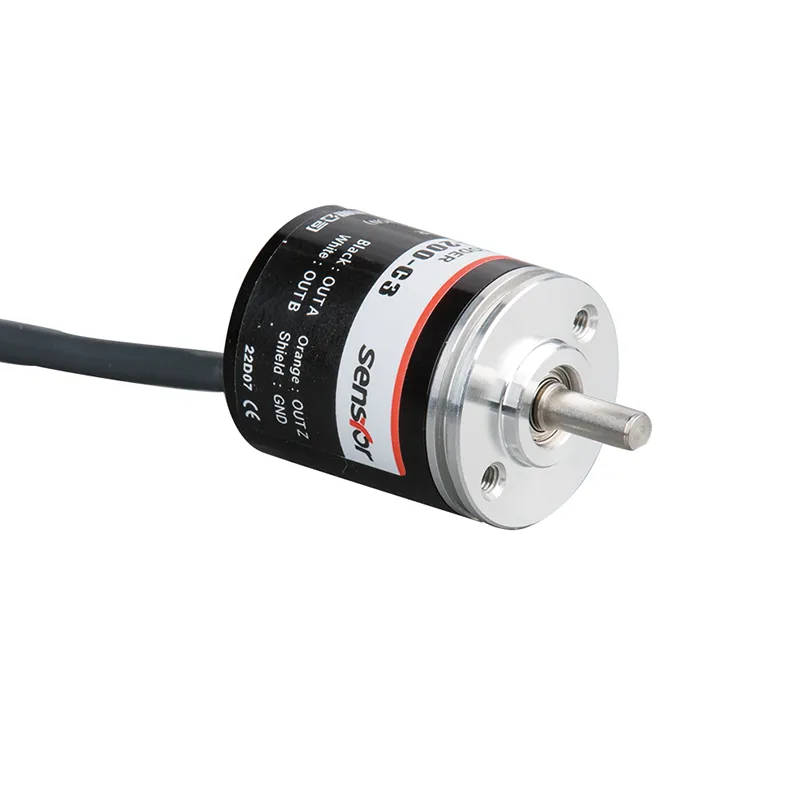
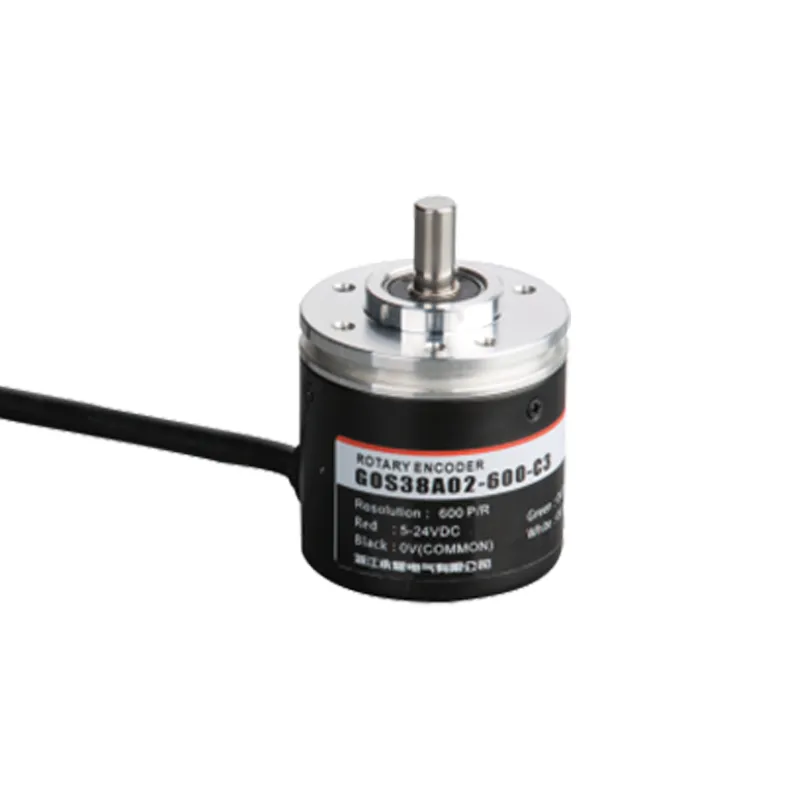
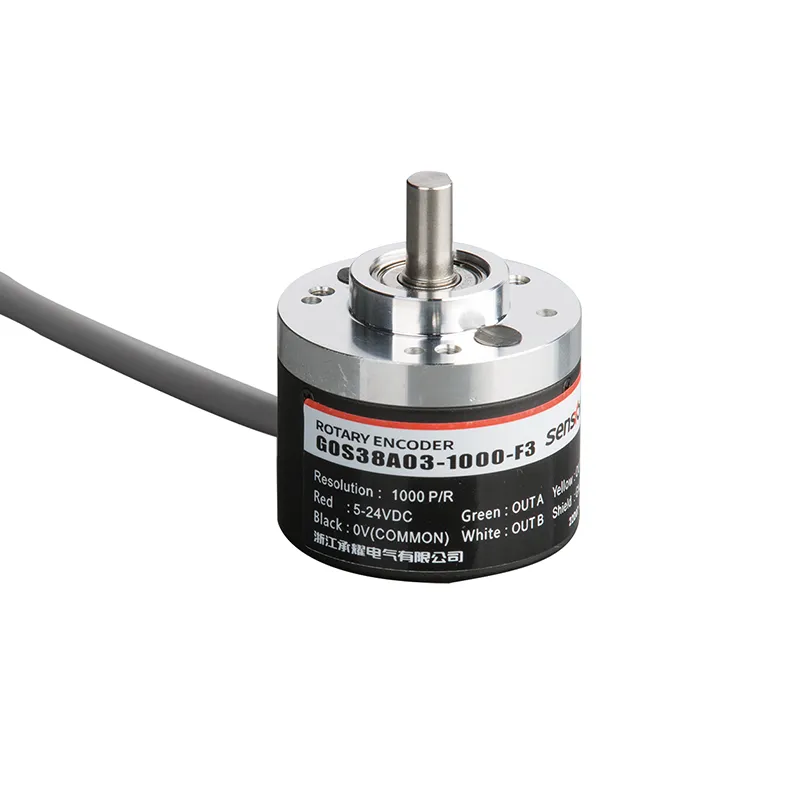
A 24V encoder is a motion feedback device that operates using a 24-volt power supply, commonly used in industrial automation systems. It converts mechanical motion into electrical signals, enabling precise control of position, speed, and direction.
In modern factories and smart systems, a 24V encoder plays a key role in ensuring machines operate efficiently and accurately. Its compatibility with industrial control systems makes it one of the most widely used encoder types today.
How Encoder Systems Work
Encoders detect motion and translate it into signals that control systems can interpret.
Signal Conversion Process
The device tracks movement and generates electrical pulses. These pulses are processed to determine speed and position.
Role of Voltage in Performance
The 24V supply ensures:
Stable signal transmission
Reduced electrical noise
Reliable operation in industrial environments
Types of Encoders Explained
Different encoder technologies serve different purposes.
Optical Encoders
Use light beams to detect motion and provide high accuracy.
Magnetic Encoders
Operate using magnetic fields and perform well in harsh conditions.
Absolute vs Incremental
Type
Function
Absolute
Provides exact position
Incremental
Tracks movement changes
Key Components Inside an Encoder
A typical encoder includes:
Sensor unit
Code disc or scale
Signal processor
These components work together to deliver accurate motion feedback.
Industrial Applications
Automation Systems
Used in conveyor belts, robotic arms, and production lines.
CNC Machinery
Ensures precision cutting and positioning.
Packaging Industry
Improves speed and synchronization in packaging systems.
Advantages of Using This Technology
Stable Power Supply
A 24V system offers reliable performance across industrial environments.
High Accuracy
Ensures precise control in critical operations.
Durability
Designed to withstand dust, vibration, and temperature changes.
Common Challenges
Electrical Interference
Noise can affect signal accuracy if shielding is poor.
Installation Errors
Incorrect alignment may lead to inaccurate readings.
It is used for motion tracking and control in industrial systems.
2. Why use 24V instead of 5V?
24V provides better stability and noise resistance.
3. Are 24V encoders durable?
Yes, they are designed for harsh industrial environments.
4. Can it be used in robotics?
Yes, it is widely used in robotic systems.
5. Does it require maintenance?
Yes, regular checks improve performance.
6. Is installation difficult?
Proper setup is important but manageable with guidance.
Conclusion
A 24V encoder is a reliable and essential component in modern industrial systems. It offers high accuracy, durability, and compatibility with automation technologies.
Whether you are upgrading machinery or designing a new system, choosing the right encoder can significantly improve performance and efficiency.
Table of Contents Introduction Encoder ODM supplier services are becoming increasingly important in industrial automation and smart manufacturing. An encoder ODM supplier provides customized encoder development, manufacturing, and design solutions for businesses that require high-performance motion feedback systems. A professional encoder ODM supplier helps companies reduce production costs, accelerate product development, and improve system reliability. […]
Industrial automation systems operate in environments where dust, moisture, vibration, and temperature changes are common. Choosing the right position feedback device is critical for maintaining productivity and reducing downtime. An IP65 encoder offers an effective balance between environmental protection, precision, and affordability. These devices are widely used in manufacturing equipment, packaging machines, conveyor systems, and […]
Table of Contents Introduction to 38mm Rotary Encoder 38mm rotary encoder technology is widely used in industrial automation systems that require compact size and precise motion feedback. A 38mm rotary encoder converts rotational movement into electrical signals, allowing machines to monitor speed, direction, and shaft position with high accuracy. Because of its compact design, the […]
We use cookies to enhance your browsing experience, serve personalised ads or content, and analyse our traffic. By clicking "Accept All", you consent to our use of cookies.