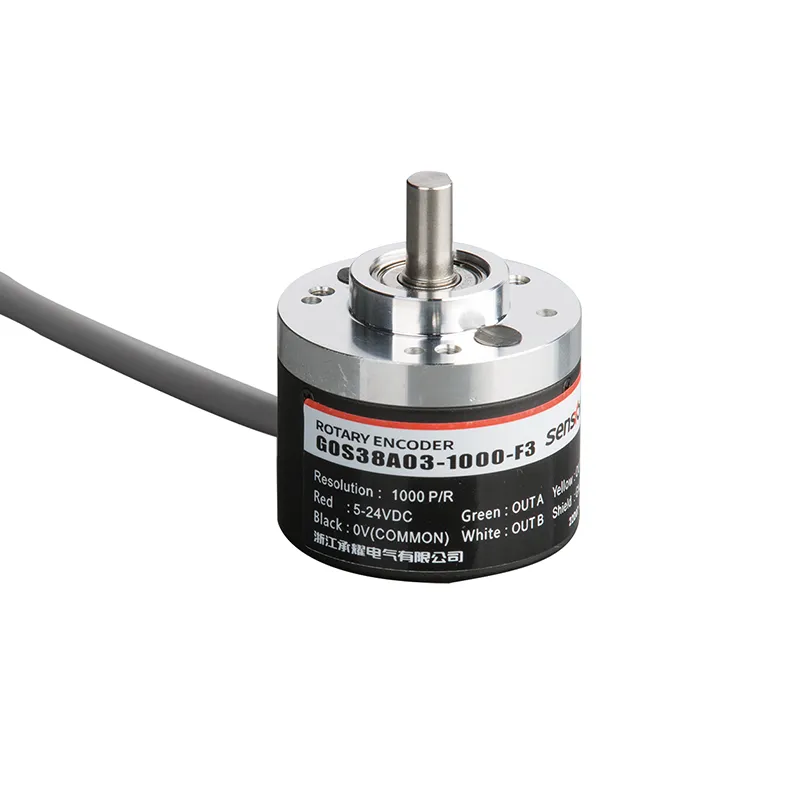
ISO9001 Encoder: Complete Guide to Certified Precision
H2
Introduction to ISO9001 encoder
H3
What is an ISO9001 encoder
H3
Why ISO9001 certification matters
H2
How ISO9001 encoder ensures quality
H3
Quality management principles
H3
Manufacturing standards
H2
Types of encoders used in ISO9001 systems
H3
Optical encoders
H3
Magnetic encoders
H3
Absolute vs incremental encoders
H2
Key components of encoder systems
H3
Sensors and discs
H3
Signal processing units
H2
Applications of ISO9001 encoder
H3
Industrial automation
H3
Robotics
H3
CNC machinery
H2
Benefits of ISO9001 encoder
H3
Quality assurance
H3
Reliability
H3
Compliance
H2
Challenges and considerations
H3
Cost factors
H3
Certification requirements
H2
ISO9001 encoder vs non-certified encoder
H3
Key differences
H3
Performance comparison
H2
Installation and maintenance tips
H3
Calibration
H3
Inspection
H2
Future trends in encoder technology
H3
Smart manufacturing
H3
IoT integration
H2
Buying guide for ISO9001 encoder
H3
Key features to consider
H3
Selecting the right encoder
H2
FAQs
H2
Conclusion
Introduction to ISO9001 encoder
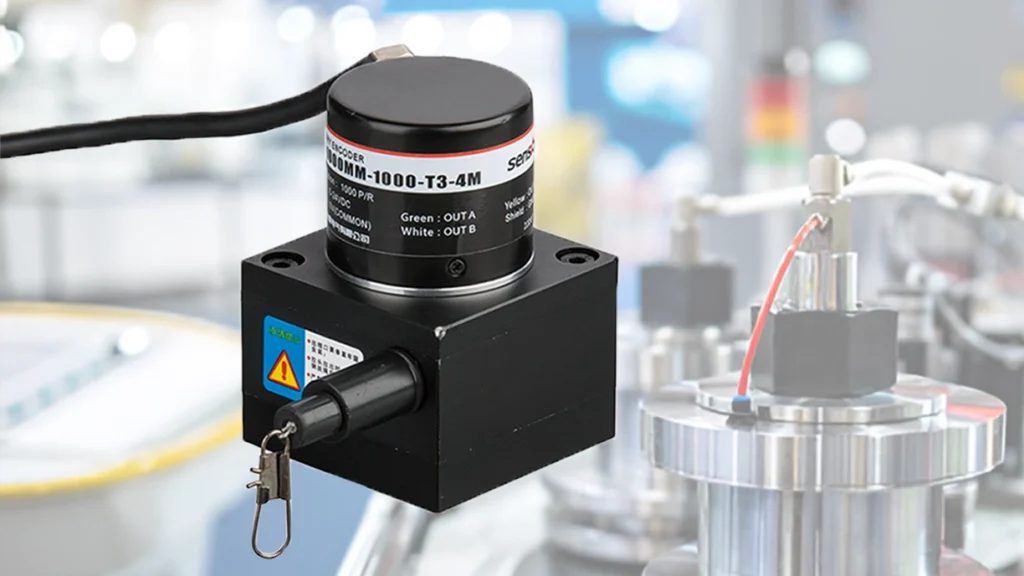
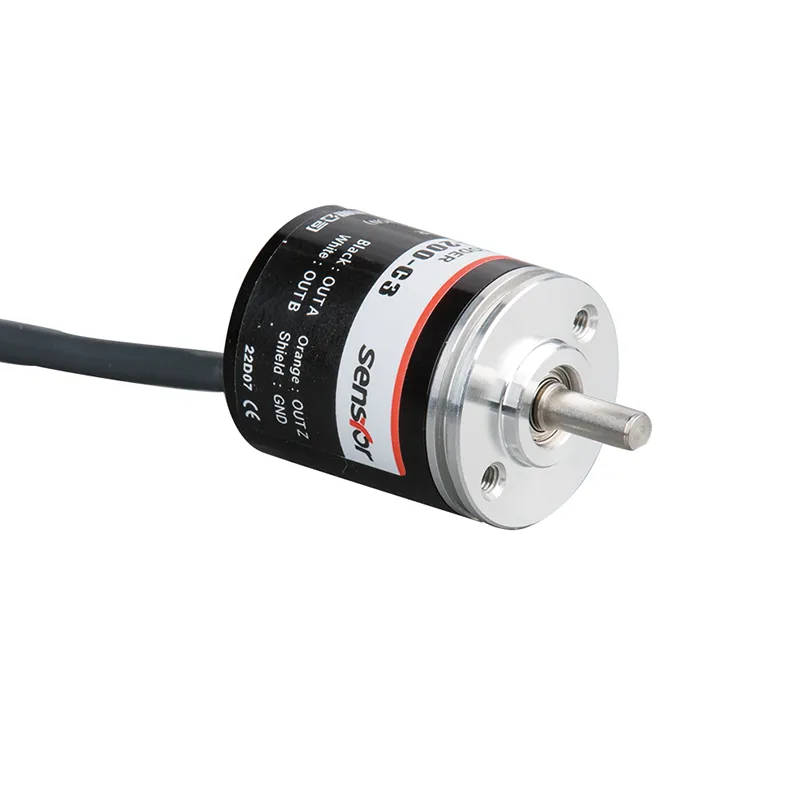
An ISO9001 encoder is a motion sensing device manufactured under the quality management standards defined by International Organization for Standardization. This certification ensures that the encoder meets strict quality, consistency, and reliability requirements.
In industries where precision and repeatability are critical, using an ISO9001 encoder guarantees better performance, reduced defects, and improved system efficiency.
What is an ISO9001 encoder
An ISO9001 encoder is not a different type of encoder in terms of function, but rather one produced under ISO9001-certified processes. This means:
Strict quality control
Consistent manufacturing
Traceability of components
Why ISO9001 certification matters
ISO9001 certification ensures that manufacturers follow internationally recognized quality management systems. This results in:
Higher product reliability
Better customer satisfaction
Reduced operational risks
How ISO9001 encoder ensures quality
Quality management principles
ISO9001 focuses on continuous improvement, process control, and customer satisfaction. These principles ensure that every ISO9001 encoder meets high standards.
Manufacturing standards
Certified facilities follow strict production guidelines, including testing, inspection, and documentation.
Types of encoders used in ISO9001 systems
Optical encoders
Provide high accuracy using light-based detection.
Magnetic encoders
Offer durability in harsh environments.
Absolute vs incremental encoders
Type
Description
Absolute
Provides exact position
Incremental
Tracks movement changes
Key components of encoder systems
Sensor unit
Code disc
Signal processor
Each component contributes to the performance of an ISO9001 encoder.
Applications of ISO9001 encoder
Industrial automation
Ensures precise motion control in manufacturing.
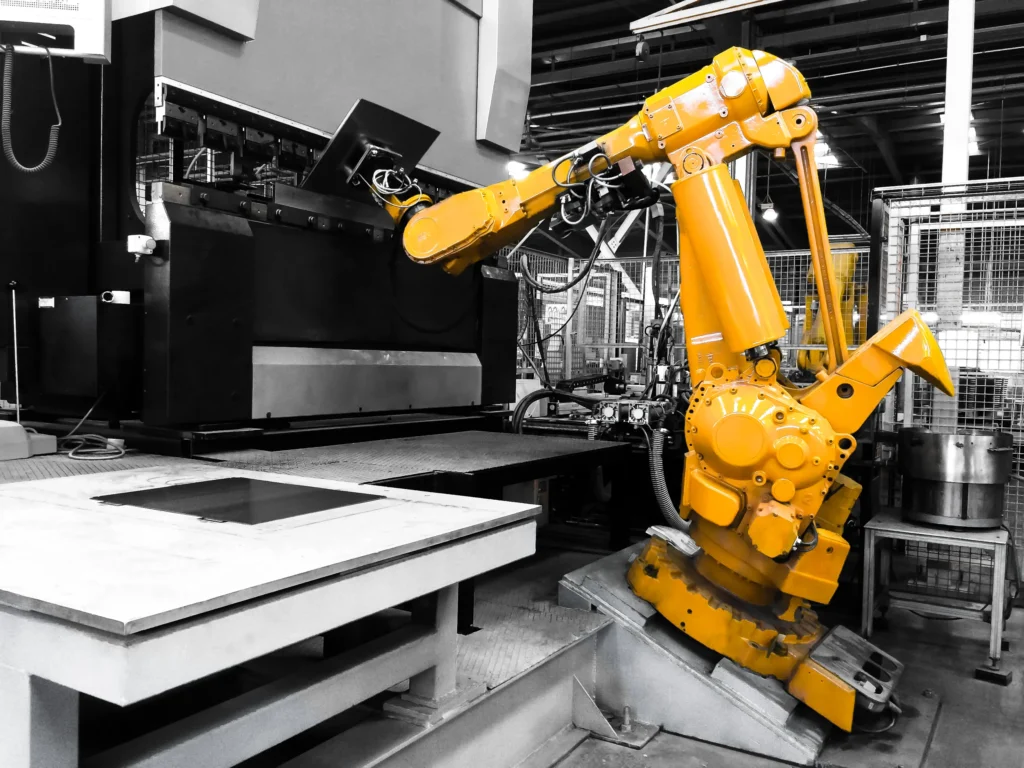
Robotics
Provides accurate positioning for robotic arms.
CNC machinery
Supports high-precision machining operations.
Benefits of ISO9001 encoder
Quality assurance
An ISO9001 encoder guarantees consistent performance.
Reliability
Reduced failure rates and longer lifespan.
Compliance
Meets international standards and regulations.
Challenges and considerations
Cost factors
Certified products may have higher upfront costs.
Certification requirements
Manufacturers must maintain strict compliance.
ISO9001 encoder vs non-certified encoder
Feature
ISO9001 Encoder
Non-Certified Encoder
Quality Control
Strict
Variable
Reliability
High
Moderate
Traceability
Yes
Limited
Installation and maintenance tips
Ensure proper alignment
Perform regular calibration
Conduct periodic inspections
Future trends in encoder technology
Smart manufacturing
Encoders are becoming part of intelligent production systems.
IoT integration
Connected encoders enable real-time monitoring.
Buying guide for ISO9001 encoder
When selecting an ISO9001 encoder, consider:
Resolution
Environmental conditions
Output signal type
For official standards, refer to: 👉 https://www.iso.org/ (DoFollow external link)
It is an encoder manufactured under ISO9001 quality standards.
2. Is ISO9001 encoder better?
Yes, it ensures higher reliability and consistency.
3. Does ISO9001 affect performance?
It improves quality control but not the core function.
4. Where are ISO9001 encoders used?
In industrial automation, robotics, and CNC systems.
5. Are ISO9001 encoders expensive?
They may cost more but offer better long-term value.
6. How to verify ISO9001 certification?
Check manufacturer certification documents.
Conclusion
An ISO9001 encoder represents a commitment to quality, reliability, and global standards. For industries that demand precision and consistency, choosing certified components is a smart and strategic investment.
Table of Contents Introduction to CNC Machine Encoder CNC machine encoder technology is essential in modern manufacturing and industrial automation systems. A CNC machine encoder provides accurate motion feedback, helping CNC equipment maintain precise positioning and speed control during operation. Without a reliable CNC machine encoder, machining errors and positioning inaccuracies can reduce production quality. […]
Table of Contents Understanding Industrial Encoder Technology Modern automation systems require accurate motion feedback to maintain efficiency, safety, and productivity. A heavy duty encoder is designed specifically for industrial environments where standard sensing devices may not provide enough reliability. Factories, production lines, cranes, mining equipment, and energy systems often operate under challenging conditions. Dust, vibration, […]
Table of Contents What Is a 24V long distance transmission encoder? A 24V long distance transmission encoder is a specialized industrial sensing device designed to provide accurate motion feedback while maintaining stable signal transmission over extended cable distances. In modern automation systems, machines often require precise information about position, speed, and rotation. However, when sensors […]
We use cookies to enhance your browsing experience, serve personalised ads or content, and analyse our traffic. By clicking "Accept All", you consent to our use of cookies.