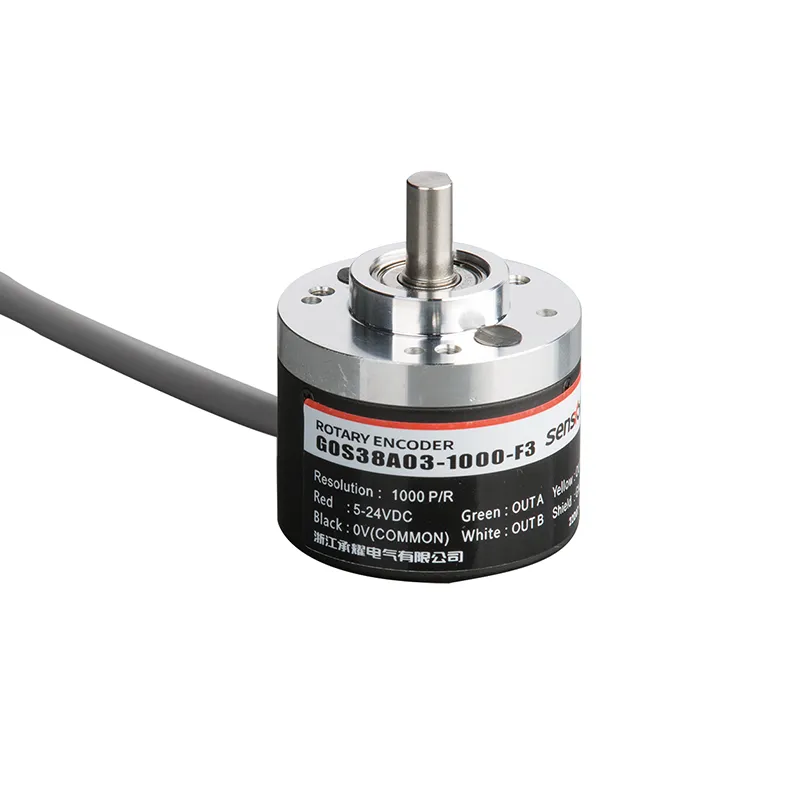
A long distance encoder is an advanced industrial sensing device designed for accurate signal transmission over extended distances. In modern automation systems, a long distance encoder plays a key role in ensuring stable communication between machinery and control units.
Industries rely on a long distance encoder to maintain precision even when equipment is located far from control systems. This makes it essential in mining, energy, manufacturing, and large-scale automation plants.
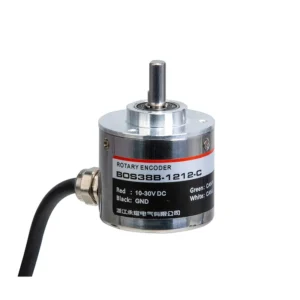
A industrial encoder is a rotary sensor that converts mechanical motion into electrical signals and transmits them across long cable distances without signal loss.
Unlike standard encoders, a industrial encoder is engineered to reduce interference and maintain signal stability in large industrial setups.
How It Works
A rotary encoder system works through:
Motion detection (shaft rotation)
Signal conversion (electrical pulses or digital data)
Transmission over long cables
Signal conditioning to prevent loss
This ensures that even when machinery is far away, the rotary encoder system delivers accurate feedback.
Key Features of Motion Feedback System
High signal stability
Noise-resistant transmission
Industrial-grade durability
Strong EMI protection
Compatible with automation systems
A motion feedback sensor is designed for environments where standard encoders fail due to distance limitations.
Types of Position Sensing Device
Incremental Type
Used for speed and movement tracking.
Absolute Type
Provides precise position data even after power loss.
A modern motion feedback sensor may also support digital communication protocols like SSI or CANopen.
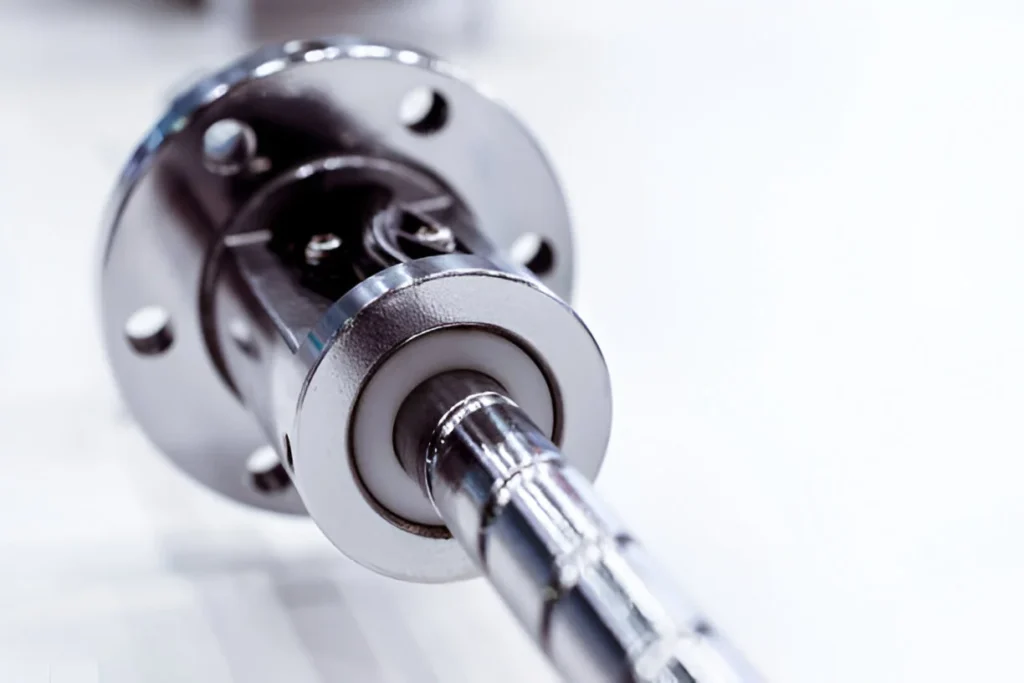
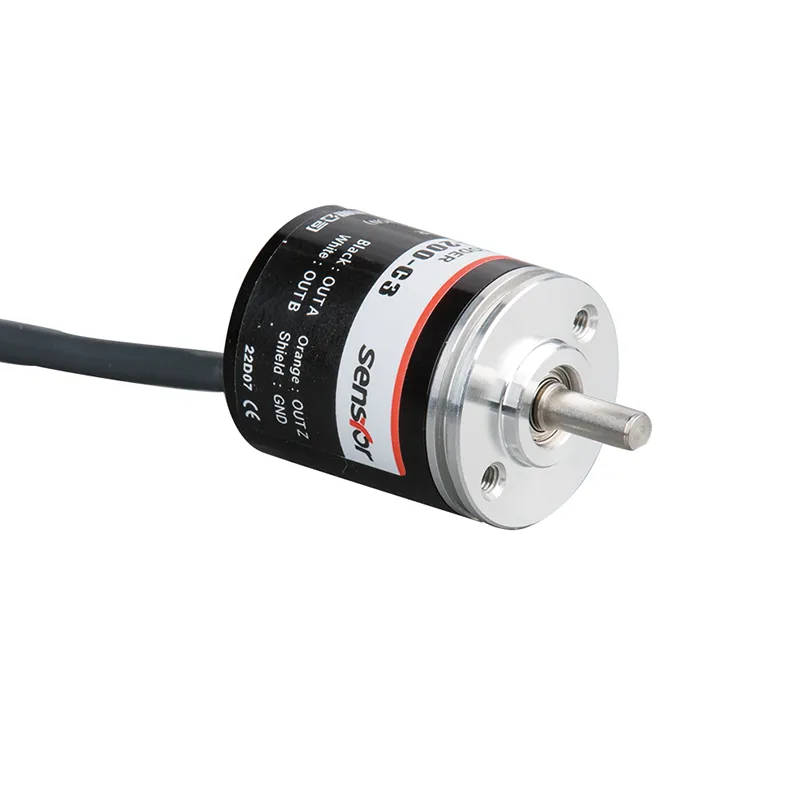
Industrial long distance encoder ensuring stable data transmission in automation environments
Industrial Applications
A industrial position sensor is widely used in:
Steel production lines
Mining machinery
Conveyor systems
Wind energy systems
Automated warehouses
In each case, the industrial position sensor ensures stable feedback across large distances.
Benefits of Rotary Sensor System
Reliable long-range signal transmission
Reduced maintenance cost
High precision control
Improved system efficiency
Strong resistance to interference
A long-range encoder system significantly improves automation performance in large-scale systems.
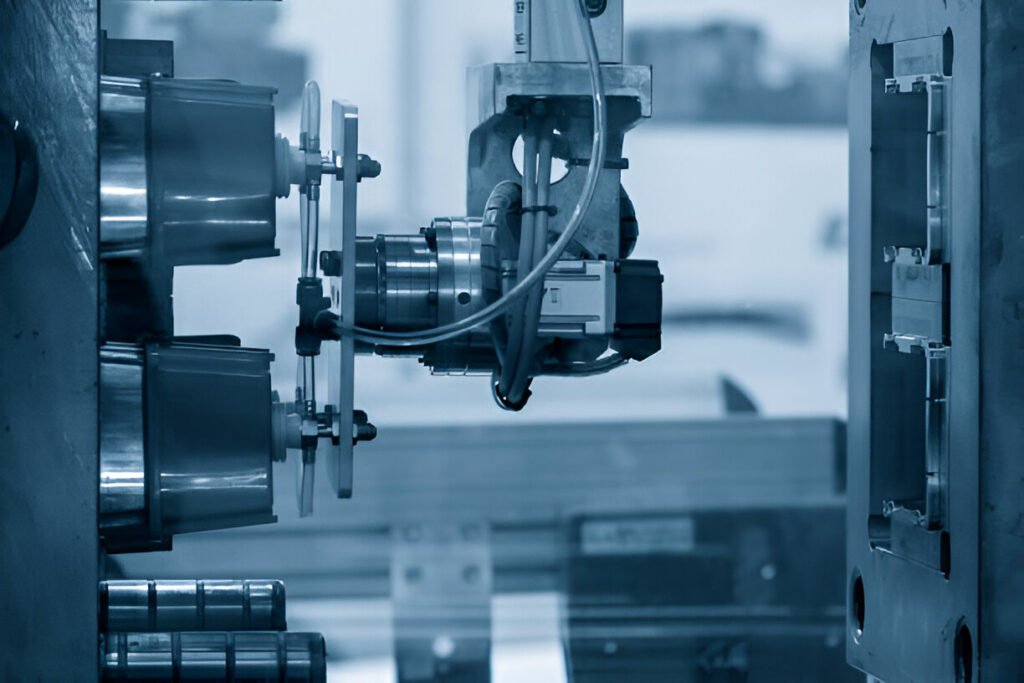
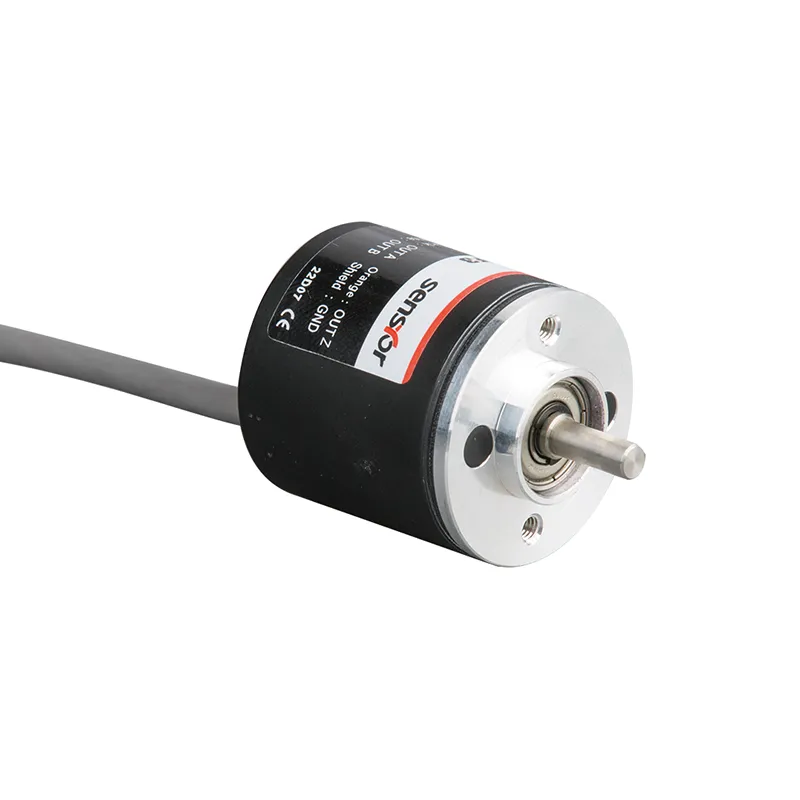
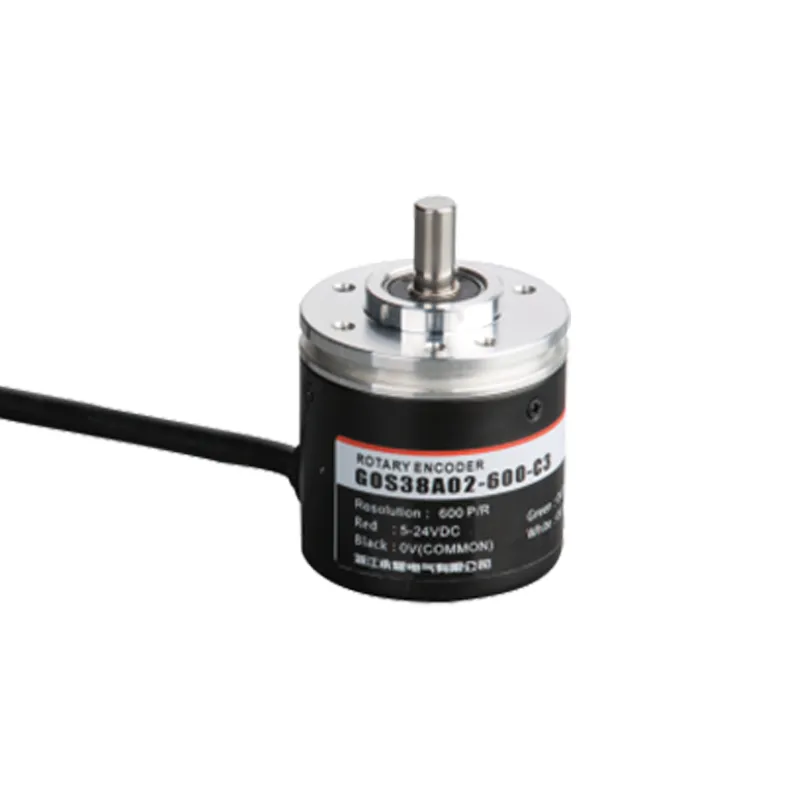
Heavy-duty long distance encoder used in mining and manufacturing automation systems
Installation Guide
Proper installation ensures the best performance of a long-range encoder system:
Use shielded cables
Avoid electromagnetic interference
Secure mounting alignment
Ensure proper grounding
Incorrect installation may reduce the performance of a long-range encoder system.
These improve trust signals for encoder device topic relevance.
FAQ – Automation Feedback Unit
What is a long distance encoder used for?
It is used for transmitting motion signals over long distances in industrial systems.
Where is long distance encoder used?
It is commonly used in mining, automation, and manufacturing.
What makes long distance encoder different?
It supports long-range signal transmission without data loss.
Is long distance encoder reliable?
Yes, it is designed for high stability and industrial durability.
Can long distance encoder work in harsh environments?
Yes, it is built for vibration, dust, and electromagnetic resistance.
Future Trends of Long Distance Encoder Technology
The future of industrial automation is closely connected with advanced sensing technologies. A encoder device will continue to evolve as industries demand higher precision, faster communication, and stronger resistance to harsh environments.
One important trend is the integration of smart diagnostic functions. Modern systems will allow a long distance encoder to monitor its own performance and detect potential faults before failures occur. This helps reduce downtime and improves overall system efficiency.
Another trend is the adoption of industrial communication protocols such as EtherCAT, PROFINET, and CANopen. These technologies allow a long distance encoder to transmit data more efficiently in real time, especially in large-scale automation networks.
In addition, miniaturization and energy efficiency are becoming key development goals. Future designs will make the long distance encoder more compact while maintaining high durability and accuracy.
Overall, the long distance encoder will remain a critical component in next-generation industrial systems, supporting smarter and more connected manufacturing environments.
Conclusion
A long distance encoder is an essential component in modern industrial automation. It ensures stable communication, accurate motion tracking, and reliable system performance even in large-scale environments.
Introduction to 1000PPR Encoder A 1000PPR encoder is a motion sensing device that generates 1000 pulses per revolution, allowing precise measurement of position, speed, and direction. In modern automation systems, using a 1000PPR encoder helps improve control accuracy and ensures smooth machine operation across industries such as robotics, CNC machining, and manufacturing. Understanding Encoder Resolution […]
Table of Contents Introduction to IP65 Encoder IP65 encoder technology is widely used in industrial automation systems where protection against dust and water is essential. An IP65 encoder is designed to operate reliably in harsh industrial environments while maintaining accurate position and speed feedback. The durable structure of an IP65 encoder helps improve machine stability […]
Table of Contents Introduction A slim rotary encoder is a compact motion feedback device widely used in modern industrial automation systems where installation space is limited but precision is essential. These compact sensing devices help machines achieve accurate position and speed control while maintaining a small mechanical footprint. For professional encoder solutions, visit:👉 https://sensyorcoder.net/products/ What […]
We use cookies to enhance your browsing experience, serve personalised ads or content, and analyse our traffic. By clicking "Accept All", you consent to our use of cookies.