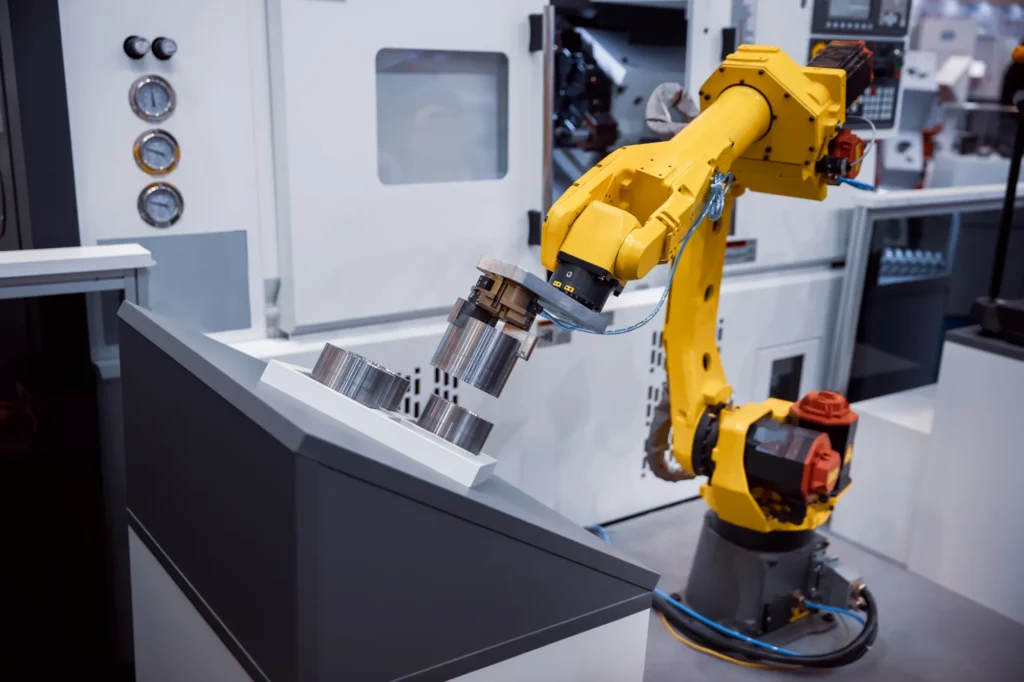
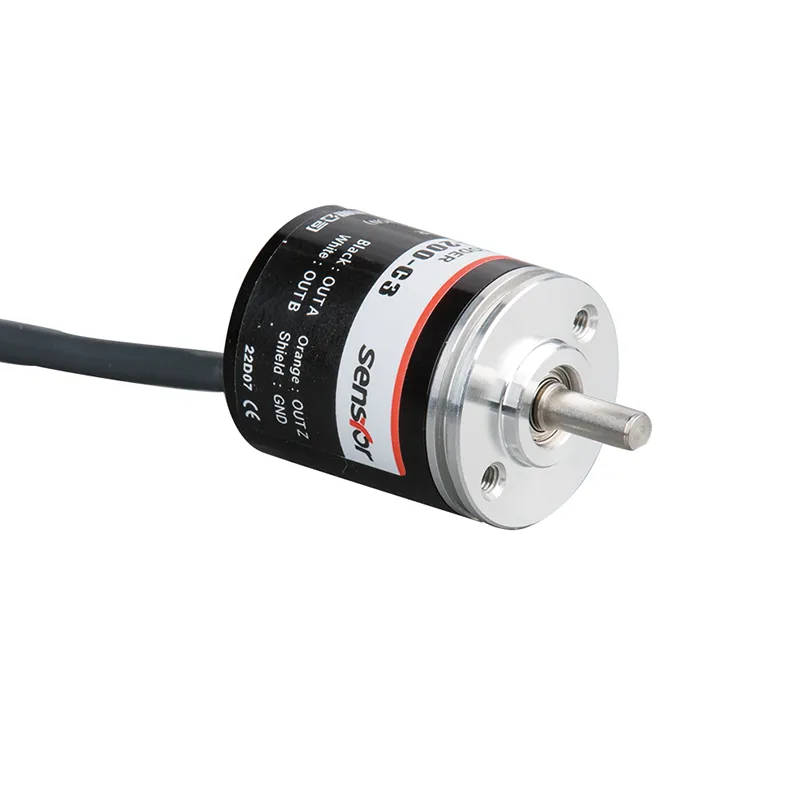
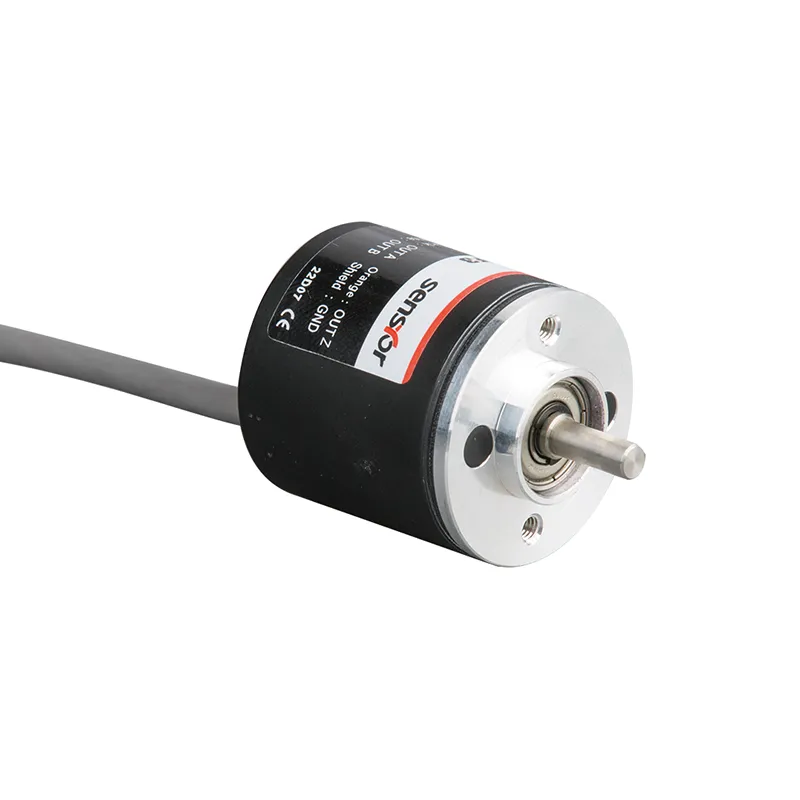
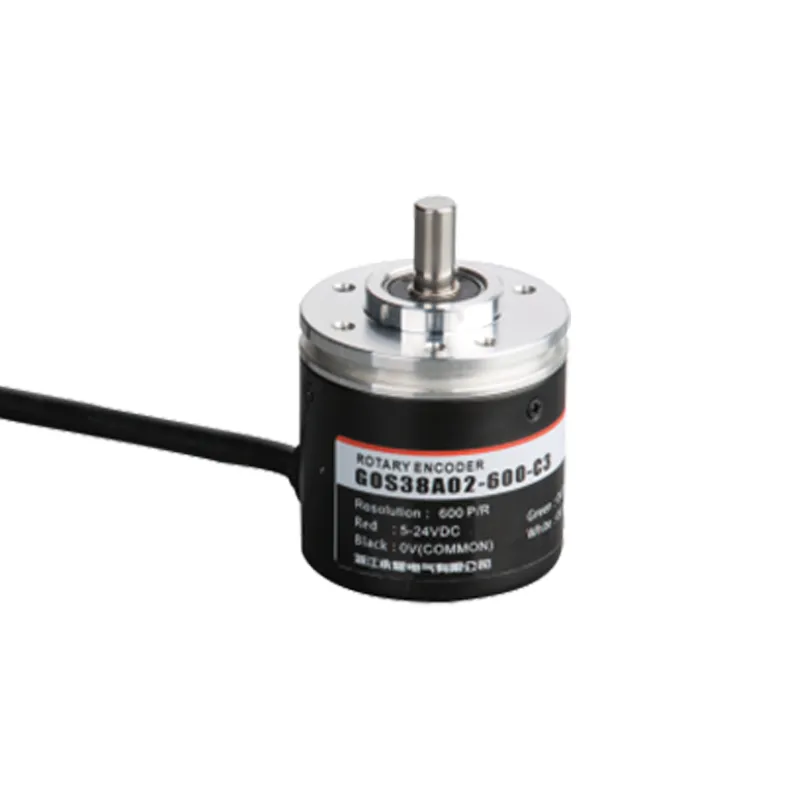
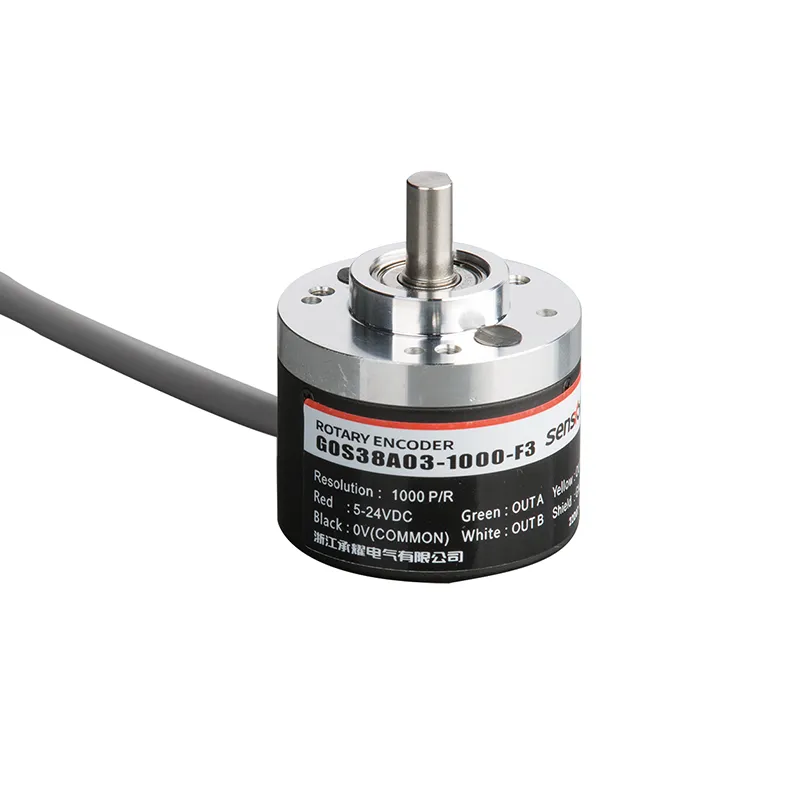
A 1000PPR encoder is a motion sensing device that generates 1000 pulses per revolution, allowing precise measurement of position, speed, and direction. In modern automation systems, using a 1000PPR encoder helps improve control accuracy and ensures smooth machine operation across industries such as robotics, CNC machining, and manufacturing.
Understanding Encoder Resolution and Performance
Resolution defines how accurately motion can be measured. A 1000 pulses-per-revolution device offers a good balance between precision and cost.
Why Resolution Matters in Motion Systems
Higher resolution improves positioning accuracy
Enables smoother motion control
Reduces mechanical errors
A 1000PPR encoder is widely used where moderate-to-high precision is required without excessive system complexity.
Working Principle of Incremental Encoders
A 1000PPR encoder typically operates as an incremental encoder, producing electrical pulses as the shaft rotates.
Pulse Generation Mechanism
Sensors detect movement and generate square wave signals.
Signal Interpretation in Control Systems
Controllers read these pulses to determine speed and position in real time.
Types of Encoders Used in Automation
Optical Encoder Technology
Uses light patterns for high accuracy.
Magnetic Encoder Solutions
Suitable for harsh environments with dust or vibration.
Absolute vs Incremental Designs
Incremental models like the 1000PPR encoder track relative movement, while absolute types provide exact positioning.
It is used for measuring position and speed in motion control systems.
2. Is 1000PPR enough for precision tasks?
Yes, it offers a good balance between accuracy and cost.
3. What industries use it?
Automation, robotics, and manufacturing.
4. What is the difference from higher PPR encoders?
Higher PPR provides more precision but increases cost.
5. Does it require maintenance?
Yes, periodic checks ensure optimal performance.
6. Can it work in harsh environments?
Magnetic versions are better suited for such conditions.
Conclusion
A 1000PPR encoder is a practical and efficient solution for motion control applications requiring reliable accuracy and cost-effectiveness. It plays a key role in modern automation systems and continues to evolve with advancements in smart technologies.
In the world of modern manufacturing and industrial automation, Incremental Shaft Encoder for accuracy and position tracking play a vital role. Whether it’s controlling the speed of a conveyor, monitoring the rotation of a robotic arm, or ensuring a CNC machine operates with micrometer-level precision, one small yet essential device makes it all possible — the incremental shaft encoder. But […]
Table of Contents Introduction to Magnetic Encoder Magnetic encoder technology is widely used in modern industrial automation systems because it provides reliable motion feedback in demanding environments. A magnetic encoder converts rotational movement into electrical signals using magnetic sensing technology. Compared to optical systems, a magnetic encoder offers better resistance to dust, moisture, oil, and […]
Table of Contents Introduction Modern automation systems depend on accurate position feedback to maintain efficiency, productivity, and quality. A high precision encoder plays a critical role in providing reliable motion data for industrial equipment, robotics, CNC machines, semiconductor manufacturing, and advanced positioning systems. As manufacturing processes become increasingly automated, the demand for higher accuracy continues […]
We use cookies to enhance your browsing experience, serve personalised ads or content, and analyse our traffic. By clicking "Accept All", you consent to our use of cookies.