Magnetic Encoder: 15 Essential Insights for Precision Motion Control
H2
Introduction to Magnetic Encoder
H3
What is a Magnetic Encoder
H3
Why Magnetic Encoders Matter
H2
How a Magnetic Encoder Works
H3
Magnetic Sensing Principle
H3
Signal Conversion Process
H2
Types of Magnetic Encoder
H3
Absolute Magnetic Encoder
H3
Incremental Magnetic Encoder
H2
Components of Magnetic Encoder
H3
Magnetic Sensor
H3
Code Disc or Ring
H3
Signal Processor
H2
Applications of Magnetic Encoder
H3
Industrial Automation
H3
Automotive Systems
H3
Robotics
H2
Benefits of Magnetic Encoder
H3
Durability
H3
Cost Efficiency
H3
Resistance to Harsh Conditions
H2
Limitations of Magnetic Encoder
H3
Lower Resolution than Optical
H3
Magnetic Interference
H2
Magnetic Encoder vs Optical Encoder
H3
Key Differences
H3
Performance Comparison
H2
Installation Tips
H3
Alignment
H3
Calibration
H2
Maintenance Guidelines
H3
Cleaning
H3
Inspection
H2
Future Trends
H3
Smart Sensors
H3
IoT Integration
H2
Buying Guide
H3
Features to Consider
H3
Choosing the Right Encoder
H2
FAQs
H2
Conclusion
Introduction to Magnetic Encoder
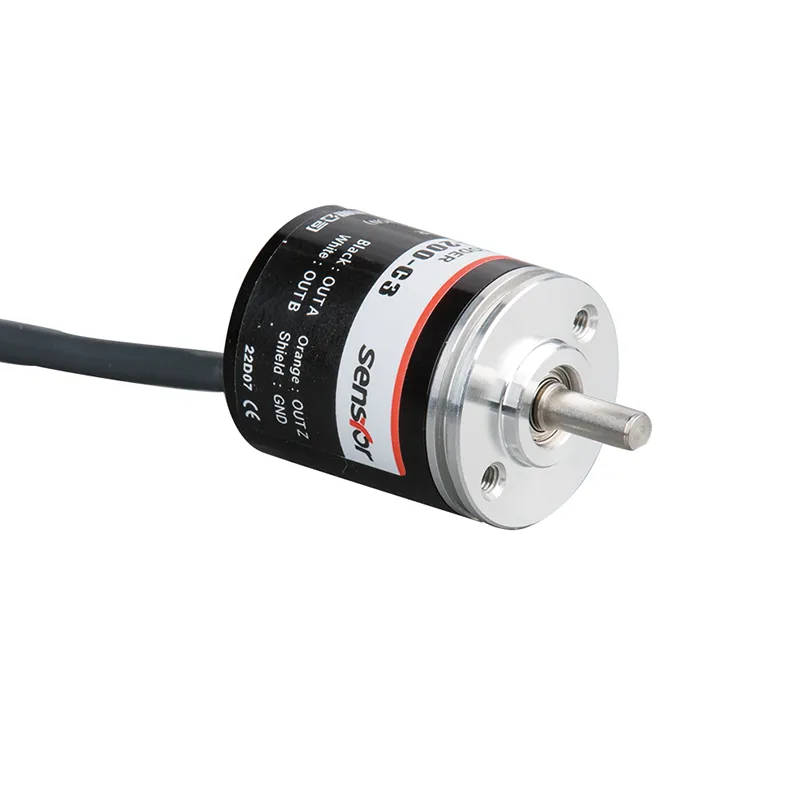
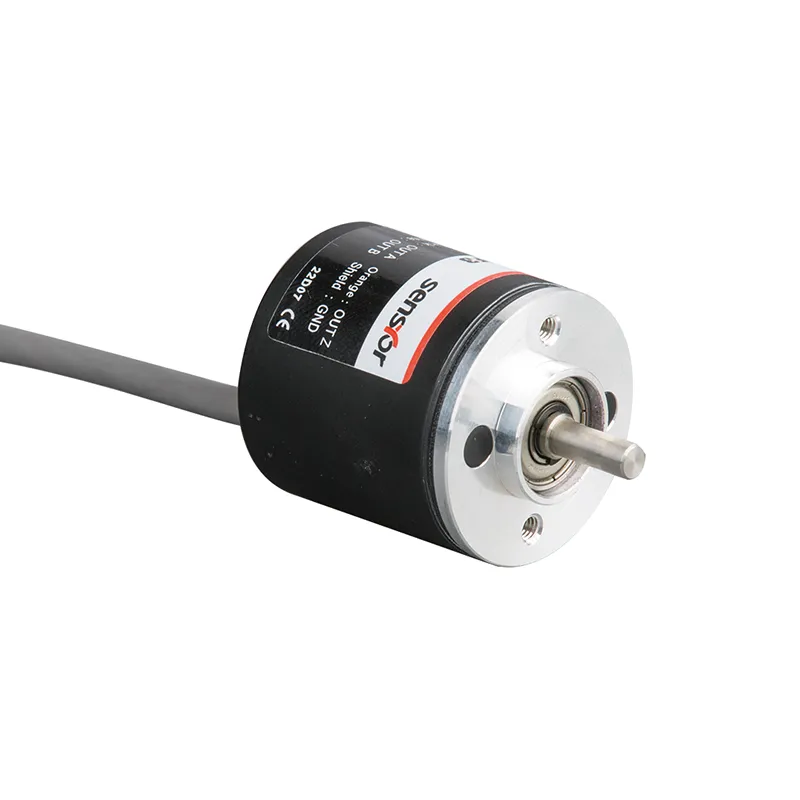
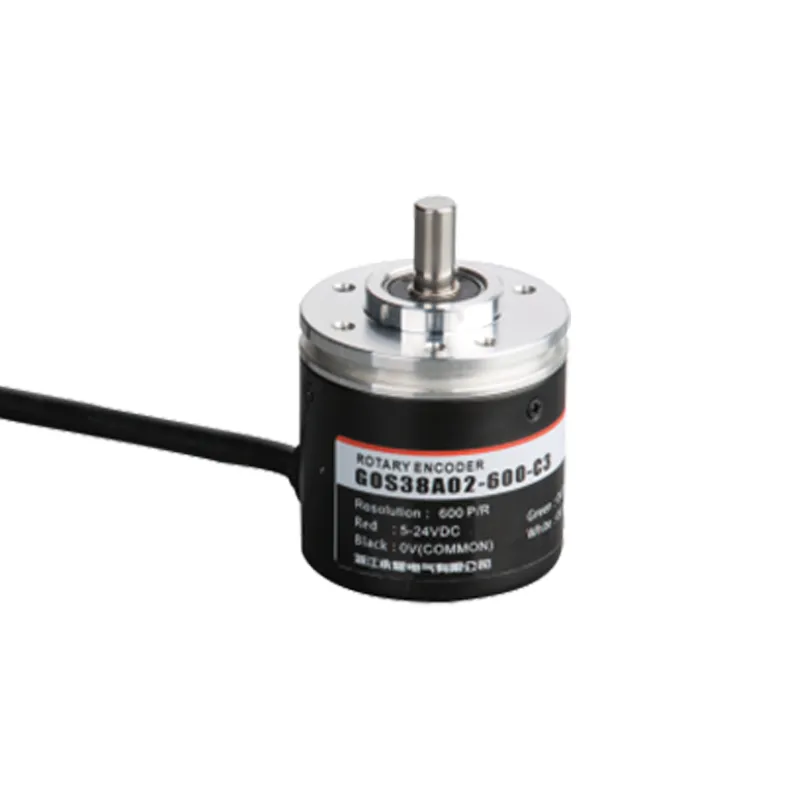
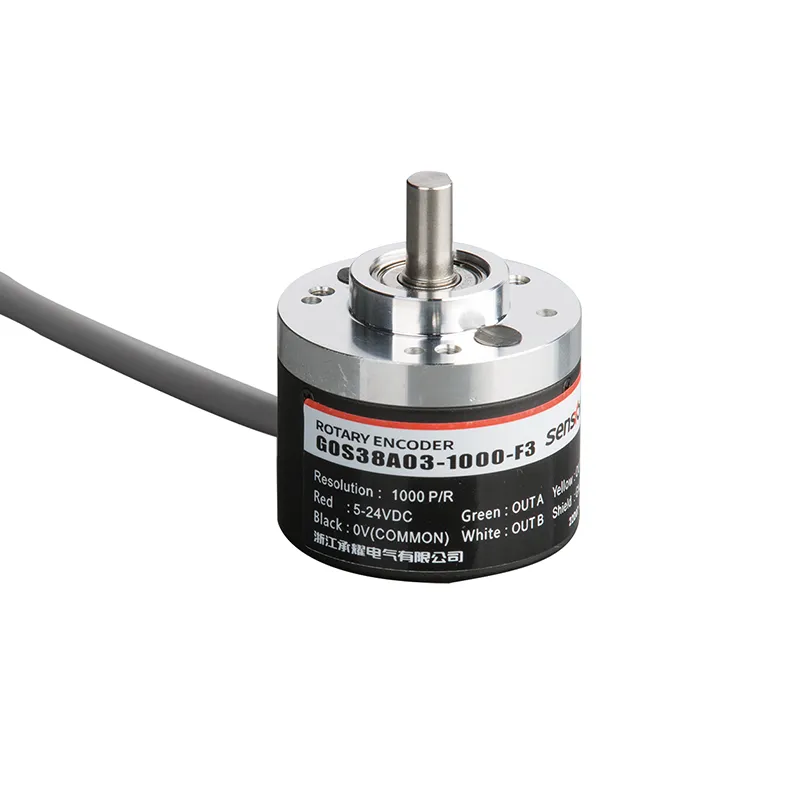
A magnetic encoder is a motion sensing device that converts mechanical movement into electrical signals using magnetic fields. It is widely used in automation, robotics, and automotive systems due to its durability and reliability in harsh environments.
Unlike optical encoders, a magnetic encoder performs well even in dusty, oily, or high-vibration conditions, making it a preferred choice in industrial applications.
What is a Magnetic Encoder
A magnetic encoder detects position and speed by sensing changes in a magnetic field. It typically uses a rotating magnetic ring and a sensor that reads magnetic variations.
These devices are essential for accurate motion control in systems where environmental conditions are challenging.
How a Magnetic Encoder Works
Magnetic Sensing Principle
The encoder uses magnetic poles arranged on a ring or strip. As the shaft rotates, the sensor detects changes in the magnetic field.
Signal Conversion Process
The detected magnetic changes are converted into electrical signals. These signals are then processed to determine position, speed, and direction.
Types of Magnetic Encoder
Absolute Magnetic Encoder
Provides exact position data even after power loss.
Incremental Magnetic Encoder
Tracks movement relative to a starting point and generates pulses.
Components of Magnetic Encoder
A magnetic encoder typically includes:
Magnetic sensor
Magnetic ring or strip
Signal processing unit
Each component contributes to accurate motion detection.
Applications of Magnetic Encoder
Industrial Automation
Used in conveyor systems, motors, and machinery.
Automotive Systems
Supports applications like wheel speed sensing and steering systems.
Robotics
Enables precise movement and positioning in robotic arms.
Benefits of Magnetic Encoder
Durability
A magnetic encoder is resistant to dust, oil, and moisture.
Cost Efficiency
Generally more affordable than optical encoders.
Resistance to Harsh Conditions
Performs well in extreme environments.
Limitations of Magnetic Encoder
Lower Resolution
Compared to optical encoders, resolution may be lower.
Magnetic Interference
External magnetic fields can affect accuracy.
Magnetic Encoder vs Optical Encoder
Feature
Magnetic Encoder
Optical Encoder
Durability
High
Moderate
Accuracy
Moderate
High
Environment
Harsh
Clean
Installation Tips
Ensure proper alignment
Avoid strong magnetic interference
Maintain correct spacing
Maintenance Guidelines
Regular inspection
Clean surrounding environment
Check signal output
Future Trends
Modern magnetic encoder technology is evolving with:
Smart sensors
IoT connectivity
Miniaturization
Buying Guide
When choosing a magnetic encoder, consider:
Resolution requirements
Environmental conditions
Output signal type
For technical standards, refer to 👉 https://www.ieee.org/ (DoFollow external link to IEEE)
A magnetic encoder is used for position and speed sensing in motion control systems.
2. How does it differ from optical encoders?
It uses magnetic fields instead of light, making it more durable.
3. Is a magnetic encoder accurate?
Yes, but generally less precise than optical encoders.
4. Can it work in harsh environments?
Yes, it performs well in dusty and oily conditions.
5. Does it require maintenance?
Minimal maintenance is required.
6. Where is it commonly used?
In industrial automation, automotive systems, and robotics.
Conclusion
The magnetic encoder is a reliable and cost-effective solution for motion control in demanding environments. While it may not match the resolution of optical encoders, its durability and versatility make it an excellent choice for many applications.
Introduction to Encoder Factory An encoder factory is a specialized manufacturing facility that produces encoders used in automation, robotics, and industrial systems. These factories play a vital role in ensuring precision, reliability, and efficiency in motion control applications. Whether you’re sourcing components for robotics or CNC systems, choosing the right encoder factory can significantly impact […]
Table of Contents Introduction Omron encoder replacement solutions are widely used in industrial automation systems where accurate motion control and reliable feedback are essential. An effective Omron encoder replacement helps maintain machine performance while reducing downtime and replacement costs. Many manufacturers choose an Omron encoder replacement when upgrading older automation systems or replacing discontinued encoder […]
📊 Comprehensive Outline for “CE certified encoder” Heading Level Topic H1 CE Certified Encoder: Essential Guide for Compliance H2 Introduction to CE certified encoder H3 What is a CE certified encoder H3 Why CE certification matters H2 How encoder certification works H3 CE marking requirements H3 Compliance process overview H2 Types of encoders in certified […]
We use cookies to enhance your browsing experience, serve personalised ads or content, and analyse our traffic. By clicking "Accept All", you consent to our use of cookies.