PLC Encoder Guide: 15 Essential Insights for Automation
H2
Introduction to PLC Encoder
H2
How PLC Encoder Works
H2
Types of PLC Encoder Systems
H2
Key Components in PLC Encoder Setup
H2
Applications of PLC Encoder
H2
Benefits of PLC Encoder
H2
Challenges of PLC Encoder
H2
PLC Encoder vs Traditional Sensors
H2
Installation Tips for PLC Encoder
H2
Maintenance of PLC Encoder
H2
Future Trends in PLC Encoder Technology
H2
Buying Guide for PLC Encoder
H2
FAQs About PLC Encoder
H2
Conclusion
Introduction to PLC Encoder
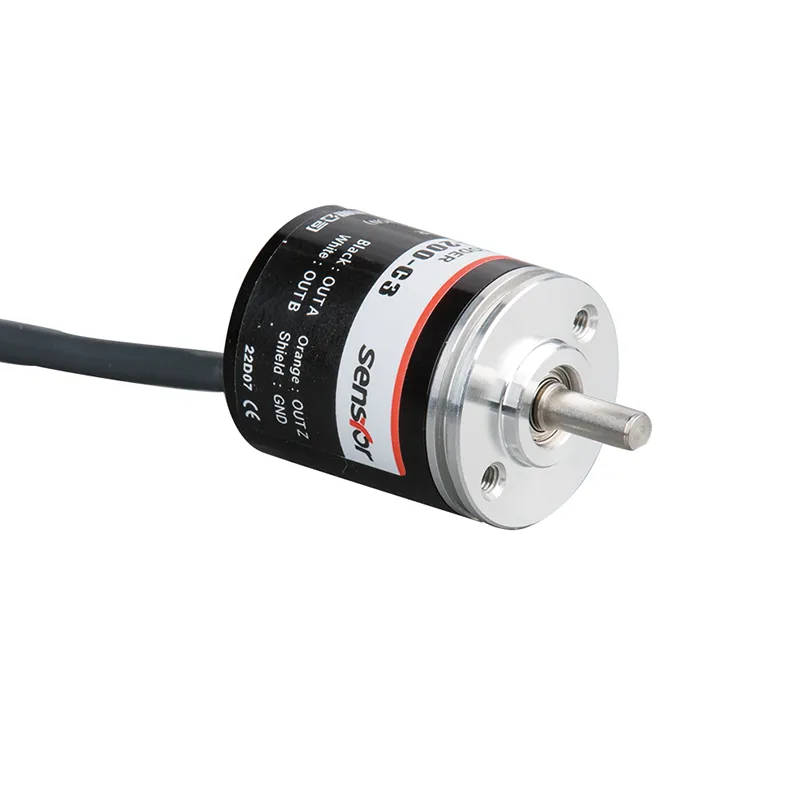
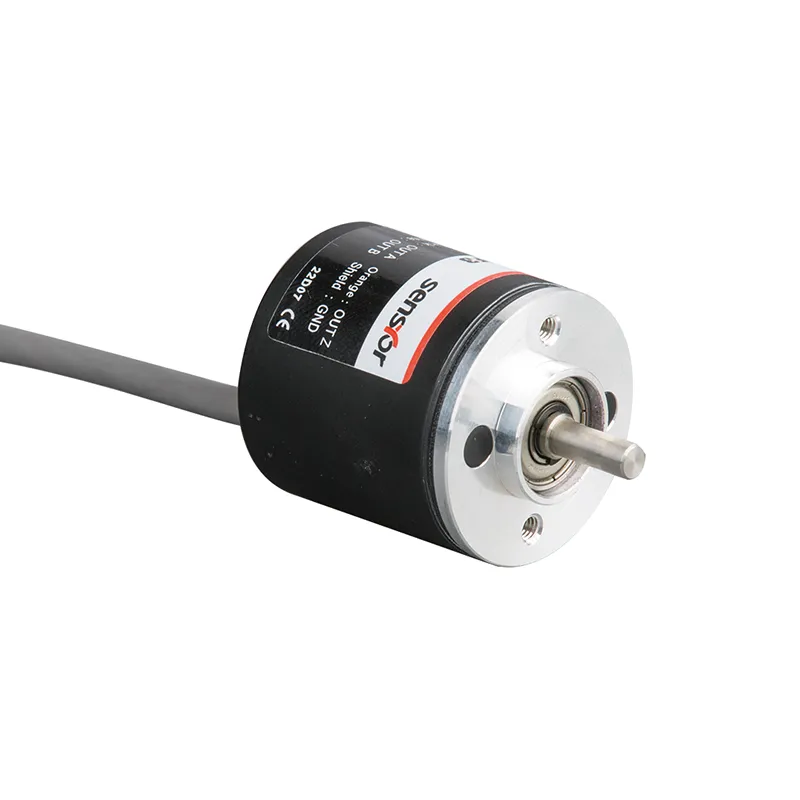
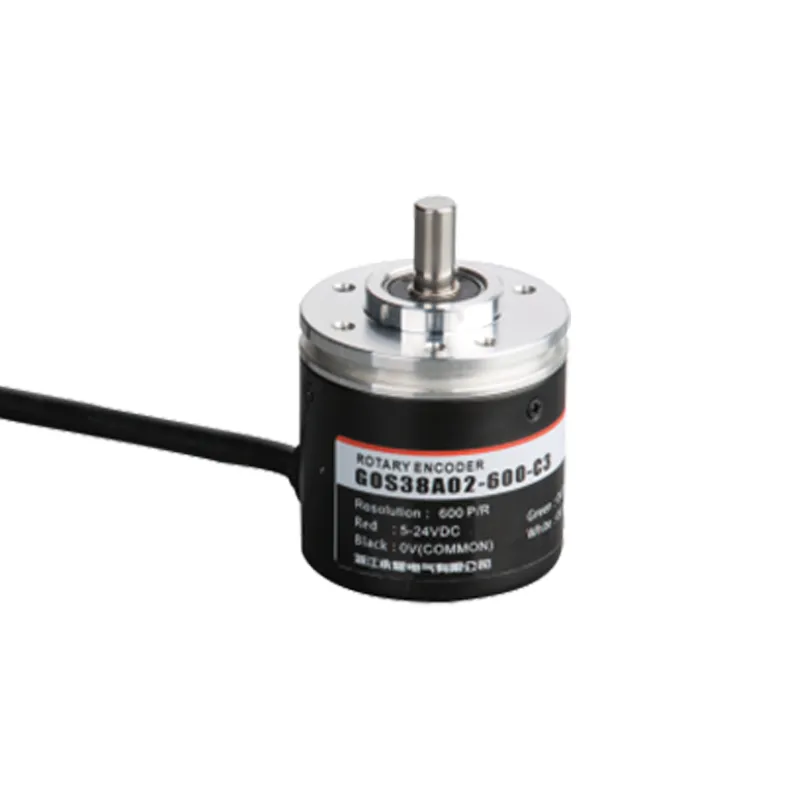
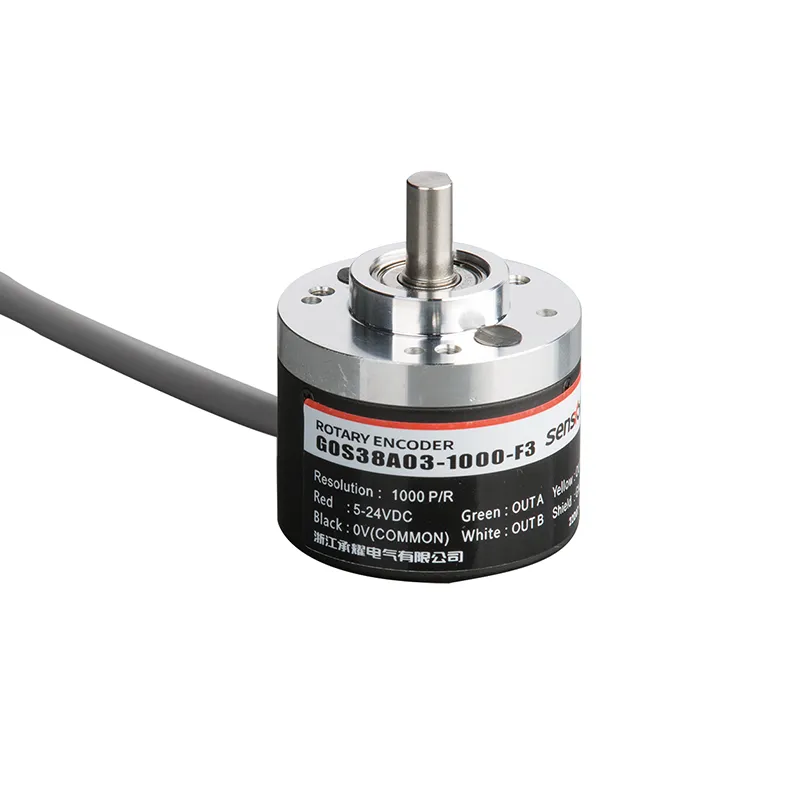
A PLC encoder is a critical device used in industrial automation to provide accurate motion feedback to a Programmable Logic Controller (PLC). It converts mechanical movement into electrical signals, allowing precise control of speed, position, and direction.
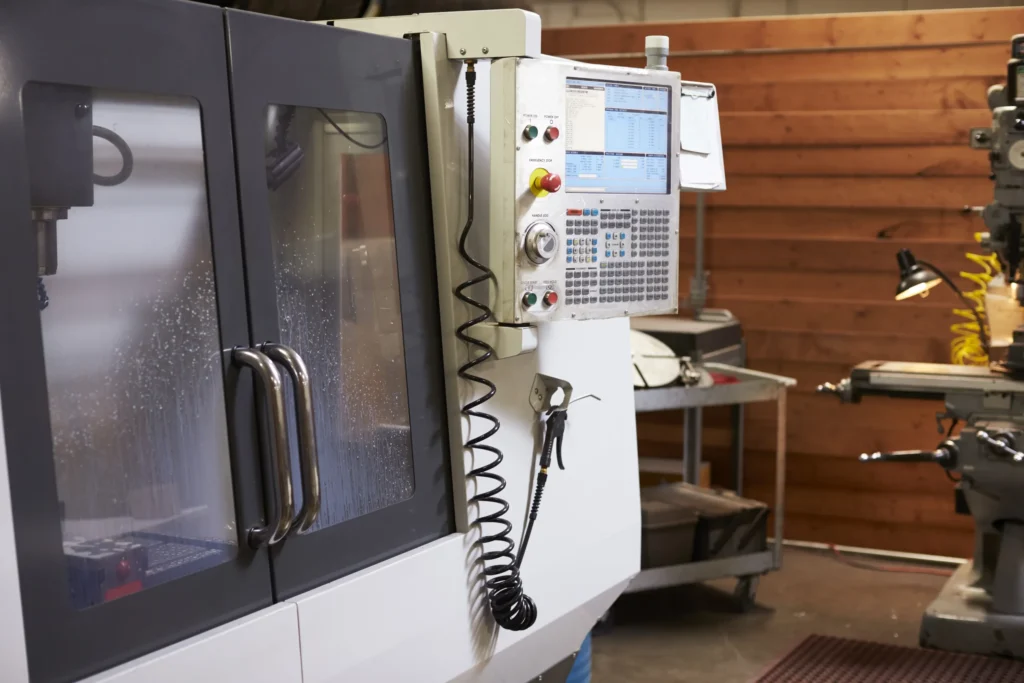
In modern manufacturing systems, a PLC encoder ensures machines operate efficiently, safely, and with high precision. It plays a vital role in robotics, conveyor systems, and CNC machinery.
How PLC Encoder Works
A PLC encoder detects motion and sends feedback signals to the PLC, which then adjusts system behavior accordingly.
Signal Conversion Process
Motion is detected by the encoder
Signals are generated (pulse or digital)
PLC processes the data
System adjusts in real time
Feedback Control Mechanism
The continuous feedback loop ensures accurate positioning and speed control in automated systems.
Types of PLC Encoder Systems
Incremental Encoder in PLC Systems
Tracks relative movement and generates pulses.
Absolute Encoder in PLC Systems
Provides exact position even after power loss.
Optical Encoder Systems
Offer high precision using light-based detection.
Magnetic Encoder Systems
Suitable for harsh industrial environments.
Key Components in PLC Encoder Setup
A PLC encoder system typically includes:
Encoder sensor
PLC controller
Signal interface module
Communication cables
Each component works together to ensure accurate motion control.
Applications of PLC Encoder
PLC Encoder in Manufacturing
Used in assembly lines and automated production systems.
PLC Encoder in Robotics
Ensures precise robotic arm movement.
PLC Encoder in Packaging Systems
Controls speed and positioning of packaging machines.
PLC Encoder in Material Handling
Improves conveyor belt efficiency and accuracy.
Benefits of PLC Encoder
Precision Control
A PLC encoder provides accurate motion data for better system control.
Improved Efficiency
Reduces errors and increases productivity.
Real-Time Monitoring
Enables instant feedback and system adjustments.
Challenges of PLC Encoder
Environmental Sensitivity
Dust, vibration, and temperature can affect performance.
Installation Complexity
Requires proper setup and calibration.
PLC Encoder vs Traditional Sensors
Feature
PLC Encoder
Traditional Sensor
Accuracy
High
Moderate
Feedback
Continuous
Limited
Application
Motion control
Basic detection
Installation Tips for PLC Encoder
Ensure proper alignment
Use shielded cables
Avoid electrical interference
Maintenance of PLC Encoder
Regular inspection
Clean sensor components
Check signal integrity
Future Trends in PLC Encoder Technology
Integration with IoT systems
AI-based predictive maintenance
Miniaturization and smart sensors
Buying Guide for PLC Encoder
When choosing a PLC encoder, consider:
Resolution
Output type
Environmental conditions
Compatibility with PLC
For technical standards, refer to: 👉 https://www.iec.ch/ (DoFollow external link to International Electrotechnical Commission)
A PLC encoder is a key component in modern automation systems, providing accurate motion feedback and improving efficiency. As industries move toward smarter manufacturing, the role of PLC encoders will continue to grow.
📊 Comprehensive Outline for “hollow shaft encoder” Heading Level Topic H1 Hollow Shaft Encoder: 13 Essential Insights H2 Introduction to Hollow Shaft Encoder H3 What is a Hollow Shaft Encoder H3 Why It Matters in Automation H2 How a Hollow Shaft Encoder Works H3 Signal Generation Process H3 Role in Motion Feedback H2 Types of […]
We use cookies to enhance your browsing experience, serve personalised ads or content, and analyse our traffic. By clicking "Accept All", you consent to our use of cookies.