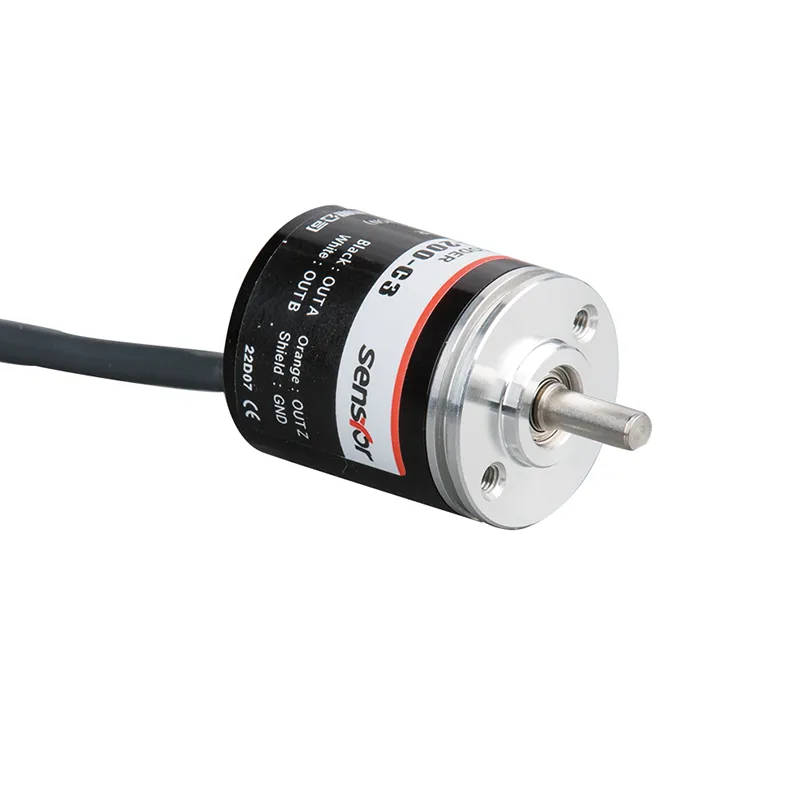
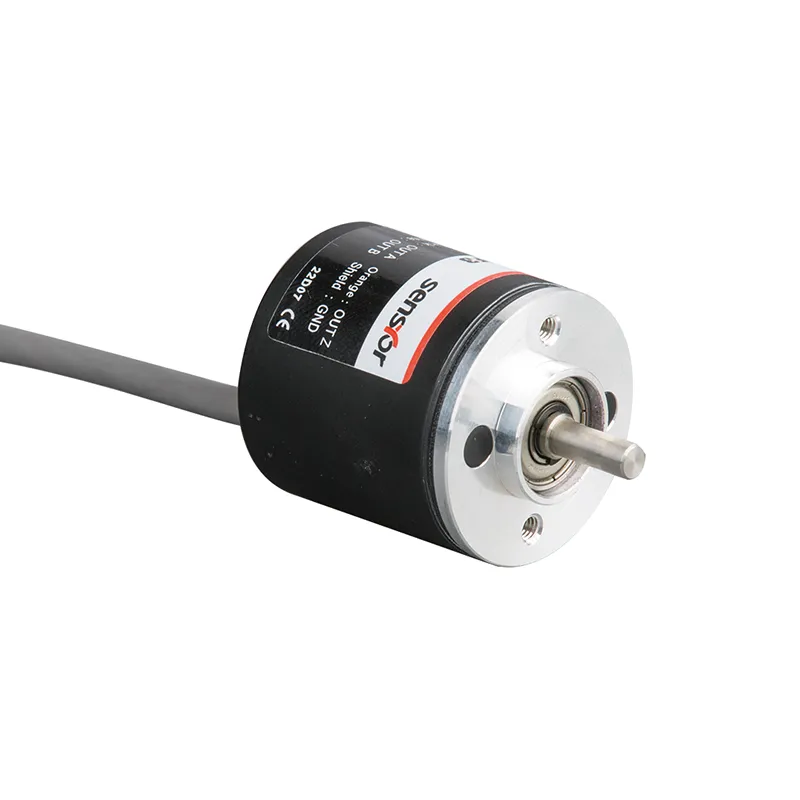
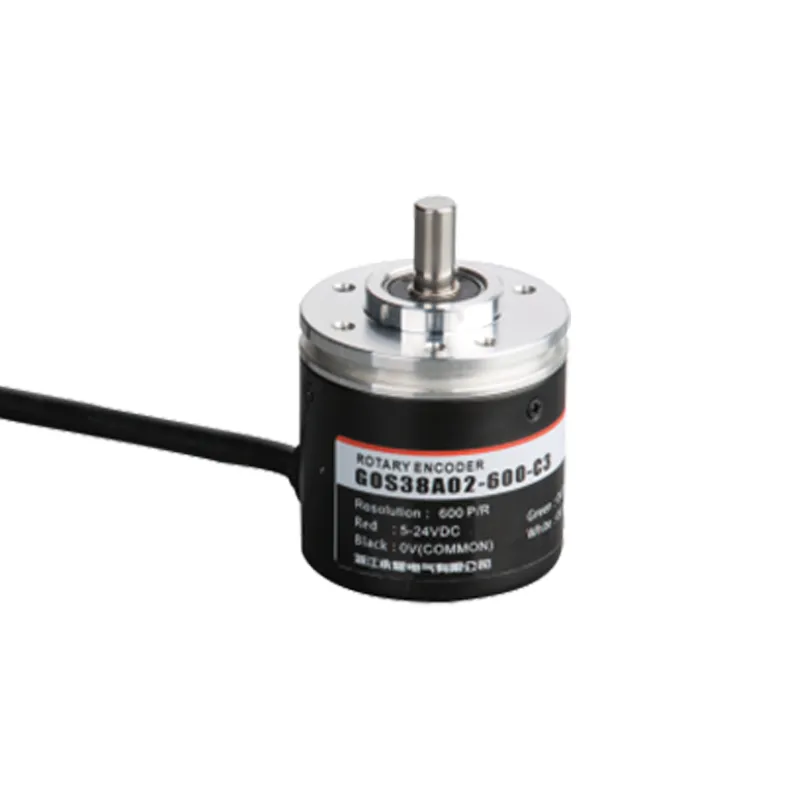
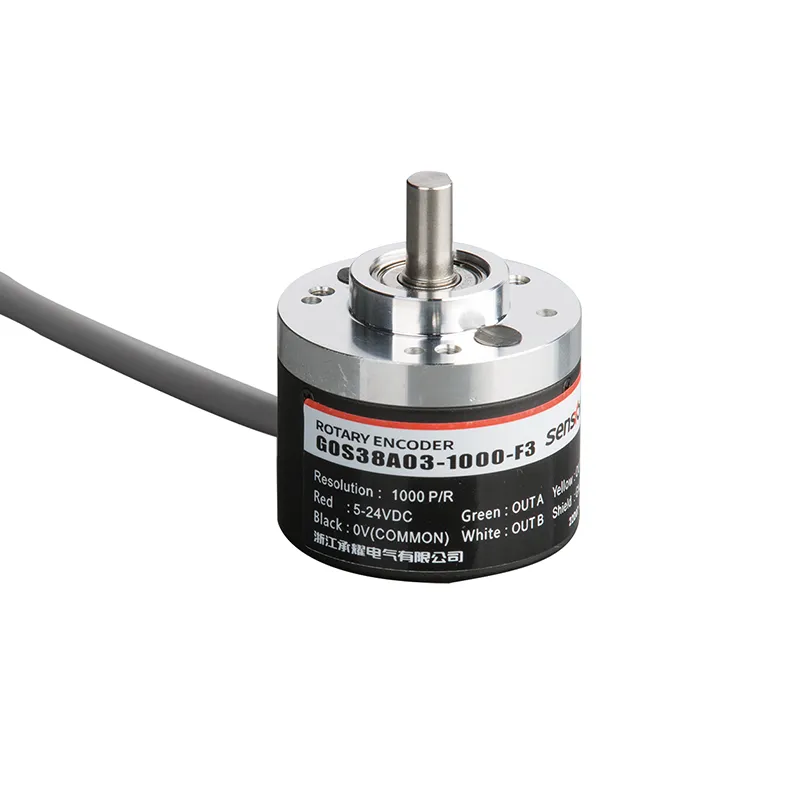
A slim rotary encoder is a compact sensing device designed to measure rotational position, speed, and direction while occupying minimal space. It is widely used in modern automation systems where space constraints and precision are equally important.
Unlike traditional encoders, a slim rotary encoder offers a thinner profile without compromising performance. This makes it ideal for robotics, medical devices, and compact machinery.
How Slim Rotary Encoder Works
A slim rotary encoder converts rotational motion into electrical signals that control systems can interpret.
Signal Generation Mechanism
The encoder detects rotation using optical, magnetic, or capacitive sensing methods. These signals are then translated into digital outputs.
Precision and Resolution
High-resolution designs allow a slim rotary encoder to detect even the smallest movements, ensuring accurate control in sensitive applications.
Types of Slim Rotary Encoder
Optical Slim Rotary Encoder
Uses light-based detection
Offers high accuracy
Ideal for precision environments
Magnetic Slim Rotary Encoder
Uses magnetic fields
Resistant to dust and vibration
Suitable for harsh conditions
Incremental and Absolute Models
Type
Description
Incremental
Tracks movement relative to a starting point
Absolute
Provides exact position instantly
Key Components Explained
A slim rotary encoder consists of:
Sensing element
Code disc or magnetic ring
Signal processor
Each component ensures accurate motion detection and signal output.
Applications in Modern Industry
Robotics
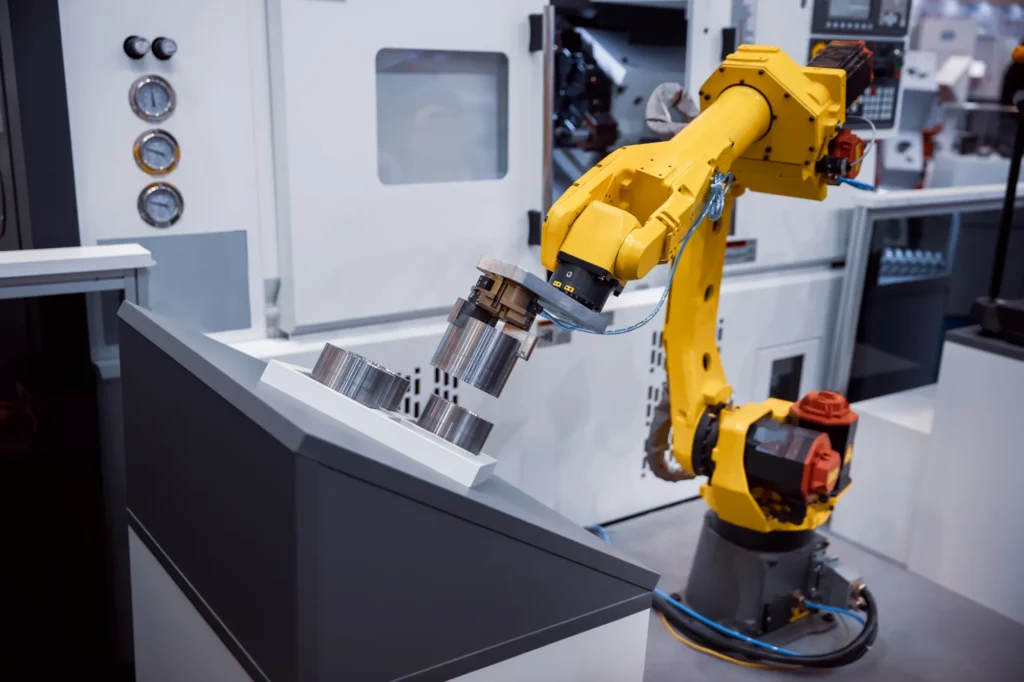
A slim rotary encoder enables precise robotic arm movement.
Medical Equipment
Used in compact medical devices where space and accuracy are critical.
Industrial Automation
Helps control motors and machinery efficiently.
Consumer Electronics
Found in devices requiring compact motion sensing solutions.
Advantages of Slim Rotary Encoder
Space-Saving Design
The compact structure of a slim rotary encoder allows installation in tight spaces.
High Accuracy
Maintains precision despite its small size.
Energy Efficiency
Consumes less power compared to bulkier alternatives.
Limitations and Challenges
Environmental Sensitivity
Some models may be affected by dust or temperature.
Cost Considerations
A slim rotary encoder can be more expensive due to compact engineering.
Comparison with Standard Encoders
Feature
Slim Rotary Encoder
Standard Encoder
Size
Compact
Larger
Precision
High
Moderate
Application
Space-limited systems
General use
Installation Best Practices
Ensure proper alignment
Avoid mechanical stress
Use correct mounting tools
Proper installation improves the lifespan of a slim rotary encoder.
In robotics, medical devices, and automation systems.
Conclusion
A slim rotary encoder is an essential solution for modern compact systems requiring high precision and efficiency. Its space-saving design, combined with advanced sensing technology, makes it a top choice for engineers and manufacturers.
As industries continue to move toward miniaturization and smart automation, the slim rotary encoder will play an increasingly important role in shaping the future of motion control.
he GOH38AO1 38mm slim 10000P/R rotary encoder is a compact rotary encoder configuration identified by the supplied model name, 38mm slim design, and 10,000 pulses-per-revolution specification. Its compact form can be relevant to industrial machines where installation space is limited while high-resolution rotational feedback is required. A rotary encoder converts shaft rotation into an electrical […]
Table of Contents Introduction to High Precision Encoder High precision encoder technology is essential in modern industrial automation systems. A high precision encoder provides extremely accurate motion feedback, helping machines maintain precise speed, position, and direction control. Industries such as robotics, CNC machining, medical equipment, and semiconductor manufacturing rely on a high precision encoder to […]
Introduction to 50mm Encoder A 50mm encoder is an essential device used in industrial automation systems to measure position, speed, rotation, and movement with high accuracy. Industries rely on this compact yet powerful component to improve machine control, production efficiency, and operational reliability. Whether used in robotics, CNC machinery, conveyor systems, or motor control, a […]
We use cookies to enhance your browsing experience, serve personalised ads or content, and analyse our traffic. By clicking "Accept All", you consent to our use of cookies.