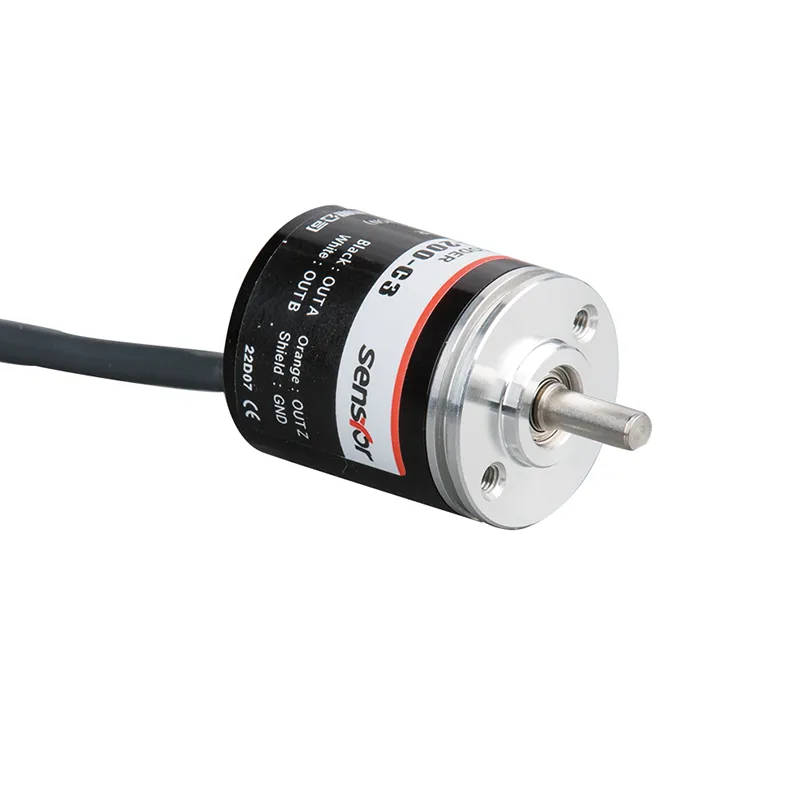
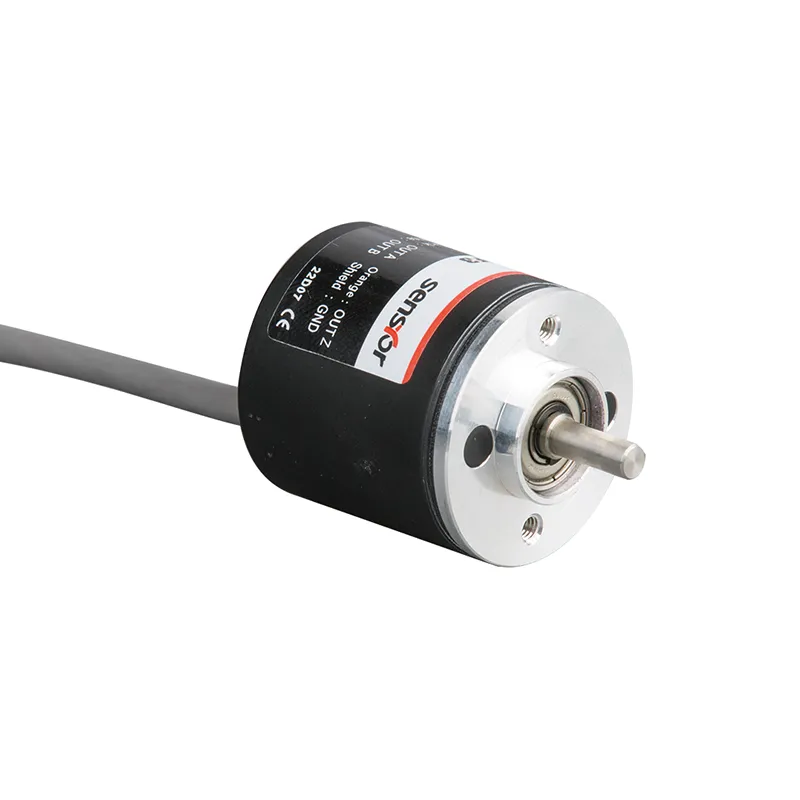
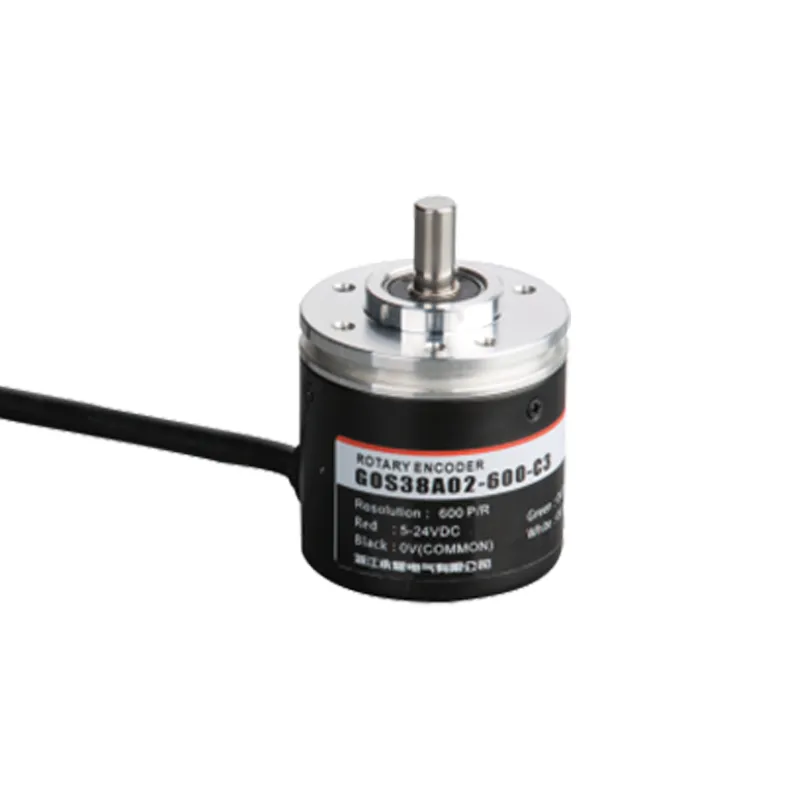
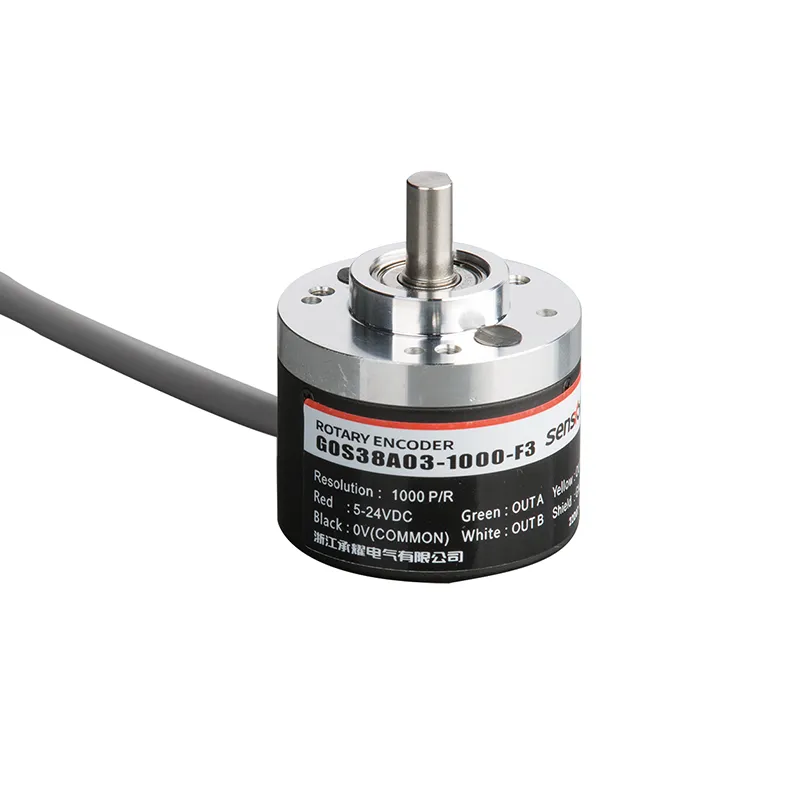
A 2500PPR encoder is a type of rotary encoder that generates 2500 pulses per revolution, providing accurate position and speed feedback in motion control systems. This level of resolution makes it suitable for applications that require precise measurement without the cost of ultra-high-resolution devices.
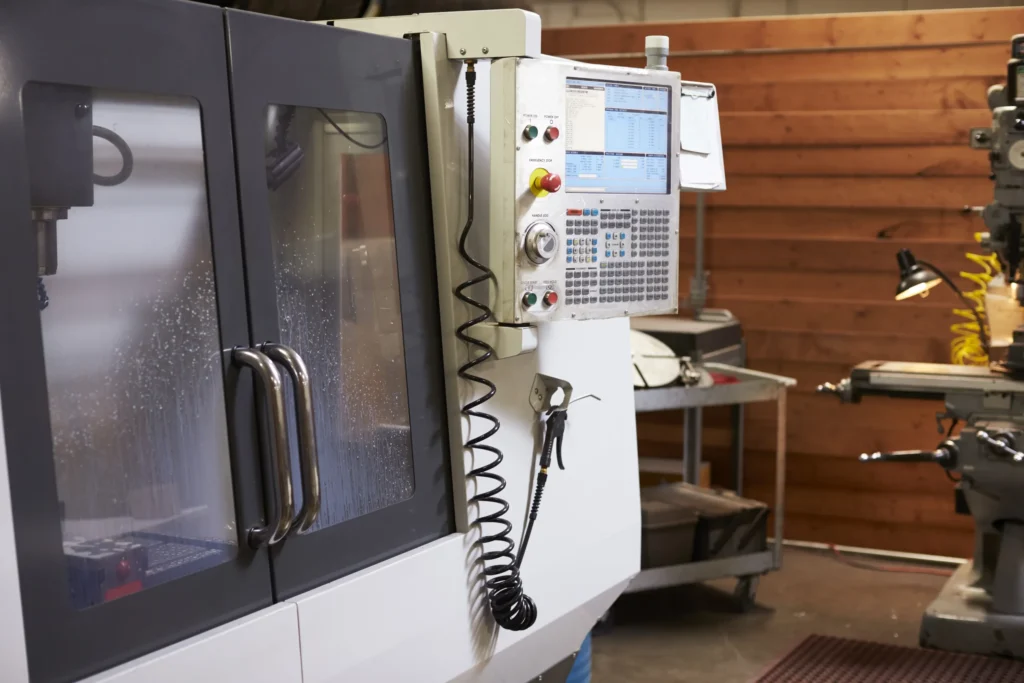
Used widely in automation, robotics, and CNC machinery, a 2500PPR encoder helps ensure smooth and reliable system performance.
Understanding Encoder Resolution and PPR
PPR (pulses per revolution) defines how many signals an encoder produces during one full rotation.
Why 2500 PPR Matters
Provides balanced accuracy and cost
Suitable for medium to high precision tasks
Reduces positioning errors
A 2500PPR encoder is often chosen when systems need reliable feedback without excessive complexity.
How a 2500PPR Encoder Works
The encoder converts mechanical rotation into electrical signals.
Signal Generation Process
Optical or magnetic sensors detect movement and generate pulse signals.
Position and Speed Detection
Controllers interpret these pulses to calculate speed, direction, and position.
Types of Encoders with 2500 PPR Resolution
Incremental Encoder
Outputs pulses relative to movement; widely used in industrial systems.
Absolute Encoder
Provides exact position data even after power loss.
Key Components in Encoder Systems
A typical system includes:
Sensor module
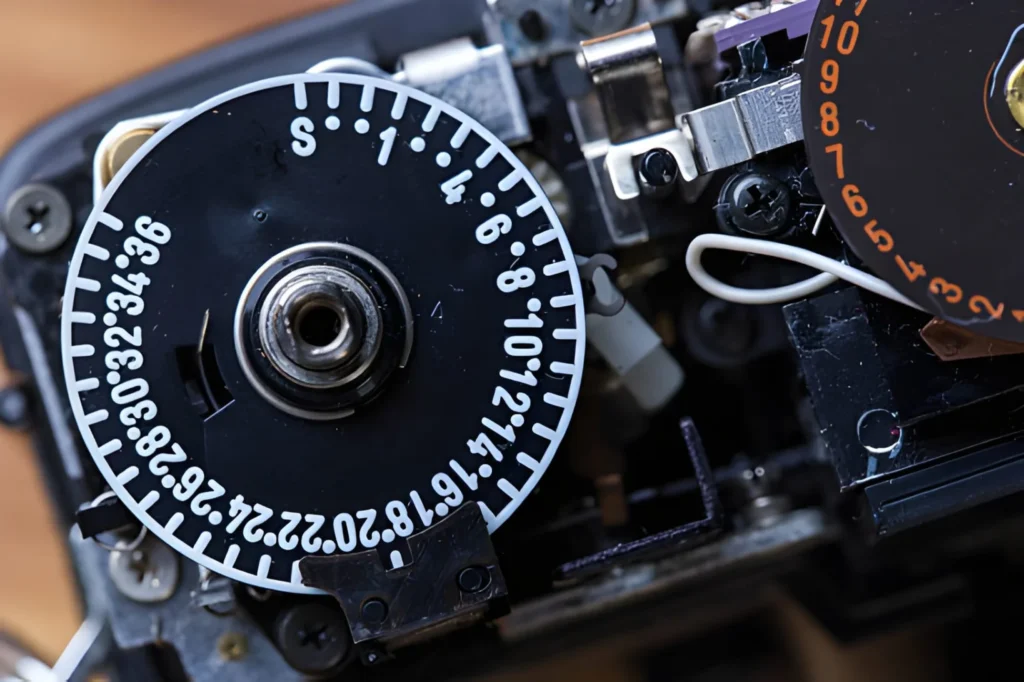
Code disc
Signal processor
These components work together to deliver accurate motion feedback.
It is used for position and speed measurement in automation systems.
2. Is 2500 PPR high resolution?
It is considered medium-to-high resolution for most applications.
3. Where is it commonly used?
Robotics, CNC machines, and conveyor systems.
4. Can it measure speed accurately?
Yes, it provides reliable speed feedback.
5. Does it require maintenance?
Yes, periodic inspection is recommended.
6. Is it cost-effective?
Yes, it offers a good balance between price and performance.
Conclusion
A 2500PPR encoder is an excellent choice for applications requiring reliable and accurate motion feedback. It offers a strong balance between performance and cost, making it ideal for a wide range of industrial and automation systems.
In the world of industrial automation and machinery manufacturing, encoders play a crucial role. Think of them as the “eyes” and “ears” of your equipment, helping machines accurately sense position, speed, and direction for precise control. For B2B projects, selecting the right encoder not only affects your equipment’s performance and stability but also directly impacts […]
Table of Contents What is an Encoder for Robotics An encoder for robotics is a device that converts mechanical motion into electrical signals, enabling precise monitoring of position, speed, and direction. Robotics systems rely heavily on encoder feedback to perform accurate movements in automation, assembly, inspection, and material handling tasks. Encoders can be incremental or […]
Table of Contents What Is an IP65 Industrial Encoder? An IP65 industrial encoder is a precision motion feedback device designed to measure the position, speed, and direction of rotating machinery while operating in challenging industrial environments. The IP65 protection rating means the encoder housing is protected against complete dust entry and water jets from any […]
We use cookies to enhance your browsing experience, serve personalised ads or content, and analyse our traffic. By clicking "Accept All", you consent to our use of cookies.