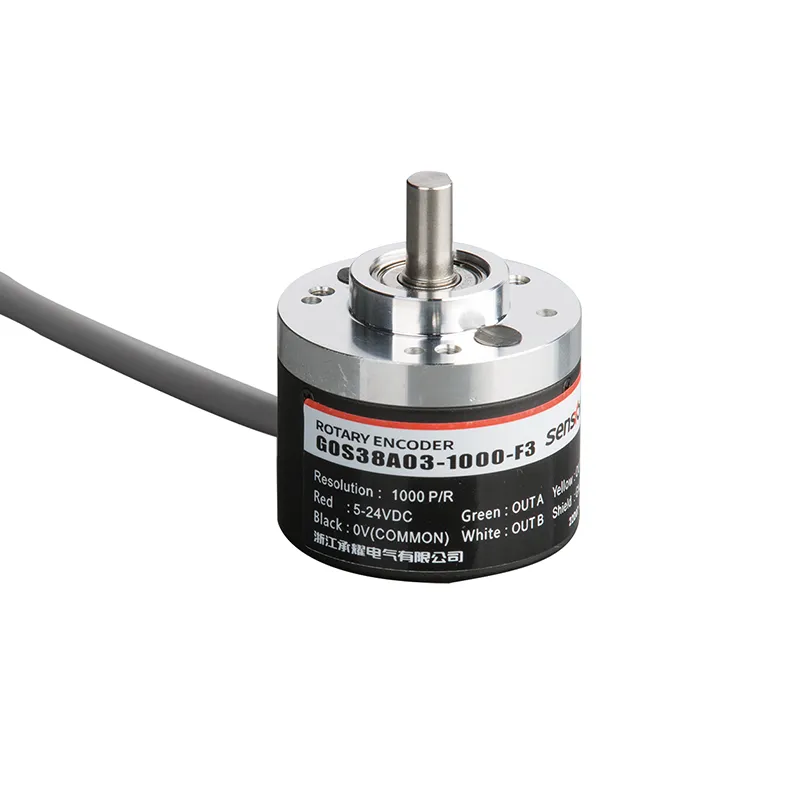
Industrial encoder for robotics ensuring accurate movement
What is an Encoder for Robotics
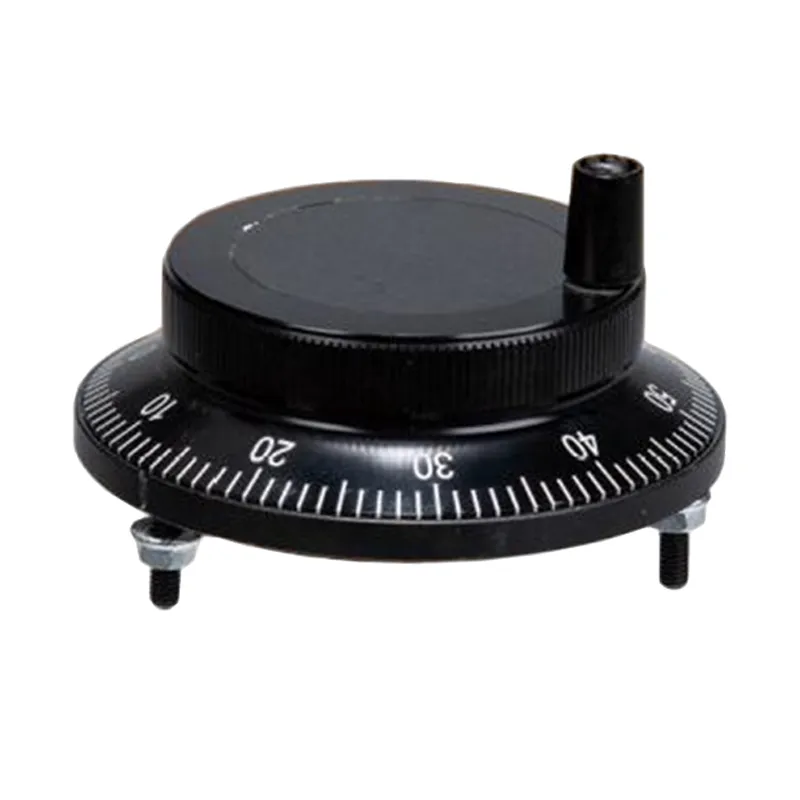
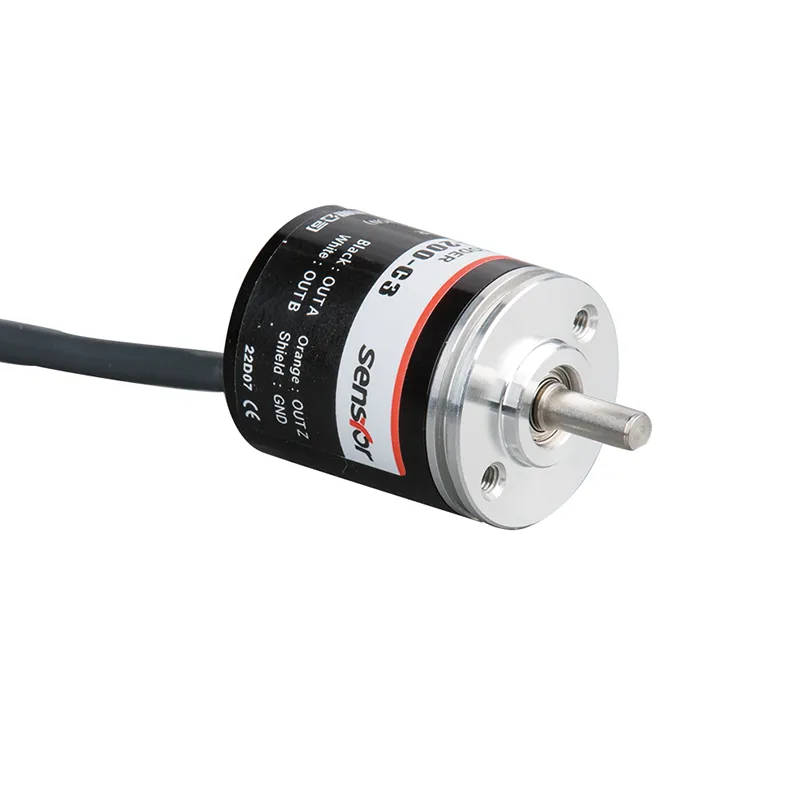
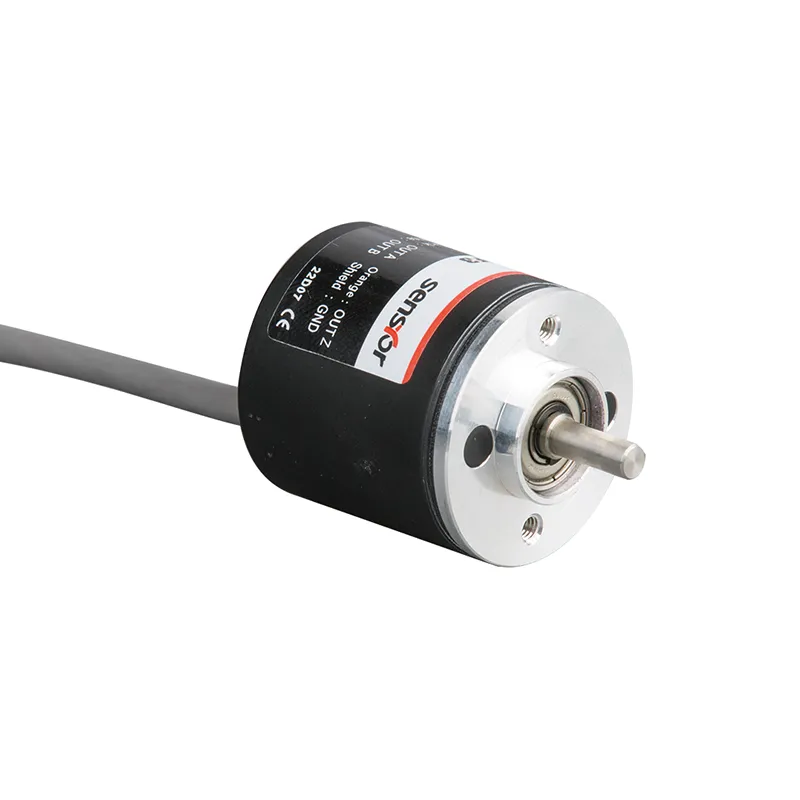
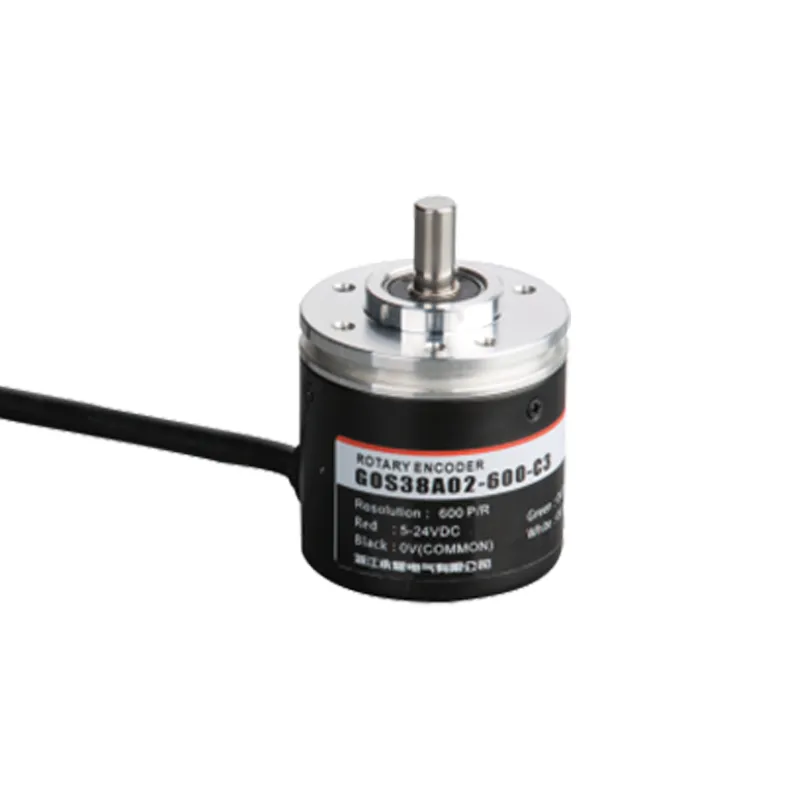
An encoder for robotics is a device that converts mechanical motion into electrical signals, enabling precise monitoring of position, speed, and direction. Robotics systems rely heavily on encoder feedback to perform accurate movements in automation, assembly, inspection, and material handling tasks.
Encoders can be incremental or absolute, providing relative or fixed positional data. Modern robotic arms and mobile robots use these sensors to enhance motion precision, reduce errors, and improve overall system performance.
Robotic systems require precise feedback to execute tasks such as assembly, welding, and inspection. High-resolution encoders ensure repeatable and reliable motion control.
Durability
Industrial robots often operate in harsh conditions including dust, vibration, and temperature variations. Robust encoders are designed to maintain consistent performance under these conditions.
Flexible Interfaces
Encoders for robotics support multiple output protocols like SSI, CANopen, EtherCAT, and Modbus. This ensures compatibility with most robotic controllers and industrial automation platforms.
Applications of Encoder for Robotics
Robotic Arms
Encoders allow robotic arms to achieve exact positioning for welding, assembly, and inspection tasks. Accurate feedback ensures high repeatability and reduces production errors.
Automated Guided Vehicles (AGVs)
AGVs use encoders to monitor wheel rotation and navigation, allowing precise path following in warehouses and factories.
CNC and Robotic Machining
Encoders ensure spindle positioning accuracy in robotic machining, contributing to high-quality cuts and improved production efficiency.
Benefits of Using Encoder for Robotics
Improved positioning and movement accuracy
Reduced mechanical errors
Enhanced production efficiency
Lower maintenance costs
Increased system reliability
Consistent product quality
Support for predictive maintenance
Technical Specifications
Resolution: Determines the precision of movement feedback
Signal Output: Incremental pulses or absolute position
Environmental Protection: IP65 or IP67 for dust and moisture resistance
Operating Speed: Match encoder speed rating to robotic application
How to Choose Encoder for Robotics
Determine required resolution for your application
Choose shaft size and mounting type compatible with your robot
Encoder ensuring precise robotic arm movement in industrial automation
FAQs
Q1: What is an encoder for robotics used for? A1: It measures position, speed, and direction to improve motion control and robotic precision.
Q2: Why is encoder feedback important in robotics? A2: Accurate feedback reduces errors, improves production efficiency, and ensures consistent operations.
Q3: Which types of robots use encoders? A3: Robotic arms, mobile robots, CNC robotic systems, and AGVs rely on encoder technology.
Q4: How do I select the right encoder for robotics? A4: Consider resolution, environmental conditions, interface type, and mechanical compatibility.
An encoder for robotics is a fundamental component in modern robotic and automation systems. By providing accurate motion feedback, encoders improve efficiency, reduce errors, and enhance system reliability. High-quality industrial encoders are essential for robotics applications ranging from assembly and CNC machining to AGVs and precision inspection.
High-quality industrial encoders are essential for robotics applications ranging from assembly and CNC machining to AGVs, collaborative robots, and precision inspection systems. In advanced manufacturing environments, they also support synchronization between multiple robotic axes, ensuring coordinated movement and stable performance. With the continued development of Industry 4.0 and smart factories, encoder technology plays an increasingly important role in enabling automation, predictive maintenance, and intelligent motion control systems.
📊 SEO-Optimized Outline for “24V encoder” Heading Level Topic H1 24V Encoder: 15 Smart Insights for Reliable Industrial Performance H2 Introduction to 24V Encoder H2 How Encoder Systems Work H2 Types of Encoders Explained H2 Key Components Inside an Encoder H2 Industrial Applications H2 Advantages of Using This Technology H2 Common Challenges H2 Comparison with […]
If you’ve ever wondered how machines track rotation and position so precisely, the answer often lies with an Incremental Rotary Encoder. These devices are the unsung heroes behind accurate motion control in many industries. Whether you’re working with robotics, CNC machines, or conveyor belts, understanding this technology can simplify your selection process and improve system […]
📊 Comprehensive Outline for “heavy duty encoder” Heading Level Topic H1 Heavy Duty Encoder: 15 Powerful Benefits for Industrial Performance H2 Introduction to Industrial Encoders H2 What Makes an Encoder “Heavy Duty” H2 Working Principle Explained H2 Types of Industrial Encoders H2 Key Components and Build Quality H2 Applications in Modern Industries H2 Advantages in […]
We use cookies to enhance your browsing experience, serve personalised ads or content, and analyse our traffic. By clicking "Accept All", you consent to our use of cookies.