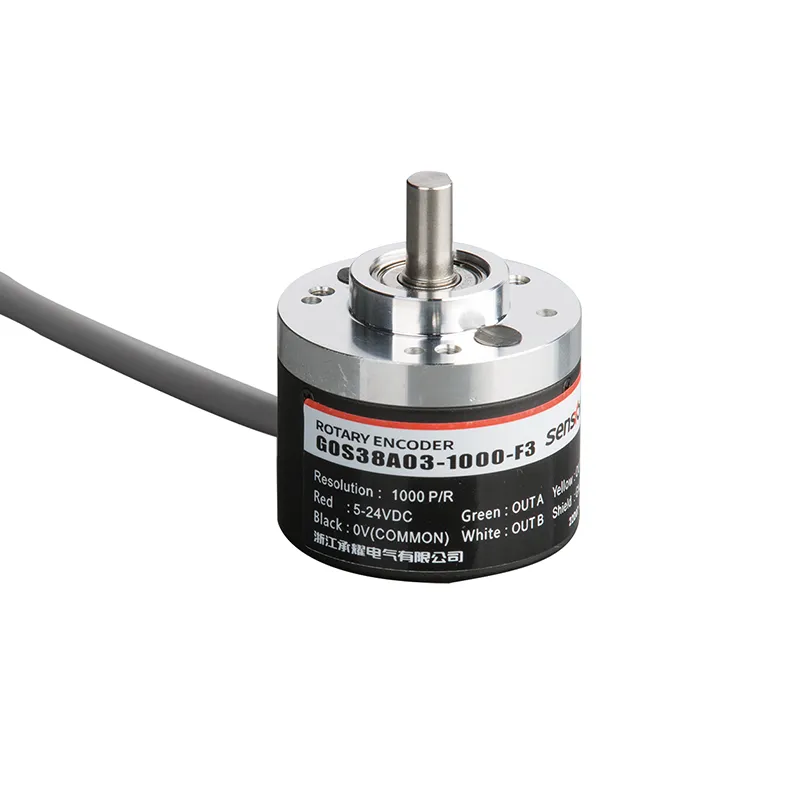
Optical Encoder: Complete Guide to Precision Motion Control
H2
Introduction to Optical Encoder
H3
What is an Optical Encoder
H3
Importance in Modern Automation
H2
How an Optical Encoder Works
H3
Basic Working Principle
H3
Signal Generation Process
H2
Types of Optical Encoder
H3
Incremental Optical Encoder
H3
Absolute Optical Encoder
H3
Rotary vs Linear Optical Encoder
H2
Components of Optical Encoder
H3
Light Source
H3
Code Disc
H3
Photo Detector
H2
Applications of Optical Encoder
H3
Industrial Automation
H3
Robotics
H3
CNC Machines
H2
Advantages of Optical Encoder
H3
High Accuracy
H3
Fast Response
H3
Reliability
H2
Limitations of Optical Encoder
H3
Sensitivity to Dust
H3
Environmental Constraints
H2
Optical Encoder vs Magnetic Encoder
H3
Key Differences
H3
Performance Comparison
H2
Installation Tips for Optical Encoder
H3
Proper Alignment
H3
Environmental Protection
H2
Maintenance of Optical Encoder
H3
Cleaning
H3
Regular Inspection
H2
Future Trends in Optical Encoder
H3
Smart Encoders
H3
IoT Integration
H2
Buying Guide for Optical Encoder
H3
Features to Consider
H3
Choosing the Right Encoder
H2
FAQs About Optical Encoder
H2
Conclusion
Introduction to Optical Encoder
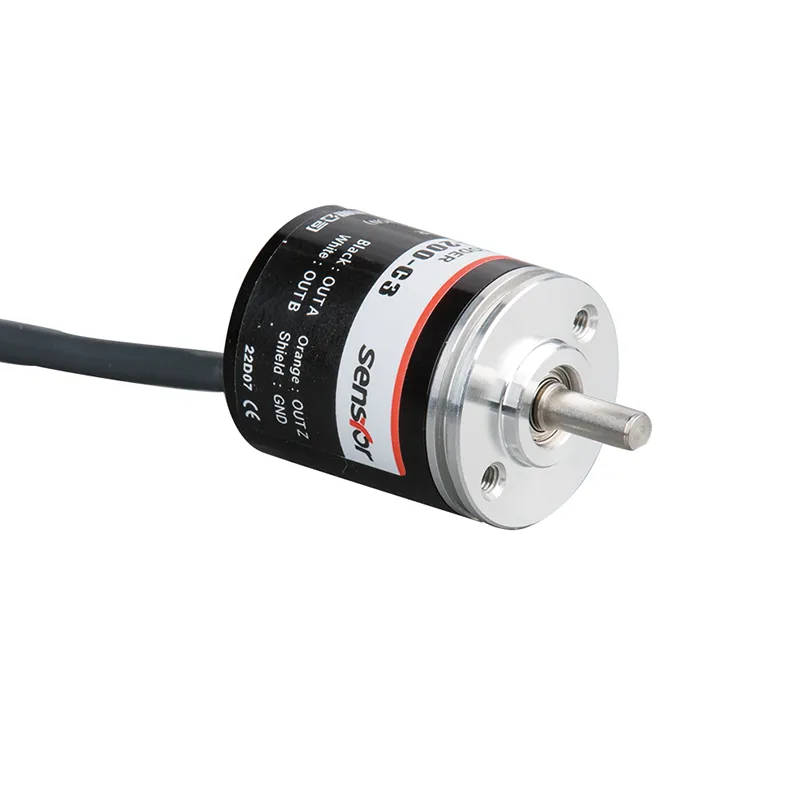
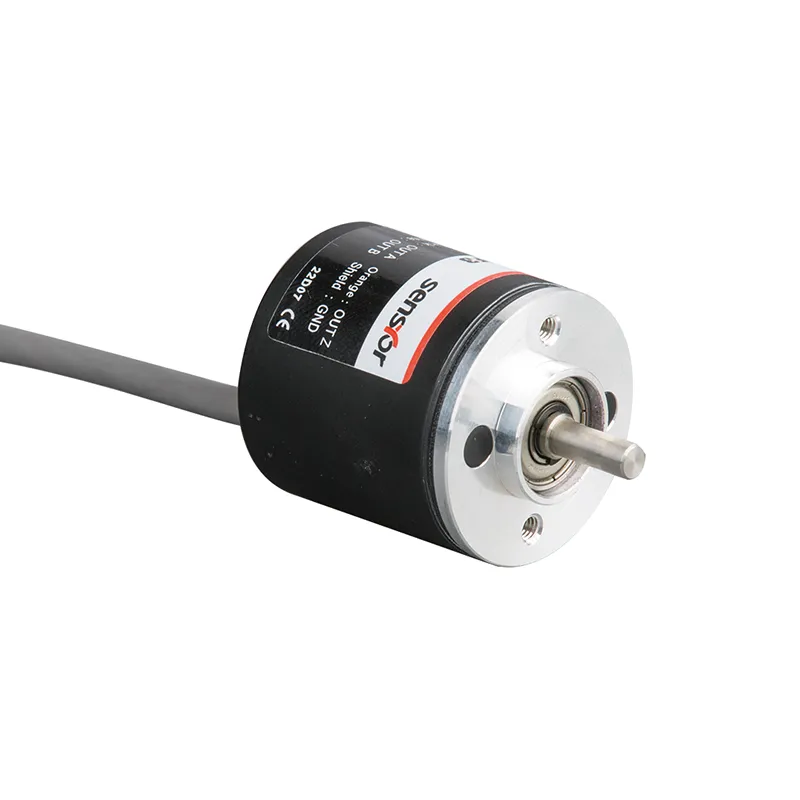
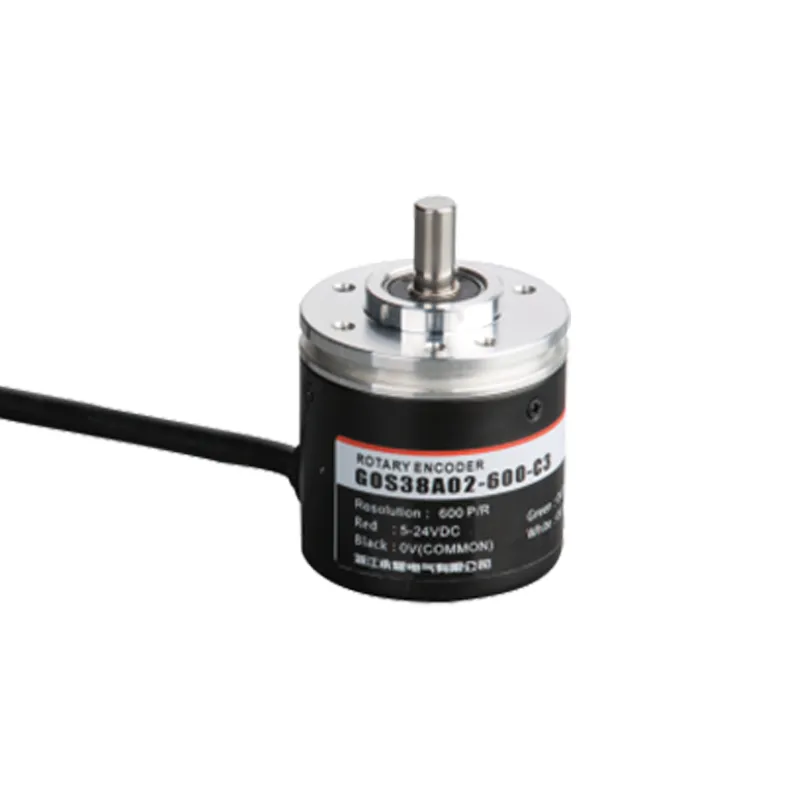
An optical encoder is a precision sensing device used to measure position, speed, and direction by converting mechanical motion into electrical signals. It plays a critical role in automation systems, enabling machines to operate with high accuracy and efficiency.
In industries where precision matters, an optical encoder ensures smooth motion control and reliable feedback for system optimization.
What is an Optical Encoder
An optical encoder uses a light source and a patterned disc to detect motion. As the disc rotates or moves, the light is interrupted, creating signals that represent position changes.
Importance in Modern Automation
Modern automation relies heavily on accurate feedback systems. An optical encoder helps:
Improve machine accuracy
Reduce operational errors
Enhance productivity
How an Optical Encoder Works
Basic Working Principle
An optical encoder works by shining light through a patterned disc onto a sensor. As the disc moves, the light pattern changes and generates pulses.
Signal Generation Process
These pulses are converted into digital signals that a controller can interpret to determine position and speed.
Types of Optical Encoder
Incremental Optical Encoder
Provides relative position data based on movement.
Absolute Optical Encoder
Provides exact position information even after power loss.
Rotary vs Linear Optical Encoder
Type
Description
Rotary
Measures rotational motion
Linear
Measures straight-line motion
Components of Optical Encoder
Light Source
Typically an LED that emits light through the code disc.
Code Disc
A patterned disc that interrupts light to create signals.
Photo Detector
Captures light signals and converts them into electrical output.
Applications of Optical Encoder
Industrial Automation
Used in conveyor systems and machinery.
Robotics
Ensures precise movement and positioning.
CNC Machines
Provides accurate control for cutting and shaping.
Advantages of Optical Encoder
High Accuracy
An optical encoder offers extremely precise measurements.
Fast Response
Quick signal processing enables real-time control.
Reliability
Delivers consistent performance in controlled environments.
Limitations of Optical Encoder
Sensitivity to Dust
Dust can block light and affect accuracy.
Environmental Constraints
Not ideal for harsh environments without protection.
Optical Encoder vs Magnetic Encoder
Key Differences
Feature
Optical Encoder
Magnetic Encoder
Accuracy
High
Moderate
Environment
Clean
Harsh
Cost
Higher
Lower
Performance Comparison
Optical encoders excel in precision, while magnetic encoders perform better in rugged conditions.
Installation Tips for Optical Encoder
Proper Alignment
Ensure correct alignment for accurate readings.
Environmental Protection
Use enclosures to protect from dust and moisture.
Maintenance of Optical Encoder
Cleaning
Regular cleaning prevents signal interference.
Regular Inspection
Check for wear and alignment issues.
Future Trends in Optical Encoder
Smart Encoders
Integration with smart systems for advanced monitoring.
IoT Integration
Connected encoders enable real-time data analysis.
Buying Guide for Optical Encoder
Features to Consider
Resolution
Accuracy
Environmental rating
Choosing the Right Encoder
Select based on your application and operating conditions.
For technical standards, refer to: 👉 https://www.ieee.org/ (DoFollow external link to IEEE)
4. Can optical encoders work in dusty environments?
Not without protective enclosures.
5. What industries use optical encoders?
Automation, robotics, and manufacturing.
6. Do optical encoders require maintenance?
Yes, regular cleaning and inspection are needed.
Conclusion
An optical encoder is a vital component in precision motion control systems. It provides accurate feedback, improves efficiency, and supports advanced automation technologies. Choosing the right encoder ensures optimal system performance and long-term reliability.
Introduction to 50mm Encoder A 50mm encoder is a compact yet powerful motion sensing device widely used in industrial automation, robotics, and precision machinery. Designed with a 50mm housing size, it offers an ideal balance between space efficiency and performance. A 50mm encoder helps convert mechanical motion into electrical signals, enabling accurate position and speed […]
📊 Comprehensive Outline for “motion control sensor” Heading Level Topic H1 Motion Control Sensor: 15 Powerful Insights You Must Know Today H2 Introduction to Motion Control Sensor H3 What is a Motion Control Sensor? H3 Importance in Modern Technology H2 How Motion Control Sensors Work H3 Basic Operating Principles H4 Signal Detection and Processing H2 […]
In the world of industrial automation and machinery manufacturing, encoders play a crucial role. Think of them as the “eyes” and “ears” of your equipment, helping machines accurately sense position, speed, and direction for precise control. For B2B projects, selecting the right encoder not only affects your equipment’s performance and stability but also directly impacts […]
We use cookies to enhance your browsing experience, serve personalised ads or content, and analyse our traffic. By clicking "Accept All", you consent to our use of cookies.