📊 Comprehensive Outline for “high resolution encoder”
Heading Level
Topic
H1
High Resolution Encoder: 13 Key Insights for Precision
H2
Introduction to Encoder Technology
H3
What is a High Resolution Encoder
H3
Why Resolution Matters
H2
How High Resolution Encoder Works
H3
Signal Generation Process
H3
Understanding Resolution and Accuracy
H2
Types of High Resolution Encoder
H3
Optical Encoder Systems
H3
Magnetic Encoder Systems
H3
Absolute vs Incremental Encoders
H2
Components of Encoder Systems
H3
Sensor Elements
H3
Code Disc or Scale
H3
Signal Processing Unit
H2
Applications in Modern Industries
H3
Robotics and Automation
H3
CNC Machinery
H3
Medical Equipment
H2
Benefits of Using High Resolution Encoder
H3
Improved Accuracy
H3
Better Control
H3
Increased Efficiency
H2
Challenges and Limitations
H3
Environmental Sensitivity
H3
Cost Factors
H2
Comparison with Standard Encoders
H3
Performance Differences
H3
Application Suitability
H2
Installation Best Practices
H3
Proper Alignment
H3
Calibration Techniques
H2
Maintenance and Longevity
H3
Routine Inspection
H3
Preventive Maintenance
H2
Future Trends in Encoder Technology
H3
Smart Encoders
H3
Integration with IoT
H2
Buying Guide
H3
Key Features to Consider
H3
Choosing the Right Model
H2
FAQs
H2
Conclusion
Introduction to Encoder Technology
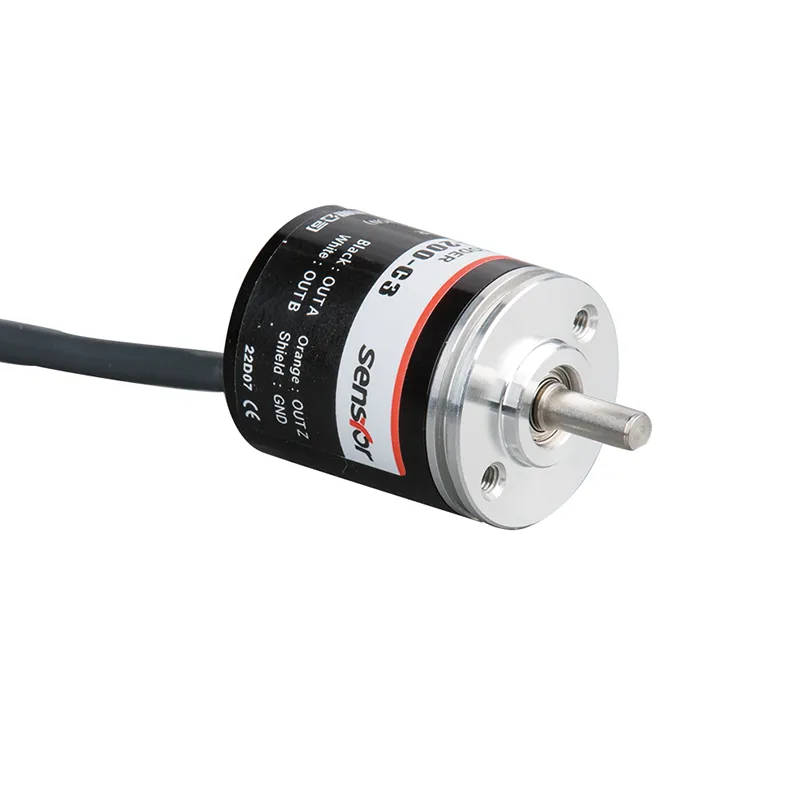
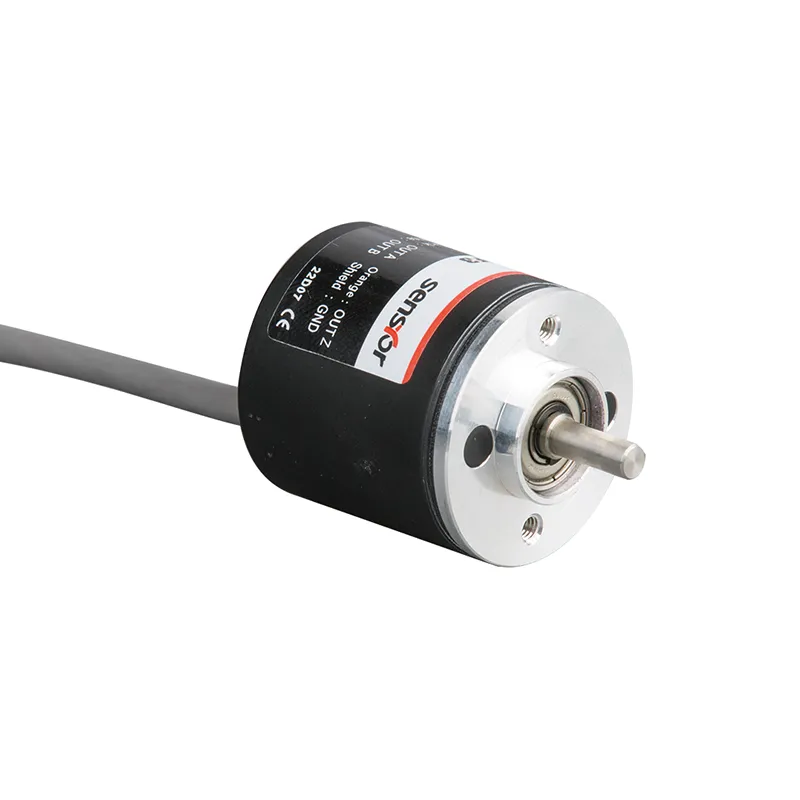
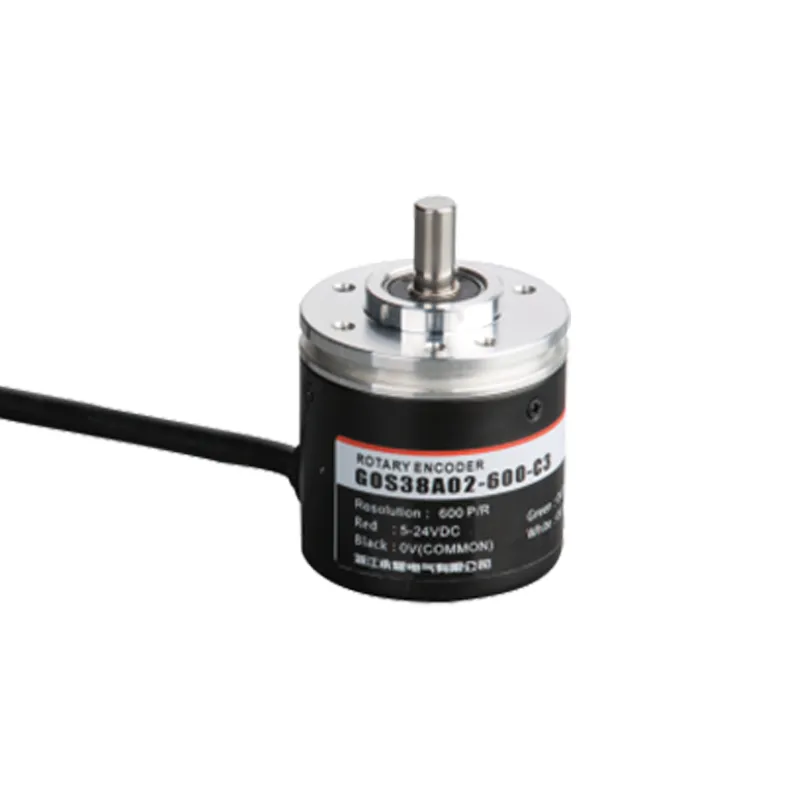
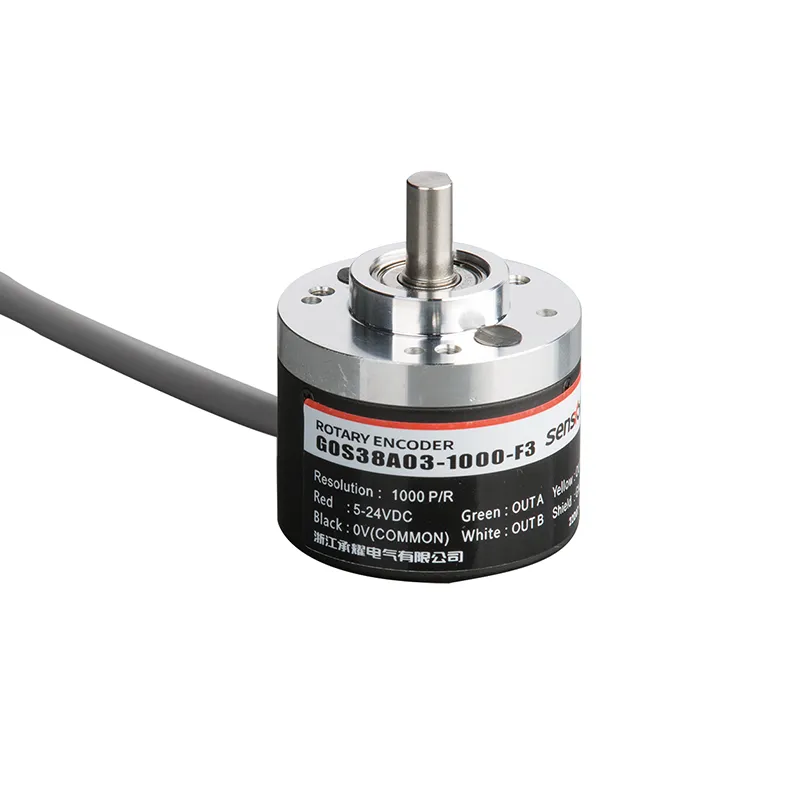
A high resolution encoder is a precision device used to measure position, speed, and direction with exceptional detail. In modern automation systems, accurate motion feedback is essential, and a high resolution encoder provides the fine measurement needed for smooth and controlled operation.
Unlike standard encoders, a high resolution encoder can detect extremely small movements, making it ideal for applications that demand high accuracy and reliability.
How High Resolution Encoder Works
A high resolution encoder converts mechanical motion into electrical signals that can be interpreted by a control system.
Signal Generation Process
The encoder detects movement using optical or magnetic sensing methods and produces a series of pulses or digital signals.
Understanding Resolution and Accuracy
Resolution refers to the number of measurable positions per revolution
Accuracy defines how close the measurement is to the actual position
A high resolution encoder offers higher pulse counts, resulting in finer motion control.
Types of High Resolution Encoder
Optical Encoder Systems
These systems use light patterns to detect motion and provide very high accuracy.
Magnetic Encoder Systems
Magnetic encoders are more durable and perform well in harsh environments.
Absolute vs Incremental Encoders
Type
Description
Absolute
Provides exact position even after power loss
Incremental
Measures relative movement
Components of Encoder Systems
A high resolution encoder includes:
Sensor elements
Code disc or scale
Signal processing unit
Each component contributes to precise measurement and reliable output.
Applications in Modern Industries
Robotics and Automation
A high resolution encoder ensures accurate robotic movement and positioning.
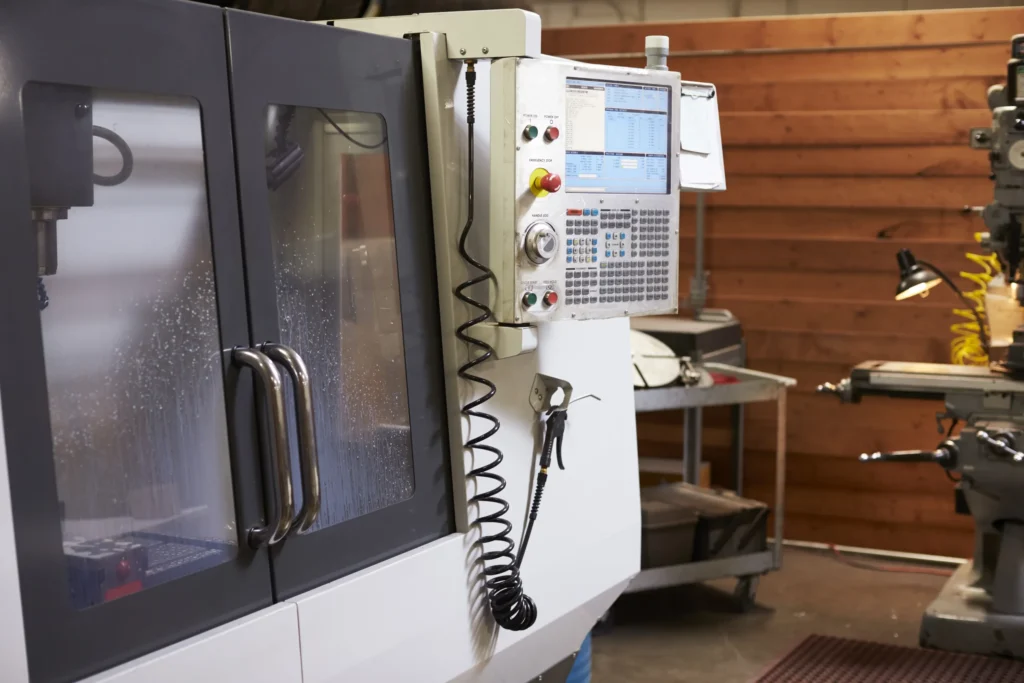
CNC Machinery
Used in machining processes to achieve precise cutting and shaping.
Medical Equipment
Provides precise motion control in imaging and surgical devices.
Benefits of Using High Resolution Encoder
Improved Accuracy
The main advantage of a high resolution encoder is its ability to detect fine motion changes.
Better Control
It allows systems to respond quickly and accurately.
Increased Efficiency
Reduces errors and improves productivity.
Challenges and Limitations
Environmental Sensitivity
Some encoders are sensitive to dust, temperature, and vibration.
Cost Factors
A high resolution encoder may cost more due to advanced technology.
Comparison with Standard Encoders
Feature
High Resolution Encoder
Standard Encoder
Precision
Very High
Moderate
Cost
Higher
Lower
Use Case
Critical systems
General use
Installation Best Practices
Ensure proper alignment
Avoid vibration exposure
Use appropriate mounting hardware
Maintenance and Longevity
Perform regular inspections
Keep components clean
Calibrate periodically
Future Trends in Encoder Technology
Modern systems are evolving with:
Smart encoder integration
IoT connectivity
Predictive maintenance
Buying Guide
When selecting a high resolution encoder, consider:
Resolution requirements
Environmental conditions
Output signal type
For technical standards, visit: 👉 https://www.ieee.org/ (DoFollow external link to IEEE)
It is used for precise motion tracking and control.
2. Why is resolution important?
Higher resolution allows more accurate positioning.
3. Where are these encoders used?
In robotics, CNC machines, and medical devices.
4. Are they expensive?
Yes, but they provide superior performance.
5. Can they work in harsh environments?
Magnetic types are better suited for harsh conditions.
6. Do they require maintenance?
Yes, regular maintenance ensures accuracy.
Conclusion
A high resolution encoder is essential for modern motion control systems. It delivers precision, improves efficiency, and supports advanced automation technologies. Investing in the right encoder ensures long-term reliability and optimal performance.
Introduction to Incremental Encoder An incremental encoder is a widely used motion sensor that converts mechanical movement into electrical signals. It provides relative position, speed, and direction feedback, making it essential in automation and control systems. From industrial machines to robotics, the incremental encoder plays a key role in ensuring accurate and efficient motion tracking. […]
Table of Contents Introduction to Heavy Duty Encoder Heavy duty encoder technology is essential in modern industrial automation systems. A heavy duty encoder is specifically designed to provide accurate motion feedback in demanding environments where dust, vibration, moisture, and high temperatures are common. Unlike standard encoders, a heavy duty encoder offers superior durability and long-term […]
Table of Contents What Is an Absolute Encoder? An absolute encoder is a position sensing device that provides a unique digital value for every shaft position. Unlike incremental encoders, an absolute encoder retains position information even after power loss, making it ideal for applications that require continuous accuracy and reliability. Manufacturers across automation, robotics, packaging, […]
We use cookies to enhance your browsing experience, serve personalised ads or content, and analyse our traffic. By clicking "Accept All", you consent to our use of cookies.