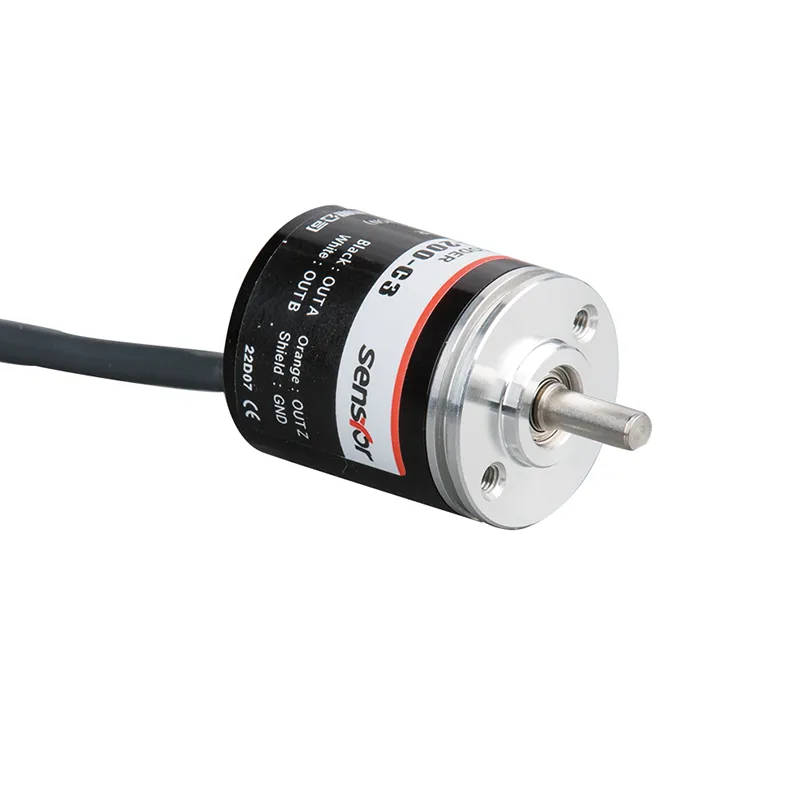
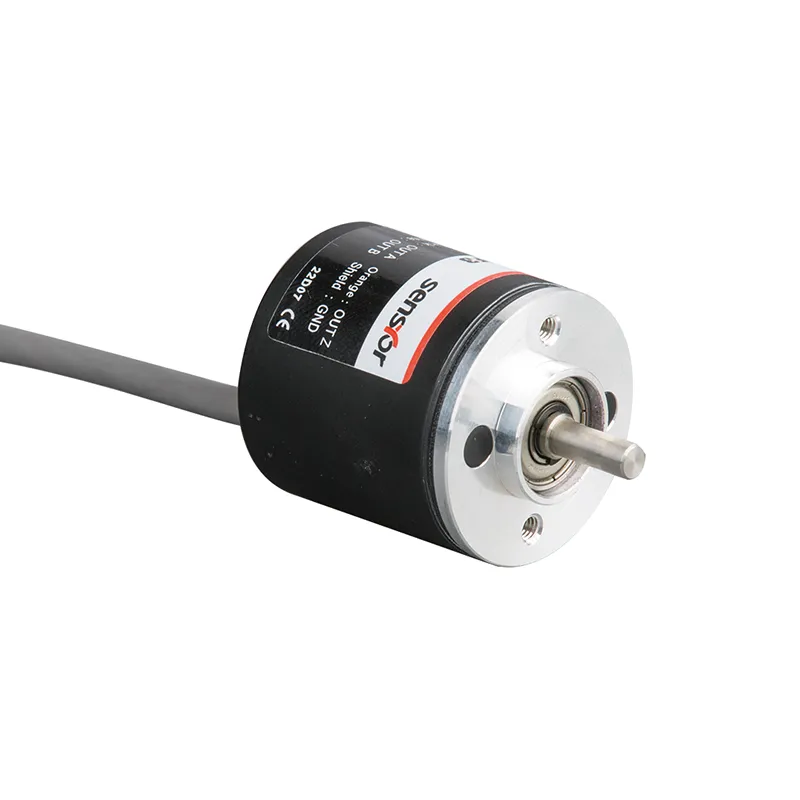
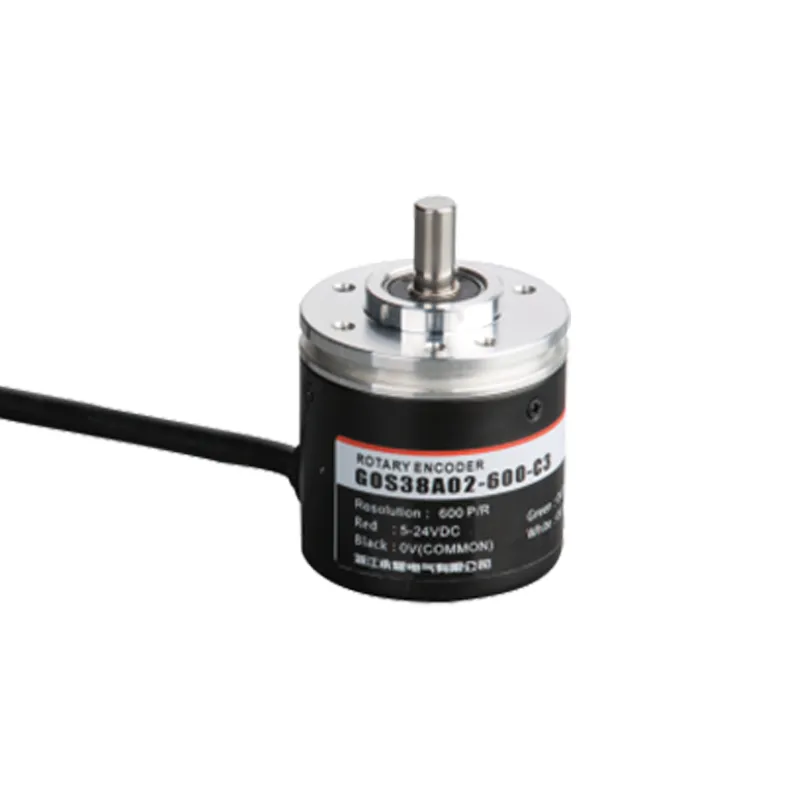
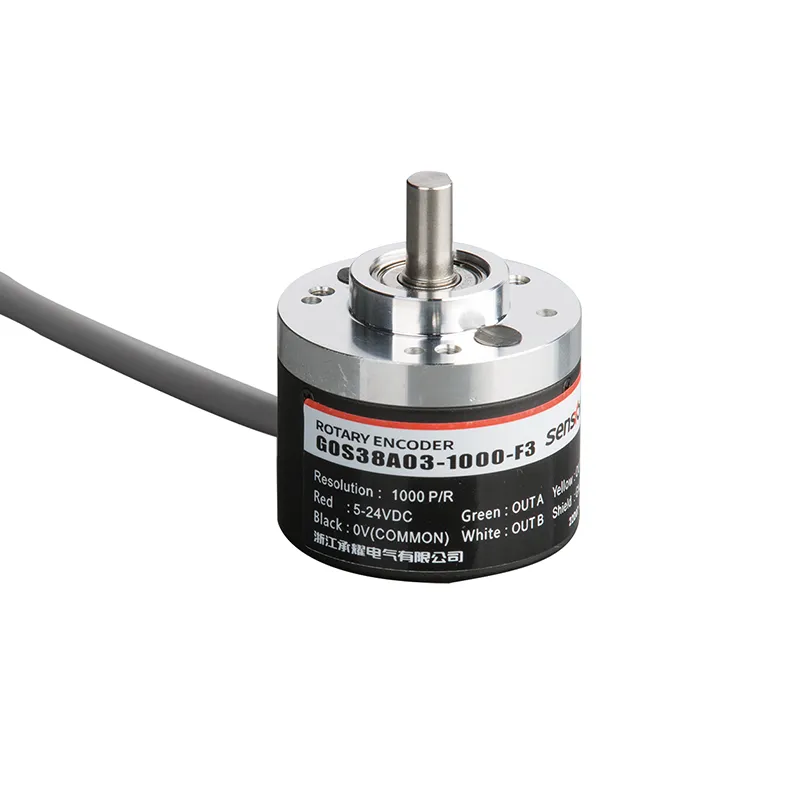
A long distance encoder is designed to transmit motion and position data across extended distances without signal loss or distortion. In modern industrial environments, machines are often spread across large areas, making reliable communication essential.
Using a long distance encoder, engineers can maintain accurate data flow, reduce interference, and ensure system stability even over hundreds of meters.
Understanding Long Distance Signal Challenges
When signals travel over long distances, several issues may arise:
Signal attenuation
Electromagnetic interference (EMI)
Data distortion
A properly designed encoder system solves these problems using advanced transmission methods.
How Encoder Systems Maintain Accuracy
Signal Transmission Techniques
Encoders convert motion into electrical signals and send them through cables or networks. Techniques like differential signaling help maintain accuracy.
Noise Reduction Methods
To prevent data loss, systems use:
Shielded cables
Twisted pair wiring
Error correction protocols
Types of Long Distance Encoder Solutions
Optical-Based Systems
High precision but sensitive to environmental conditions.
Magnetic-Based Systems
More durable and suitable for harsh environments.
Network-Based Encoders
Use industrial protocols like Ethernet for long-range communication.
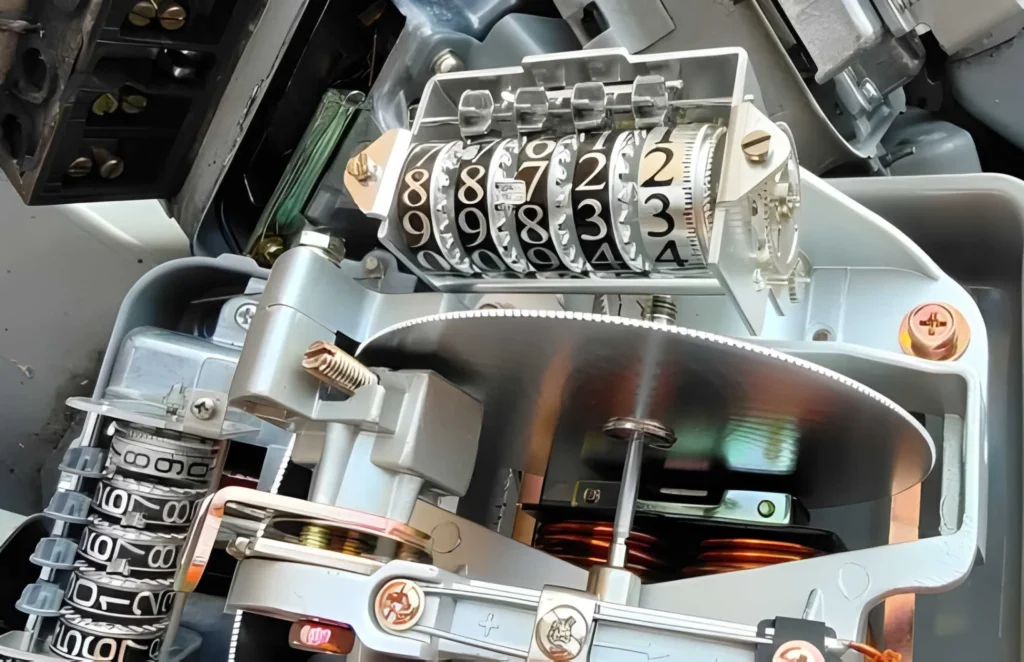
Core Components of an Encoder System
A typical setup includes:
Motion sensor
Transmission medium
Signal receiver
Each part ensures that data remains accurate over long distances.
Applications of Long Distance Encoder
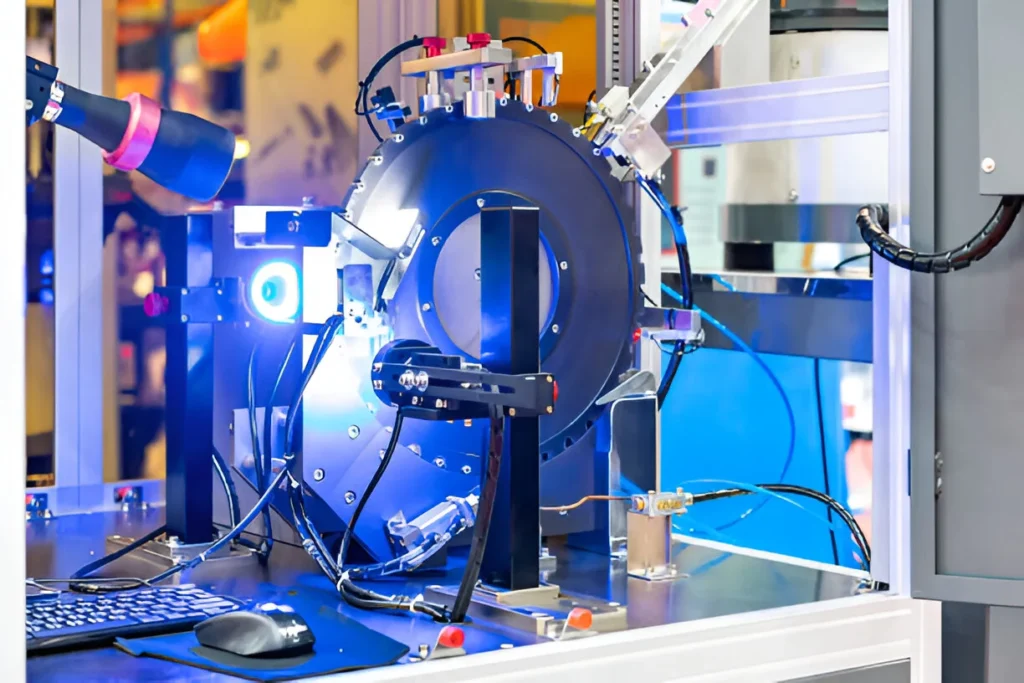
Industrial Automation
Used in large factories for machine coordination.
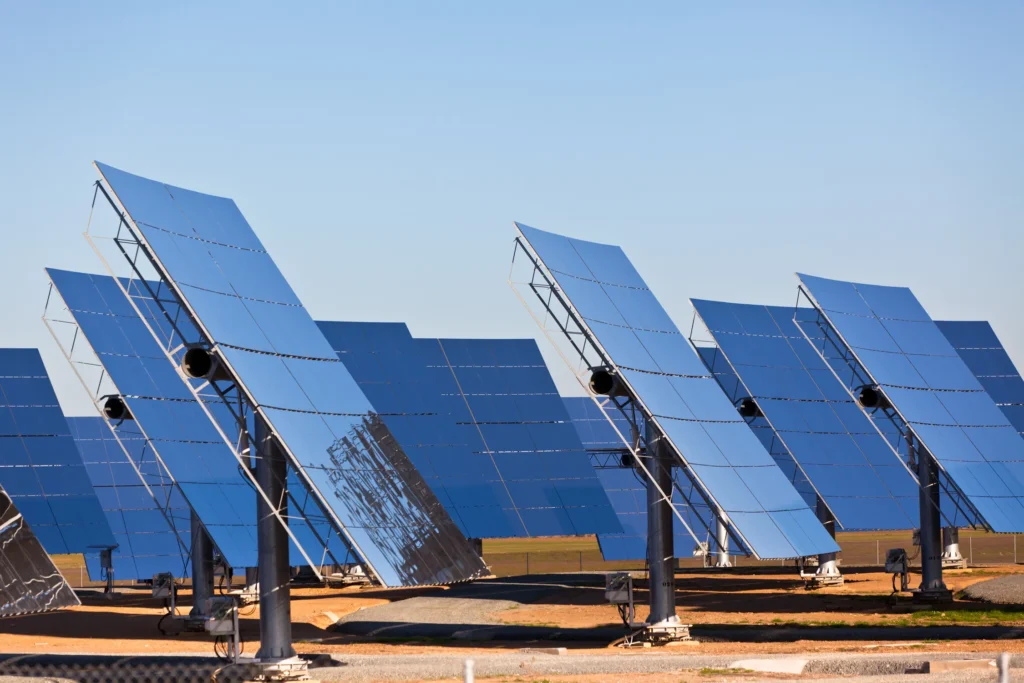
Energy Sector
Wind turbines and solar systems rely on long-range feedback.
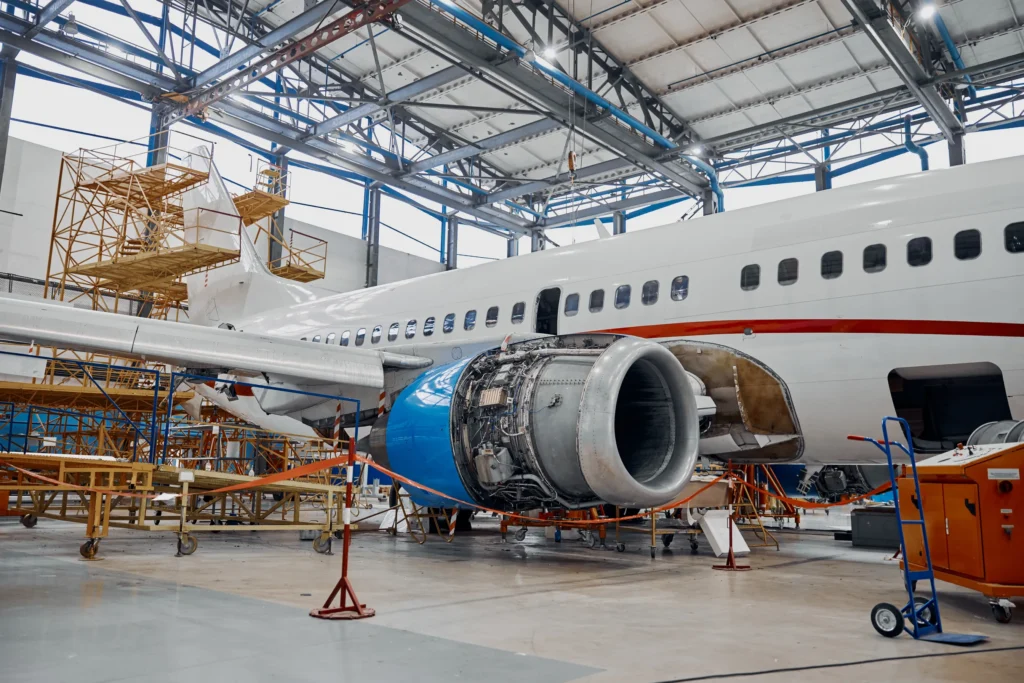
Transportation Systems
Rail and logistics systems require accurate position tracking.
Benefits of Using Long Distance Encoder
Reliable Data Transmission
Maintains stable signal quality over long distances.
Improved System Efficiency
Reduces errors and enhances automation performance.
It is used for transmitting motion data over long distances accurately.
2. How far can signals travel?
Depending on the system, hundreds of meters or more.
3. What improves signal stability?
Shielding, grounding, and proper cable selection.
4. Are these systems expensive?
They can cost more due to advanced technology.
5. Can they work in harsh environments?
Yes, especially magnetic-based systems.
6. Do they require maintenance?
Minimal, if installed correctly.
Conclusion
A long distance encoder plays a critical role in modern industrial systems by ensuring accurate data transmission over extended distances. With proper installation, high-quality components, and smart design, it delivers reliable performance and long-term efficiency.
Table of Contents Understanding Industrial Encoder Technology Modern automation systems require accurate motion feedback to maintain efficiency, safety, and productivity. A heavy duty encoder is designed specifically for industrial environments where standard sensing devices may not provide enough reliability. Factories, production lines, cranes, mining equipment, and energy systems often operate under challenging conditions. Dust, vibration, […]
Table of Contents Introduction to Rotary Encoder Rotary encoder technology is widely used in industrial automation systems to measure rotational movement, position, and speed with high precision. A rotary encoder converts mechanical motion into electrical signals that can be processed by PLCs, servo systems, and industrial controllers. Modern manufacturing systems rely on a rotary encoder […]
Table of Contents Introduction to IP65 Encoder IP65 encoder technology is widely used in industrial automation systems where protection against dust and water is essential. An IP65 encoder is designed to operate reliably in harsh industrial environments while maintaining accurate position and speed feedback. The durable structure of an IP65 encoder helps improve machine stability […]
We use cookies to enhance your browsing experience, serve personalised ads or content, and analyse our traffic. By clicking "Accept All", you consent to our use of cookies.