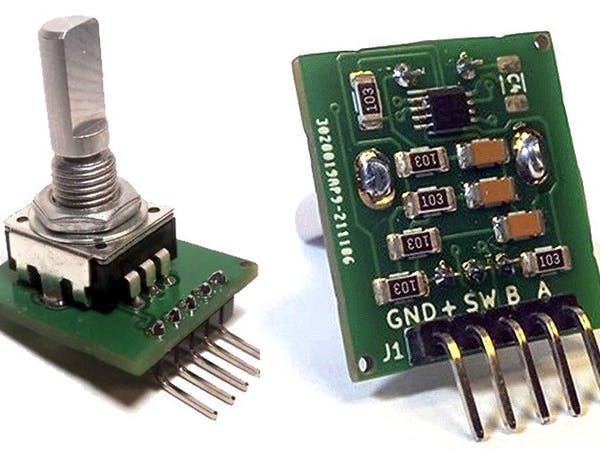
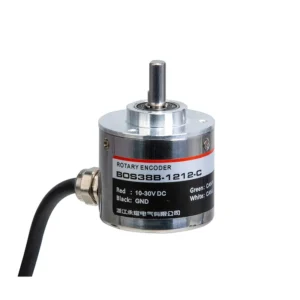
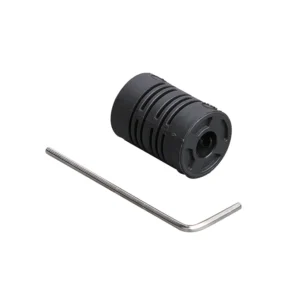
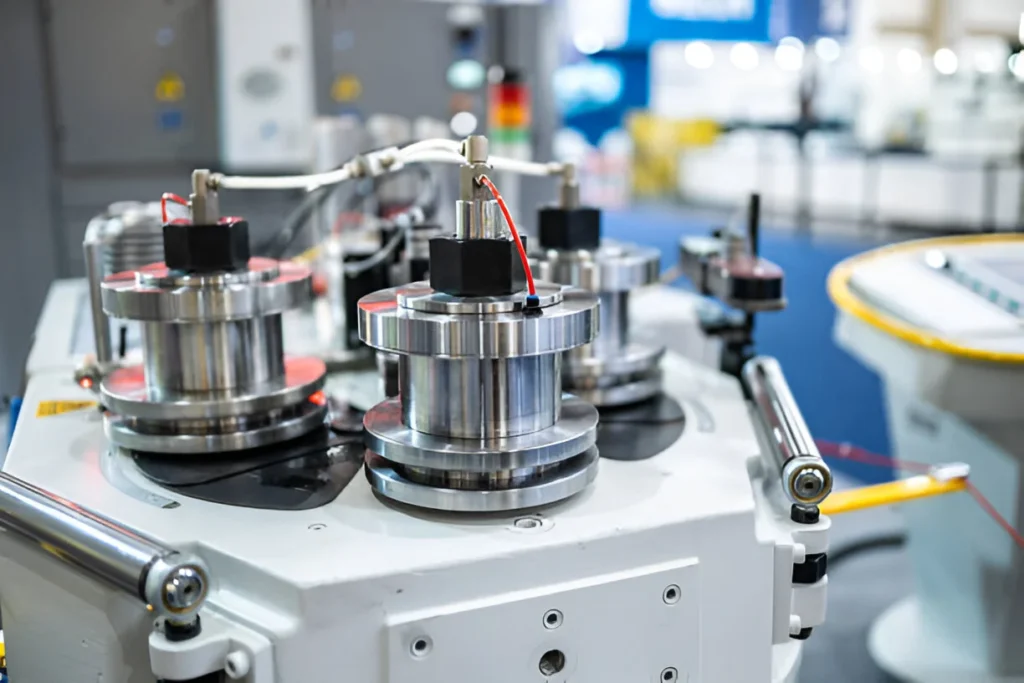
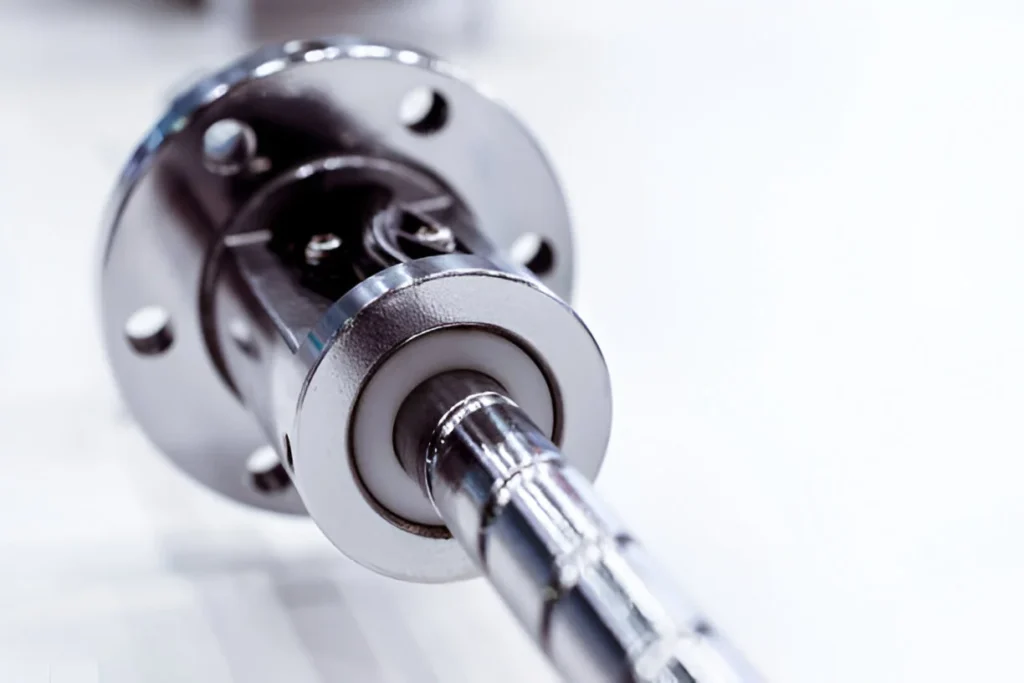
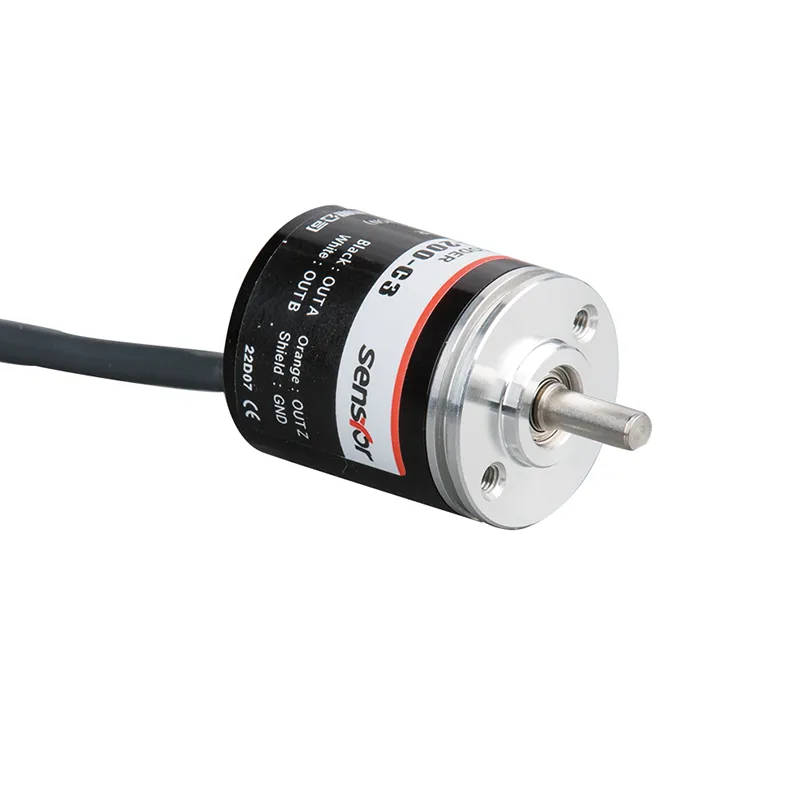
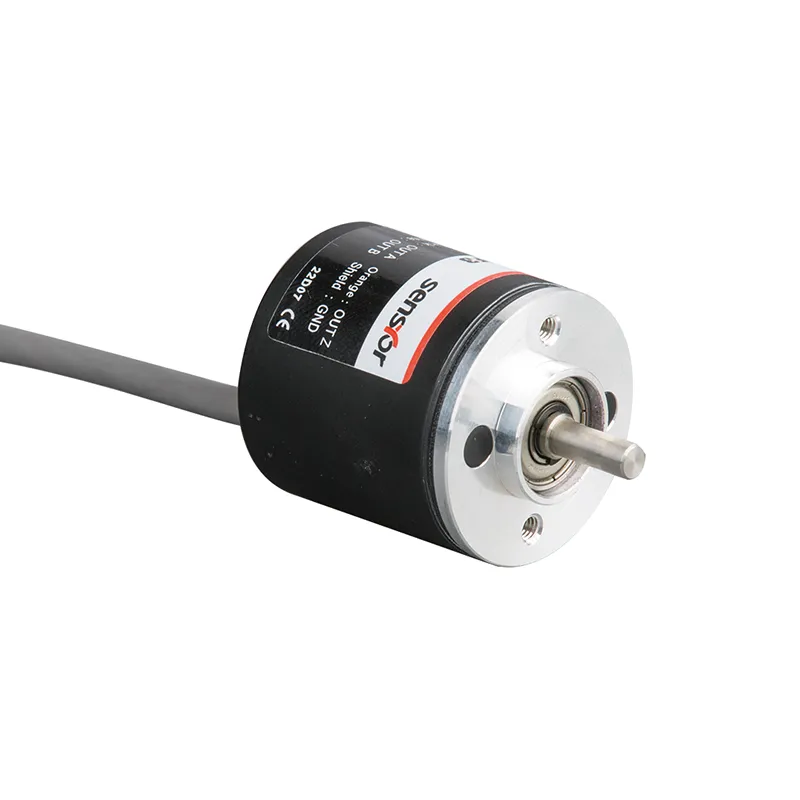
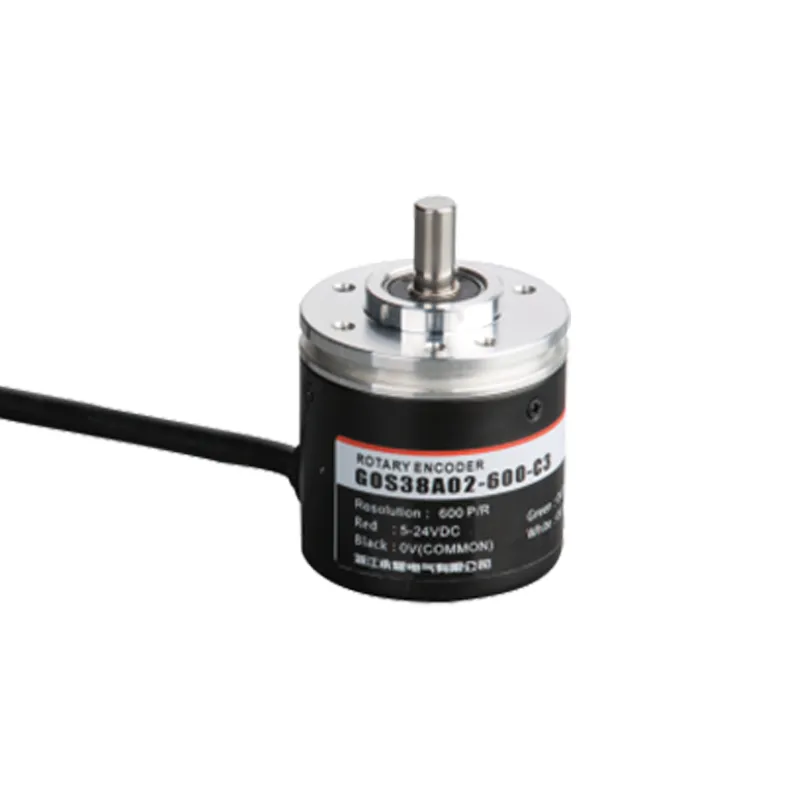
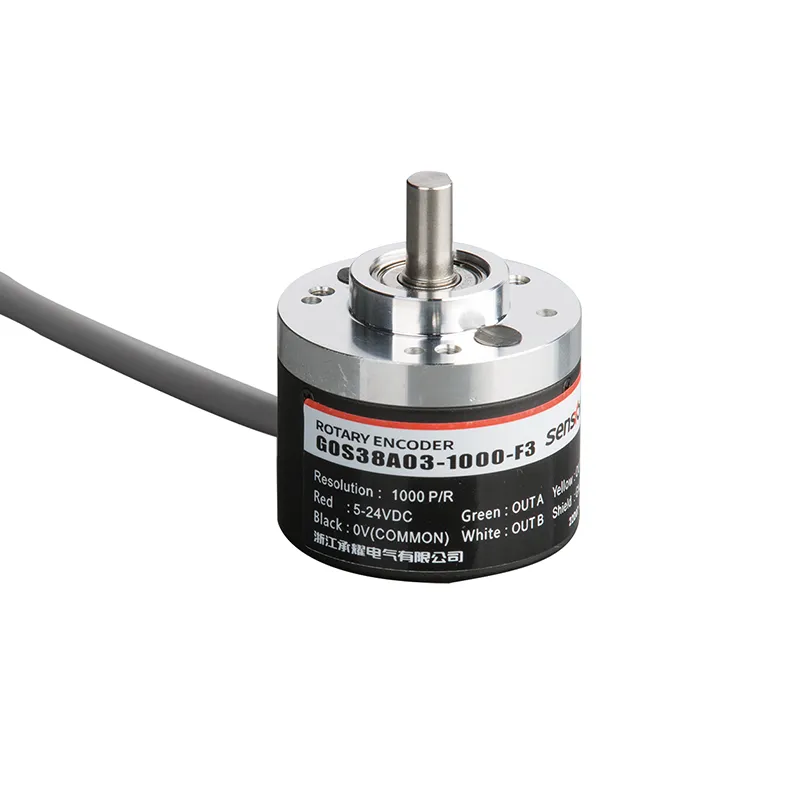
An encoder for industrial automation is a device that converts mechanical motion into electrical signals, which are interpreted by control systems for precise positioning and speed monitoring.
Encoders can be incremental or absolute, depending on whether they provide relative or unique positional data. Modern manufacturing systems rely on these sensors for motion feedback to optimize machine performance and minimize errors.
Key Features of Encoder for Industrial Automation
High Accuracy
Encoders provide precise motion feedback, ensuring consistent positioning and speed control. This is critical in applications like CNC machining or robotic assembly where even minor errors can cause defects.
Durability
Industrial environments are challenging, with dust, vibration, moisture, and temperature fluctuations. Heavy-duty industrial automation encoders are built to withstand these conditions while maintaining accuracy.
Flexible Interfaces
Encoders support multiple output interfaces, such as SSI, CANopen, EtherCAT, Modbus, or incremental pulses, allowing integration with a wide range of industrial controllers.
Applications of Encoder for Industrial Automation
Robotics
Encoders help robotic arms achieve precise movement for assembly, welding, and inspection tasks. Accurate feedback ensures high repeatability and reduces production errors.
CNC Machinery
CNC machines rely on high-resolution encoders to maintain machining accuracy. Feedback signals from encoders help control spindle positioning and cutting operations.
Conveyor Systems
Encoders monitor conveyor speed and synchronization, preventing material handling errors and optimizing throughput.
Packaging Equipment
Encoders ensure packaging machines maintain proper timing, alignment, and motion control for consistent operation.
Benefits of Using Encoder for Industrial Automation
Improved positioning accuracy
Enhanced production efficiency
Better machine synchronization
Reduced maintenance costs
Increased equipment reliability
Higher product quality
Optimized energy usage
Support for predictive maintenance
Technical Specifications
Resolution: Determines the precision of positional feedback; high-resolution encoders offer finer control.
Signal Output: Incremental pulse or absolute data; choose compatible output for your system.
Environmental Protection: Many encoders feature IP65 or IP67 ratings to resist dust and moisture.
Operating Speed: Ensure encoder speed rating matches the application requirements.
How to Choose Encoder for Industrial Automation
Determine required resolution
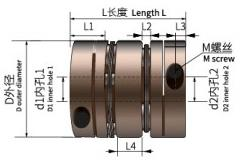
Select compatible shaft size and configuration
Check environmental ratings for dust, moisture, and vibration
Q1: What is an encoder for industrial automation used for? A1: It measures position, speed, and direction in machinery to improve control and accuracy.
Q2: Why is encoder feedback important? A2: Accurate feedback reduces errors, improves production efficiency, and ensures consistent quality.
Q3: Which industries use industrial automation encoders? A3: Manufacturing, robotics, packaging, logistics, and CNC machining rely on encoder technology.
Q4: How do I select the right encoder? A4: Consider resolution, environmental conditions, communication interface, and system compatibility.
Encoder for industrial automation is a key technology for modern manufacturing and smart factories. By providing reliable motion feedback, these devices enhance machine accuracy, operational efficiency, and production quality. Using high-quality encoders helps optimize performance across robotics, CNC systems, conveyors, and packaging equipment, supporting the growth of Industry 4.0 initiatives.
he GOH38AO1 38mm slim 10000P/R rotary encoder is a compact rotary encoder configuration identified by the supplied model name, 38mm slim design, and 10,000 pulses-per-revolution specification. Its compact form can be relevant to industrial machines where installation space is limited while high-resolution rotational feedback is required. A rotary encoder converts shaft rotation into an electrical […]
Modern automation systems depend heavily on precise motion feedback, and incremental encoder are one of the most reliable solutions to achieve it. These compact, cost-effective sensors play a crucial role in measuring speed, direction, and position across countless industrial and automation fields. But when sourcing or integrating them, one detail often raises questions among engineers and technical […]
Choosing the right rotary encoder manufacturer is important for OEMs, machine builders, automation companies, and industrial distributors that depend on consistent motion-feedback components. A suitable supplier should provide more than a product catalog. Buyers should evaluate technical capability, mechanical and electrical specifications, customization options, quality control, production capacity, samples, technical support, and long-term supply capability. […]
We use cookies to enhance your browsing experience, serve personalised ads or content, and analyse our traffic. By clicking "Accept All", you consent to our use of cookies.