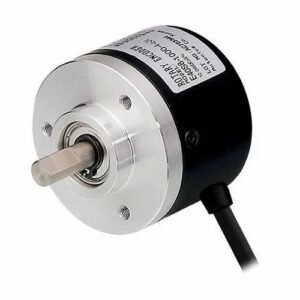
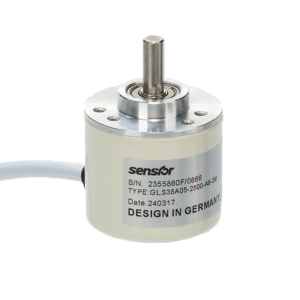
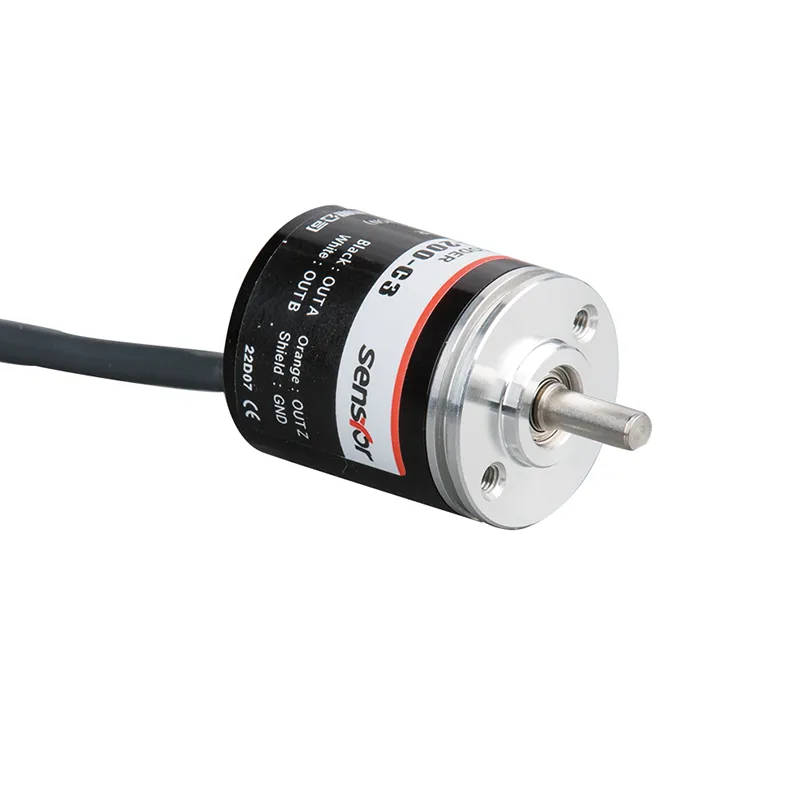
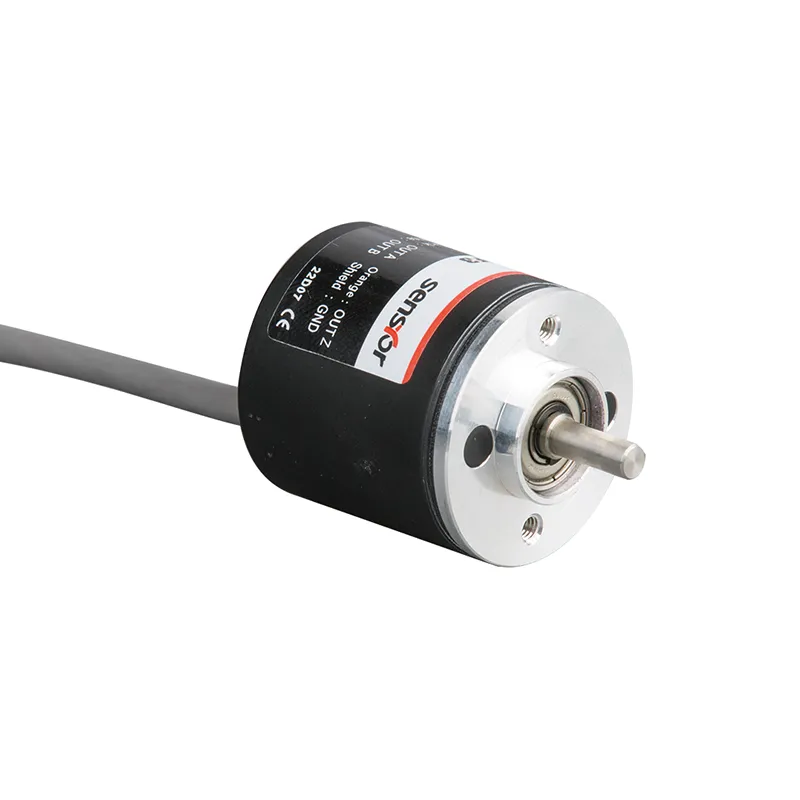
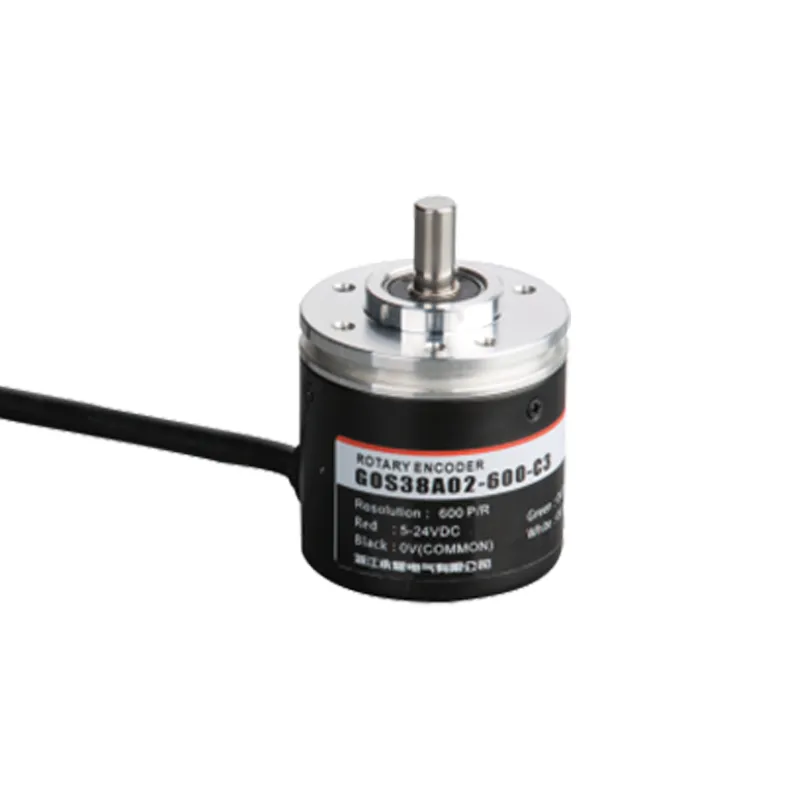
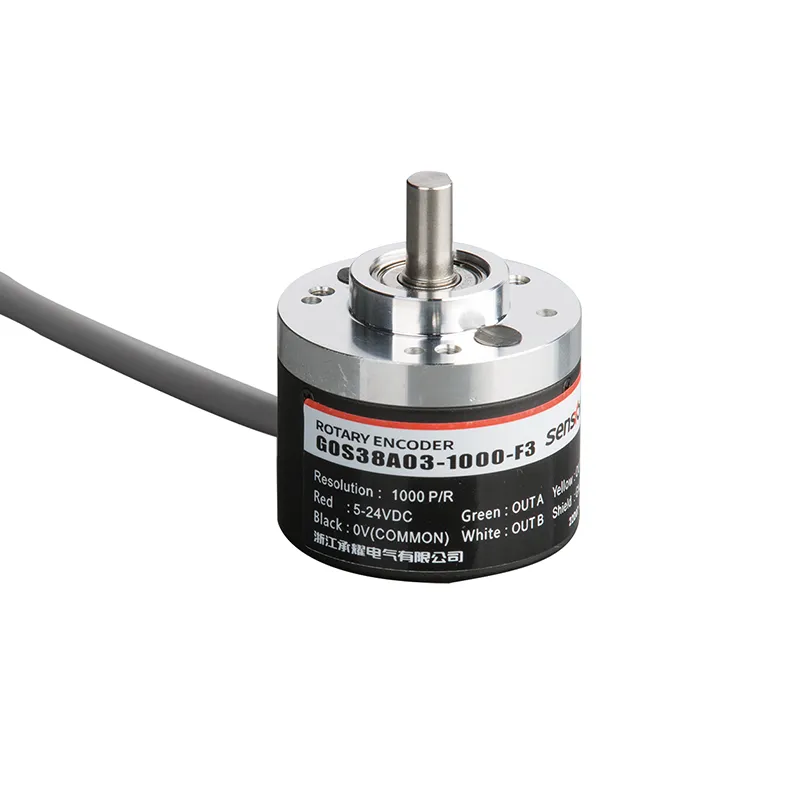
An optical encoder is one of the most widely used sensors in industrial automation, robotics, and motion control systems. It converts mechanical movement into electrical signals, allowing machines to measure position, speed, and direction with exceptional accuracy.
As manufacturing processes become more automated, the demand for reliable sensing solutions continues to increase. Modern motion control applications rely on encoder technology to ensure precision, efficiency, and long-term operational stability.
An optical encoder is an electronic device that detects rotational or linear movement by using light-based sensing technology. It typically consists of a light source, a coded disk, and a photodetector.
As the disk rotates, the sensor detects interruptions in the light beam and converts them into electrical signals. These signals are processed by control systems to determine movement characteristics.
Because of their high accuracy, optical devices are commonly used in applications requiring precise positioning and speed monitoring.
An optical encoder provides accurate position and speed feedback for automated machinery.
How an Optical Encoder Works
The operating principle is relatively straightforward.
A light-emitting diode (LED) shines through a patterned disk attached to a rotating shaft. As the shaft moves, the detector reads changes in the light pattern and generates output signals.
These signals can then be interpreted by:
PLC systems
Servo drives
CNC controllers
Robotics platforms
The result is accurate real-time motion feedback.
Main Types of Optical Encoder
Incremental Optical Encoder
An incremental optical encoder generates pulses during movement.
Benefits include:
Cost-effectiveness
Simple integration
Reliable speed measurement
Common applications include conveyor systems and motor feedback.
Absolute Optical Encoder
An absolute optical encoder provides a unique position value at every shaft location.
Advantages include:
Position retention after power loss
Higher accuracy
Improved system reliability
These devices are widely used in robotics, aerospace, and advanced automation systems.
Key Features of Optical Encoder Technology
High Resolution
One of the biggest strengths of optical technology is its ability to deliver extremely high resolution.
Many industrial models can provide thousands of pulses per revolution, enabling accurate control.
Fast Response Speed
Modern encoder systems process movement data almost instantly.
This fast response supports:
Servo motors
CNC machinery
Automated production lines
Long-Term Stability
High-quality designs maintain performance over long operating periods with minimal drift.
Compact Design
Many models offer compact dimensions while maintaining excellent performance characteristics.
Applications of Optical Encoder Systems
Manufacturing Automation
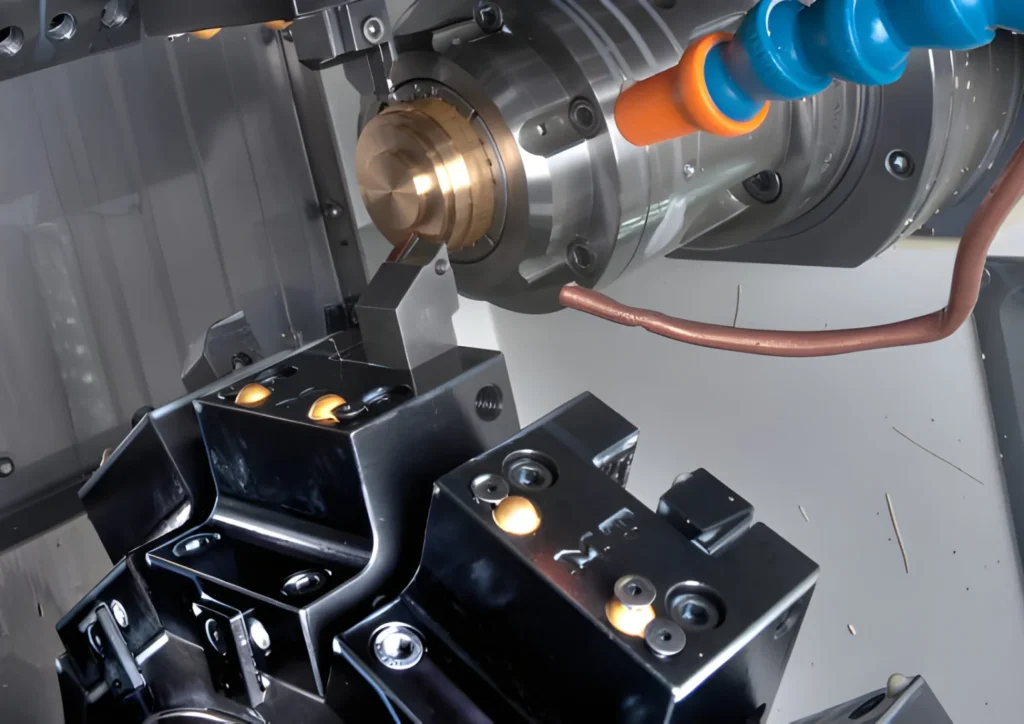
Factories use encoder feedback to monitor machine positioning and production speed.
Robotics
Robotic systems depend on accurate motion data for repeatable movements and positioning.
Table of Contents Introduction 5000PPR encoder is a high-resolution industrial motion feedback device designed for ultra-precise positioning and speed measurement. The 5000PPR encoder generates 5000 pulses per revolution, making it suitable for advanced automation systems requiring extremely fine control. The 5000PPR encoder is widely used in robotics, CNC machines, servo systems, and smart manufacturing environments. […]
Table of contents What Is an Autonics Hollow Shaft Encoder Substitute? Autonics hollow shaft encoder substitute refers to an alternative encoder product that can replace an existing Autonics hollow shaft encoder while maintaining similar or improved performance in industrial applications. Hollow shaft encoders are widely used in automation systems because they can be directly mounted […]
📊 SEO-Optimized Outline (Content AI Structured) Heading Level Topic H1 China Encoder Supplier: 11 Powerful Ways to Choose the Best Manufacturer H2 What is a China Encoder Supplier H2 Why a China Encoder Supplier is Important H2 How a China Encoder Supplier Manufactures Encoders H2 Types of Products from a China Encoder Supplier H3 Optical […]
We use cookies to enhance your browsing experience, serve personalised ads or content, and analyse our traffic. By clicking "Accept All", you consent to our use of cookies.