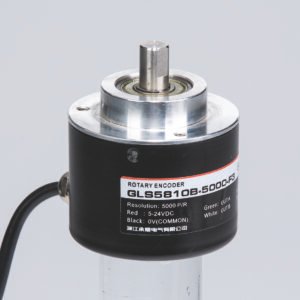
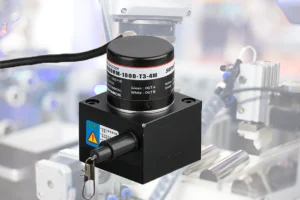
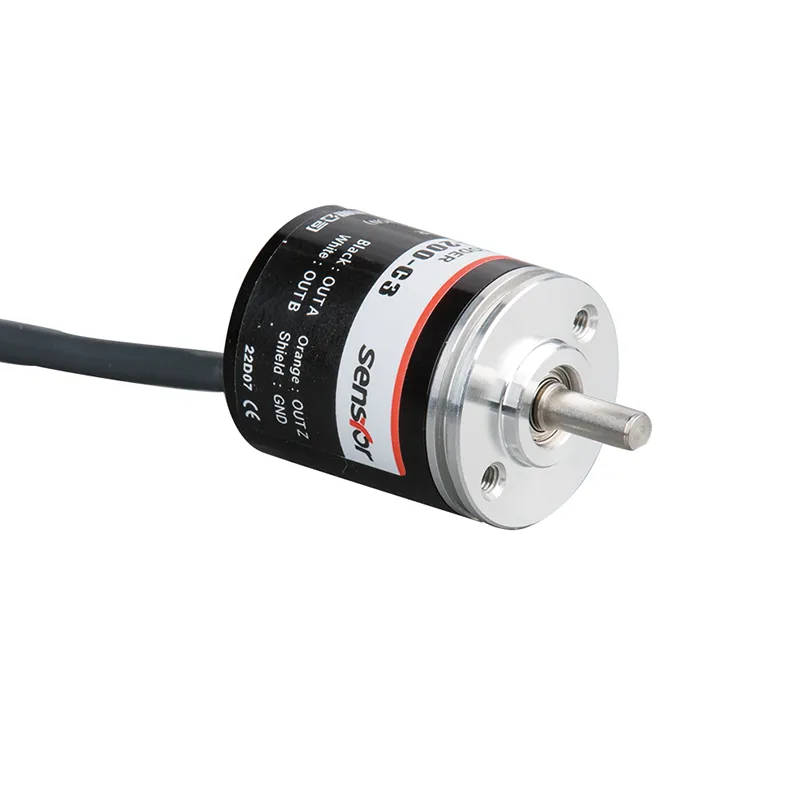
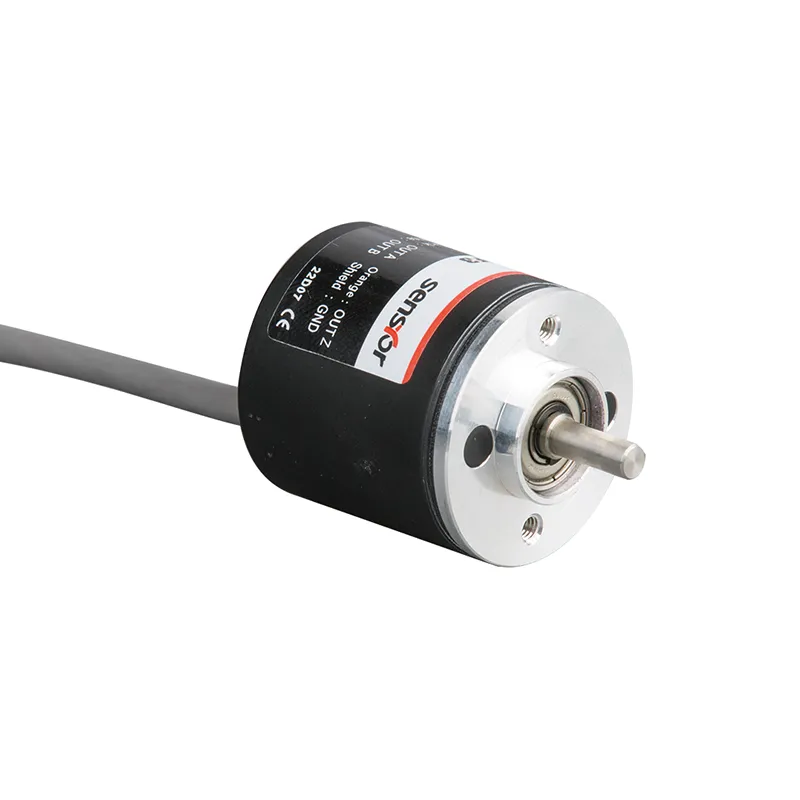
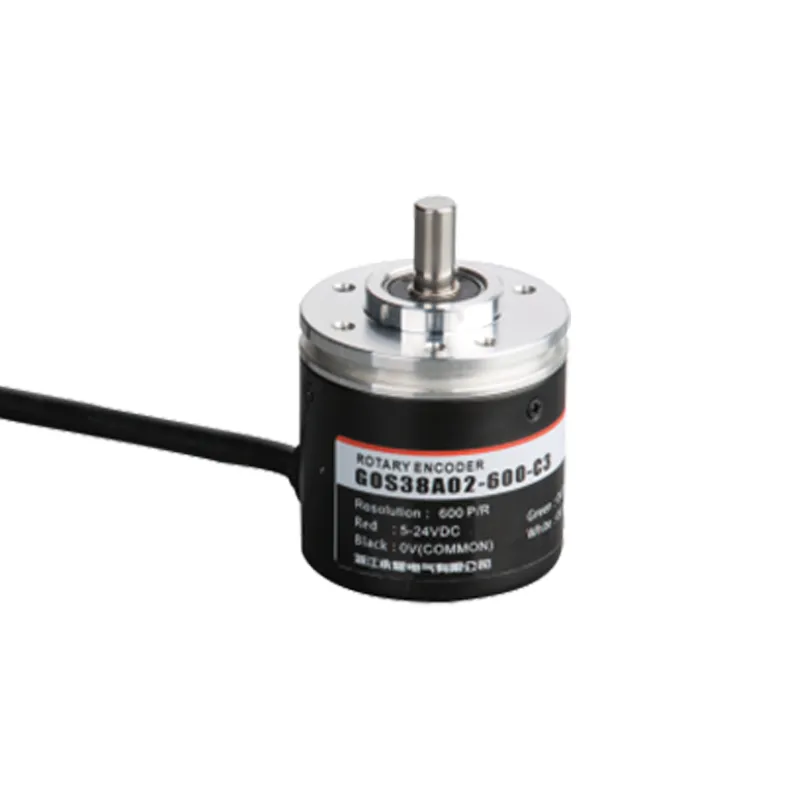
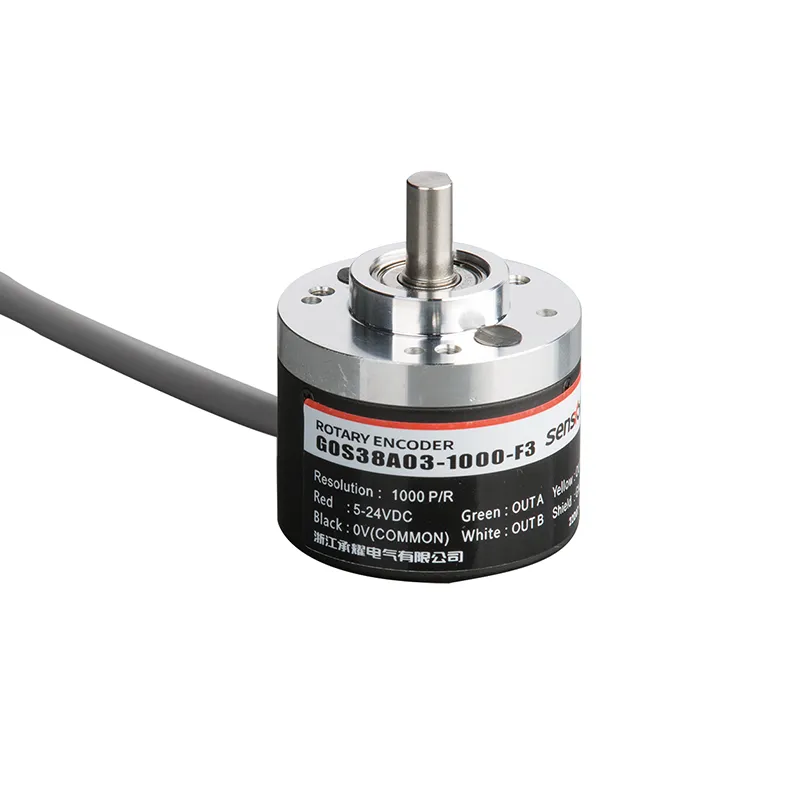
A 40mm encoder is one of the most widely used rotary feedback devices in industrial automation, robotics, CNC machinery, packaging equipment, and motion control systems. Its compact size, reliable performance, and high positioning accuracy make it an ideal choice for engineers seeking dependable motion feedback without occupying excessive installation space.
Whether you’re upgrading an automation system or designing new equipment, understanding how a 40mm rotary encoder works can help you choose the right solution for improved efficiency and precision.
If you’re looking for professional rotary encoder products, visit our product collection:
A 40mm encoder provides accurate rotational feedback for industrial automation systems.
What Is a 40mm Encoder?
A 40mm encoder is a rotary encoder with an outer housing diameter of approximately 40 millimeters. It converts shaft rotation into electrical signals that controllers use to monitor:
Position
Speed
Direction
Rotation angle
These signals enable precise motion control across numerous industrial applications.
Unlike larger encoder models, a compact rotary encoder offers easier installation while maintaining excellent measurement accuracy.
Key Features of a 40mm Rotary Encoder
Modern 40 mm rotary encoder products include numerous advanced features.
Compact Housing
The 40 mm diameter fits installations where mounting space is limited.
High Resolution
Many models provide resolutions ranging from several hundred pulses per revolution up to several thousand PPR.
Excellent Durability
Industrial-grade housings resist:
Dust
Oil
Moisture
Mechanical vibration
Multiple Output Options
Common outputs include:
Incremental
Quadrature
Push-pull
Line driver
Open collector
How a 40mm Encoder Works
A rotary position encoder detects shaft movement using optical or magnetic sensing technology.
The encoder generates electrical pulses as the shaft rotates.
A PLC, servo drive, or motion controller counts these pulses to determine:
Position
Velocity
Direction
Higher pulse counts provide greater positioning accuracy.
Types of 40mm Encoder
Incremental 40mm Encoder
Incremental models generate pulse signals relative to movement.
Advantages include:
Lower cost
Simple integration
High-speed operation
Applications include:
Conveyor systems
Packaging machines
Textile equipment
Absolute 40mm Rotary Encoder
Absolute encoders provide a unique digital position immediately after power-up.
Benefits include:
No homing required
Improved positioning
Better system reliability
Applications of a 40mm Encoder
A 40mm encoder is widely used across many industries.
CNC Machines
Provides accurate spindle positioning.
Robotics
Supports precise joint movement and repeatability.
Printing Equipment
Ensures synchronized roller movement.
Packaging Machinery
Maintains production speed and accurate product positioning.
Conveyor Systems
Measures belt speed and movement.
Automated Warehouses
Helps automated guided vehicles and lifting systems achieve accurate positioning.
Benefits of Using a 40mm Rotary Encoder
Choosing the right industrial rotary encoder offers several advantages.
A 40mm encoder is an excellent choice for industrial automation systems that require compact size, reliable performance, and precise motion feedback. Whether used in CNC machinery, robotics, conveyors, or packaging equipment, the right encoder improves efficiency, positioning accuracy, and overall equipment reliability.
When selecting a rotary encoder, consider factors such as resolution, shaft type, output signal, environmental protection, and compatibility with your control system. Partnering with an experienced supplier like SensyorCoder ensures access to dependable products and expert technical support for a wide range of automation applications.
Table Introduction to 50mm Heavy Duty Rotary Encoder IP65 The 50mm heavy duty rotary encoder IP65 is an advanced industrial motion feedback device designed for demanding automation environments. With a compact 50mm housing size and IP65 protection rating, this type of encoder provides reliable position, speed, and direction feedback even in challenging industrial conditions. Modern […]
Rotary encoders are critical components in modern automation, transforming mechanical rotation into precise electrical signals. These devices measure angular position, speed, and direction, enabling control systems to execute tasks with unmatched accuracy. From industrial machinery to robotics, their role is indispensable. This guide explores the fundamentals of rotary encoders, their operational principles, types, and practical […]
📊 Comprehensive Outline for “high resolution encoder” Heading Level Topic H1 High Resolution Encoder: 13 Key Insights for Precision H2 Introduction to Encoder Technology H3 What is a High Resolution Encoder H3 Why Resolution Matters H2 How High Resolution Encoder Works H3 Signal Generation Process H3 Understanding Resolution and Accuracy H2 Types of High Resolution […]
We use cookies to enhance your browsing experience, serve personalised ads or content, and analyse our traffic. By clicking "Accept All", you consent to our use of cookies.