Key Features of 2500ppr CNC machine rotary encoder
Applications of 2500ppr CNC Machine Rotary Encoder
Benefits of Using a High Precision CNC Encoder
How to Select the Right CNC Rotary Encoder
Installation and Maintenance Guide
Industrial Encoder Solutions from Sensy Rcoder
Frequently Asked Questions
Conclusion
What Is a 2500ppr CNC machine rotary encoder?
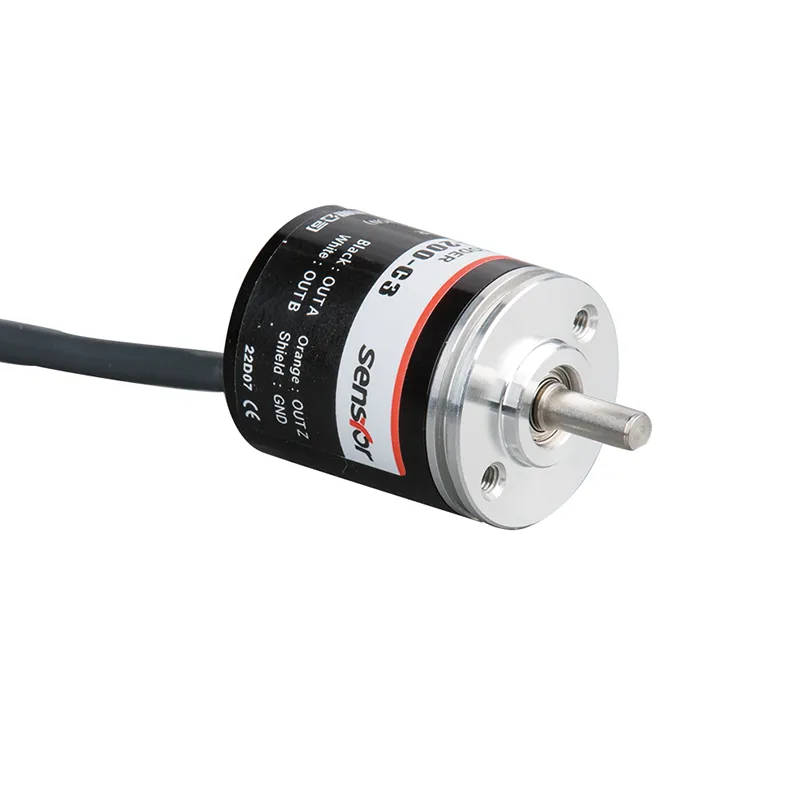
A 2500ppr CNC machine rotary encoder is a precision feedback device designed for CNC machines, automation equipment, and motion control systems. It converts mechanical rotation into electrical pulse signals, allowing CNC controllers to accurately monitor speed, direction, and position.
In CNC machining environments, accuracy is extremely important. A small positioning error can affect surface quality, machining tolerance, and production efficiency. By providing 2500 pulses per revolution (PPR), this type of encoder delivers detailed motion feedback for precise control.
Modern CNC systems rely heavily on rotary encoders because they help synchronize motors, servo drives, and controllers. Whether used in milling machines, turning centers, engraving machines, or automated production equipment, a reliable encoder improves overall machine performance.
For more industrial encoder solutions, visit our product page:
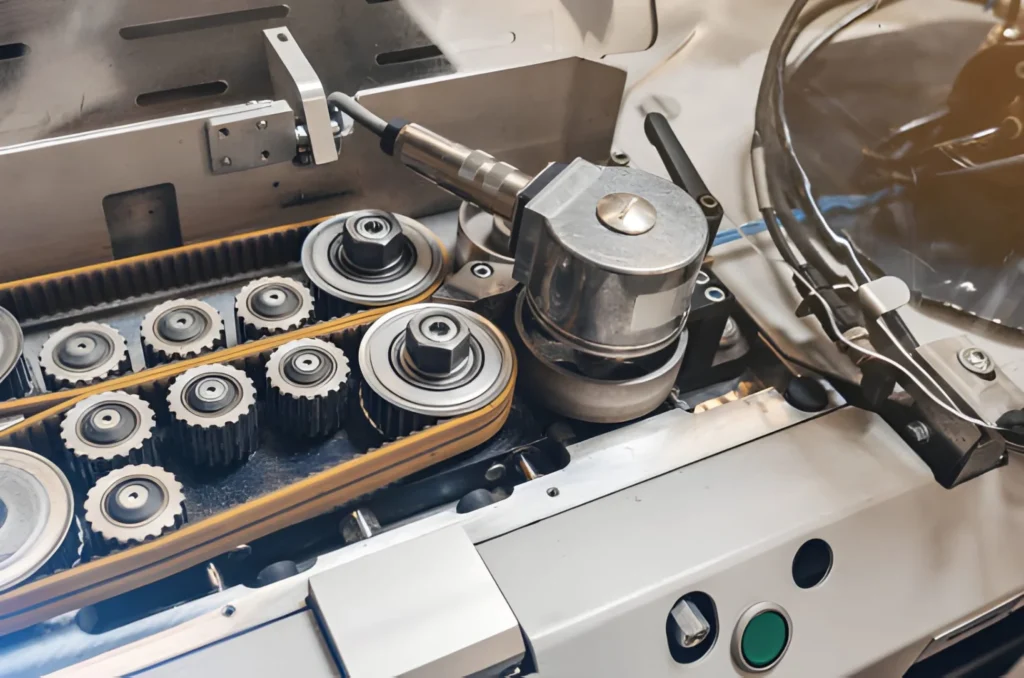
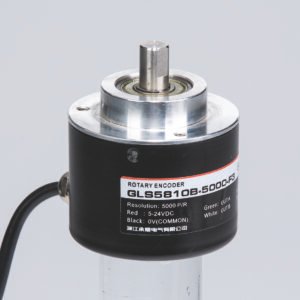
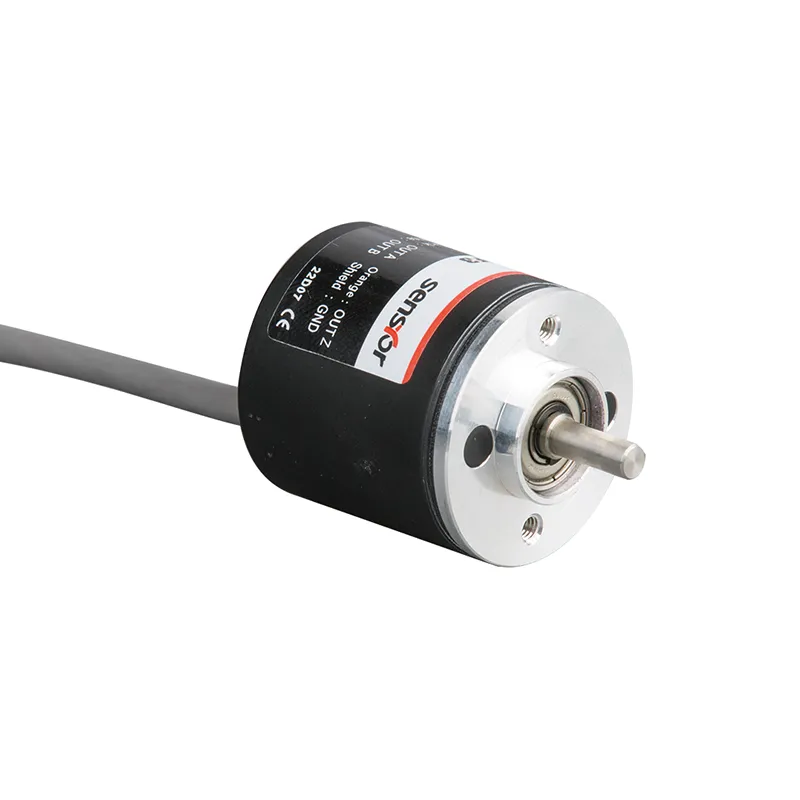
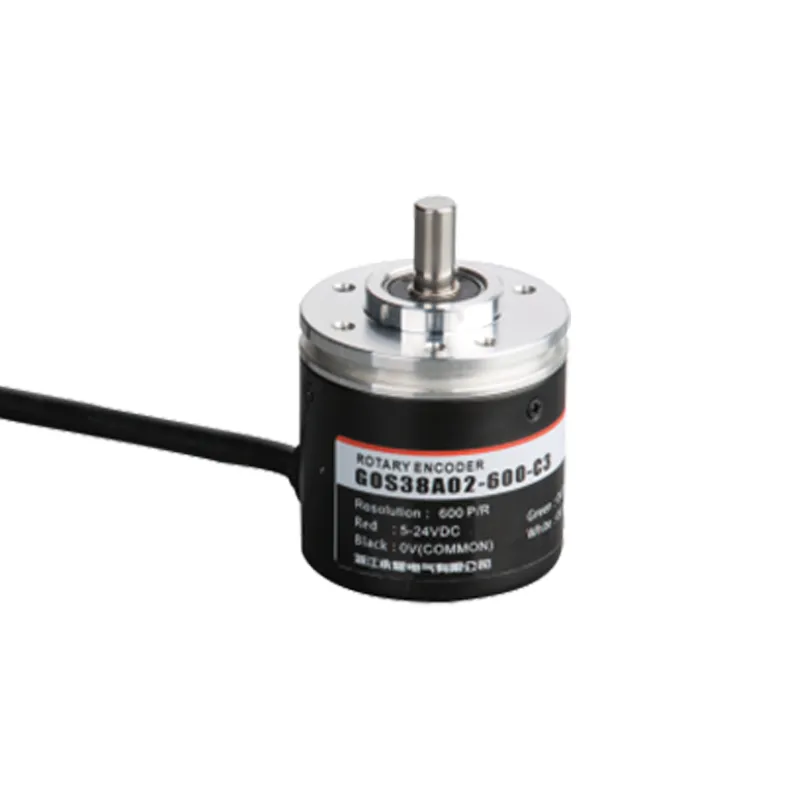
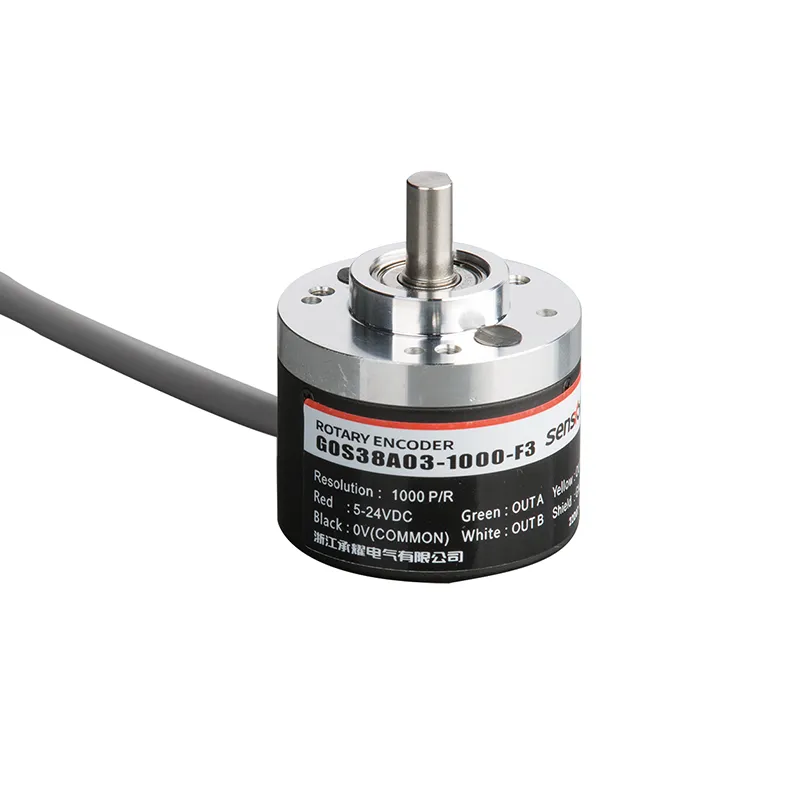
High precision 2500ppr CNC machine rotary encoder providing accurate feedback for CNC motion control systems.
How Does a CNC Rotary Encoder Work?
A rotary encoder works by detecting shaft rotation and converting movement into electrical signals. The CNC controller receives these signals and calculates the exact position and rotational speed of the machine components.
A typical incremental encoder includes:
Rotating code disc
Optical or magnetic sensing components
Signal processing circuits
Output channels such as A/B phase signals
When the encoder shaft rotates, it generates pulses. The controller counts these pulses to determine movement distance and direction.
For CNC applications, higher pulse resolution means finer feedback. This is why many manufacturers choose a 2500ppr CNC machine rotary encoder for applications requiring stable and accurate motion control.
The resolution of an encoder determines how precisely a CNC machine can detect movement. A 2500PPR encoder generates 2500 pulses during one complete rotation, allowing the control system to identify smaller movement changes.
Higher resolution helps CNC machines achieve:
Improved machining accuracy
Better surface finishing
Reduced positioning errors
More stable servo control
Better Speed Monitoring
Besides position detection, encoders also monitor motor speed. This allows CNC controllers to adjust operation parameters automatically and maintain consistent machining performance.
Key Features of 2500ppr CNC machine rotary encoder
Durable Industrial Construction
A quality 2500ppr CNC machine rotary encoder is designed to operate in demanding manufacturing environments. Industrial CNC machines often experience vibration, dust, oil contamination, and temperature changes.
A durable encoder typically includes:
Strong aluminum housing
High-quality bearings
Protective sealing design
Stable electrical output
Multiple Signal Output Options
Different CNC systems require different communication methods. Common encoder output options include:
Output Type
Application
A/B Quadrature
Position and direction feedback
TTL Output
High-speed CNC control
HTL Output
Industrial environments
Line Driver Output
Noise-resistant transmission
Compact Installation Design
Space inside CNC machines can be limited. Compact rotary encoders allow easier installation while maintaining accurate feedback performance.
Applications of 2500ppr CNC Machine Rotary Encoder
CNC Milling Machines
Milling machines require precise control of spindle and axis movement. A high-resolution encoder improves machining accuracy and repeatability.
CNC Turning Machines
Turning operations depend on stable rotation control. The encoder helps maintain consistent spindle speed and accurate positioning.
Automated Manufacturing Equipment
Industrial automation systems use rotary encoders for:
Conveyor positioning
Robotic movement
Servo motor feedback
Production line synchronization
Laser Cutting and Engraving Machines
Precision movement is essential in laser applications. Accurate encoder feedback helps maintain cutting quality and repeatable results.
Benefits of Using a High Precision CNC Encoder
Improved Machine Accuracy
A 2500ppr CNC machine rotary encoder provides detailed feedback, helping CNC controllers achieve accurate positioning.
Increased Production Efficiency
Better motion control reduces errors and improves manufacturing speed.
Whether you need a CNC rotary encoder, incremental encoder, or customized industrial feedback solution, selecting the right encoder can significantly improve machine performance.
Frequently Asked Questions (FAQ)
1. What does 2500PPR mean in a CNC encoder?
2500PPR means the encoder produces 2500 pulses for every complete shaft rotation. It determines the resolution of motion feedback.
2. Is a 2500ppr CNC machine rotary encoder suitable for CNC machines?
Yes. It is commonly used in CNC systems that require accurate speed and position feedback.
3. What is the difference between PPR and resolution?
PPR refers to pulses generated per revolution, while resolution describes the smallest movement change the system can detect.
4. Can this encoder work with servo motors?
Yes. Many CNC servo systems use incremental rotary encoders for motor feedback.
5. How long does a CNC rotary encoder last?
The lifespan depends on operating conditions, installation quality, and maintenance practices. Industrial models are designed for long-term operation.
6. How do I choose the correct encoder for my CNC machine?
A 2500ppr CNC machine rotary encoder is an essential component for improving CNC machine accuracy, speed control, and automation performance. With high-resolution feedback, durable construction, and flexible installation options, it supports reliable operation across many industrial applications.
For manufacturers seeking better machining precision and stable motion control, choosing a professional encoder solution is a valuable investment.
What Is a Nemicon Slim Encoder Equivalent? Nemicon slim encoder equivalent refers to an alternative encoder solution designed to replace or match the performance characteristics of Nemicon slim encoder products. These replacement encoders are developed to provide similar mechanical dimensions, electrical specifications, signal output options, and installation compatibility. In modern industrial automation systems, rotary encoders […]
Industrial automation continues to evolve rapidly, and accurate motion feedback has become more important than ever. A magnetic encoder is one of the most reliable sensing technologies available today. Compared with traditional optical solutions, it offers excellent durability, resistance to contamination, and dependable performance in demanding environments. Whether used in manufacturing equipment, robotics, conveyor systems, […]
Introduction to 2500PPR Encoder A 2500PPR encoder is a type of rotary encoder that generates 2500 pulses per revolution, providing accurate position and speed feedback in motion control systems. This level of resolution makes it suitable for applications that require precise measurement without the cost of ultra-high-resolution devices. Used widely in automation, robotics, and CNC […]
We use cookies to enhance your browsing experience, serve personalised ads or content, and analyse our traffic. By clicking "Accept All", you consent to our use of cookies.