Industrial Encoder: 7 Powerful Insights to Boost Precision and Automation
H2
Introduction to Industrial Encoder
H3
What is an Industrial Encoder?
H3
Importance in Modern Automation
H2
Types of Industrial Encoder
H3
Incremental Encoder
H4
Working Mechanism of Incremental Encoder
H3
Absolute Encoder
H4
Single-turn vs Multi-turn Encoders
H3
Linear vs Rotary Encoders
H2
How Industrial Encoder Works
H3
Basic Operating Principle
H4
Signal Generation and Processing
H3
Optical vs Magnetic Encoding
H2
Key Components of Industrial Encoder
H3
Sensor Elements
H3
Code Disk and Shaft
H3
Electronics and Output Signals
H2
Applications of Industrial Encoder
H3
Manufacturing Automation
H3
Robotics and Motion Control
H3
CNC Machines and Packaging
H2
Advantages of Using Industrial Encoder
H3
Precision and Accuracy
H3
Reliability in Harsh Environments
H3
Improved Efficiency
H2
Challenges and Limitations
H3
Environmental Sensitivity
H3
Cost Considerations
H2
Choosing the Right Industrial Encoder
H3
Factors to Consider
H3
Industry-Specific Requirements
H2
Installation and Maintenance Tips
H3
Proper Mounting Techniques
H3
Troubleshooting Common Issues
H2
Future Trends in Industrial Encoder Technology
H3
Smart Encoders and IoT Integration
H3
Advancements in Sensor Technology
H2
Frequently Asked Questions (FAQs)
H2
Conclusion
📘 Introduction to Industrial Encoder
What is an Industrial Encoder?
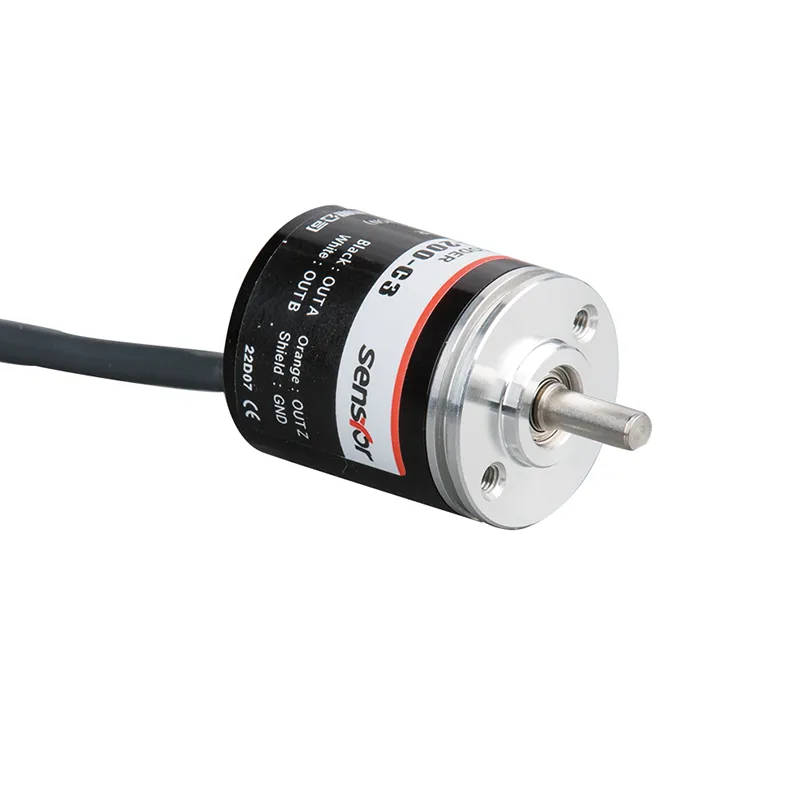
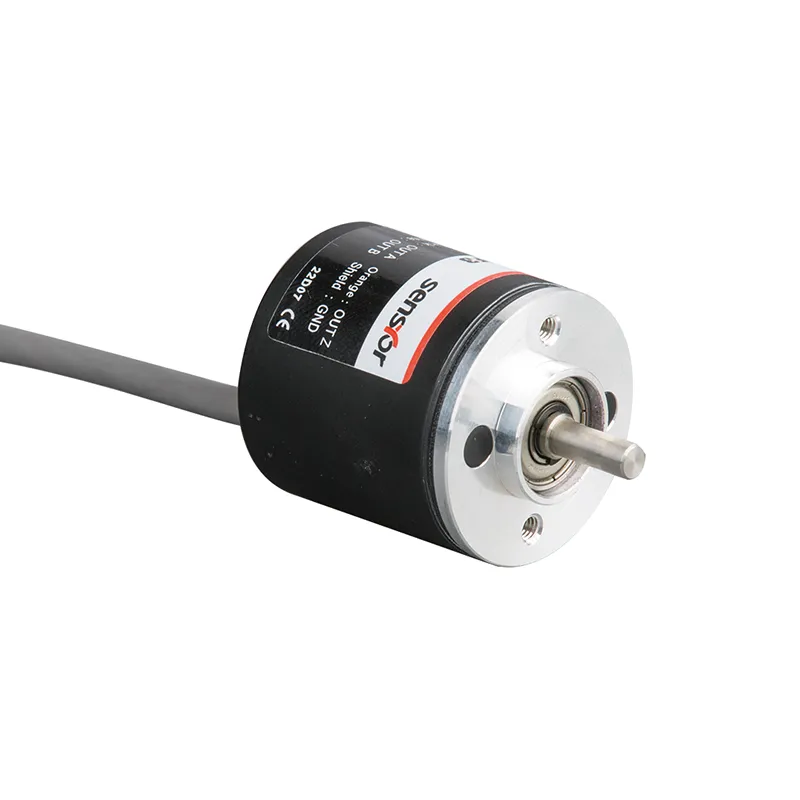
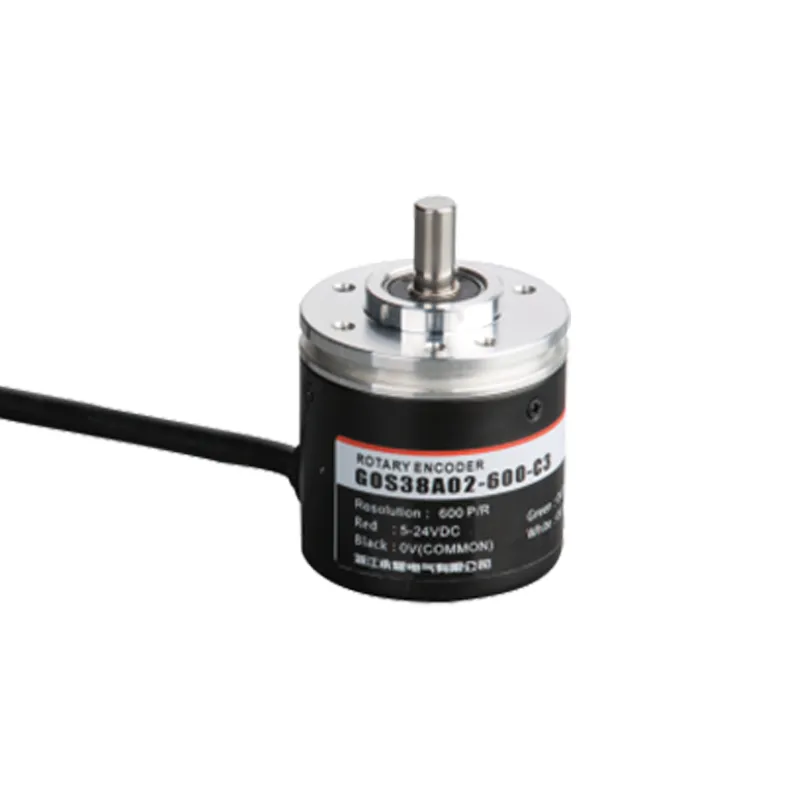
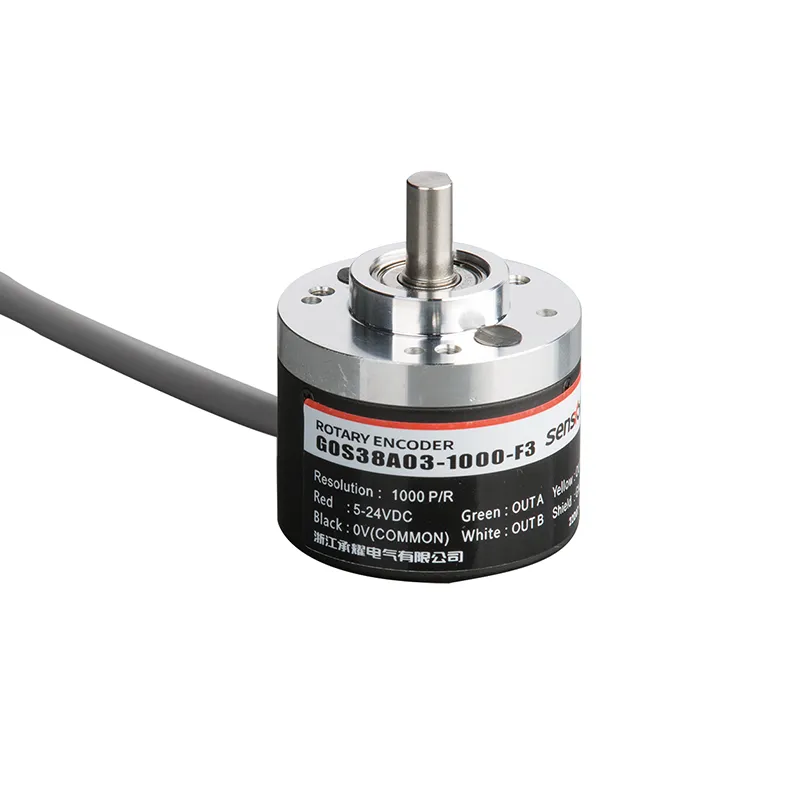
An industrial encoder is a sensor device that converts motion—either linear or rotational—into electrical signals. These signals are then used by control systems to monitor position, speed, and direction. In simple terms, it acts like the “eyes” of a machine, helping it understand how fast or how far something has moved.
Industrial encoder systems are widely used in automation, robotics, and manufacturing industries. They ensure machines perform tasks with high precision, which is essential in today’s fast-paced industrial environment.
Importance in Modern Automation
In modern factories, accuracy is everything. Even a tiny misalignment can lead to defective products or production delays. That’s where an industrial encoder plays a key role. It provides real-time feedback, allowing machines to adjust instantly and maintain consistent performance.
From conveyor belts to robotic arms, industrial encoders help improve productivity, reduce waste, and ensure safety. Without them, many automated processes would simply not function effectively.
🔄 Types of Industrial Encoder
Incremental Encoder
An incremental encoder generates pulses as it rotates. Each pulse represents a specific movement, allowing systems to track speed and position.
Working Mechanism of Incremental Encoder
These encoders use a rotating disk with evenly spaced slots. As the disk spins, sensors detect interruptions in light or magnetic fields, producing electrical pulses. By counting these pulses, the system determines motion.
Incremental encoders are popular because they are cost-effective and simple to use. However, they lose position data when power is turned off.
Absolute Encoder
Unlike incremental encoders, an absolute encoder provides a unique position value for every point of rotation. This means it always knows its exact position—even after a power loss.
Single-turn vs Multi-turn Encoders
Single-turn encoders measure position within one rotation.
Multi-turn encoders track multiple rotations, making them ideal for complex machinery.
Linear vs Rotary Encoders
Linear encoders measure straight-line motion.
Rotary encoders track rotational movement.
Both types are essential depending on the application, such as conveyor systems (linear) or motors (rotary).
⚙️ How Industrial Encoder Works
Basic Operating Principle
At its core, an industrial encoder detects motion and converts it into an electrical signal. This signal is then interpreted by a control system, such as a PLC (Programmable Logic Controller).
Signal Generation and Processing
Encoders generate signals in different forms:
Analog signals
Digital pulses
Serial communication data
These signals are processed to determine:
Position
Speed
Direction
Optical vs Magnetic Encoding
Optical encoders use light beams and sensors for high precision.
Magnetic encoders rely on magnetic fields and are more durable in harsh environments.
Optical encoders offer better accuracy, while magnetic encoders are more resistant to dust, vibration, and moisture.
🧩 Key Components of Industrial Encoder
Sensor Elements
Sensors detect changes in motion and convert them into signals. These can be optical sensors or magnetic sensors depending on the encoder type.
Code Disk and Shaft
The code disk is attached to a rotating shaft. It contains patterns that help generate signals as it moves.
Electronics and Output Signals
Internal electronics process the signals and send them to control systems. Outputs can vary based on application needs.
🏭 Applications of Industrial Encoder
Manufacturing Automation
Industrial encoder devices are heavily used in automated production lines. They ensure precise movement of machinery, improving efficiency and reducing errors.
Robotics and Motion Control
In robotics, encoders provide feedback for positioning robotic arms. This ensures accurate and repeatable movements.
CNC Machines and Packaging
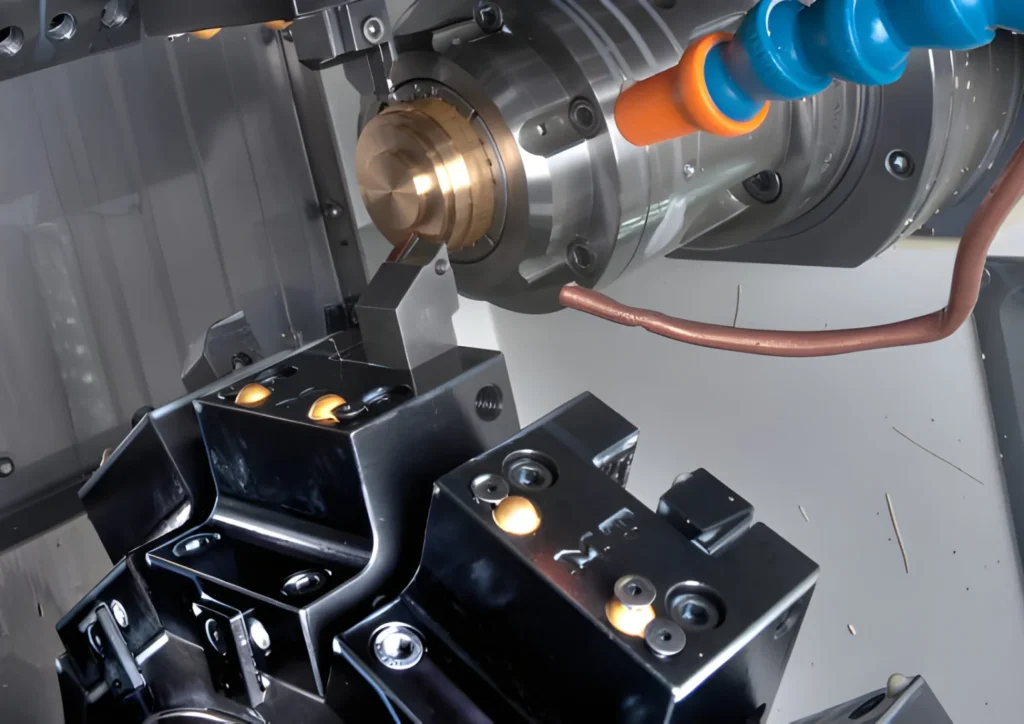
Encoders are essential in CNC machines for precise cutting and shaping. In packaging, they help control speed and alignment.
🚀 Advantages of Using Industrial Encoder
Precision and Accuracy
Encoders provide highly accurate data, ensuring consistent machine performance.
Reliability in Harsh Environments
Many industrial encoders are designed to withstand extreme conditions like heat, dust, and vibration.
Improved Efficiency
By providing real-time feedback, encoders help optimize processes and reduce downtime.
⚠️ Challenges and Limitations
Environmental Sensitivity
Optical encoders can be affected by dust and dirt, which may interfere with light signals.
Cost Considerations
High-precision encoders can be expensive, especially for advanced applications.
🧠 Choosing the Right Industrial Encoder
Factors to Consider
When selecting an industrial encoder, consider:
Resolution requirements
Operating environment
Mounting type
Output signal type
Industry-Specific Requirements
Different industries have unique needs. For example:
Food industry requires hygienic designs
Heavy industries need rugged encoders
🔧 Installation and Maintenance Tips
Proper Mounting Techniques
Ensure proper alignment and secure mounting to avoid errors and damage.
Troubleshooting Common Issues
Common problems include:
Signal loss
Misalignment
Electrical interference
Regular maintenance can prevent these issues.
🔮 Future Trends in Industrial Encoder Technology
Smart Encoders and IoT Integration
Modern encoders are becoming smarter, with built-in diagnostics and connectivity features. They can communicate with cloud systems for predictive maintenance.
Advancements in Sensor Technology
New sensor technologies are improving accuracy, durability, and performance.
❓ Frequently Asked Questions (FAQs)
1. What is the main purpose of an industrial encoder?
It converts motion into electrical signals to track position, speed, and direction.
2. What is the difference between incremental and absolute encoders?
Incremental encoders track movement changes, while absolute encoders provide exact position data.
3. Where are industrial encoders used?
They are used in automation, robotics, CNC machines, and manufacturing systems.
4. Which encoder is better: optical or magnetic?
Optical offers higher precision, while magnetic is more durable in harsh conditions.
5. Can industrial encoders work in extreme environments?
Yes, many are designed to handle heat, dust, and vibration.
6. How do I choose the right industrial encoder?
Consider resolution, environment, application, and compatibility with your system.
🏁 Conclusion
The industrial encoder is a vital component in modern automation systems. It ensures precision, enhances efficiency, and supports advanced machine operations. As industries continue to evolve, the demand for high-performance encoders will only grow.
By understanding the types, working principles, and applications of industrial encoders, businesses can make informed decisions and stay ahead in a competitive mark
A hollow shaft rotary encoder is a rotary feedback device designed to mount directly onto a rotating shaft through a hollow or bore-style shaft configuration. Compared with some solid-shaft encoder installations, a hollow shaft design can simplify mechanical integration by allowing the encoder to fit over an existing machine shaft. Hollow shaft rotary encoders can […]
An optical encoder is one of the most widely used sensors in industrial automation, robotics, and motion control systems. It converts mechanical movement into electrical signals, allowing machines to measure position, speed, and direction with exceptional accuracy. As manufacturing processes become more automated, the demand for reliable sensing solutions continues to increase. Modern motion control […]
Table of Contents Introduction 5000PPR encoder is a high-resolution industrial motion feedback device designed for ultra-precise positioning and speed measurement. The 5000PPR encoder generates 5000 pulses per revolution, making it suitable for advanced automation systems requiring extremely fine control. The 5000PPR encoder is widely used in robotics, CNC machines, servo systems, and smart manufacturing environments. […]
We use cookies to enhance your browsing experience, serve personalised ads or content, and analyse our traffic. By clicking "Accept All", you consent to our use of cookies.