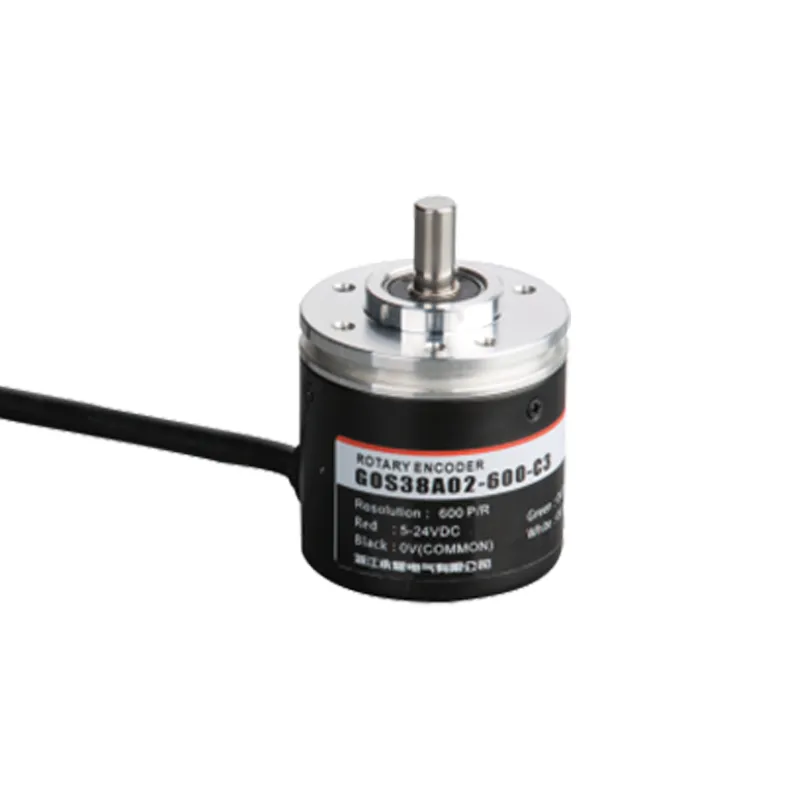
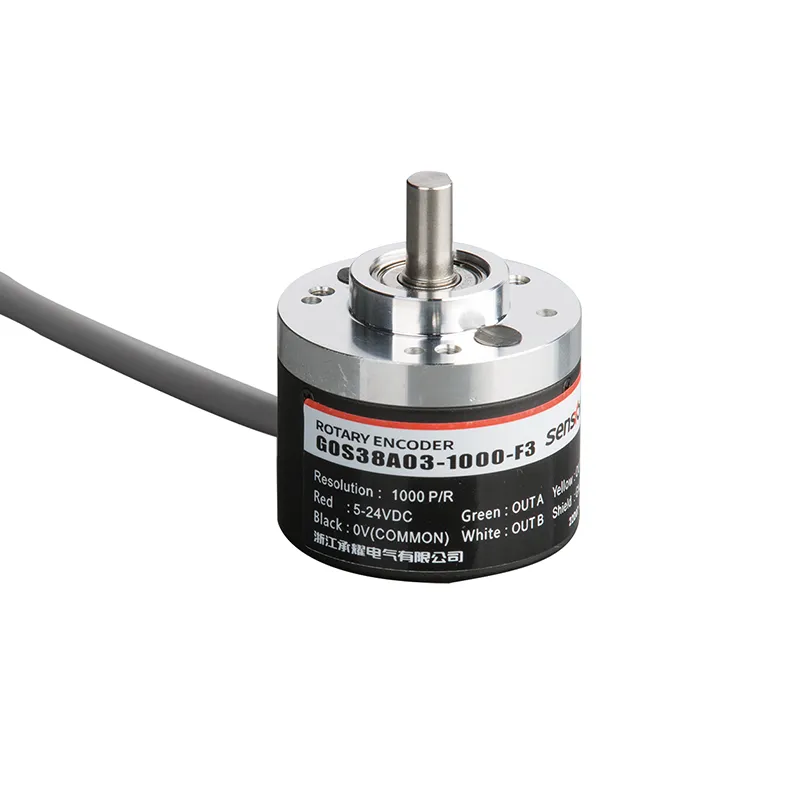
An incremental encoder is an electromechanical device that converts rotary or linear motion into a series of electrical pulses. These pulses provide information about speed, direction, distance, and relative position.
In modern automation systems, an incremental encoder plays a crucial role in ensuring accurate motion control. Manufacturing lines, robotic systems, packaging equipment, conveyors, and CNC machinery all rely on encoder feedback for efficient operation.
Unlike absolute encoders, an incremental encoder measures changes in position rather than providing a unique position value. This design makes it cost-effective, reliable, and widely adopted across industrial applications.
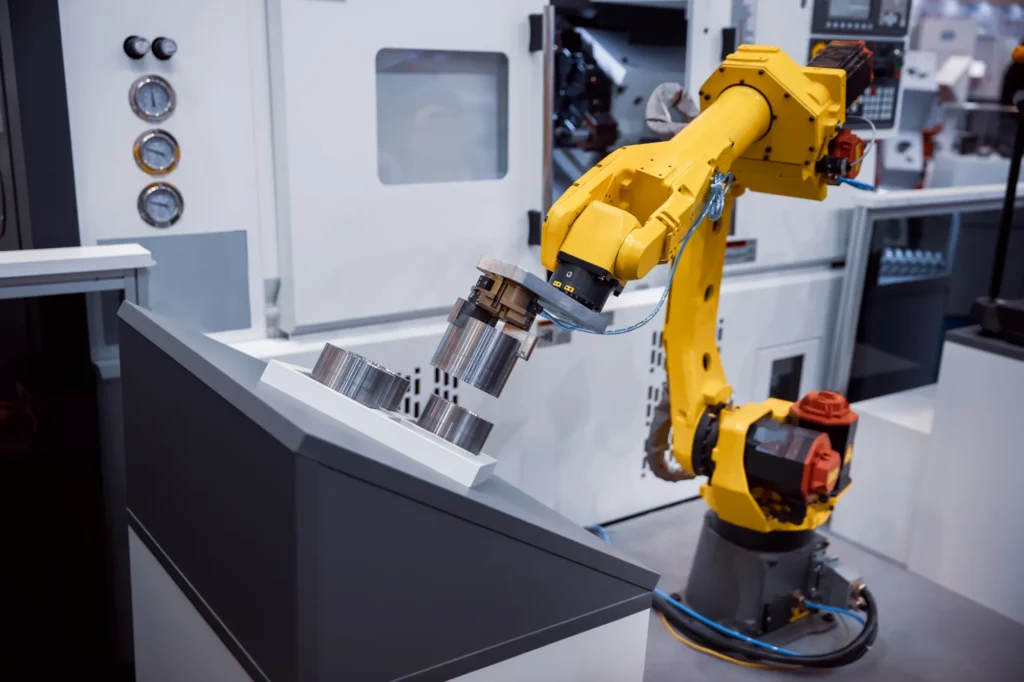
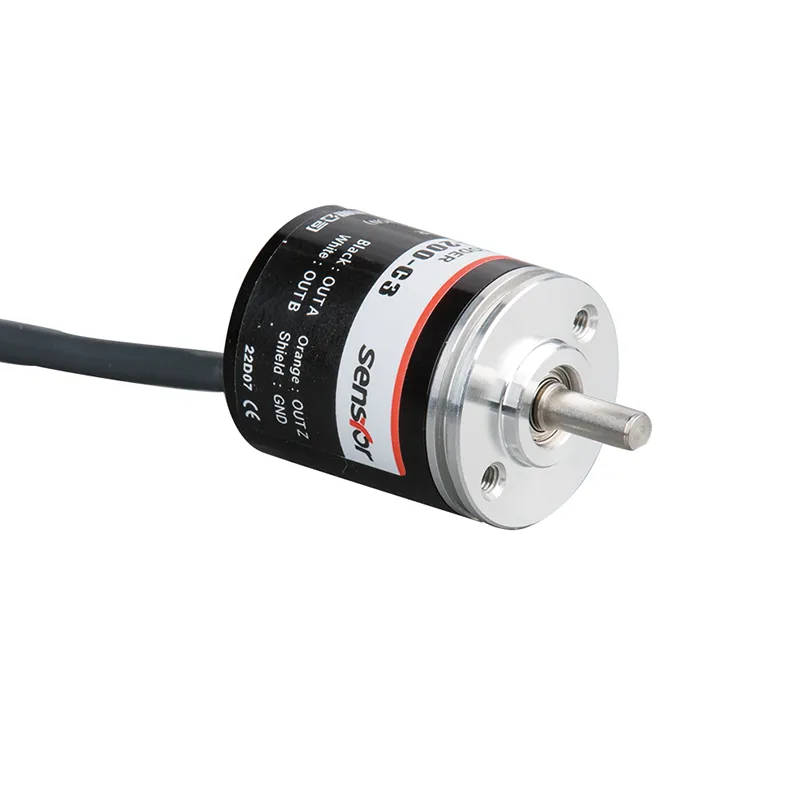
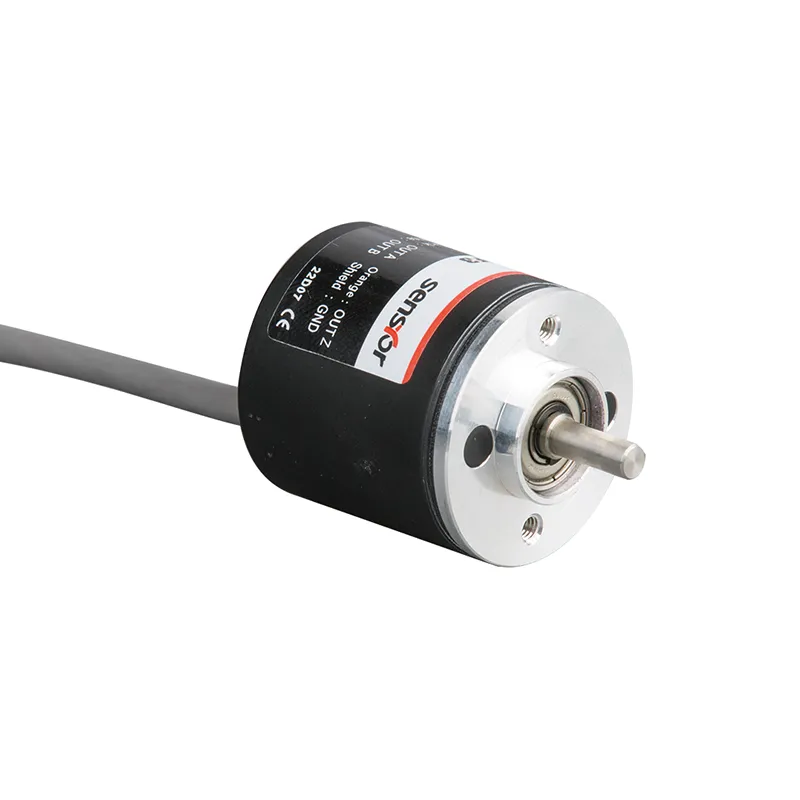
Incremental encoder used for precise speed and position feedback in industrial automation systems.
How an Incremental Encoder Works
An incremental encoder generates pulse signals as its shaft rotates.
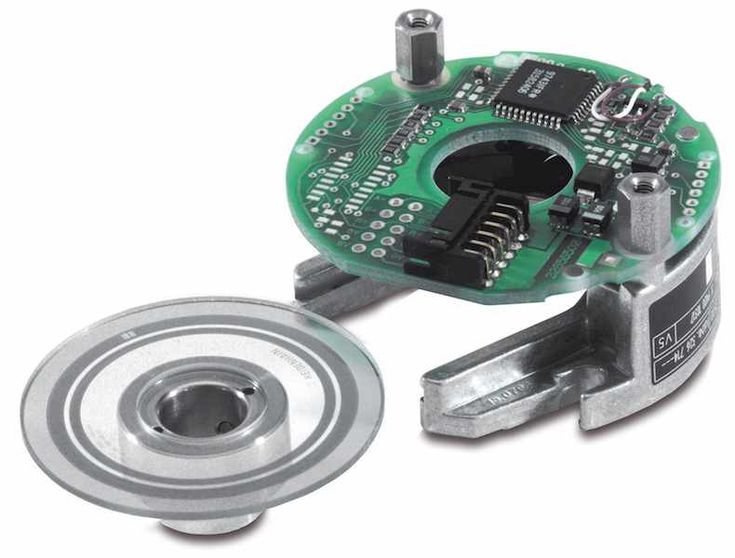
The encoder contains a rotating disk with evenly spaced markings. As the disk moves, optical or magnetic sensors detect these markings and create electrical pulses.
Typical output channels include:
Channel A
Channel B
Index Channel Z
These channels allow the control system to determine:
Rotational speed
Direction of movement
Relative position
Travel distance
The number of pulses generated per revolution (PPR) determines measurement resolution.
Key Features of an Incremental Encoder
High Measurement Accuracy with Incremental Encoder Technology
An incremental encoder provides highly accurate feedback for machine control applications.
Durable Incremental Encoder Construction
Industrial-grade encoder housings are designed to withstand:
Dust
Moisture
Vibration
Mechanical shock
Flexible Incremental Encoder Integration
Most incremental encoder models support common industrial interfaces and can be integrated into existing automation systems without major modifications.
Compact Incremental Encoder Design
Many manufacturers offer compact solutions suitable for confined installation spaces.
Types of Incremental Encoder Designs
Several encoder configurations are available depending on application requirements.
Hollow Shaft Incremental Encoder
A hollow shaft incremental encoder mounts directly onto a motor shaft, reducing installation complexity.
Solid Shaft Incremental Encoder
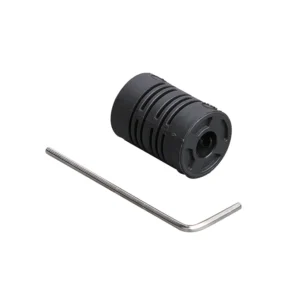
A solid shaft incremental encoder uses couplings and mounting brackets for secure installation.
Optical Incremental Encoder
Optical models deliver high precision and are commonly used in advanced automation systems.
Magnetic Incremental Encoder
Magnetic versions offer excellent performance in dirty and harsh industrial environments.
Incremental Encoder Output Signals
Understanding signal outputs helps engineers choose the correct encoder.
Common outputs include:
Signal Type
Application
TTL
High-speed digital systems
HTL
Industrial PLC environments
Push-Pull
General automation
Open Collector
Cost-sensitive applications
Line Driver
Long-distance transmission
The choice of output depends on controller compatibility and installation requirements.
Applications of Incremental Encoder Technology
Incremental Encoder in Manufacturing
Production lines use encoder feedback for accurate positioning and speed control.
Incremental Encoder in Robotics
Robotic systems depend on encoder signals to execute precise movement sequences.
Incremental Encoder in Packaging Machines
Packaging equipment uses encoders to synchronize labeling, filling, and sealing operations.
Incremental Encoder in Conveyor Systems
Conveyors use encoder feedback to maintain speed consistency and product tracking.
Incremental Encoder in CNC Machinery
CNC machines require accurate encoder data for precision machining operations.
Benefits of Using an Incremental Encoder
Industrial users choose incremental encoder solutions because they offer several advantages.
Cost-Effective Performance
Compared with many positioning technologies, an incremental encoder provides excellent value.
Reliable Motion Feedback
Continuous pulse output allows accurate monitoring of machine movement.
Easy Installation
Most encoder models support straightforward installation procedures.
Wide Industrial Compatibility
An incremental encoder can integrate with PLCs, servo drives, motion controllers, and industrial computers.
Long Service Life
Industrial encoders are designed for demanding operating environments and long-term reliability.
Incremental Encoder vs Absolute Encoder
Many engineers compare these technologies before selecting a solution.
Feature
Incremental Encoder
Absolute Encoder
Position Retention
No
Yes
Cost
Lower
Higher
Installation
Simple
Moderate
Speed Feedback
Excellent
Excellent
Relative Position
Yes
Yes
Absolute Position
No
Yes
An incremental encoder is often the preferred option when cost efficiency and speed measurement are primary requirements.
How to Select the Right Incremental Encoder
Several factors should be evaluated before purchase.
Resolution Requirements
Choose an encoder with appropriate pulses per revolution (PPR).
Environmental Conditions
Consider:
Temperature
Humidity
Dust exposure
Vibration levels
Output Interface
Verify compatibility with existing control systems.
Mounting Style
Determine whether hollow shaft or solid shaft installation is required.
Protection Rating
For harsh environments, select IP65, IP67, or higher-rated products.
Industrial Encoder Solutions from SensyorCoder
For reliable industrial motion feedback solutions, explore the complete encoder portfolio available from SensyorCoder.
An incremental encoder remains one of the most widely used motion feedback devices in industrial automation. Its affordability, reliability, and compatibility make it an excellent choice for manufacturing, robotics, packaging, and motion control applications. By understanding encoder types, output signals, installation requirements, and environmental considerations, engineers can select the most effective solution for their systems.
Table of Contents Introduction Encoder for CNC technology plays a critical role in modern machining systems. An encoder for CNC provides real-time position and speed feedback, allowing machine tools to achieve precise movement and repeatable accuracy. Whether used in milling machines, lathes, routers, or machining centers, an encoder for CNC helps manufacturers improve productivity and […]
📊 Comprehensive Outline for Magnetic Encoder Heading Level Topic H1 Magnetic Encoder: Complete Guide H2 Introduction to Magnetic Encoder H3 What is a Magnetic Encoder? H3 Importance in Modern Technology H2 How a Magnetic Encoder Works H3 Basic Working Principle H4 Magnetic Field Detection H4 Signal Processing H2 Types of Magnetic Encoders H3 Incremental Magnetic […]
We use cookies to enhance your browsing experience, serve personalised ads or content, and analyse our traffic. By clicking "Accept All", you consent to our use of cookies.