Optical Encoder: Complete Guide to Precision Motion Control

Optical Encoder: Complete Guide to Precision Motion Control

An optical encoder is one of the most widely used sensors in industrial automation, robotics, and motion control systems. It converts mechanical movement into electrical signals, allowing machines to measure position, speed, and direction with exceptional accuracy.

As manufacturing processes become more automated, the demand for reliable sensing solutions continues to increase. Modern motion control applications rely on encoder technology to ensure precision, efficiency, and long-term operational stability.

For industrial-grade encoder solutions, visit:

https://sensyorcoder.net/products


Table of Contents

  • What Is an Optical Encoder?
  • How an Optical Encoder Works
  • Main Types of Optical Encoder
  • Key Features of Optical Encoder Technology
  • Applications of Optical Encoder Systems
  • Advantages of Using an Optical Encoder
  • Optical Encoder vs Magnetic Encoder
  • Choosing the Right Optical Encoder
  • Maintenance and Installation Tips
  • Frequently Asked Questions

What Is an Optical Encoder?

An optical encoder is an electronic device that detects rotational or linear movement by using light-based sensing technology. It typically consists of a light source, a coded disk, and a photodetector.

As the disk rotates, the sensor detects interruptions in the light beam and converts them into electrical signals. These signals are processed by control systems to determine movement characteristics.

Because of their high accuracy, optical devices are commonly used in applications requiring precise positioning and speed monitoring.


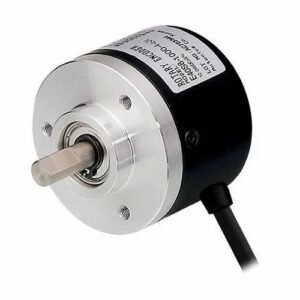
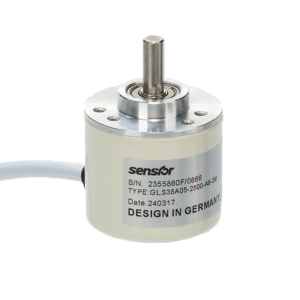
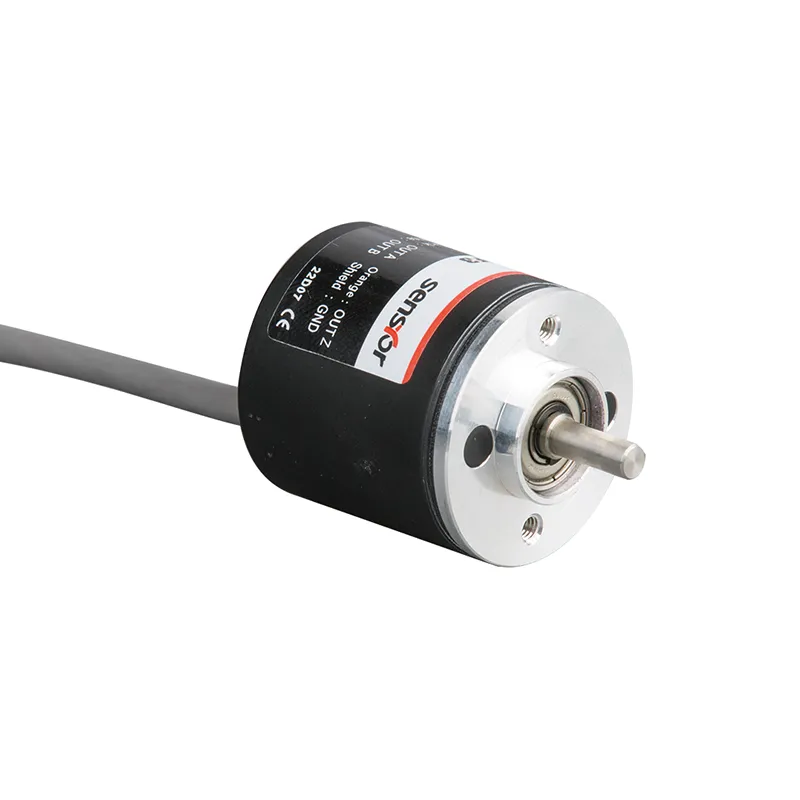
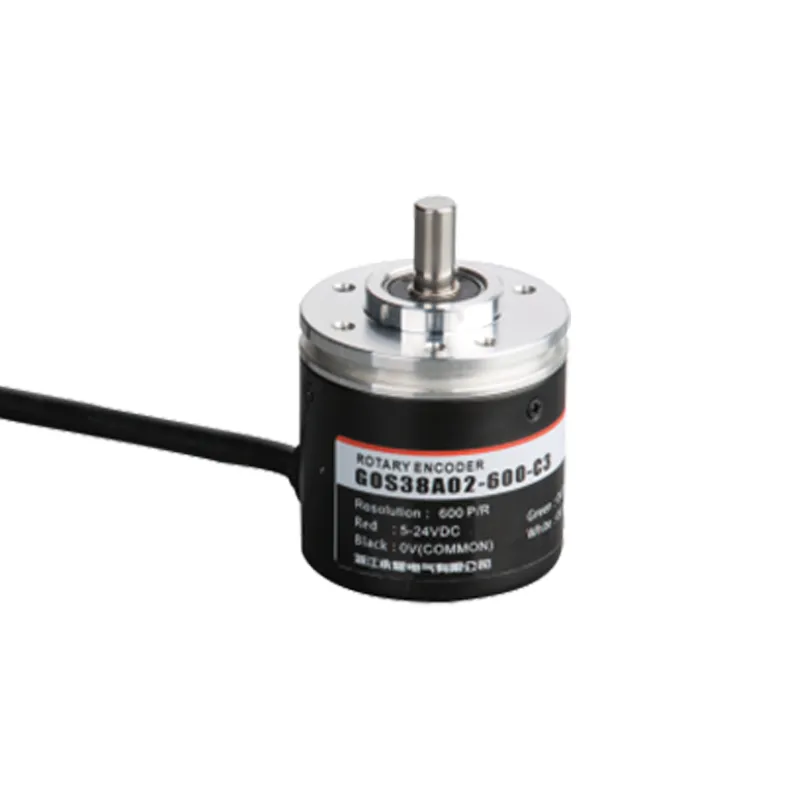
optical encoder used in industrial automation equipment
An optical encoder provides accurate position and speed feedback for automated machinery.

How an Optical Encoder Works

The operating principle is relatively straightforward.

A light-emitting diode (LED) shines through a patterned disk attached to a rotating shaft. As the shaft moves, the detector reads changes in the light pattern and generates output signals.

These signals can then be interpreted by:

  • PLC systems
  • Servo drives
  • CNC controllers
  • Robotics platforms

The result is accurate real-time motion feedback.


Main Types of Optical Encoder

Incremental Optical Encoder

An incremental optical encoder generates pulses during movement.

Benefits include:

  • Cost-effectiveness
  • Simple integration
  • Reliable speed measurement

Common applications include conveyor systems and motor feedback.

Absolute Optical Encoder

An absolute optical encoder provides a unique position value at every shaft location.

Advantages include:

  • Position retention after power loss
  • Higher accuracy
  • Improved system reliability

These devices are widely used in robotics, aerospace, and advanced automation systems.


Key Features of Optical Encoder Technology

High Resolution

One of the biggest strengths of optical technology is its ability to deliver extremely high resolution.

Many industrial models can provide thousands of pulses per revolution, enabling accurate control.

Fast Response Speed

Modern encoder systems process movement data almost instantly.

This fast response supports:

  • Servo motors
  • CNC machinery
  • Automated production lines

Long-Term Stability

High-quality designs maintain performance over long operating periods with minimal drift.

Compact Design

Many models offer compact dimensions while maintaining excellent performance characteristics.


Applications of Optical Encoder Systems

Manufacturing Automation

Factories use encoder feedback to monitor machine positioning and production speed.

Robotics

Robotic systems depend on accurate motion data for repeatable movements and positioning.

CNC Machines

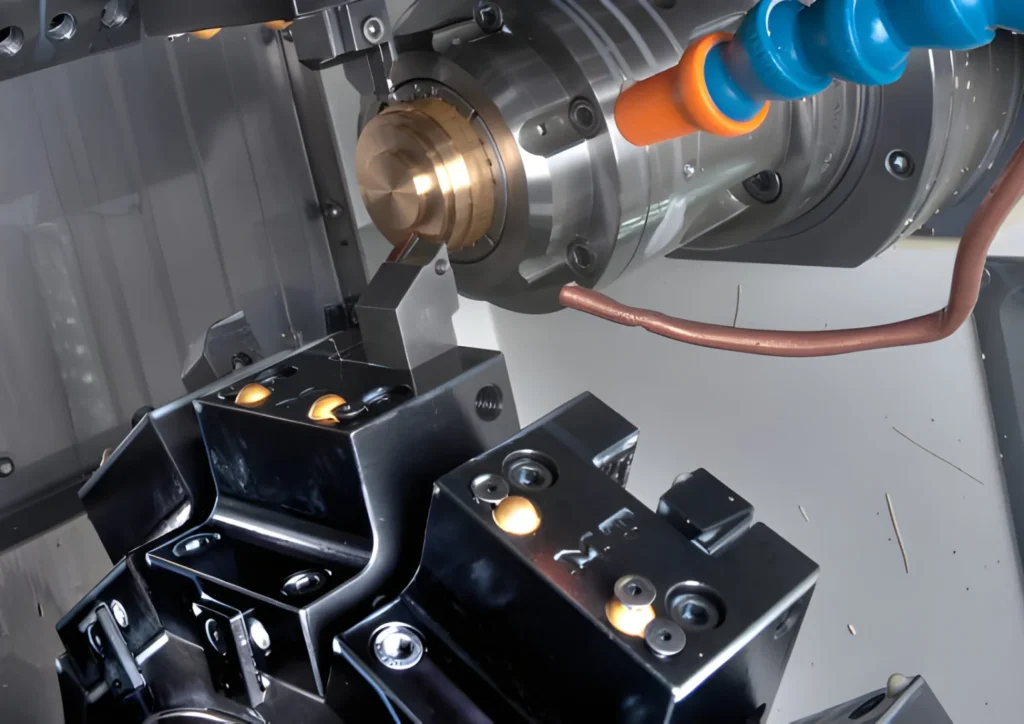
Computer-controlled machining equipment uses encoder technology to achieve precise cutting operations.

Packaging Equipment

Packaging lines use motion feedback devices to synchronize production processes and reduce errors.

Medical Equipment

Many medical devices incorporate encoder technology to ensure accurate movement control.


Advantages of Using an Optical Encoder

Exceptional Accuracy

Optical sensing provides very precise measurements compared to many alternative technologies.

Reliable Performance

High-quality products maintain stable output signals even during continuous operation.

Improved Productivity

Accurate motion feedback reduces downtime and improves production efficiency.

Better Process Control

Manufacturers can achieve tighter tolerances and more consistent results.


Optical Encoder vs Magnetic Encoder

FeatureOptical EncoderMagnetic Encoder
AccuracyVery HighHigh
ResolutionExcellentGood
CostModerateModerate
Dust ResistanceModerateExcellent
Precision ApplicationsBest ChoiceGood Choice

The ideal solution depends on environmental conditions and application requirements.


Choosing the Right Optical Encoder

When selecting a suitable product, consider:

Resolution Requirements

Determine the number of pulses or position points needed.

Environmental Conditions

Evaluate:

  • Temperature
  • Dust levels
  • Moisture exposure
  • Vibration

Output Interface

Common options include:

  • TTL
  • HTL
  • SSI
  • CANopen
  • EtherCAT

Mechanical Installation

Verify shaft size, mounting method, and available installation space.

For additional product options, visit:

https://sensyorcoder.net/products


Maintenance and Installation Tips

Proper installation helps maximize service life.

Best practices include:

  • Ensure shaft alignment
  • Protect cables from damage
  • Inspect mounting hardware regularly
  • Keep optical components clean

Following these recommendations can significantly improve long-term reliability.


Products:

https://sensyorcoder.net/products

Industrial Encoder Solutions:

External References (DoFollow)

Dynapar Encoder Technology:

https://www.dynapar.com/technology/industrial-encoder

Hengstler Industrial Encoders:

https://www.hengstler.com

Motion Control Tips:

https://www.motioncontroltips.com/what-is-an-encoder

These resources provide additional technical information and strengthen E-E-A-T signals.


Frequently Asked Questions

What is an optical encoder used for?

It is used to measure position, speed, and direction in motion control systems.

What industries use optical encoders?

Manufacturing, robotics, packaging, medical equipment, and CNC machining commonly use them.

Are optical encoders accurate?

Yes. They are among the most accurate position sensing technologies available.

What is the difference between incremental and absolute models?

Incremental devices generate pulses, while absolute models provide a unique position value.

Can optical encoders be used in harsh environments?

Yes, provided the correct protection rating and housing design are selected.

Where can I find industrial optical encoder products?

You can explore industrial encoder solutions at:

https://sensyorcoder.net/products


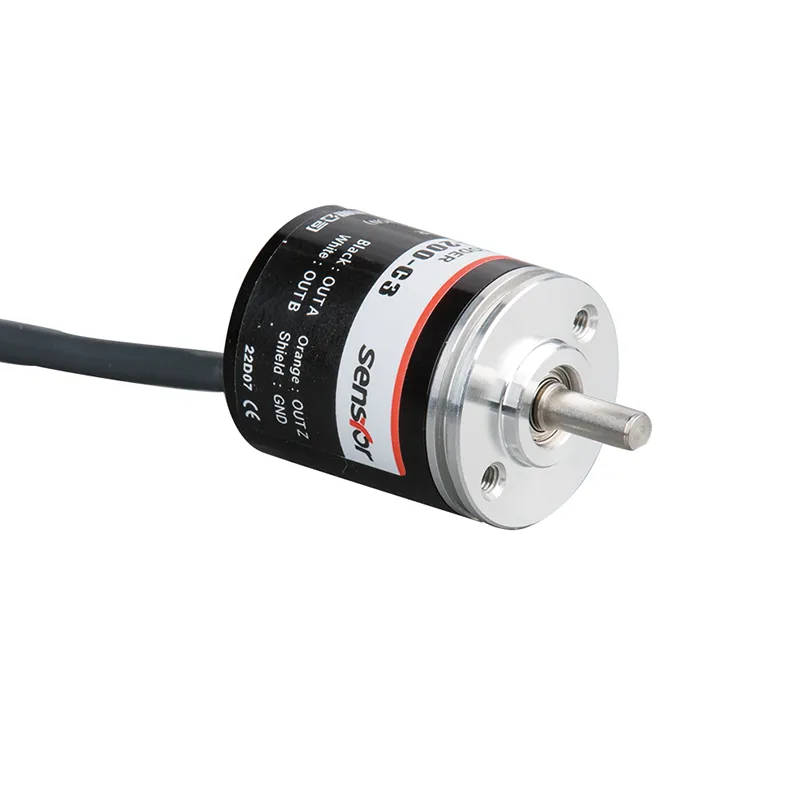
An optical encoder provides accurate position and speed feedback for automated machinery.
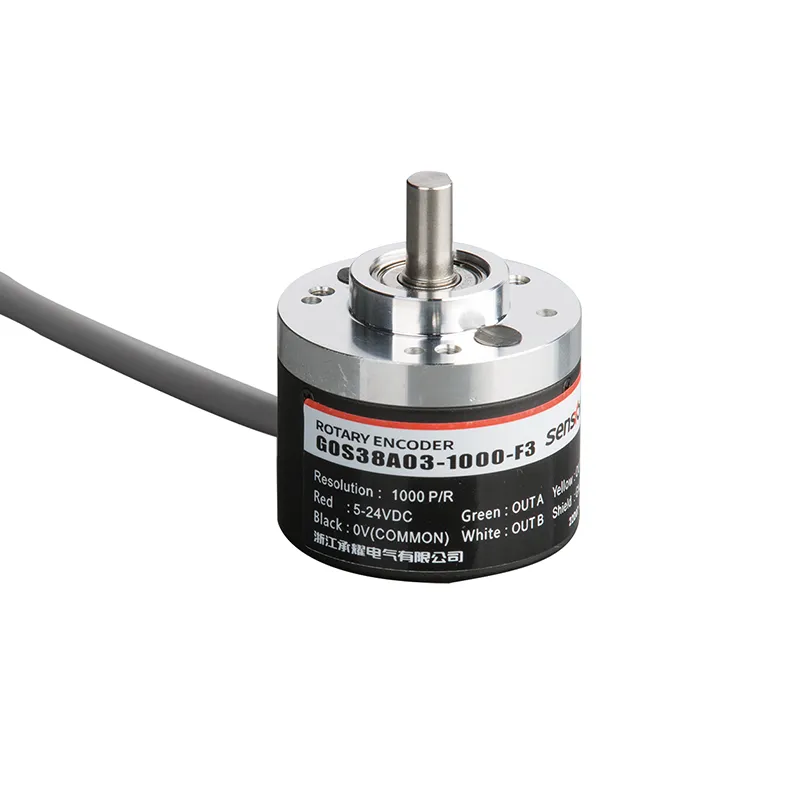
high precision optical encoder for motion control systems

Related Posts

Industrial Encoder: 15 Essential Insights for Precision and Automation

Industrial Encoder: 15 Essential Insights for Precision and Automation

📊 Comprehensive Outline for “industrial encoder” Heading Level Topic H1 Industrial Encoder: 15 Essential Insights for Automation H2 Introduction to Industrial Encoder H3 What is an Industrial Encoder H3 Importance in Automation Systems H2 How Industrial Encoder Works H3 Signal Conversion Process H3 Role of Feedback in Control Systems H2 Types of Industrial Encoder H3 […]

Read More
Heavy Duty Encoder Industrial Guide 2026: Performance, Applications & Buying Insights

Heavy Duty Encoder Industrial Guide 2026: Performance, Applications & Buying Insights

Heavy Duty Encoder – Complete Industrial Performance Guide Introduction to heavy duty encoder systems A heavy duty encoder is one of the most important components in modern industrial automation. A heavy duty encoder is designed to operate in extreme environments where dust, vibration, moisture, and temperature changes can affect performance. A heavy duty encoder ensures […]

Read More
Encoder Manufacturer: 12 Key Factors to Choose the Best Partner

Encoder Manufacturer: 12 Key Factors to Choose the Best Partner

📊 Comprehensive Outline for “encoder manufacturer” Heading Level Topic H1 Encoder Manufacturer: 12 Key Factors to Choose the Best Partner H2 Introduction to Encoder Manufacturer H3 What Does an Encoder Manufacturer Do H3 Importance in Automation Industry H2 Types of Encoders Produced by Manufacturers H3 Optical Encoders H3 Magnetic Encoders H3 Absolute and Incremental Encoders […]

Read More