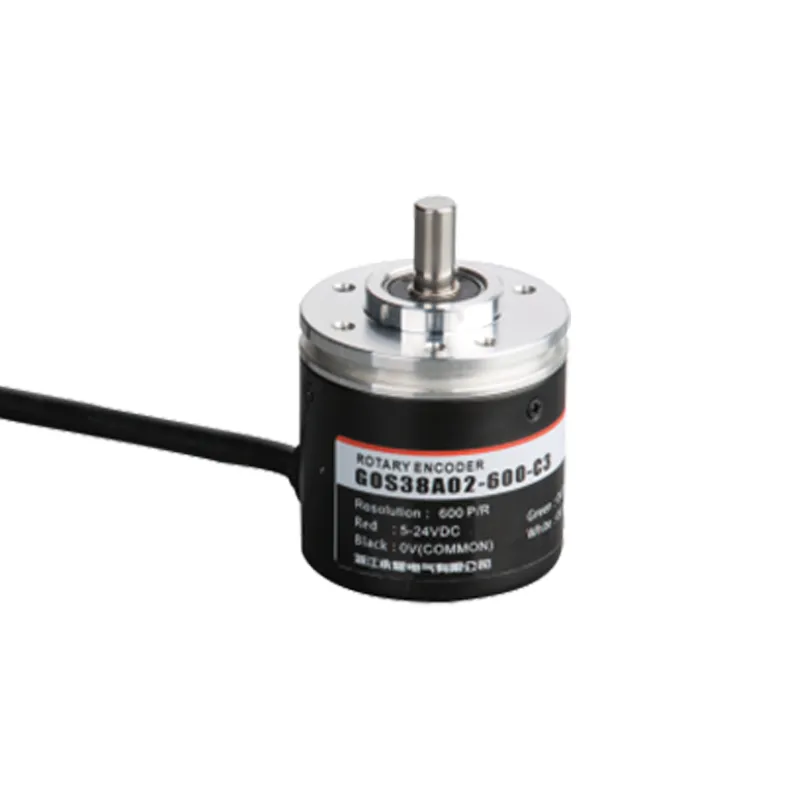
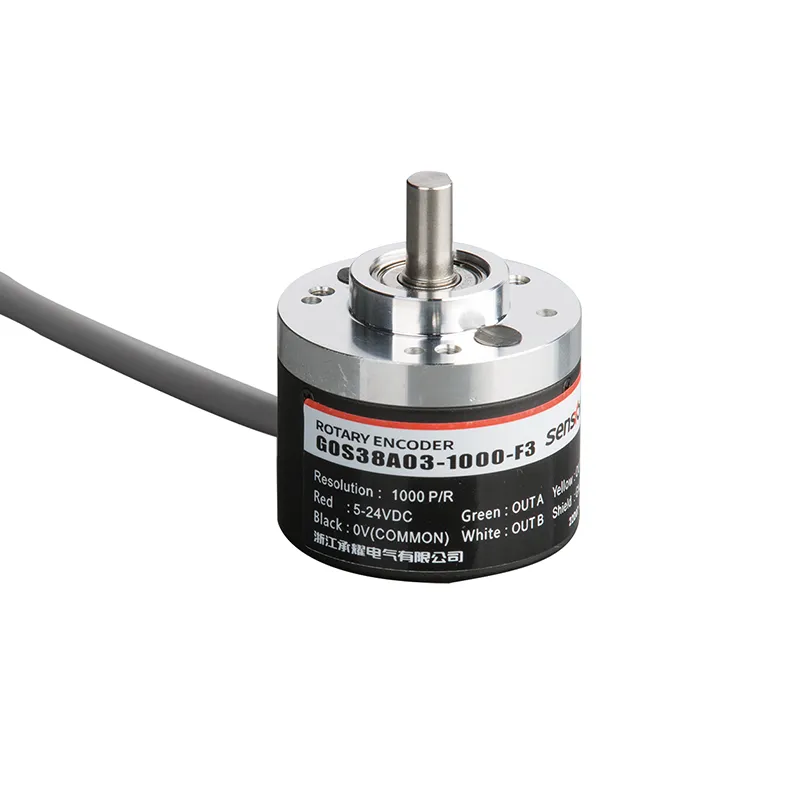
A position sensor is one of the most important components in modern automation systems. It helps machines determine the exact location, movement, or displacement of an object. From factory production lines to robotic systems, accurate position feedback is essential for maintaining efficiency, safety, and product quality.
As industrial automation continues to expand, manufacturers increasingly rely on advanced sensing technologies to improve precision and reduce downtime. A reliable position sensor can significantly enhance machine performance while supporting predictive maintenance strategies.
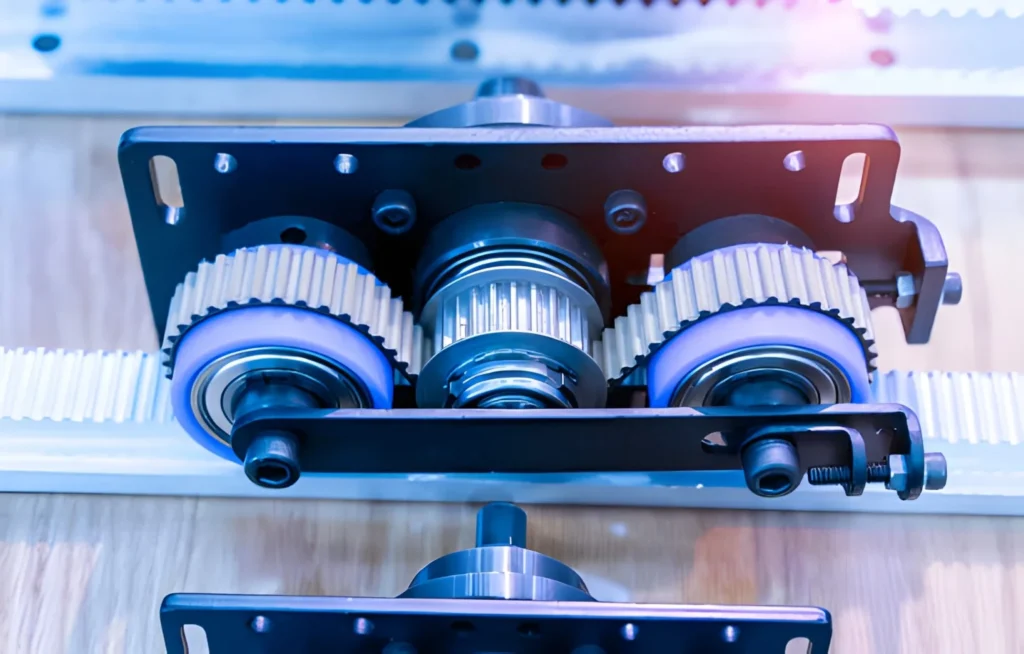
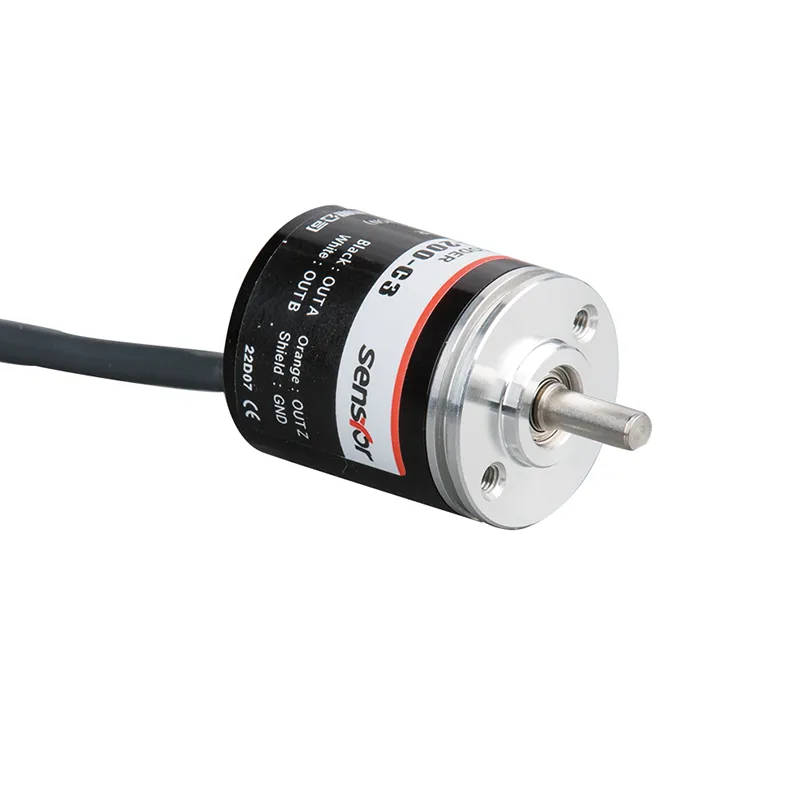
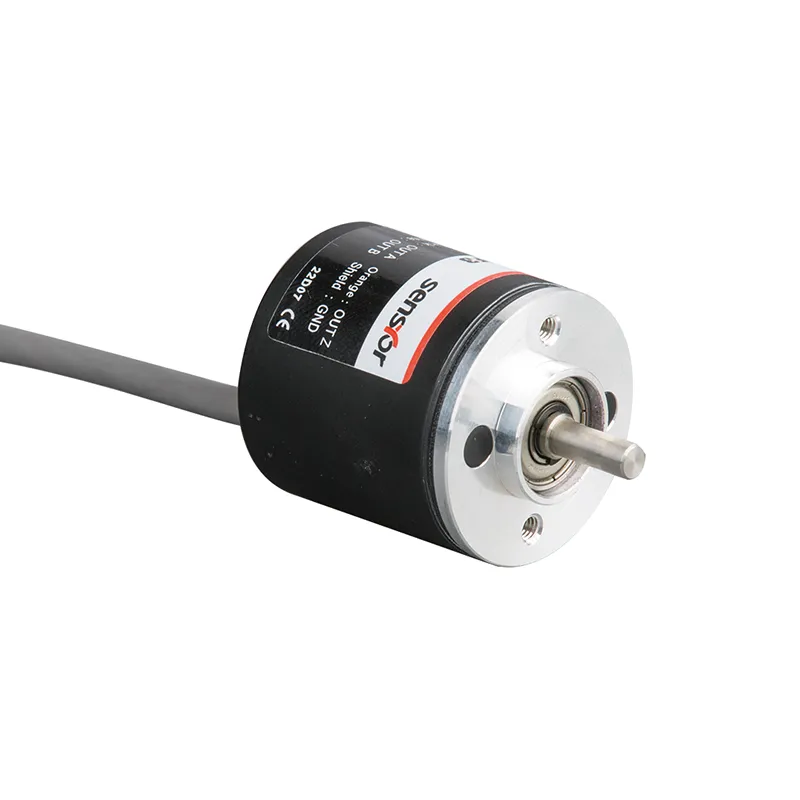
Industrial position sensor used for accurate motion and position monitoring in automated systems.
What Is a Position Sensor?
A position sensor is a device that detects and measures the location of an object relative to a reference point. The measured data is converted into electrical signals that can be interpreted by control systems such as PLCs, industrial computers, or motion controllers.
Position measurement can be linear, rotary, angular, or multi-axis depending on the application requirements.
These sensors are commonly used in:
Industrial automation
Robotics
CNC machinery
Packaging equipment
Medical devices
Transportation systems
How a Position Sensor Works
The operating principle depends on the sensing technology being used.
Most sensors detect movement through one of several methods:
Magnetic field detection
Optical sensing
Inductive measurement
Capacitive technology
Hall-effect sensing
The sensor continuously tracks movement and sends real-time feedback to the control system, enabling precise motion control and positioning.
Types of Position Sensor
Linear Position Sensor
A linear position sensor measures movement along a straight path. These devices are frequently used in hydraulic cylinders, industrial presses, and automated assembly equipment.
Rotary Position Sensor
Rotary sensors monitor angular movement and rotational displacement. They are commonly integrated with motors, gearboxes, and conveyor systems.
Magnetic Position Sensor
Magnetic technology provides excellent durability and resistance to contamination. These sensors perform reliably in environments with dust, moisture, and vibration.
Optical Position Sensor
Optical designs offer extremely high resolution and are ideal for precision manufacturing applications.
Inductive Position Sensor
Inductive technology delivers stable performance in harsh industrial settings where non-contact measurement is required.
Benefits of Industrial Position Measurement Technology
Improved Accuracy
Accurate position feedback helps machines perform tasks with greater consistency and repeatability.
Enhanced Productivity
Real-time monitoring reduces errors and improves production efficiency.
Reduced Maintenance Costs
Continuous feedback allows maintenance teams to identify issues before failures occur.
Better Process Control
Manufacturers can achieve tighter tolerances and higher product quality.
Increased Equipment Lifespan
Precise control minimizes unnecessary wear on mechanical components.
Applications of Industrial Motion Feedback Systems
Manufacturing Automation
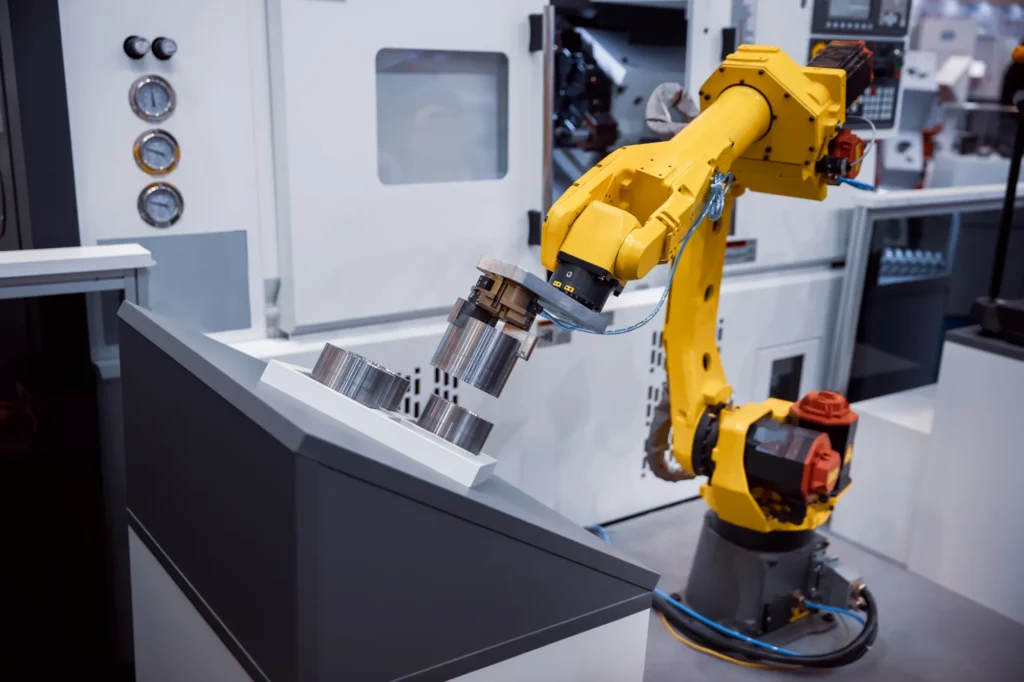
Factories use sensors to control assembly lines, robotic arms, and packaging systems.
Robotics
Robotic systems depend on accurate feedback to achieve smooth and coordinated movement.
Material Handling
Conveyors and lifting equipment utilize sensing solutions to monitor motion and positioning.
Renewable Energy
Wind turbines and solar tracking systems require precise positioning information to maximize efficiency.
Transportation
Rail systems, electric vehicles, and logistics equipment frequently incorporate advanced sensing technologies.
Choosing the Right Position Sensor
Selecting the appropriate sensor requires evaluating several factors.
Environmental Conditions
Consider:
Temperature range
Humidity
Dust exposure
Vibration levels
Measurement Range
Choose a device that supports the required travel distance or rotation angle.
Output Signal
Common output formats include:
Analog voltage
Analog current
SSI
CANopen
Modbus
EtherCAT
Accuracy Requirements
Higher precision applications may require optical or high-resolution magnetic technology.
Reliable Industrial Solutions
Businesses looking for dependable sensing products can explore industrial automation solutions from SensyorCoder:
Preventive maintenance helps reduce unexpected downtime and repair costs.
Future Trends in Position Sensor Technology
Several developments are shaping the future of industrial sensing:
Smart Sensors
Embedded diagnostics allow sensors to provide health and performance information.
Industrial IoT Integration
Connected devices support remote monitoring and predictive maintenance.
Higher Resolution Systems
Advances in electronics continue to improve measurement accuracy.
Compact Designs
Manufacturers increasingly demand smaller devices without sacrificing performance.
Frequently Asked Questions
What does a position sensor measure?
It measures the location, displacement, or movement of an object and converts that information into electrical signals.
Where are position sensors commonly used?
They are widely used in automation, robotics, transportation, manufacturing, and energy systems.
What is the difference between linear and rotary sensors?
Linear sensors measure straight-line movement, while rotary sensors detect angular displacement.
Are magnetic sensors suitable for harsh environments?
Yes. Magnetic technologies typically offer excellent resistance to dust, moisture, and vibration.
How accurate are modern sensing systems?
Accuracy varies by technology, but high-end industrial devices can achieve extremely precise measurements.
How can I choose the right solution?
Consider environmental conditions, measurement range, signal output requirements, and required accuracy levels.
Conclusion
Position sensing technology plays a vital role in modern automation systems. Whether used in robotics, manufacturing equipment, transportation systems, or renewable energy applications, accurate measurement and feedback are essential for achieving operational efficiency and reliability.
By selecting the appropriate sensing solution and following proper installation and maintenance practices, organizations can improve productivity, reduce downtime, and support long-term growth. For professional industrial sensing products and automation solutions, visit https://sensyorcoder.net/products/.
Introduction to Industrial Encoder Supplier Solutions An industrial encoder supplier plays an important role in modern automation industries by providing accurate motion feedback solutions for machines, robots, production lines, and industrial equipment. Industrial automation requires precise measurement of position, speed, and movement. Without reliable encoder technology, manufacturing systems may experience reduced efficiency, inaccurate positioning, and […]
📑 Comprehensive Outline of Incremental Encoder Heading Level Topic H1 Incremental Encoder: 7 Powerful Insights to Master Precision Motion Control H2 Introduction to Incremental Encoder H3 What is an Incremental Encoder? H3 Importance in Modern Automation H2 How an Incremental Encoder Works H3 Basic Working Principle H4 Signal Generation Explained H4 Pulse Counting Mechanism H2 […]
Table of Contents Encoder Factory Introduction Encoder factory operations play a vital role in the industrial automation industry. An encoder factory designs, manufactures, tests, and supplies precision encoders used in motion control, robotics, CNC machinery, packaging equipment, and automated production lines. As industrial automation continues to expand, selecting a reliable encoder factory becomes increasingly important. […]
We use cookies to enhance your browsing experience, serve personalised ads or content, and analyse our traffic. By clicking "Accept All", you consent to our use of cookies.