Rotary Encoder: The Ultimate Guide to Precision Motion Control
H2
Introduction to Rotary Encoder
H3
What is a Rotary Encoder?
H3
Why Rotary Encoders Matter in Modern Technology
H2
Working Principle of Rotary Encoder
H3
Basic Operating Mechanism
H4
Signal Generation Explained
H4
Role of Sensors in Encoders
H2
Types of Rotary Encoder
H3
Incremental Rotary Encoder
H4
Features and Applications
H3
Absolute Rotary Encoder
H4
Single-turn vs Multi-turn Encoders
H2
Key Components of Rotary Encoder
H3
Shaft and Disk
H3
Light Source and Sensor
H3
Circuit and Output Signals
H2
How Rotary Encoder Works in Real Systems
H3
Industrial Automation Use Cases
H3
Robotics and Motion Control
H2
Advantages of Rotary Encoder
H3
Accuracy and Precision
H3
Durability and Reliability
H2
Limitations of Rotary Encoder
H3
Environmental Sensitivity
H3
Cost Considerations
H2
Rotary Encoder vs Potentiometer
H3
Key Differences
H3
When to Use Each
H2
Applications of Rotary Encoder
H3
Consumer Electronics
H3
Automotive Systems
H3
Medical Equipment
H2
Choosing the Right Rotary Encoder
H3
Factors to Consider
H3
Common Buying Mistakes
H2
Installation and Maintenance Tips
H3
Proper Mounting Techniques
H3
Troubleshooting Issues
H2
Future Trends in Rotary Encoder Technology
H3
Smart Encoders and IoT Integration
H3
Miniaturization and Efficiency
H2
FAQs About Rotary Encoder
H2
Conclusion
🔍 Introduction to Rotary Encoder
What is a Rotary Encoder?
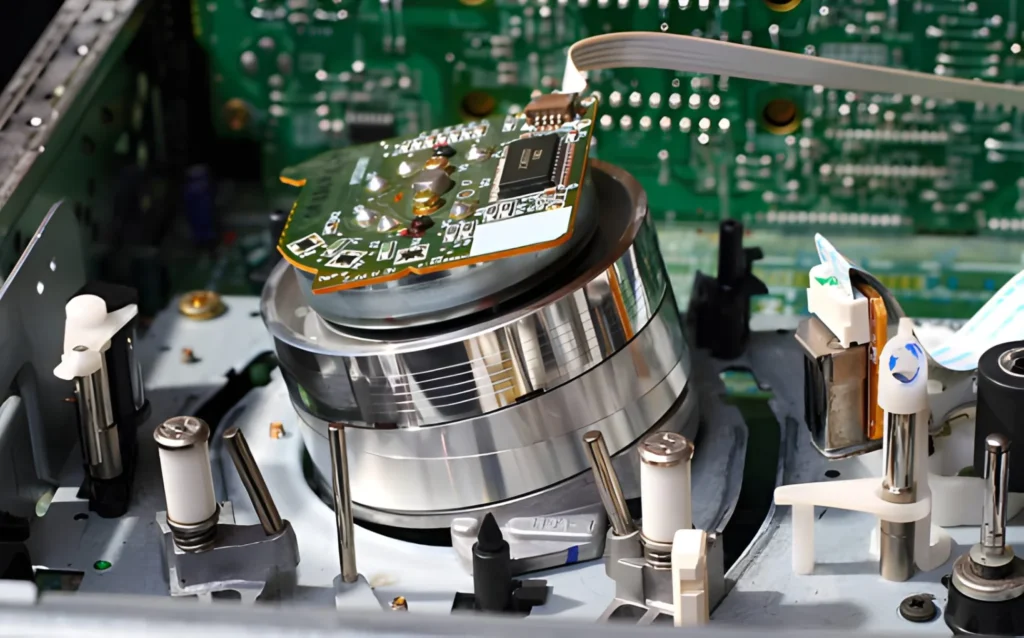
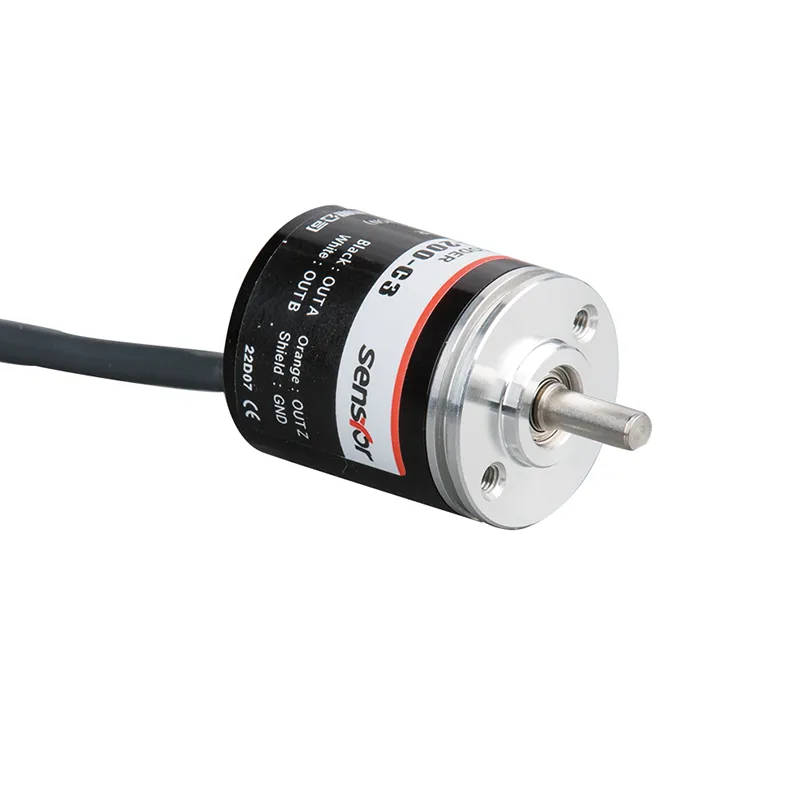
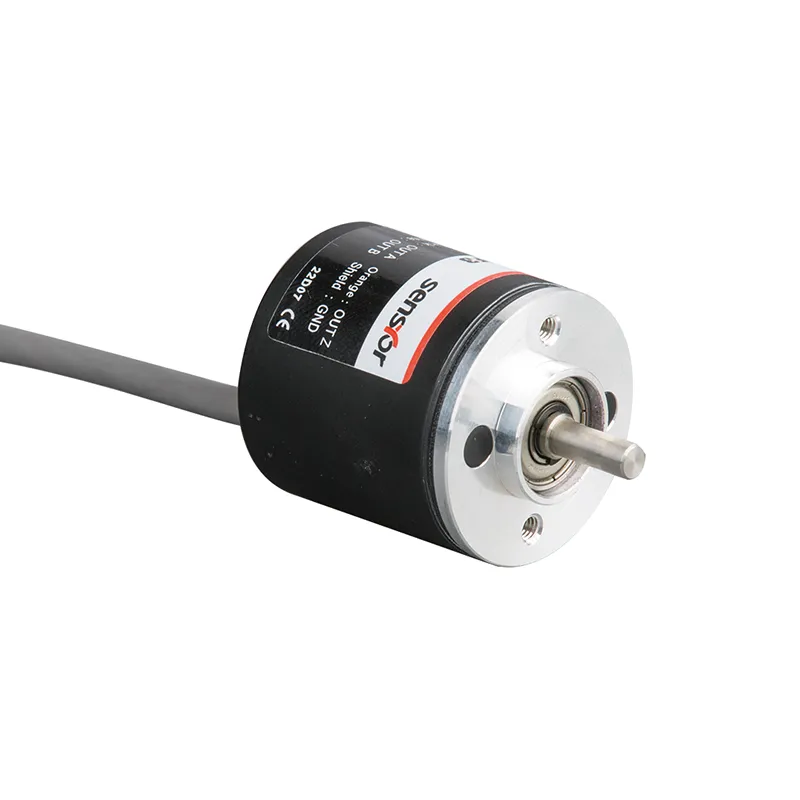
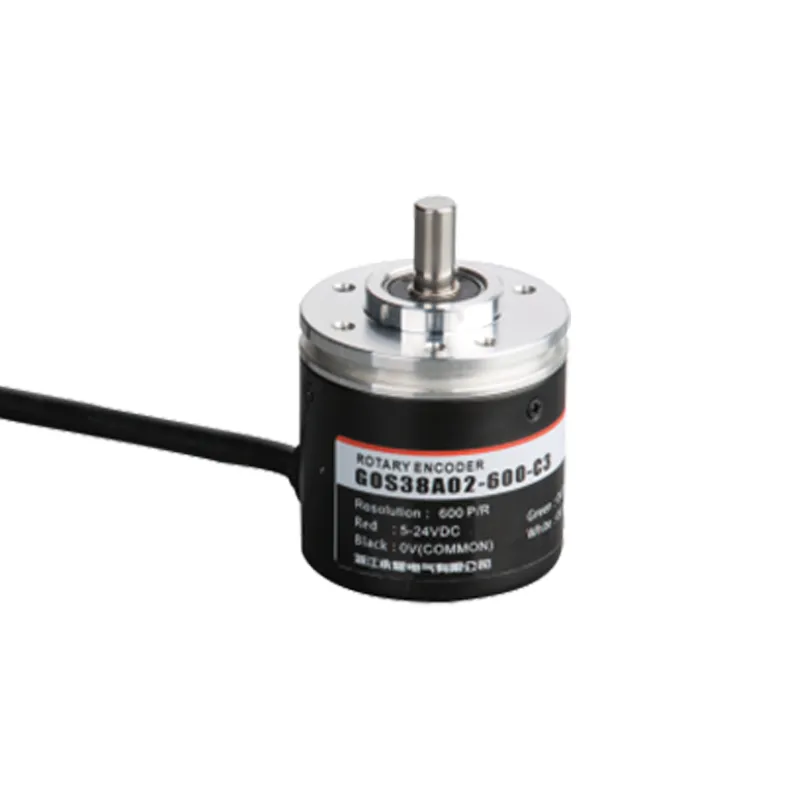
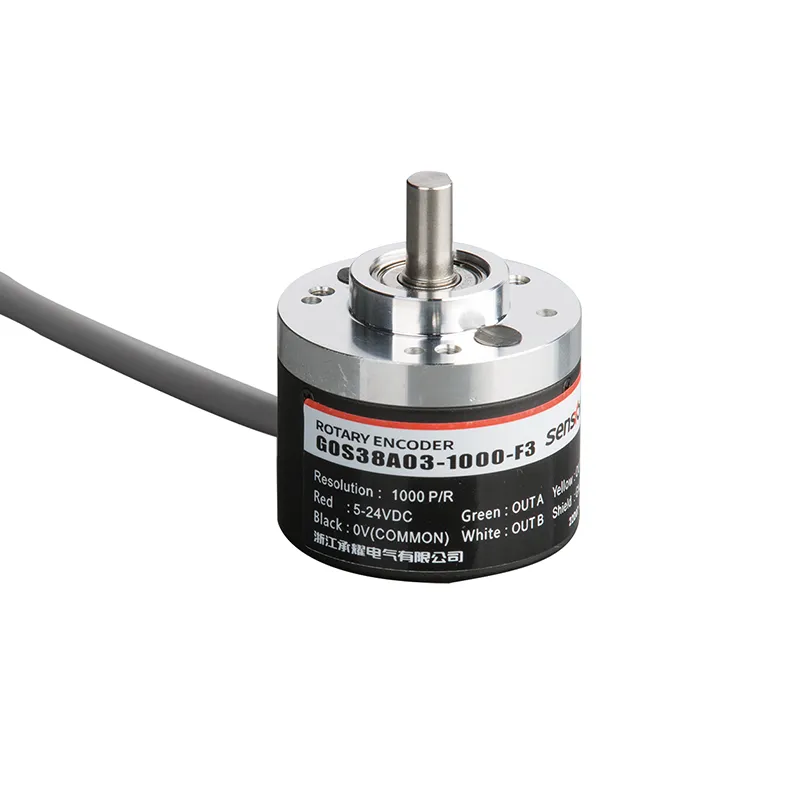
A rotary encoder is an electro-mechanical device that converts rotational motion into electrical signals. These signals help determine the position, speed, and direction of a rotating shaft. In simple terms, it acts like a translator between mechanical movement and digital systems.
You’ll find rotary encoder devices in everything from volume knobs and printers to advanced robotics and industrial machinery. Their ability to provide accurate motion feedback makes them essential in modern automation.
Why Rotary Encoders Matter in Modern Technology
Rotary encoders play a critical role in precision control systems. Without them, machines wouldn’t know their exact position or speed. This accuracy is vital in industries like manufacturing, aerospace, and healthcare.
Key reasons why they matter:
Enable automation and robotics
Improve system accuracy
Enhance efficiency and safety
Reduce human error
⚙️ Working Principle of Rotary Encoder
Basic Operating Mechanism
A rotary encoder works by detecting the rotation of a shaft and converting it into electrical signals. These signals are then processed by a controller to determine movement.
There are two main methods used:
Optical sensing
Magnetic sensing
Signal Generation Explained
As the shaft rotates, a disk inside the encoder spins along with it. This disk has patterns (slots or markings). A sensor reads these patterns and generates pulses.
Each pulse represents a small movement, allowing systems to track rotation precisely.
Role of Sensors in Encoders
Sensors are the heart of the rotary encoder. Common types include:
Optical sensors (light-based)
Magnetic sensors (field-based)
Capacitive sensors (electric field-based)
Each type has its own advantages depending on the environment.
🔄 Types of Rotary Encoder
Incremental Rotary Encoder
Incremental encoders generate pulses as the shaft rotates. They measure relative movement rather than absolute position.
Features and Applications
Simple and cost-effective
Used in speed detection
Common in printers and CNC machines
Absolute Rotary Encoder
Absolute encoders provide a unique position value for every shaft angle. Even after power loss, they retain position data.
Single-turn vs Multi-turn Encoders
Single-turn: Tracks position within one rotation
Multi-turn: Tracks multiple rotations
🧩 Key Components of Rotary Encoder
Shaft and Disk
The shaft is the rotating part connected to the machine. The disk is mounted on the shaft and contains encoded patterns.
Light Source and Sensor
In optical encoders:
LED emits light
Photodetector receives it
Interruptions in light create signals.
Circuit and Output Signals
The circuit processes signals and outputs:
Digital pulses
Analog signals (in some cases)
🏭 How Rotary Encoder Works in Real Systems
Industrial Automation Use Cases
In factories, rotary encoder systems:
Control conveyor belts
Monitor motor speed
Ensure accurate positioning
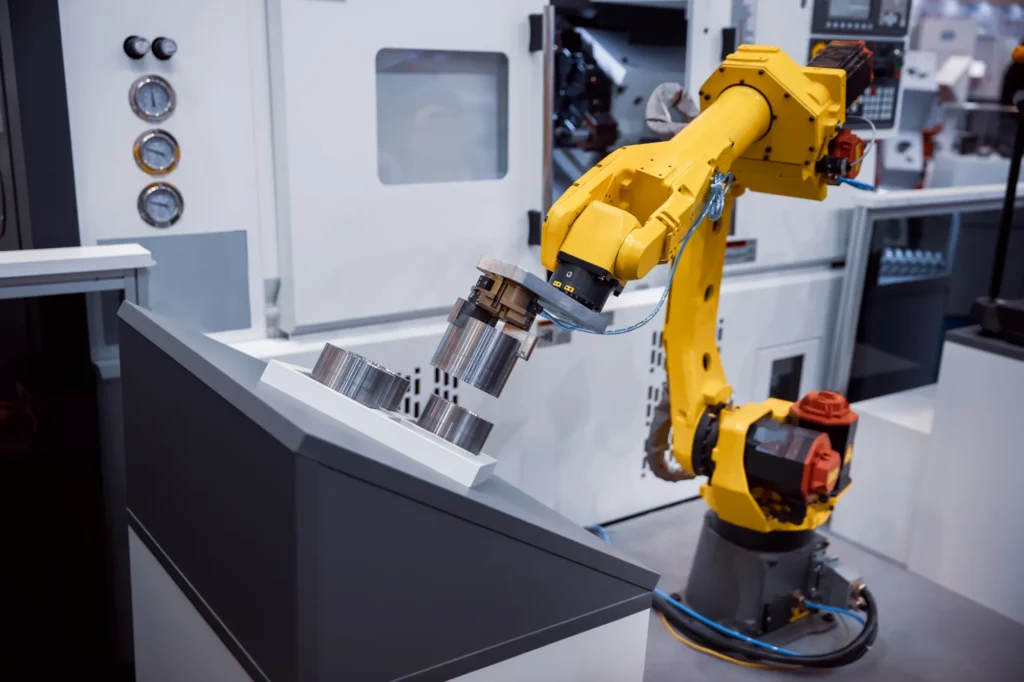
Robotics and Motion Control
Robots rely on rotary encoders for:
Joint positioning
Movement accuracy
Feedback control systems
✅ Advantages of Rotary Encoder
Accuracy and Precision
Rotary encoders provide highly accurate position data, which is crucial for automation.
Durability and Reliability
Many encoders are designed to withstand:
Dust
Vibration
Extreme temperatures
⚠️ Limitations of Rotary Encoder
Environmental Sensitivity
Optical encoders may struggle in:
Dusty environments
High moisture conditions
Cost Considerations
Advanced encoders can be expensive, especially absolute types.
⚖️ Rotary Encoder vs Potentiometer
Key Differences
Feature
Rotary Encoder
Potentiometer
Output
Digital
Analog
Accuracy
High
Moderate
Lifespan
Long
Shorter
Maintenance
Low
Higher
When to Use Each
Use rotary encoder for precision systems
Use potentiometer for simple controls
📱 Applications of Rotary Encoder
Consumer Electronics
Used in:
Volume knobs
Gaming controllers
Home appliances
Automotive Systems
Helps in:
Steering angle detection
Engine control
Medical Equipment
Used in:
Imaging machines
Surgical robots
🛒 Choosing the Right Rotary Encoder
Factors to Consider
Resolution
Environment
Mounting type
Output signal type
Common Buying Mistakes
Ignoring environmental conditions
Choosing wrong resolution
Overlooking compatibility
🔧 Installation and Maintenance Tips
Proper Mounting Techniques
Align shaft correctly
Avoid excessive force
Use proper coupling
Troubleshooting Issues
Common problems:
Signal noise
Misalignment
Wear and tear
🚀 Future Trends in Rotary Encoder Technology
Smart Encoders and IoT Integration
Modern rotary encoder devices now connect to smart systems, enabling real-time monitoring and predictive maintenance.
Miniaturization and Efficiency
Encoders are becoming:
Smaller
Faster
More energy-efficient
❓ FAQs About Rotary Encoder
1. What is a rotary encoder used for?
It is used to measure position, speed, and direction of rotation in machines and electronic devices.
2. What is the difference between incremental and absolute rotary encoder?
Incremental measures relative movement, while absolute provides exact position even after power loss.
3. Are rotary encoders digital or analog?
Most rotary encoders provide digital output, though some offer analog signals.
4. Can rotary encoders work in harsh environments?
Yes, especially magnetic encoders, which are more resistant to dust and moisture.
5. How accurate is a rotary encoder?
Accuracy depends on resolution, but high-end encoders can be extremely precise.
6. Do rotary encoders require maintenance?
They require minimal maintenance but should be checked periodically for alignment and wear.
🏁 Conclusion
The rotary encoder is a cornerstone of modern motion control systems. From simple consumer gadgets to complex industrial machines, it ensures precision, reliability, and efficiency. As technology advances, rotary encoders continue to evolve, becoming smarter and more adaptable.
Introduction to 45mm Encoder Technology A 45mm encoder is an important component used in industrial automation and motion control systems. It helps measure position, rotation, speed, and movement with high accuracy. Modern factories, robotics systems, and CNC machinery rely on rotary encoders to improve efficiency and operational precision. The compact size and reliable performance of […]
Table of Contents What Is an Incremental Encoder? An incremental encoder is an electromechanical device that converts rotary or linear motion into a series of electrical pulses. These pulses provide information about speed, direction, distance, and relative position. In modern automation systems, an incremental encoder plays a crucial role in ensuring accurate motion control. Manufacturing […]
In today’s fast-paced industrial and automation landscape, incremental encoder are everywhere—hidden in robotics, conveyors, packaging lines, and even your favorite coffee machine. But, here’s something people often overlook: the real-world environment where these nifty gadgets operate. Does it matter? Absolutely. Sure, incremental encoders are versatile and accurate, but environmental factors can make or break their performance and […]
We use cookies to enhance your browsing experience, serve personalised ads or content, and analyse our traffic. By clicking "Accept All", you consent to our use of cookies.