Optical Encoder: 15 Powerful Insights You Must Know for Precision Motion Control
H2
Introduction to Optical Encoder
H3
What is an Optical Encoder?
H3
Importance in Modern Technology
H2
Working Principle of Optical Encoder
H3
Basic Components
H4
Light Source and Sensor
H4
Code Disk Functionality
H3
Signal Generation Process
H2
Types of Optical Encoder
H3
Incremental Optical Encoder
H4
Features and Advantages
H3
Absolute Optical Encoder
H4
Single-turn vs Multi-turn
H2
Key Components Explained
H3
Encoder Disk
H3
Photodetectors
H3
Signal Processing Unit
H2
Applications of Optical Encoder
H3
Industrial Automation
H3
Robotics
H3
CNC Machines
H3
Consumer Electronics
H2
Advantages of Using Optical Encoder
H3
High Accuracy
H3
Reliability
H3
Cost Efficiency
H2
Limitations of Optical Encoder
H3
Sensitivity to Dust
H3
Environmental Constraints
H2
Optical Encoder vs Magnetic Encoder
H3
Key Differences
H3
Which One to Choose?
H2
How to Choose the Right Optical Encoder
H3
Resolution Requirements
H3
Operating Environment
H3
Budget Considerations
H2
Installation and Maintenance Tips
H3
Proper Mounting
H3
Cleaning and Calibration
H2
Future Trends in Optical Encoder Technology
H3
Miniaturization
H3
Integration with IoT
H2
FAQs About Optical Encoder
H2
Conclusion
🔍 Introduction to Optical Encoder
What is an Optical Encoder?
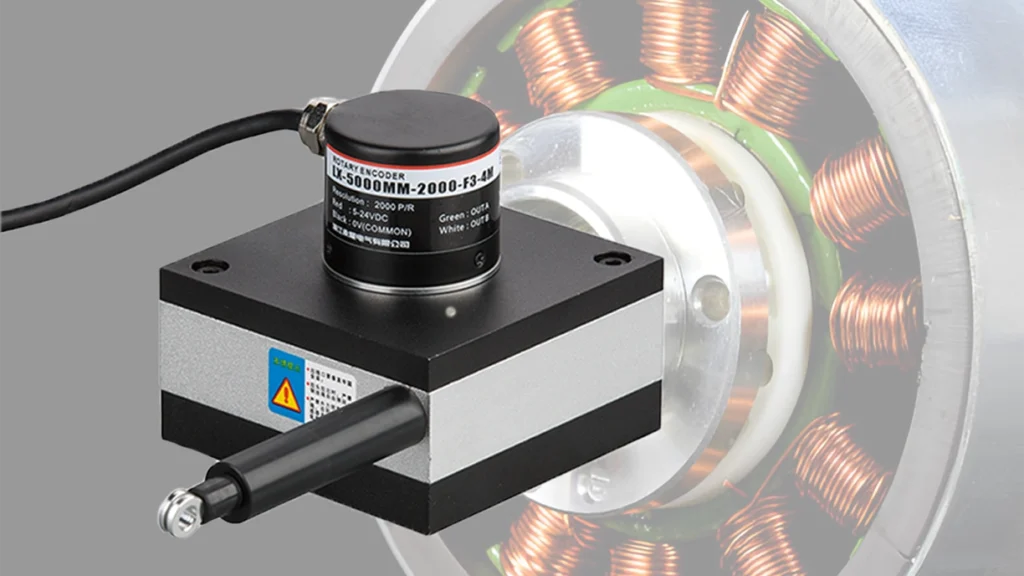
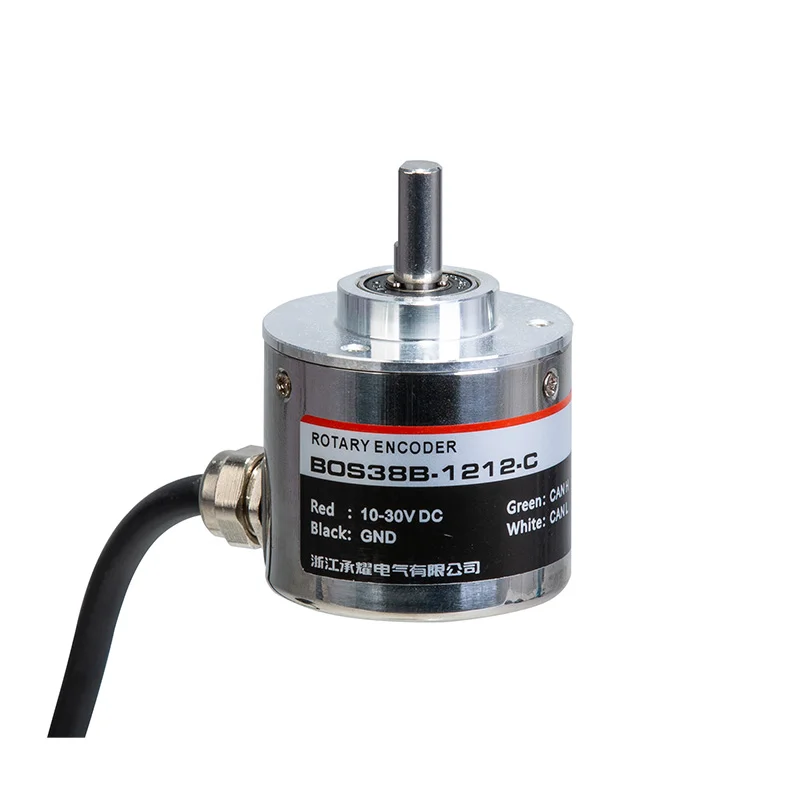
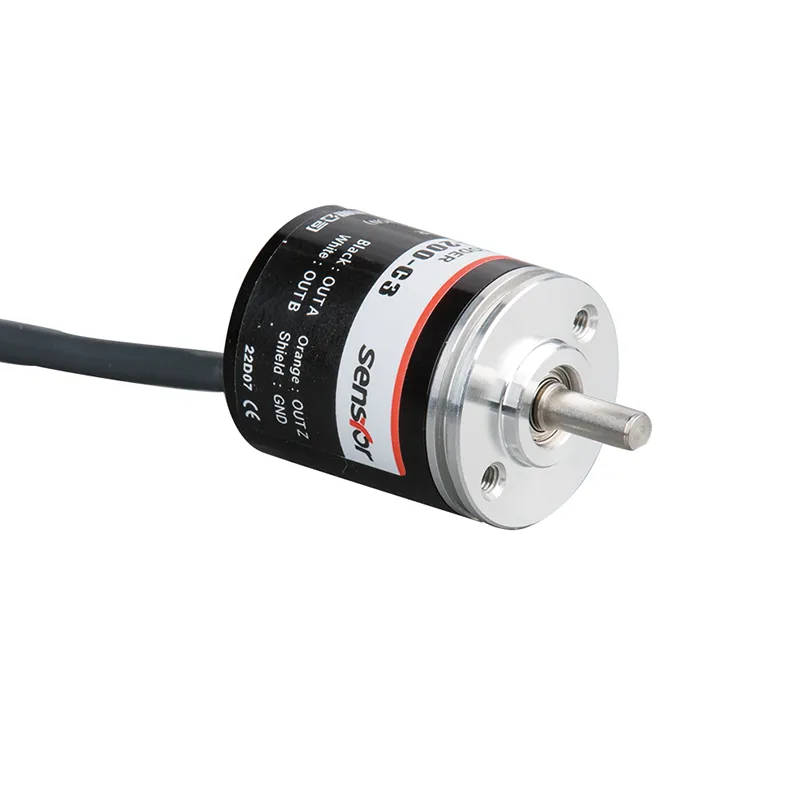
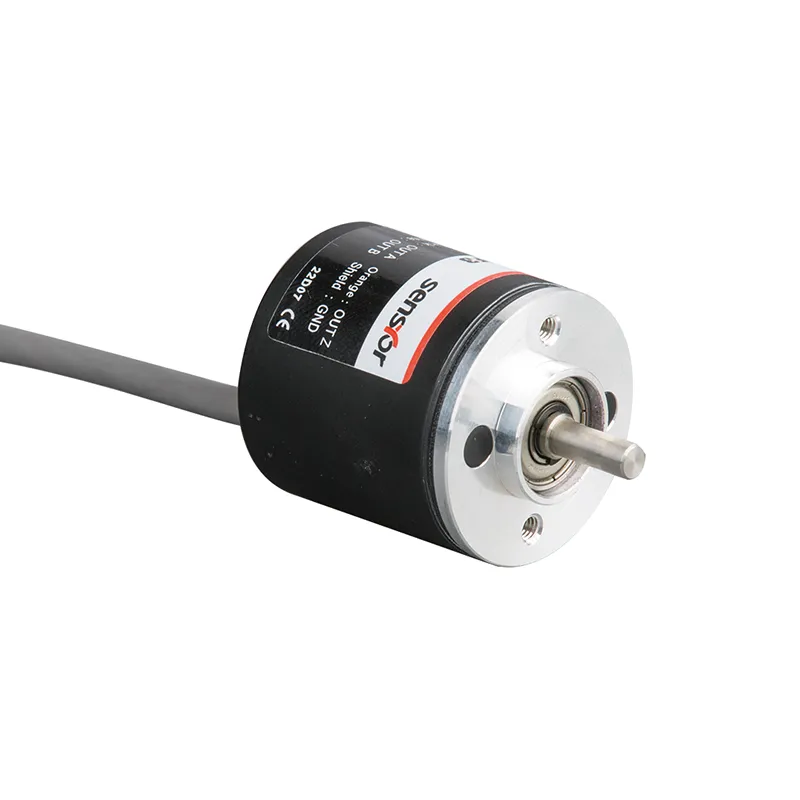
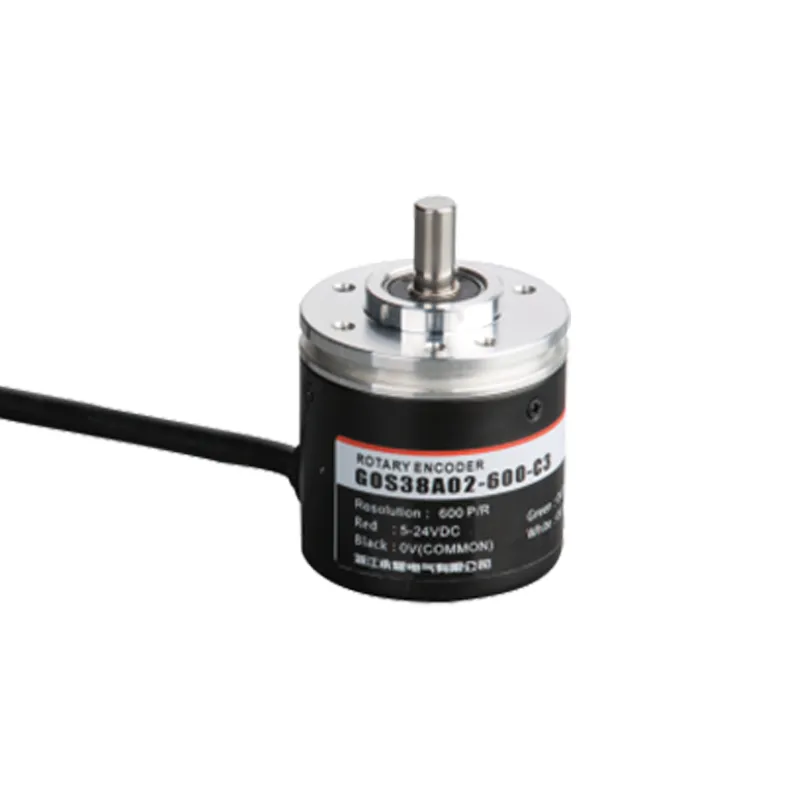
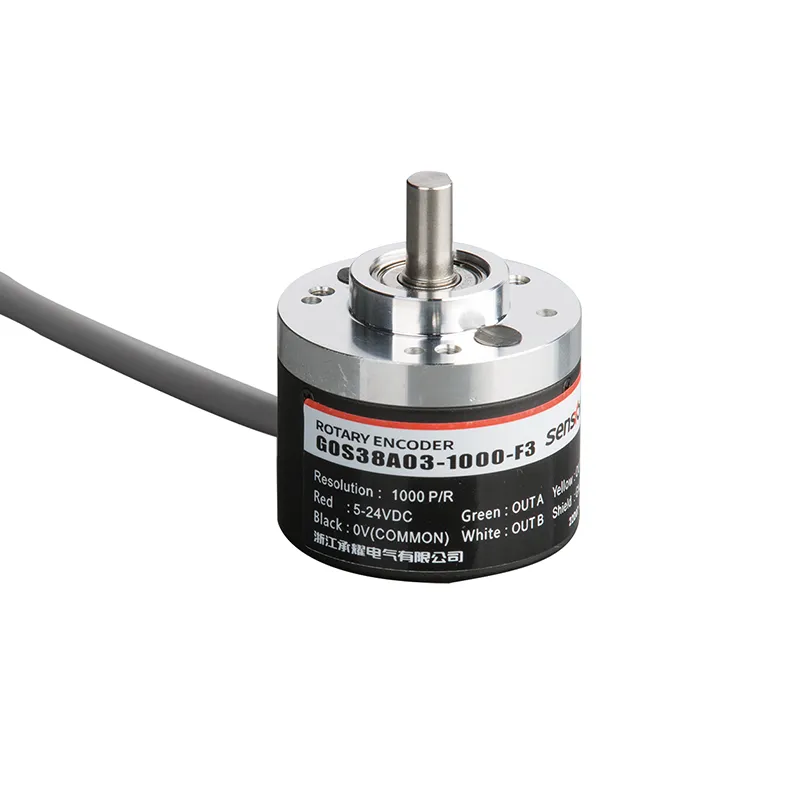
An optical encoder is a sensor device that converts motion—either rotational or linear—into electrical signals. These signals help machines understand position, speed, and direction with impressive accuracy. Simply put, it acts like the “eyes” of automated systems, allowing machines to measure movement precisely.
From robotics to manufacturing systems, the optical encoder plays a crucial role in ensuring smooth and accurate motion control. Without it, modern automation would struggle to achieve the precision we often take for granted.
Importance in Modern Technology
In today’s fast-paced world, precision is everything. Whether it’s a robotic arm assembling microchips or a CNC machine cutting metal, accuracy matters. That’s where the optical encoder shines.
It is widely used because it offers:
High resolution and accuracy
Fast response times
Reliable performance
Industries rely on optical encoder systems to maintain quality, reduce errors, and improve efficiency. As automation continues to grow, their importance only increases.
⚙️ Working Principle of Optical Encoder
Basic Components
Understanding how an optical encoder works begins with its core components.
Light Source and Sensor
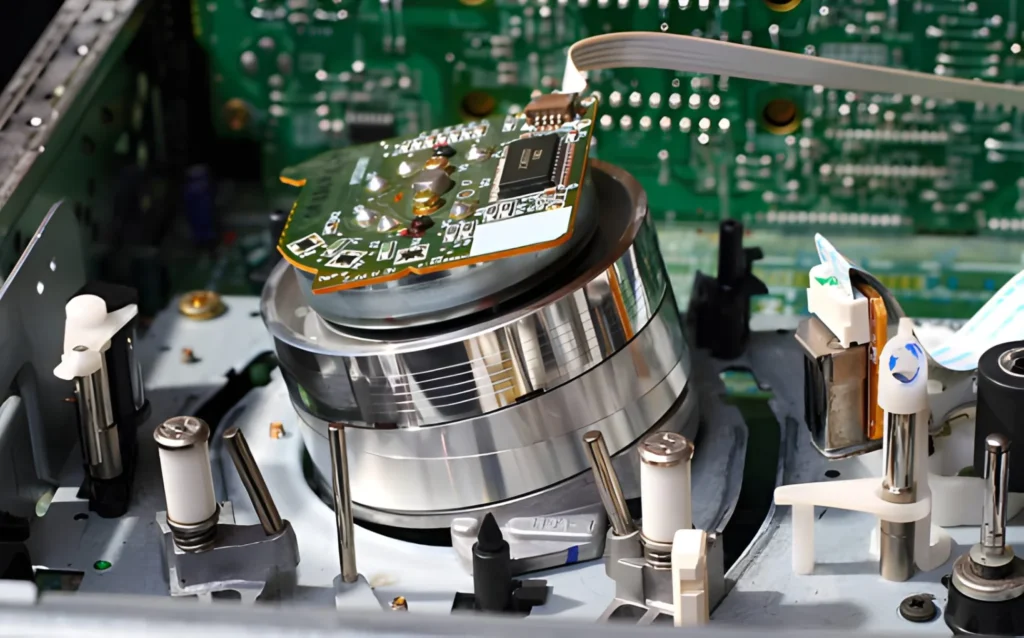
At the heart of an optical encoder is a light source, usually an LED. This light passes through or reflects off a patterned disk. On the other side, a photodetector captures the light and converts it into electrical signals.
Code Disk Functionality
The code disk is a circular or linear plate with alternating transparent and opaque sections. As the disk rotates, it interrupts the light beam, creating pulses.
Signal Generation Process
Here’s how it works step-by-step:
The disk rotates with the shaft.
Light passes through the disk’s patterns.
The sensor detects interruptions in light.
Electrical pulses are generated.
These pulses are then processed to determine:
Position
Speed
Direction
This simple yet powerful mechanism makes the optical encoder highly effective in motion control.
🔄 Types of Optical Encoder
Incremental Optical Encoder
Incremental encoders generate pulses as the shaft moves. They measure relative position rather than absolute position.
Features and Advantages
Simple design
Cost-effective
High-speed operation
However, they require a reference point to determine position after power loss.
Absolute Optical Encoder
Absolute encoders provide a unique position value for every point of rotation.
Single-turn vs Multi-turn
Single-turn: Measures position within one rotation
Multi-turn: Tracks position across multiple rotations
These encoders retain position data even when powered off, making them highly reliable.
🧩 Key Components Explained
Encoder Disk
The disk contains the coded patterns that define how signals are generated. Its quality directly impacts accuracy.
Photodetectors
These sensors convert light into electrical signals. Better detectors mean clearer and more precise outputs.
Signal Processing Unit
This unit interprets signals and sends usable data to control systems.
🏭 Applications of Optical Encoder
Industrial Automation
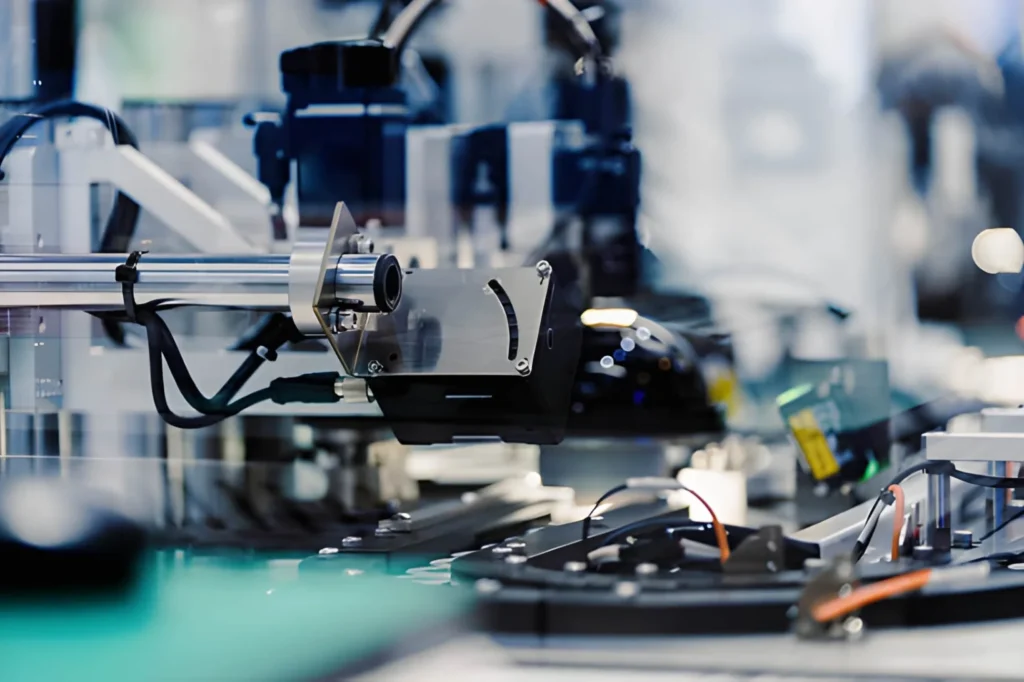
Optical encoders are widely used in conveyor systems, assembly lines, and packaging machines. They ensure precise positioning and synchronization.
Robotics
Robots rely heavily on optical encoder feedback for accurate movement and positioning.
CNC Machines
In CNC machining, precision is critical. Optical encoders help control cutting tools with micron-level accuracy.
Consumer Electronics
Devices like printers and cameras also use optical encoders for motion tracking.
✅ Advantages of Using Optical Encoder
High Accuracy
Optical encoders provide extremely fine resolution, making them ideal for precision tasks.
Reliability
They offer consistent performance over time with minimal signal drift.
Cost Efficiency
Despite their advanced capabilities, many optical encoders are affordable and widely available.
⚠️ Limitations of Optical Encoder
Sensitivity to Dust
Dust and debris can block light paths, affecting performance.
Environmental Constraints
Extreme temperatures or humidity can impact functionality.
⚖️ Optical Encoder vs Magnetic Encoder
Key Differences
Feature
Optical Encoder
Magnetic Encoder
Accuracy
Very High
Moderate
Durability
Sensitive
Robust
Cost
Moderate
Lower
Environment
Clean needed
Works in harsh conditions
Which One to Choose?
Choose an optical encoder if you need precision. Go for magnetic encoders in harsh environments.
🛠️ How to Choose the Right Optical Encoder
Resolution Requirements
Higher resolution means more precise measurements.
Operating Environment
Clean environments favor optical encoders.
Budget Considerations
Balance performance with cost for optimal results.
🔧 Installation and Maintenance Tips
Proper Mounting
Ensure correct alignment to avoid signal errors.
Cleaning and Calibration
Regular cleaning prevents dust buildup and maintains accuracy.
🚀 Future Trends in Optical Encoder Technology
Miniaturization
Encoders are becoming smaller while maintaining high performance.
Integration with IoT
Modern optical encoder systems are now connected to smart networks for real-time monitoring.
❓ FAQs About Optical Encoder
1. What is the main function of an optical encoder?
It converts mechanical motion into electrical signals to measure position and speed.
2. Where are optical encoders commonly used?
They are used in robotics, CNC machines, and industrial automation.
3. What is the difference between incremental and absolute encoders?
Incremental encoders track movement, while absolute encoders provide exact position values.
4. Are optical encoders accurate?
Yes, they offer very high precision compared to other types.
5. Do optical encoders require maintenance?
Yes, occasional cleaning and alignment checks are needed.
6. Can optical encoders work in harsh environments?
Not ideally—they perform best in clean and controlled conditions.
🏁 Conclusion
The optical encoder is a vital component in modern motion control systems. Its ability to deliver precise, reliable, and fast feedback makes it indispensable across industries. While it has some limitations, its advantages far outweigh them in controlled environments.
As technology advances, optical encoders will continue to evolve, becoming smarter, smaller, and more integrated into intelligent systems. Whether you’re an engineer, technician, or tech enthusiast, understanding optical encoders gives you a strong edge in today’s automation-driven world.
In today’s fast-paced industrial and automation landscape, incremental encoder are everywhere—hidden in robotics, conveyors, packaging lines, and even your favorite coffee machine. But, here’s something people often overlook: the real-world environment where these nifty gadgets operate. Does it matter? Absolutely. Sure, incremental encoders are versatile and accurate, but environmental factors can make or break their performance and […]
We use cookies to enhance your browsing experience, serve personalised ads or content, and analyse our traffic. By clicking "Accept All", you consent to our use of cookies.