Modern automation systems require accurate motion feedback to maintain efficiency and reliability. A hollow shaft encoder is one of the most widely used sensing devices for measuring speed, position, and direction in industrial equipment.
Unlike traditional shafted models, this encoder design allows direct mounting onto a motor shaft, reducing installation complexity and improving mechanical performance. As industries continue to adopt advanced automation, demand for high-quality encoder solutions continues to grow.
Table of Contents
What Is a Hollow Shaft Encoder?
How a Hollow Shaft Encoder Works
Key Features of a Hollow Shaft Encoder
Benefits of Using a Hollow Shaft Encoder
Applications of a Hollow Shaft Encoder
How to Choose the Right Encoder
Installation and Maintenance Tips
Frequently Asked Questions
Conclusion
What Is a Hollow Shaft Encoder?
A hollow shaft encoder is a rotary feedback device designed with an opening through the center of the shaft. This design enables the encoder to be mounted directly onto a rotating shaft without requiring couplings or additional mounting accessories.
The simplified installation process makes it a preferred choice for industrial automation, robotics, packaging machinery, and conveyor systems.
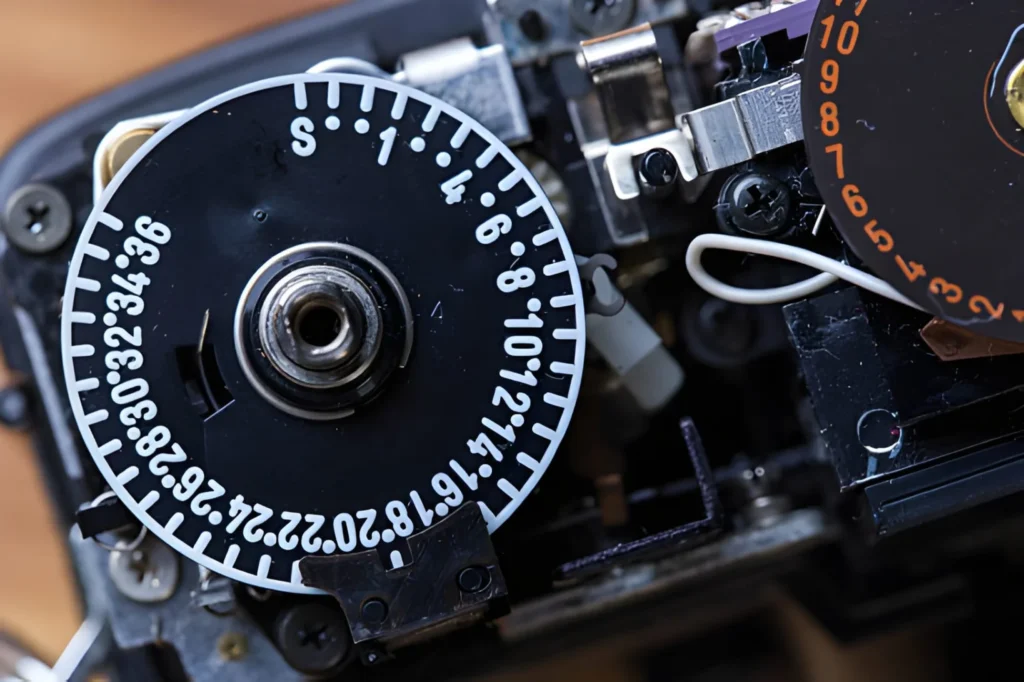
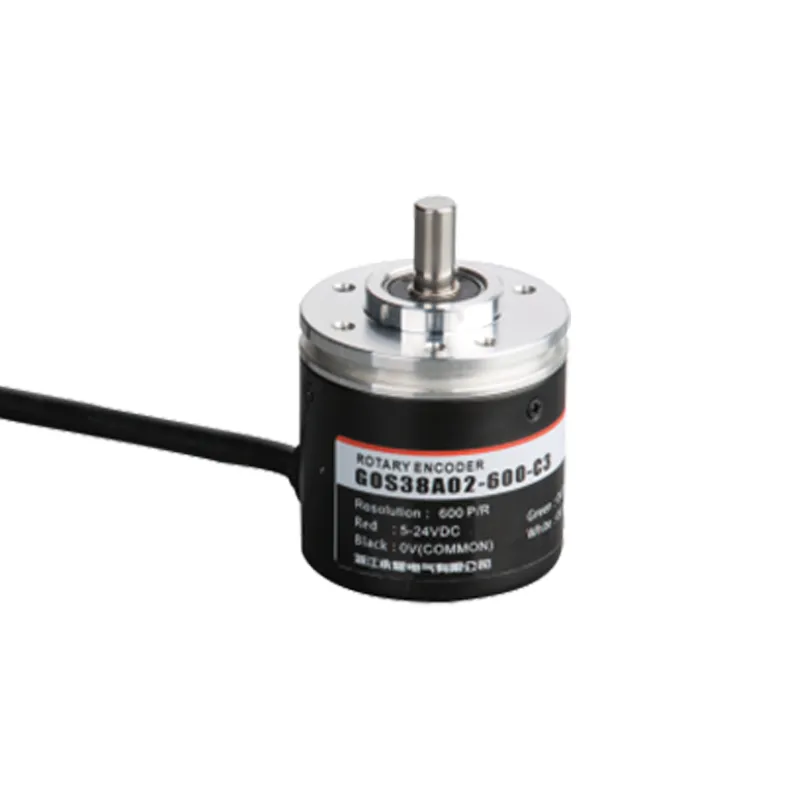
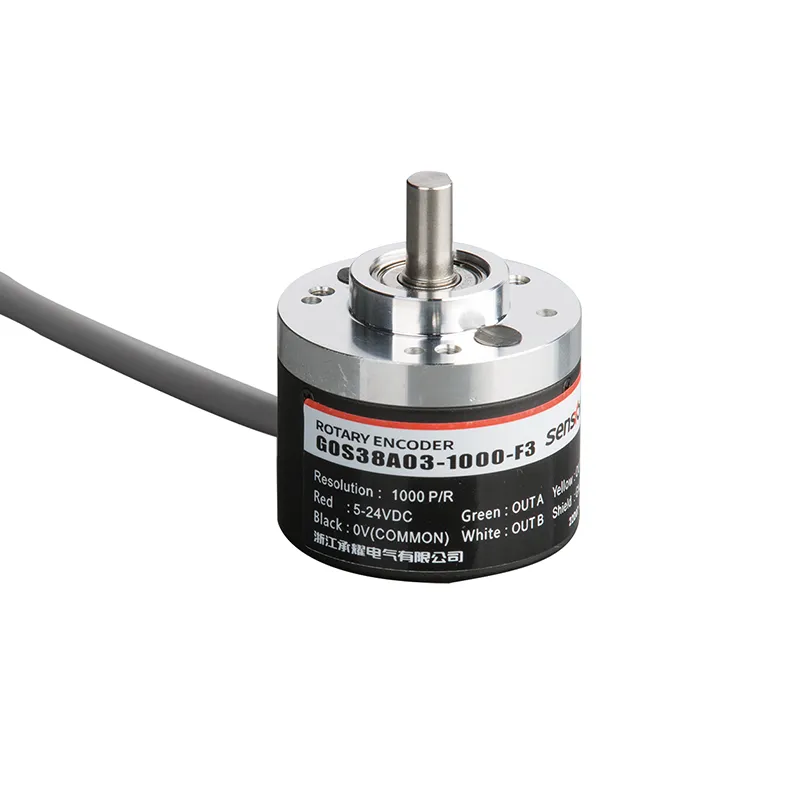
Hollow shaft encoder used in industrial automation systems for accurate motion control.
How a Hollow Shaft Encoder Works
The encoder converts rotational movement into electrical signals that can be interpreted by controllers such as PLCs and motion control systems.
Depending on the application, the device may use optical or magnetic sensing technology to generate precise position and speed information.
Hollow Shaft Encoder Signal Types
Common output options include:
Incremental signals
SSI communication
CANopen interface
EtherCAT protocols
Modbus communication
These outputs allow seamless integration into modern industrial control systems.
Key Features of a Hollow Shaft Encoder
Compact Installation Design
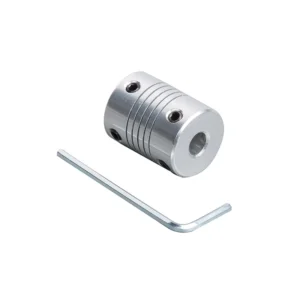
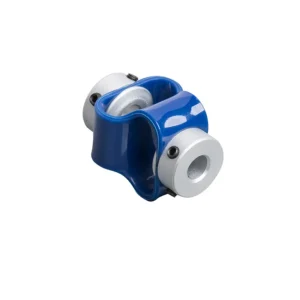
The through-bore structure minimizes installation space and eliminates the need for separate shaft couplings.
High Measurement Accuracy
Modern encoders deliver highly accurate feedback for positioning and speed monitoring.
Robust Industrial Construction
Many models feature aluminum or stainless-steel housings designed for demanding environments.
Excellent Environmental Protection
Industrial-grade units often provide IP65, IP67, or IP69K protection ratings against dust and moisture.
Benefits of Using a Hollow Shaft Encoder
Reduced Installation Time
Direct shaft mounting simplifies assembly and reduces labor costs.
Improved Reliability
Fewer mechanical components mean fewer failure points and greater long-term reliability.
Lower Maintenance Requirements
The simplified mechanical structure helps reduce wear and maintenance expenses.
Enhanced System Performance
Accurate feedback improves machine productivity and operational efficiency.
Applications of a Hollow Shaft Encoder
A hollow shaft encoder is commonly used across many industries.
Manufacturing Automation
Production lines rely on encoder feedback to maintain precision and synchronization.
Conveyor Systems
Conveyor drives use encoders to monitor speed and optimize material handling.
Packaging Equipment
Accurate positioning is critical for filling, labeling, and sealing processes.
Robotics
Robotic systems require precise motion feedback for repeatable movement and positioning.
Renewable Energy
Wind turbines and solar tracking systems use encoders to optimize performance.
How to Choose the Right Hollow Shaft Encoder
Several factors should be considered before selecting a solution.
Shaft Diameter
Ensure compatibility with the machine shaft dimensions.
Resolution Requirements
Choose a resolution that matches the application’s precision requirements.
Environmental Conditions
Consider temperature, vibration, humidity, and contamination levels.
Communication Interface
Verify compatibility with the existing control architecture.
Installation and Maintenance Tips
Proper installation can significantly extend service life.
Best practices include:
Align components carefully
Avoid excessive mechanical loads
Inspect mounting hardware regularly
Check electrical connections periodically
Keep housing surfaces clean
Internal Resources
For industrial encoder solutions and technical support, visit:
These resources provide educational information regarding encoder technologies and industrial motion control.
A hollow shaft encoder provides reliable speed and position measurement in harsh industrial environments.
Frequently Asked Questions
What is the difference between a hollow shaft encoder and a solid shaft encoder?
A hollow shaft model mounts directly onto a rotating shaft, while a solid shaft model typically requires a coupling for installation.
Are hollow shaft encoders suitable for harsh environments?
Yes. Many industrial models feature rugged housings and high IP protection ratings.
What industries commonly use hollow shaft encoders?
Manufacturing, packaging, logistics, robotics, energy, and material handling industries frequently use these devices.
How accurate are hollow shaft encoders?
Accuracy depends on the model and resolution, but many industrial units provide highly precise motion feedback.
Can a hollow shaft encoder be used with servo motors?
Yes. Many servo motor systems utilize encoder feedback for precise control.
How long does a typical encoder last?
With proper installation and maintenance, industrial encoders can operate reliably for many years.
Conclusion
A hollow shaft encoder offers an efficient and reliable solution for industrial motion control applications. Its compact design, simple installation, and high-performance feedback capabilities make it a preferred choice for modern automation systems.
Businesses seeking dependable encoder technology can explore professional solutions at https://sensyorcoder.net/products/ to find products suitable for a wide range of industrial applications.
In today’s world of industrial automation and smart manufacturing, encoders play an essential role. They help machines “see” position and movement, making precise control and feedback possible. Whether it’s a robot, CNC machine, or automated production line, encoders are key sensor devices. As a professional encoder supplier, we understand that every customer has unique needs. […]
📊 Comprehensive Outline for “24V encoder” Heading Level Topic H1 24V Encoder: 15 Smart Ways to Boost Industrial Accuracy H2 Introduction to 24V Encoder H3 What is a 24V Encoder H3 Why Voltage Matters in Encoders H2 How a 24V Encoder Works H3 Signal Output and Power Supply H3 Electrical Characteristics H2 Types of 24V […]
Introduction to 38mm Encoder The 38mm encoder is a compact yet highly precise rotary sensor widely used in modern industrial automation systems. A 38mm encoder is specifically designed for applications where space is limited but accuracy is critical. Unlike larger encoder models, the 38mm encoder offers a balance between compact design and high-performance signal output. […]
We use cookies to enhance your browsing experience, serve personalised ads or content, and analyse our traffic. By clicking "Accept All", you consent to our use of cookies.