Industrial automation continues to evolve rapidly, and accurate motion feedback has become more important than ever. A magnetic encoder is one of the most reliable sensing technologies available today. Compared with traditional optical solutions, it offers excellent durability, resistance to contamination, and dependable performance in demanding environments.
Whether used in manufacturing equipment, robotics, conveyor systems, or heavy machinery, a magnetic encoder helps improve operational efficiency while reducing maintenance requirements.
Table of Contents
What Is a Magnetic Encoder?
How Does a Magnetic Encoder Work?
Key Features of a Magnetic Encoder
Types of Magnetic Encoder Systems
Applications of Magnetic Encoder Technology
Magnetic Encoder vs Optical Encoder
How to Select the Right Magnetic Encoder
Future Trends
Frequently Asked Questions
What Is a Magnetic Encoder?
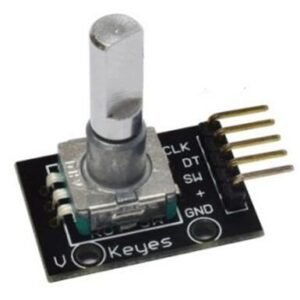
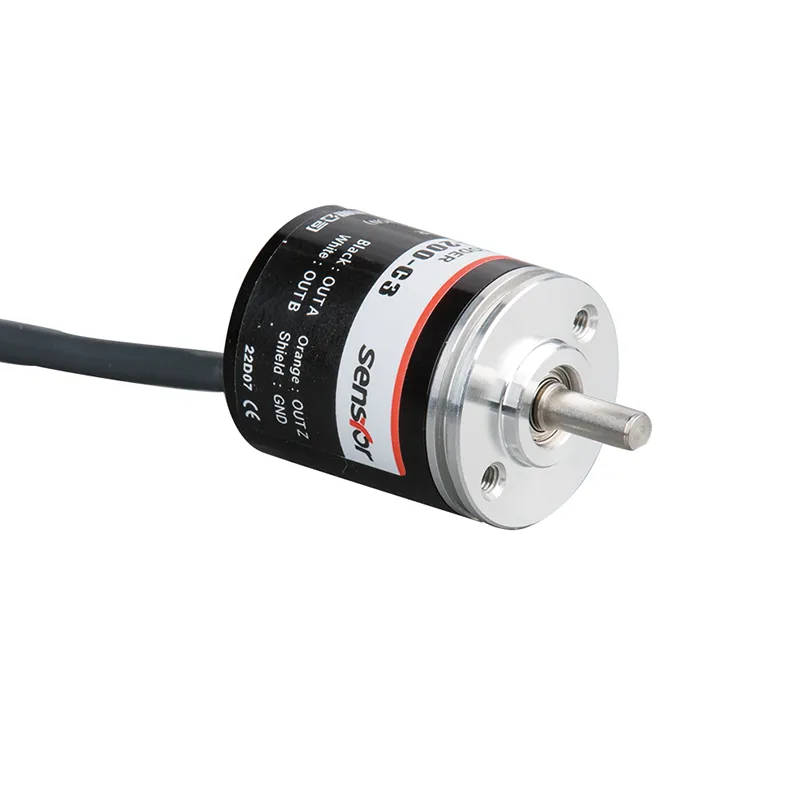
A magnetic encoder is a position-sensing device that converts rotational or linear movement into electrical signals. Instead of using light-based detection, it relies on magnetic fields and specialized sensors to determine position, speed, and direction.
Because the sensing mechanism is contactless, magnetic encoder systems can operate effectively in environments where dust, oil, vibration, or moisture would affect other technologies.
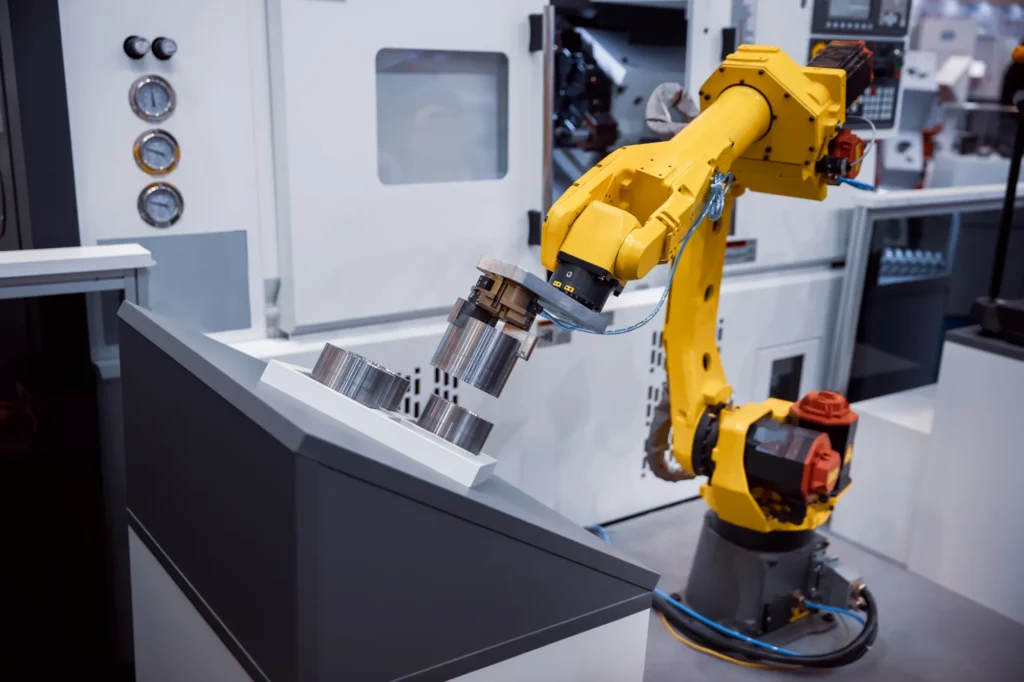
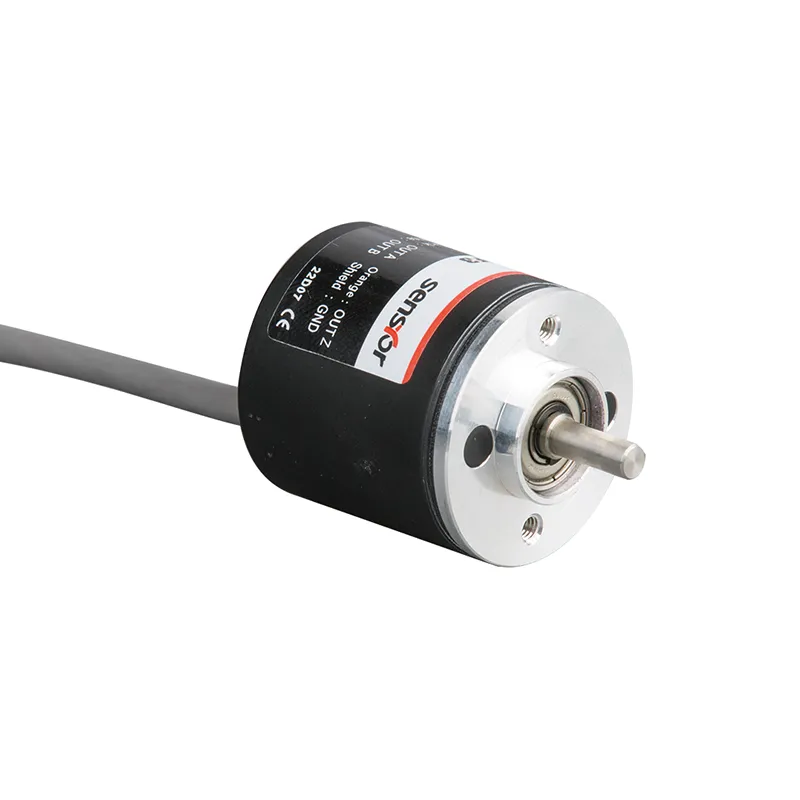
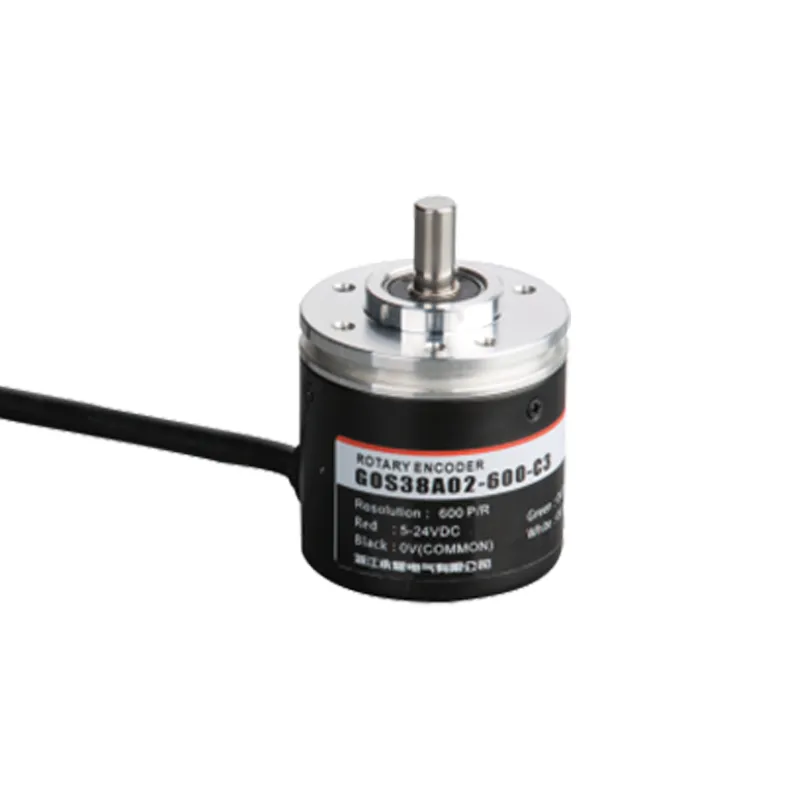
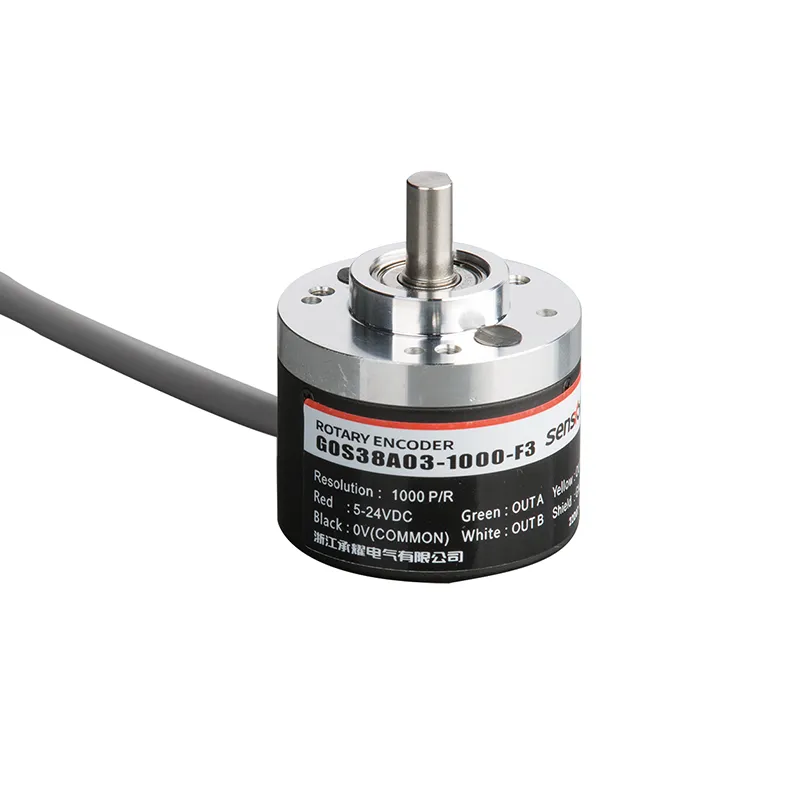
Magnetic encoder providing precise position feedback in industrial automation systems.
How Does a Magnetic Encoder Work?
A magnetic encoder typically consists of:
Magnetic ring or magnetic scale
Sensor element
Signal processing electronics
Output interface
As the magnetic target moves, the sensor detects changes in the magnetic field. The electronics then convert these changes into digital or analog signals that can be interpreted by a controller.
This design allows a magnetic encoder to provide stable feedback even in challenging industrial conditions.
Key Features of a Magnetic Encoder
High Durability of Magnetic Encoder Systems
One of the primary advantages of a magnetic encoder is its ability to withstand harsh operating environments. Unlike optical systems, performance is less affected by contaminants.
Magnetic Encoder Reliability in Extreme Conditions
A magnetic encoder can operate in:
Dusty factories
Outdoor equipment
High-vibration machinery
Moist environments
Compact Magnetic Encoder Design
Modern magnetic encoder products are available in compact formats suitable for robotics, medical devices, and automated equipment.
Low Maintenance Requirements
Because there are no delicate optical components requiring frequent cleaning, maintenance costs are often reduced.
Types of Magnetic Encoder Systems
Incremental Magnetic Encoder
An incremental magnetic encoder generates pulse signals as movement occurs. These devices are widely used for speed monitoring and positioning applications.
Absolute Magnetic Encoder
An absolute magnetic encoder provides a unique position value at every point of rotation. Position information remains available even after power interruptions.
Rotary Magnetic Encoder
Designed for shaft rotation measurement in motors, gearboxes, and industrial machines.
Linear Magnetic Encoder
Used for precise linear positioning in automation equipment and machine tools.
Applications of Magnetic Encoder Technology
Manufacturing Automation
Factories use magnetic encoder solutions to improve motion control accuracy and production consistency.
Robotics
Robotic systems rely on magnetic encoder feedback for precise movement and positioning.
Packaging Equipment
High-speed packaging lines benefit from the durability and reliability of magnetic encoder technology.
Renewable Energy
Wind turbines and solar tracking systems frequently utilize magnetic encoder sensors to monitor rotational movement.
Magnetic Encoder vs Optical Encoder
Feature
Magnetic Encoder
Optical Encoder
Dust Resistance
Excellent
Moderate
Vibration Resistance
Excellent
Good
Moisture Resistance
Excellent
Limited
Maintenance
Low
Higher
Cost Efficiency
High
Moderate
For industrial environments, a magnetic encoder often provides a more robust solution.
How to Select the Right Magnetic Encoder
Evaluate Environmental Conditions
Consider:
Temperature range
Moisture exposure
Dust levels
Mechanical shock
Determine Resolution Requirements
Select a magnetic encoder that provides sufficient resolution for your application.
Choose the Appropriate Output Interface
Common interfaces include:
SSI
CANopen
EtherCAT
RS485
Analog output
Explore Professional Encoder Solutions
For industrial applications requiring reliable sensing technology, explore:
Table of Contents What Is a 48mm Encoder? A compact rotary encoder is a compact rotary feedback device designed to measure speed, position, and rotational movement in industrial equipment. Because of its compact size and reliable performance, this type of encoder is widely used in automation systems, robotics, manufacturing machines, and motion control applications. Modern […]
Choosing the right rotary encoder manufacturer is important for OEMs, machine builders, automation companies, and industrial distributors that depend on consistent motion-feedback components. A suitable supplier should provide more than a product catalog. Buyers should evaluate technical capability, mechanical and electrical specifications, customization options, quality control, production capacity, samples, technical support, and long-term supply capability. […]
What Is a 2500ppr Encoder? A 2500ppr encoder is a high-resolution rotary feedback device designed to measure shaft rotation, speed, and position in industrial automation systems. The term PPR means “pulses per revolution,” which represents the number of electrical pulses generated during one complete shaft rotation. A 2500ppr encoder produces 2500 pulses per revolution, allowing […]
We use cookies to enhance your browsing experience, serve personalised ads or content, and analyse our traffic. By clicking "Accept All", you consent to our use of cookies.