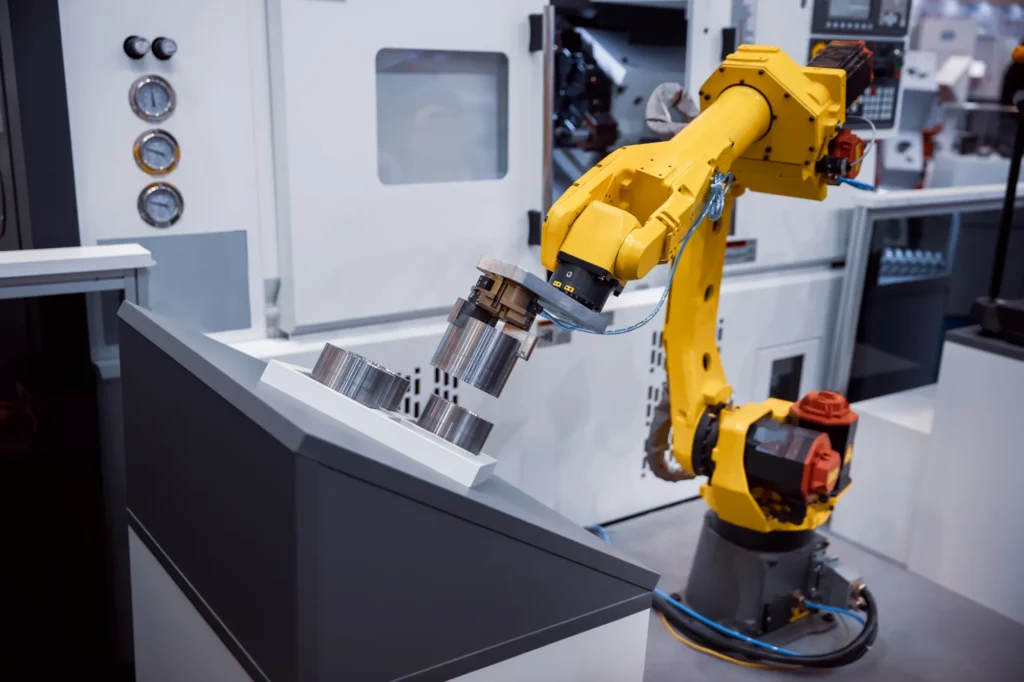
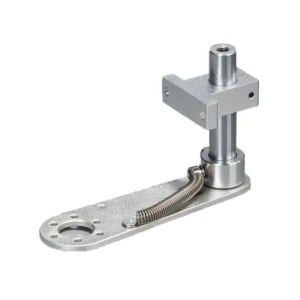
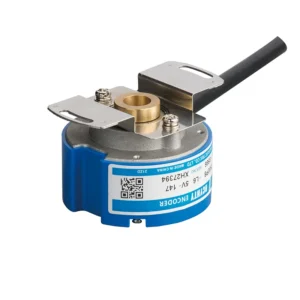
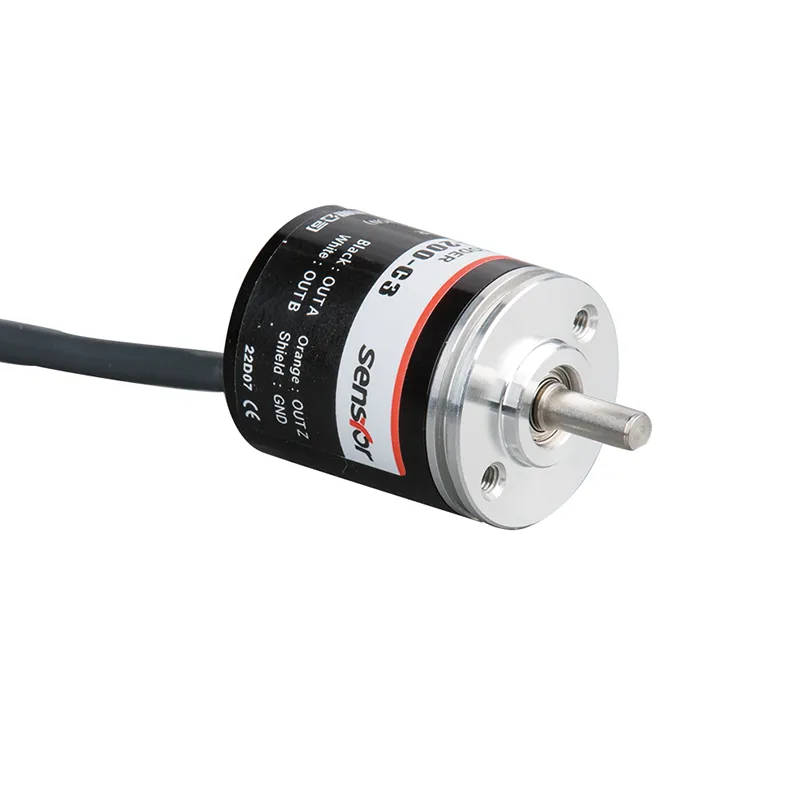
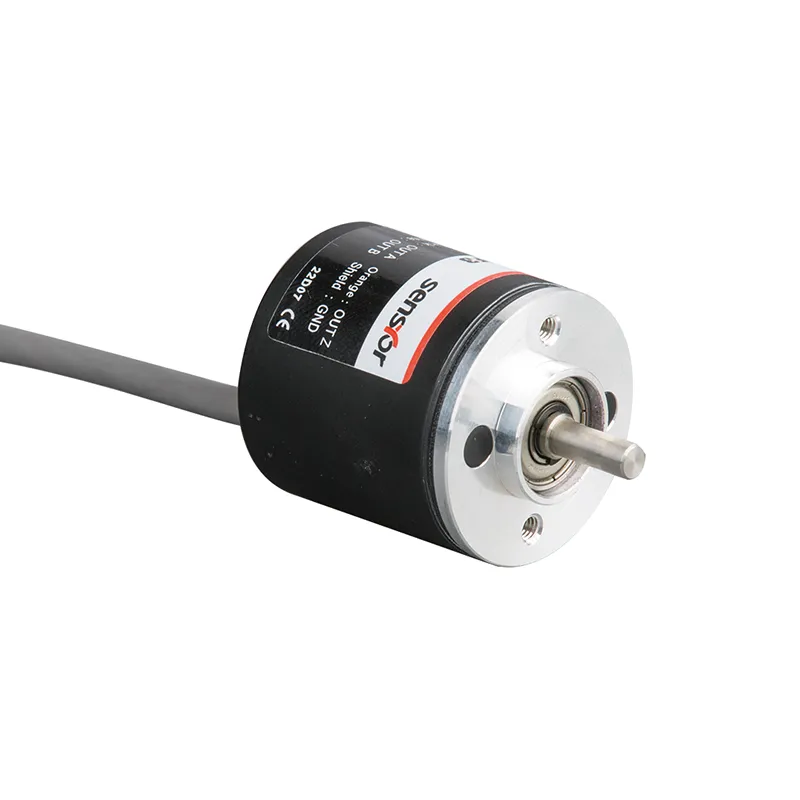
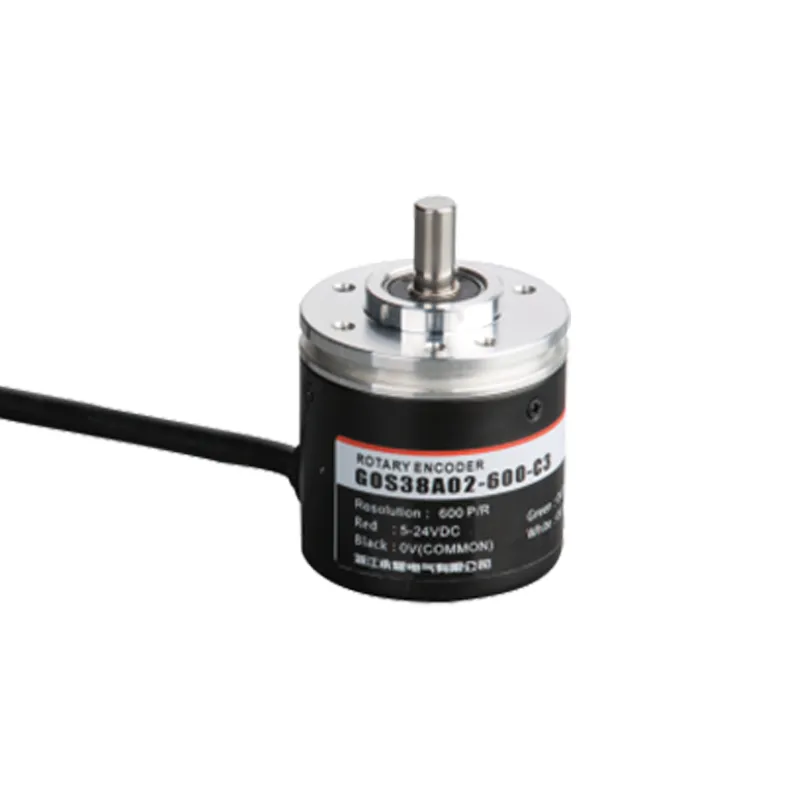
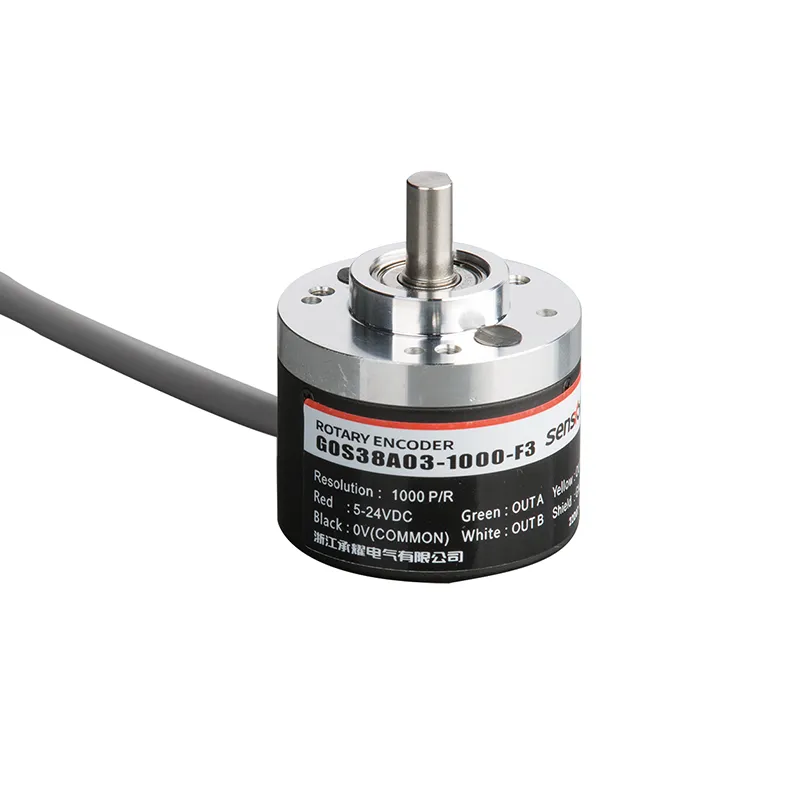
48mm encoder designed for compact industrial automation equipment
What Is a 48mm Encoder?
A compact rotary encoder is a compact rotary feedback device designed to measure speed, position, and rotational movement in industrial equipment. Because of its compact size and reliable performance, this type of encoder is widely used in automation systems, robotics, manufacturing machines, and motion control applications.
Modern industrial systems require accurate feedback to improve efficiency and reduce downtime. A compact encoder with a 48mm housing diameter provides a balance between installation flexibility and measurement accuracy.
For manufacturers looking for professional encoder solutions, Sensyor Coder provides industrial encoder products suitable for different automation environments:
A rotary encoder converts mechanical rotation into electrical signals. These signals allow controllers such as PLCs, servo drives, and industrial computers to understand:
Rotation speed
Direction of movement
Machine position
Operating status
Depending on the design, a 48mm encoder can use optical or magnetic sensing technology.
Optical Encoder Technology
Optical encoders use light and coded discs to detect movement. They are known for:
High resolution
Excellent accuracy
Fast response
Magnetic Encoder Technology
Magnetic models use magnetic fields to detect rotation. They perform well in environments with:
Dust
Vibration
Oil contamination
Temperature changes
Key Features of 48mm Encoder Technology
Compact Design of 48mm Encoder
One major advantage of this encoder size is its compact structure. Equipment manufacturers often have limited installation space, especially in:
Robotics
Packaging machines
Semiconductor equipment
Medical automation devices
The small diameter allows engineers to integrate feedback systems without redesigning mechanical structures.
High Accuracy Position Feedback
A quality encoder provides precise position information, helping machines achieve:
Better speed control
Higher production accuracy
Improved repeatability
This makes it an important component in automated manufacturing.
Multiple Output Options
Depending on the application, industrial encoders may support different output interfaces:
Output Type
Application
TTL
High-speed control systems
HTL
Industrial environments
SSI
Absolute position applications
CANopen
Networked automation
Applications of 48mm Encoder in Industry
48mm Encoder for Industrial Automation
Industrial automation systems rely heavily on accurate feedback sensors. A compact rotary encoder helps automated machines monitor movement and maintain precise operation.
Common applications include:
Conveyor systems
Servo motors
CNC machines
Assembly equipment
Automated inspection systems
Robotics Applications
Robotic systems require accurate feedback to control:
Arm movement
Joint positioning
Rotation speed
Compact encoders are especially useful where installation space is limited.
Packaging Machinery
Packaging equipment operates at high speed and requires reliable position monitoring.
Encoders help control:
Filling operations
Label positioning
Cutting systems
Material feeding
Benefits of Using a 48mm Encoder
Improved Machine Performance
Accurate feedback improves machine control and reduces production errors.
A reliable encoder allows automation systems to operate smoothly with better efficiency.
Reduced Maintenance Requirements
Industrial-grade encoders are designed for long operating cycles. Durable construction helps reduce:
Unexpected failures
Maintenance costs
Production interruptions
Easy Integration
The compact design makes installation easier compared with larger feedback devices.
Engineers can integrate a 48mm encoder into existing systems without major modifications.
How to Choose the Right 48mm Encoder
Consider Resolution Requirements
Resolution determines how accurately the encoder detects movement.
Higher resolution is important for:
Precision manufacturing
Robotics
Servo positioning
Check Environmental Conditions
Before selecting an encoder, evaluate:
Temperature range
Moisture exposure
Dust levels
Vibration conditions
For harsh industrial environments, choose models with suitable protection ratings.
Select the Correct Output Interface
The encoder communication method should match the control system.
Common choices include:
Incremental output
Absolute output
Industrial communication protocols
Installation and Maintenance Tips
Proper Installation Practices
To achieve reliable performance:
Align the shaft correctly
Avoid excessive mechanical force
Secure mounting connections
Protect cables from damage
Maintenance Recommendations
Regular inspection can extend encoder service life.
Recommended actions:
Check mounting stability
Inspect wiring
Monitor abnormal vibration
Keep connectors clean
External Resources for Encoder Technology
For additional technical information about industrial motion control and encoder applications, you can refer to:
A 48mm encoder is an important solution for modern industrial automation systems requiring compact size, reliable feedback, and accurate motion control.
From robotics and packaging machines to precision manufacturing equipment, this encoder format provides excellent flexibility and performance.
When selecting an encoder, consider accuracy requirements, environmental conditions, communication methods, and long-term reliability. Choosing the right industrial encoder supplier can help improve machine efficiency and reduce operational costs.
📊 Comprehensive Outline for “servo motor encoder” Heading Level Topic H1 Servo Motor Encoder: 15 Essential Insights for Precision Control H2 Introduction to Servo Motor Encoder H3 What is a Servo Motor Encoder H3 Why Feedback Systems Matter H2 How a Servo Motor Encoder Works H3 Signal Generation and Feedback Loop H3 Position and Speed […]
📊 Comprehensive Outline for “long distance encoder” Heading Level Topic H1 Long Distance Encoder: 15 Powerful Insights for Remote Accuracy H2 Introduction to Encoder Technology H2 What Makes a Long Distance Encoder Unique H2 Working Principle Explained H2 Types of Encoders Used for Long Distance H2 Core Components of Encoder Systems H2 Key Applications Across […]
An absolute rotary encoder is a position-feedback device that provides a digital or coded representation of shaft position. Unlike a conventional incremental encoder, an absolute encoder is designed to identify a specific shaft position rather than relying only on accumulated pulses from movement. Absolute rotary encoders can be used in automation equipment, robotics, machine tools, […]
We use cookies to enhance your browsing experience, serve personalised ads or content, and analyse our traffic. By clicking "Accept All", you consent to our use of cookies.