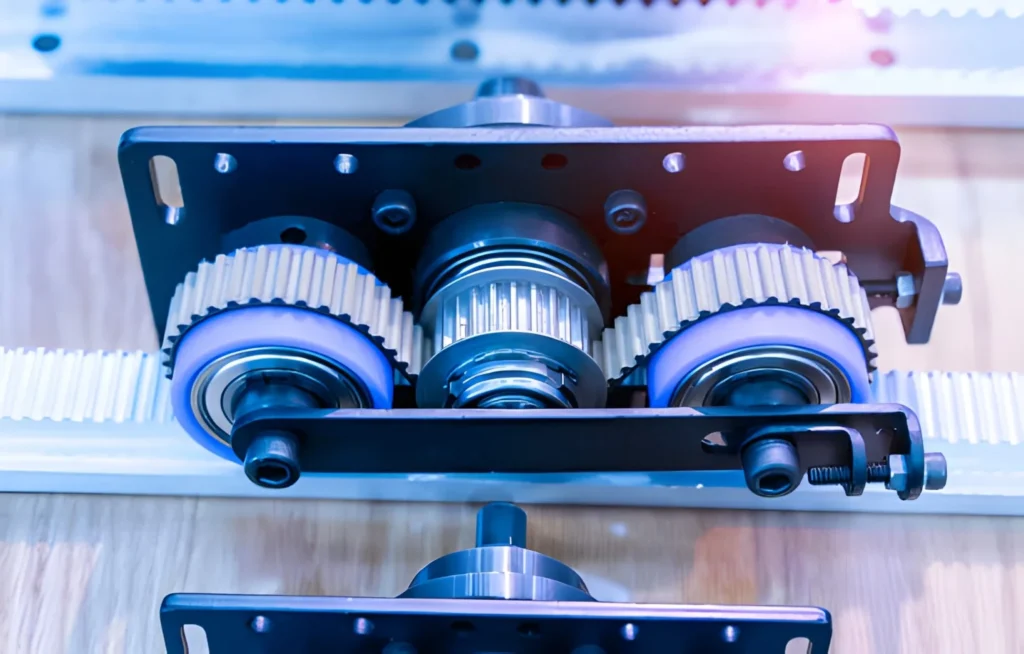
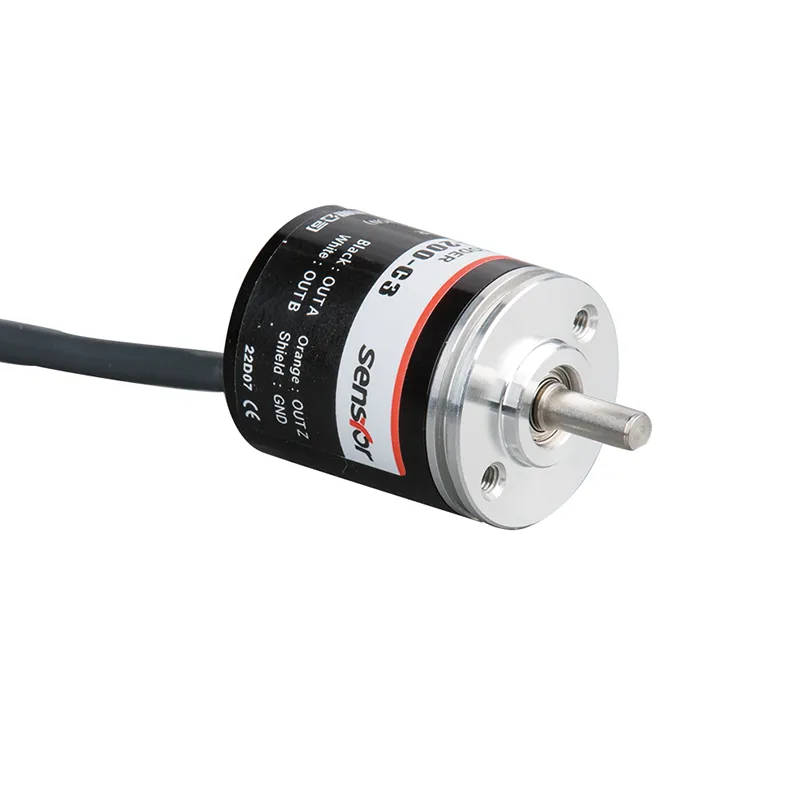
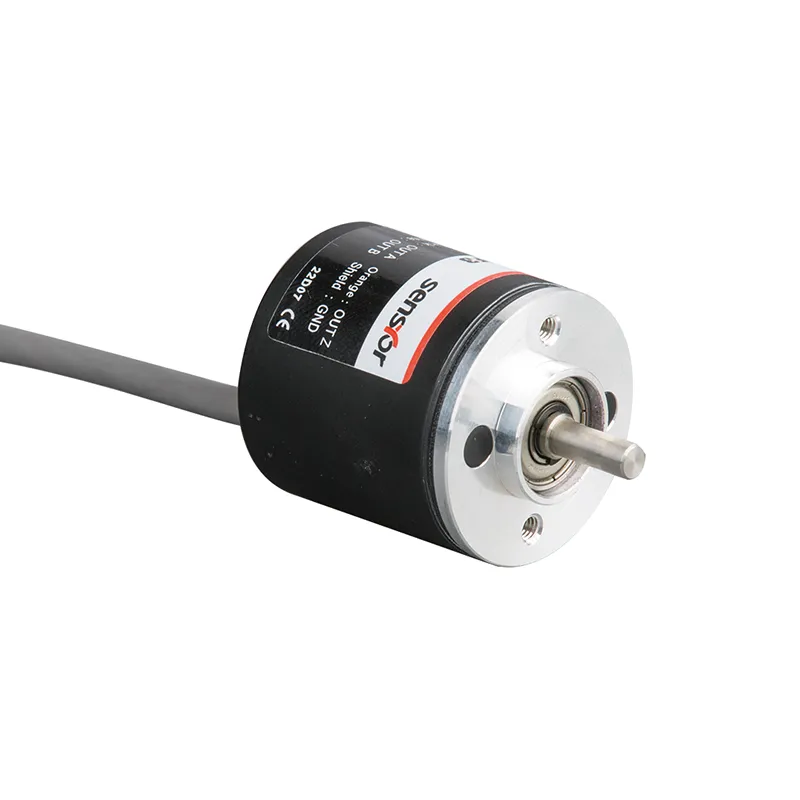
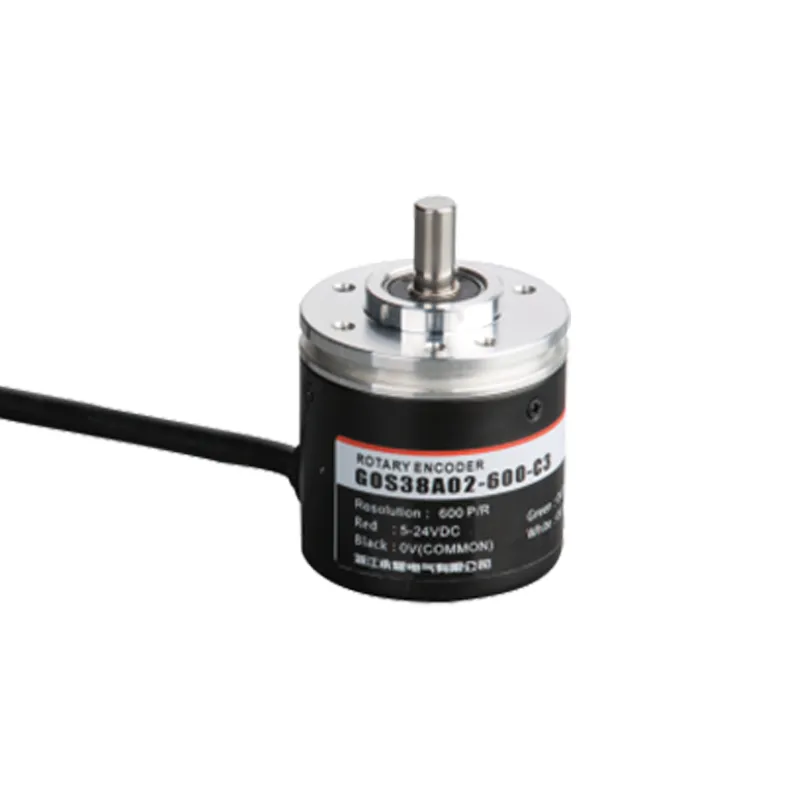
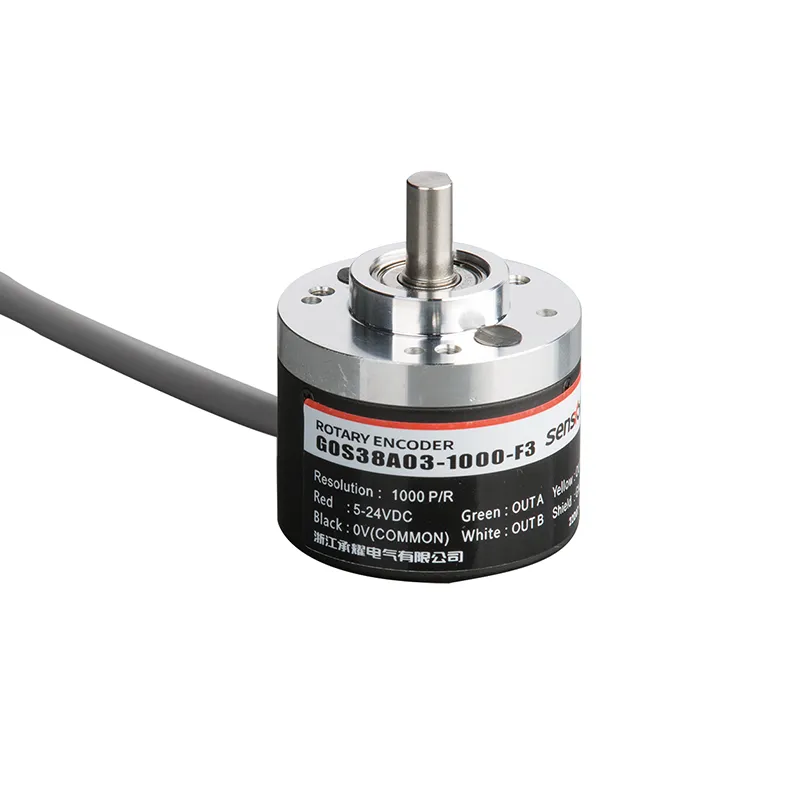
A rotary encoder for textile machinery provides rotational feedback that can help textile equipment monitor speed, position, direction, and movement. Encoders can be used in spinning machines, weaving equipment, knitting machines, winding systems, textile printing equipment, and other automated production machinery.
Textile manufacturing often involves continuous movement and coordinated rotating components. A suitable encoder can become an important part of the machine’s motion-control and feedback system.
For textile machinery manufacturers, OEMs, automation engineers, distributors, and purchasing teams, choosing the right encoder requires consideration of resolution, rotational speed, output signal, shaft configuration, mounting method, and environmental conditions.
If you are looking for encoder products for textile equipment, you can explore Sensyor’s rotary encoder product range for more information.
What Is a Rotary Encoder for Textile Machinery?
A rotary encoder is a feedback device that detects rotational movement and converts it into an electrical output.
When installed on a motor, roller, shaft, spindle, or other rotating component, a rotary encoder for textile machinery can provide information that a controller uses to monitor or control machine movement.
Depending on the encoder type and control architecture, the feedback may represent:
- Rotational speed
- Direction
- Relative position
- Angular position
- Movement
In textile machinery, the encoder does not operate independently. It forms part of a larger system that can include motors, drives, PLCs, controllers, sensors, mechanical transmission components, and other automation equipment.
The correct encoder therefore needs to match the complete machine design.
Why Textile Machinery Needs Rotary Encoder Feedback
Textile production equipment can contain many rotating components that must operate at controlled speeds and in coordination with other machine functions.
A rotary encoder for textile machinery can provide feedback from these rotating components, allowing the control system to receive information about their movement.
Depending on the machine, encoder feedback may be used for:
- Speed monitoring
- Position feedback
- Direction detection
- Motor feedback
- Synchronization
- Web or material movement monitoring
- Winding control
- Automated production processes
- Motion-control applications
The actual function depends on the textile machine and its control architecture.
For example, an encoder connected to a roller can provide rotational feedback that corresponds to the movement of material through the machine. A controller can then use that information as part of its programmed control process.
9 Applications of Rotary Encoders in Textile Machinery
1. Spinning Machines
Spinning machinery converts textile fibers into yarn through controlled mechanical processes.
These machines can contain motors, spindles, rollers, and other rotating components. A rotary encoder for textile machinery can provide feedback from selected rotating components depending on the machine design.
Encoder feedback may support speed monitoring, synchronization, or motor-control functions.
When selecting an encoder for spinning equipment, manufacturers should consider rotational speed, mechanical mounting, resolution, output signal, and the environmental conditions around the machine.
2. Weaving Machines
Weaving equipment must coordinate multiple mechanical movements to form fabric from yarn.
Rotating shafts, rollers, motors, and other components may require feedback as part of the machine’s automation system.
A rotary encoder for textile machinery can provide rotational feedback from a motor or shaft, allowing the control system to monitor movement.
The encoder’s mechanical configuration is particularly important because the available installation space and shaft arrangement can vary between machine designs.
3. Knitting Machines
Knitting machines use coordinated mechanical movements to produce knitted fabrics.
Depending on the equipment, encoders can provide feedback from motors, rollers, shafts, or other rotating mechanisms.
A rotary encoder for textile machinery used in knitting equipment should be selected according to the required speed, resolution, output interface, mechanical dimensions, and environmental conditions.
For OEM machinery manufacturers, customized mechanical or electrical configurations may also be relevant.
4. Winding Machines
Winding machines transfer yarn or other textile materials onto packages or between processing stages.
Maintaining controlled rotational movement can be important for consistent machine operation.
A rotary encoder for textile machinery can monitor the rotation of a winding motor, roller, or shaft. The resulting feedback can be used by the control system according to the machine’s design.
When choosing an encoder for winding equipment, engineers should pay attention to rotational speed, resolution, shaft dimensions, and installation requirements.
5. Textile Printing Equipment
Textile printing machines need coordinated movement between materials, rollers, motors, and printing mechanisms.
Encoder feedback can help a control system monitor rotational movement within the machine.
For a rotary encoder for textile machinery, the appropriate specifications depend on the printing equipment’s speed, mechanical configuration, controller, and operating environment.
In continuous processes, the encoder should be selected according to the actual operating conditions rather than based only on nominal resolution.
6. Dyeing and Finishing Equipment
Textile dyeing and finishing processes can involve rollers, pumps, motors, conveyors, and other moving components.
Some equipment may use encoder feedback to monitor or coordinate rotating machinery.
Environmental conditions can be particularly important in these applications. Depending on the installation location, equipment may encounter moisture, chemicals, temperature changes, or other industrial conditions.
Engineers should therefore review the encoder manufacturer’s environmental specifications carefully.
7. Textile Cutting Machines
Automated cutting equipment needs controlled material movement and coordinated machine operations.
Rotary encoders can provide feedback from motors or rollers involved in material transport.
A rotary encoder for textile machinery can become part of the motion-feedback system used to coordinate movement with cutting operations.
Mechanical installation and resolution requirements should be evaluated according to the machine’s design.
8. Textile Inspection Machines
Automated textile inspection systems may combine cameras, sensors, rollers, motors, and controllers.
Encoder feedback can provide information about material movement so that the control system can coordinate machine functions.
For example, encoder signals may be associated with roller rotation and therefore provide movement information to other parts of the system.
The appropriate encoder depends on the machine’s electrical architecture and mechanical arrangement.
9. Automated Textile Production Lines
Modern textile production lines can integrate multiple processing machines and material-handling systems.
A rotary encoder for textile machinery can provide feedback from individual motors or rotating mechanisms within these systems.
When several machines operate together, encoder compatibility, signal configuration, and controller integration become important considerations.
Incremental vs. Absolute Encoders for Textile Machinery
When selecting a rotary encoder for textile machinery, one important decision is whether to use an incremental or absolute encoder.
Incremental Rotary Encoders
Incremental encoders generate signals corresponding to rotational movement.
Depending on the output configuration, the control system can use the signals to determine:
- Speed
- Direction
- Relative movement
- Position changes
Incremental encoders may be suitable for textile applications where the control system can establish or maintain the required reference position.
Absolute Rotary Encoders
Absolute encoders provide a position value associated with the shaft’s angular position.
They can be considered for applications where the control system needs absolute position information.
The correct choice depends on the textile machine’s control architecture, positioning requirements, encoder interface, and operating conditions.
There is no single encoder type that is appropriate for every textile application.
8 Specifications to Consider When Choosing an Encoder
1. Resolution
Resolution determines how finely the encoder represents rotational movement.
The appropriate resolution depends on the machine’s mechanical design and control requirements.
Higher resolution does not automatically mean better machine performance. The complete system must be able to use the encoder’s available feedback.
2. Rotational Speed
Textile machinery can contain components that rotate continuously or at relatively high speeds.
Before choosing a rotary encoder for textile machinery, compare the encoder’s specified operating speed with the actual machine requirements.
3. Output Signal
The encoder output needs to be compatible with the receiving controller, drive, or interface.
Check the required signal format, voltage, frequency characteristics, connector, and wiring.
4. Shaft Configuration
Mechanical compatibility is essential.
Check:
- Shaft diameter
- Shaft length
- Shaft type
- Housing dimensions
- Mounting holes
- Mounting orientation
- Coupling requirements
5. Environmental Protection
Textile machinery may expose components to dust, fibers, vibration, temperature changes, moisture, or other industrial conditions.
The encoder’s environmental specifications should match the actual installation environment.
For general information about electrical and electronic standards, buyers can consult the International Electrotechnical Commission (IEC).
6. Operating Temperature
Temperature conditions can vary between different textile manufacturing processes.
Check the encoder’s specified operating temperature range and compare it with the expected machine environment.
7. Mechanical Load
The encoder’s shaft and mounting system need to be suitable for the mechanical loads imposed by the application.
Improper coupling or excessive mechanical loading can affect encoder operation.
Always follow the manufacturer’s installation requirements.
8. Controller Compatibility
The encoder needs to work correctly with the machine’s control system.
Before purchasing a rotary encoder for textile machinery, confirm compatibility with the PLC, drive, motion controller, or other receiving equipment.
How to Choose a Rotary Encoder for Textile Machinery
A structured selection process can make encoder sourcing easier.
Step 1: Identify the Rotating Component
Determine whether the encoder will be installed on:
- A motor
- Roller
- Shaft
- Spindle
- Conveyor
- Winding mechanism
- Other rotating component
Step 2: Define What Needs to Be Measured
Identify whether the machine needs information about speed, direction, relative movement, or absolute position.
Step 3: Determine Mechanical Requirements
Measure shaft dimensions, mounting space, coupling requirements, and installation orientation.
Step 4: Determine Electrical Requirements
Identify supply voltage, output signal, connector, wiring, and controller interface.
Step 5: Evaluate the Environment
Consider textile fibers, dust, vibration, moisture, temperature, and other conditions around the encoder.
Step 6: Compare Suppliers
Compare suppliers based on:
- Manufacturing capability
- Product range
- Quality control
- Technical documentation
- OEM/ODM capability
- Production capacity
- Lead time
- Technical support
You can review Sensyor rotary encoder products when evaluating encoder options for textile machinery.
What Makes a Good Rotary Encoder Supplier for Textile Machinery?
For textile machinery manufacturers and OEMs, choosing a suitable supplier is as important as choosing the encoder itself.
A supplier should be able to clearly explain the encoder’s specifications and help buyers determine whether a product configuration matches the application.
Important factors include:
- Manufacturing experience
- Product availability
- Technical documentation
- Quality-control processes
- Customization options
- Sample support
- Production capacity
- Delivery capability
- Technical communication
If your textile machinery requires a customized encoder configuration, provide detailed mechanical and electrical specifications when contacting the manufacturer.
For information about international quality-management standards, buyers can refer to the International Organization for Standardization (ISO).
Why Choose Sensyor Rotary Encoder Products?
For manufacturers, distributors, OEMs, and automation companies sourcing encoders, product compatibility should be evaluated according to the specific application.
Sensyor provides a range of rotary encoder products that can be considered for industrial applications.
If you are evaluating a rotary encoder for textile machinery, visit the Sensyor rotary encoder product page and review the available product information before discussing your specific technical requirements.
When contacting a supplier, providing the machine type, required encoder function, rotational speed, resolution, shaft dimensions, output requirements, and environmental conditions can make technical discussions more efficient.
FAQs About Rotary Encoder for Textile Machinery
What is a rotary encoder used for in textile machinery?
A rotary encoder can provide feedback about the rotational movement of motors, rollers, shafts, spindles, and other components. Depending on the machine, this feedback may support speed monitoring, position feedback, direction detection, or synchronization.
Why are rotary encoders important in textile machines?
Textile machinery often contains continuously moving and rotating components. A rotary encoder for textile machinery can provide feedback that allows the machine’s control system to monitor these movements.
Which rotary encoder is best for textile machinery?
There is no single best encoder for every textile machine. The appropriate product depends on resolution, rotational speed, output signal, mechanical dimensions, environmental conditions, and controller compatibility.
Are incremental encoders suitable for textile machinery?
Incremental encoders can be suitable for textile applications that require speed, direction, or relative movement feedback. The encoder should be matched to the machine’s control architecture.
Are absolute encoders used in textile machinery?
Absolute encoders can be considered when a textile machine requires absolute angular position information. Whether they are appropriate depends on the specific machine and control system.
What encoder resolution is needed for textile machinery?
The required resolution depends on the application. Engineers should consider the machine’s mechanical transmission, desired feedback performance, controller capabilities, and actual process requirements.
Can rotary encoders operate in dusty textile environments?
Some encoders are designed for industrial environments, but suitability depends on the manufacturer’s specifications. Textile dust, fibers, vibration, temperature, and moisture should be considered before selecting an encoder.
Can a rotary encoder be customized for textile machinery?
Depending on the manufacturer, OEM or customized configurations may be available. Buyers should provide mechanical, electrical, and environmental requirements to determine available options.
How do I choose a rotary encoder supplier for textile equipment?
Compare manufacturers based on product compatibility, manufacturing capability, quality control, technical documentation, customization support, production capacity, lead time, and technical communication.
Conclusion
A rotary encoder for textile machinery can provide important rotational feedback for spinning, weaving, knitting, winding, printing, cutting, inspection, dyeing, finishing, and automated textile production equipment.
The right encoder should match the machine’s resolution, speed, output signal, mechanical configuration, environmental conditions, and controller requirements. Incremental and absolute encoder technologies can both be useful depending on the application.
For textile machinery manufacturers, OEMs, distributors, and system integrators, selecting a capable supplier is also an important part of the sourcing process.
If you are sourcing encoders for textile machinery, visit the Sensyor rotary encoder product page to explore available rotary encoder solutions.