CNC Machine Encoder: 15 Essential Insights for Precision
H2
Introduction to CNC Machine Encoder
H3
What is a CNC Machine Encoder
H3
Importance in CNC Machining
H2
How CNC Machine Encoder Works
H3
Signal Conversion Process
H3
Feedback and Control System
H2
Types of CNC Machine Encoder
H3
Optical Encoders
H3
Magnetic Encoders
H3
Absolute vs Incremental Encoders
H2
Components of CNC Machine Encoder
H3
Code Disc
H3
Sensors and Electronics
H2
Applications of CNC Machine Encoder
H3
Milling Machines
H3
Lathes
H3
Multi-Axis Machines
H2
Benefits of CNC Machine Encoder
H3
High Accuracy
H3
Improved Efficiency
H3
Better Automation
H2
Challenges of CNC Machine Encoder
H3
Environmental Sensitivity
H3
Cost Considerations
H2
CNC Machine Encoder vs Standard Encoder
H3
Key Differences
H2
Installation of CNC Machine Encoder
H3
Alignment Tips
H2
Maintenance of CNC Machine Encoder
H3
Cleaning and Calibration
H2
Future Trends in CNC Machine Encoder
H3
Smart Manufacturing
H2
Buying Guide for CNC Machine Encoder
H3
Key Features
H2
FAQs
H2
Conclusion
Introduction to CNC Machine Encoder
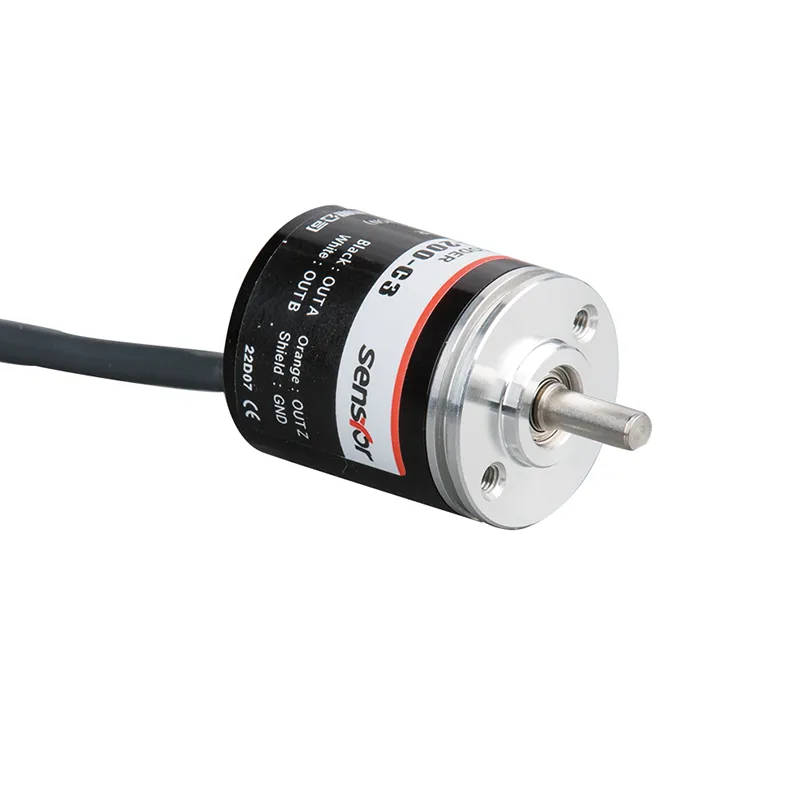
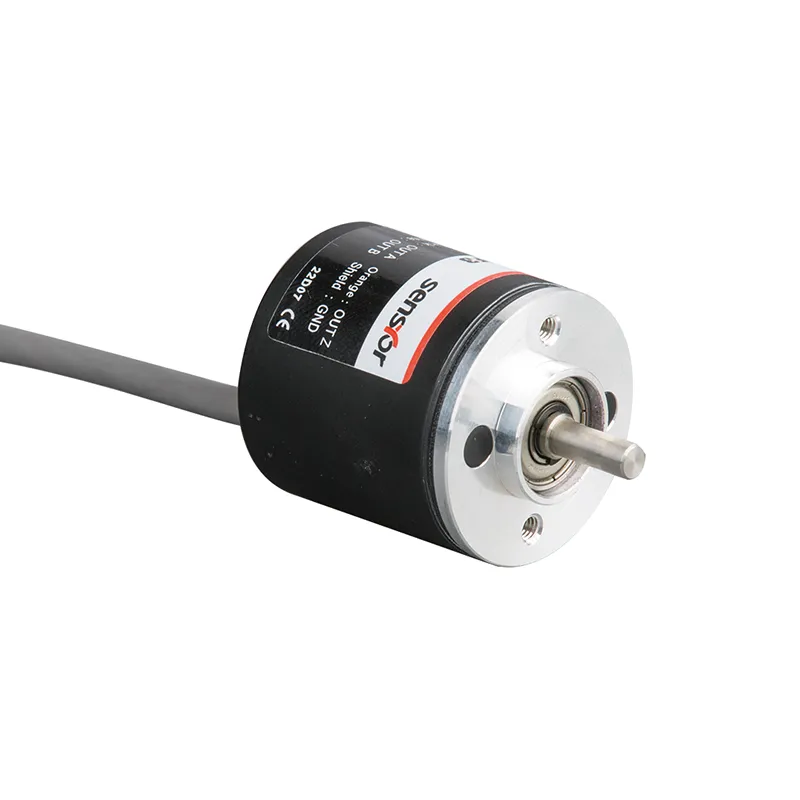
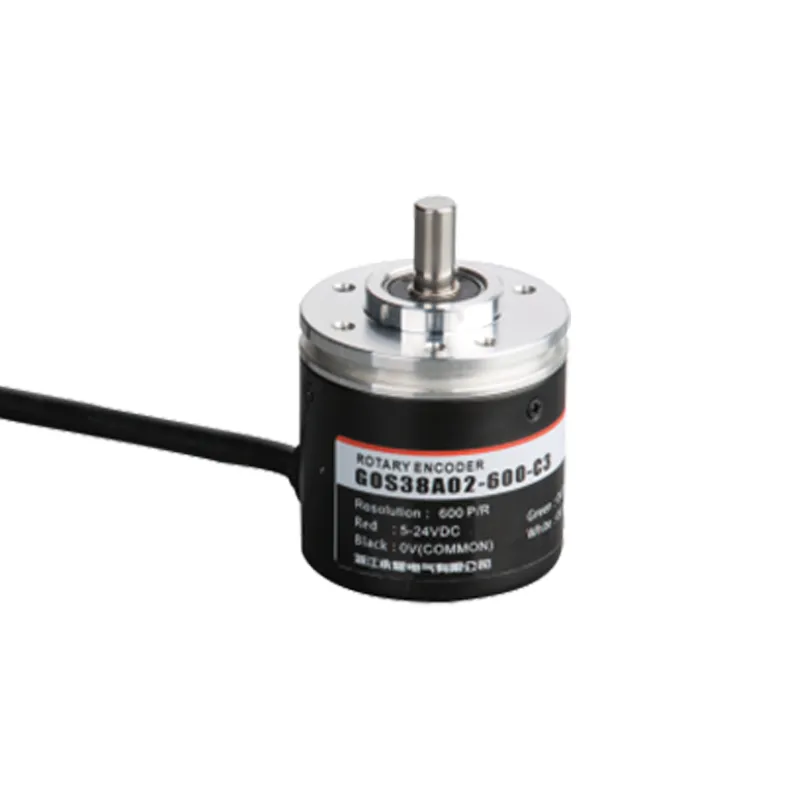
A CNC machine encoder is a critical component used in computer numerical control (CNC) systems to measure position, speed, and direction with high accuracy. It ensures that machines follow precise instructions, which is essential for producing high-quality parts.
In modern manufacturing, a CNC machine encoder plays a vital role in maintaining consistency, reducing errors, and improving productivity.
How CNC Machine Encoder Works
A CNC machine encoder converts mechanical motion into electrical signals that the CNC controller can interpret.
Signal Conversion Process
The encoder detects movement and transforms it into digital pulses.
Feedback and Control System
These signals are sent to the controller, which adjusts machine movement in real time.
Types of CNC Machine Encoder
Different types of CNC machine encoder are used depending on application needs.
Optical Encoders
High precision
Uses light signals
Ideal for detailed machining
Magnetic Encoders
Resistant to dust and vibration
Suitable for harsh environments
Absolute vs Incremental Encoders
Type
Description
Absolute
Provides exact position instantly
Incremental
Tracks relative movement
Key Components of CNC Machine Encoder
A CNC machine encoder consists of:
Code disc or scale
Sensors
Signal processor
Each part contributes to accurate motion detection.
Applications in CNC Machining
Milling Machines
Ensure precise cutting paths.
Lathes
Maintain accurate rotational positioning.
Multi-Axis Systems
Enable synchronized movement across axes.
Benefits of CNC Machine Encoder
High Accuracy
A CNC machine encoder ensures micron-level precision.
Improved Efficiency
Reduces errors and increases production speed.
Better Automation
Supports fully automated manufacturing processes.
Challenges of CNC Machine Encoder
Environmental Sensitivity
Dust and temperature can affect performance.
Cost Factors
High-precision encoders can be expensive.
CNC Machine Encoder vs Standard Encoder
Feature
CNC Machine Encoder
Standard Encoder
Accuracy
Very High
Moderate
Application
CNC systems
General use
Installation Best Practices
Ensure proper alignment
Avoid vibration exposure
Use protective housing
Maintenance Guidelines
Clean regularly
Calibrate periodically
Inspect for wear
Future Trends in CNC Technology
Integration with AI
Smart sensors
Predictive maintenance
Buying Guide
When choosing a CNC machine encoder, consider:
Resolution
Durability
Compatibility
For technical standards, refer to: 👉 https://www.ieee.org/ (DoFollow external link to IEEE)
It measures position and motion for precise control.
2. Why is it important in CNC machines?
It ensures accuracy and repeatability.
3. What type is best?
Optical encoders for precision, magnetic for durability.
4. How accurate is it?
Typically micron-level precision.
5. Does it require maintenance?
Yes, regular cleaning and calibration.
6. Is it expensive?
Depends on resolution and type.
Conclusion
A CNC machine encoder is essential for achieving precision, efficiency, and reliability in modern machining. It enhances control, reduces errors, and supports advanced automation systems.
Table of Contents Introduction Modern automation systems depend on accurate position feedback to maintain efficiency, productivity, and quality. A high precision encoder plays a critical role in providing reliable motion data for industrial equipment, robotics, CNC machines, semiconductor manufacturing, and advanced positioning systems. As manufacturing processes become increasingly automated, the demand for higher accuracy continues […]
Table of Contents What Is an Absolute Encoder? An absolute encoder is a position sensing device that provides a unique digital value for every shaft position. Unlike incremental encoders, an absolute encoder retains position information even after power loss, making it ideal for applications that require continuous accuracy and reliability. Manufacturers across automation, robotics, packaging, […]
Introduction to Encoder Replacement Encoder replacement is the process of removing a faulty or outdated encoder and installing a new one to restore accurate motion feedback in machines. In automation systems, even small errors in position detection can cause serious performance issues. That’s why timely encoder replacement is essential for maintaining efficiency and preventing costly […]
We use cookies to enhance your browsing experience, serve personalised ads or content, and analyse our traffic. By clicking "Accept All", you consent to our use of cookies.