📊 Comprehensive Outline for “hollow shaft encoder”
Heading Level
Topic
H1
Hollow Shaft Encoder: 13 Essential Insights
H2
Introduction to Hollow Shaft Encoder
H3
What is a Hollow Shaft Encoder
H3
Why It Matters in Automation
H2
How a Hollow Shaft Encoder Works
H3
Signal Generation Process
H3
Role in Motion Feedback
H2
Types of Hollow Shaft Encoder
H3
Through Hollow Shaft
H3
Blind Hollow Shaft
H2
Key Components of Hollow Shaft Encoder
H3
Shaft Structure
H3
Sensing Elements
H3
Output Interface
H2
Applications of Hollow Shaft Encoder
H3
Industrial Automation
H3
Robotics Systems
H3
Packaging Machines
H2
Benefits of Hollow Shaft Encoder
H3
Easy Installation
H3
High Accuracy
H3
Compact Design
H2
Limitations of Hollow Shaft Encoder
H3
Alignment Sensitivity
H3
Cost Factors
H2
Hollow Shaft Encoder vs Solid Shaft Encoder
H3
Structural Differences
H3
Performance Comparison
H2
Installation Tips for Hollow Shaft Encoder
H3
Mounting Techniques
H3
Alignment Best Practices
H2
Maintenance of Hollow Shaft Encoder
H3
Routine Checks
H3
Cleaning and Protection
H2
Future Trends in Hollow Shaft Encoder
H3
Smart Encoders
H3
IoT Integration
H2
Buying Guide for Hollow Shaft Encoder
H3
Features to Consider
H3
Selecting the Right Model
H2
FAQs About Hollow Shaft Encoder
H2
Conclusion
Introduction to Hollow Shaft Encoder
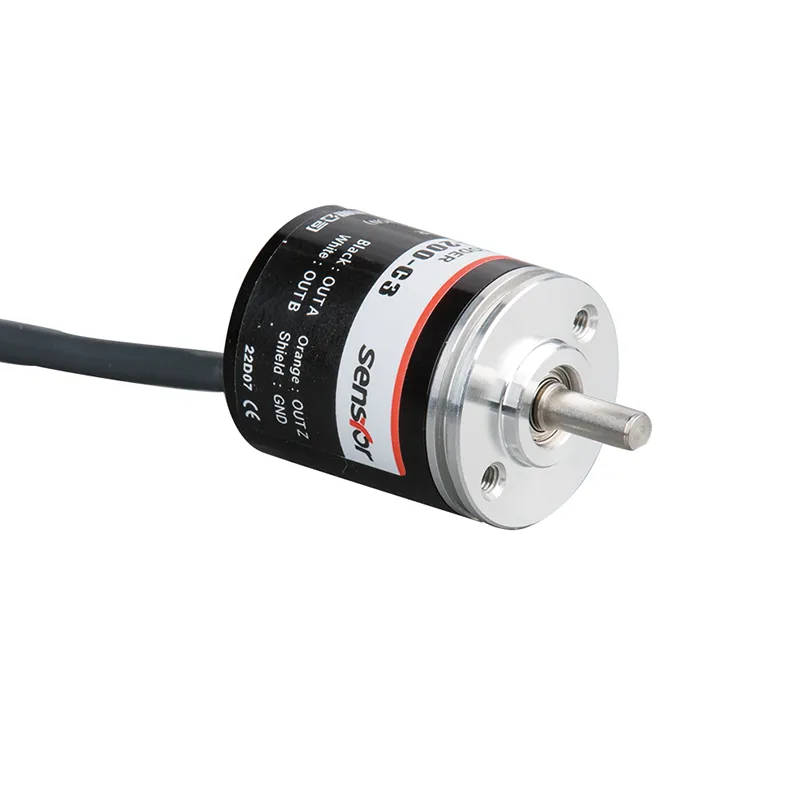
A hollow shaft encoder is a type of rotary encoder designed with a central hole, allowing it to be mounted directly onto a rotating shaft. This design eliminates the need for additional couplings, making the hollow shaft encoder a popular choice in modern automation systems.
The hollow shaft encoder is widely used in industries where space-saving, easy installation, and reliable motion feedback are critical.
What is a Hollow Shaft Encoder
A hollow shaft encoder converts mechanical motion into electrical signals to measure position, speed, or direction. Unlike solid shaft encoders, it features a hollow center that allows direct shaft mounting.
This unique structure simplifies installation and improves system efficiency, especially in compact machinery.
How a Hollow Shaft Encoder Works
A hollow shaft encoder detects rotational movement and converts it into electrical signals.
Signal Generation Process
Sensors inside the encoder detect movement using optical or magnetic methods.
Role in Motion Feedback
The encoder continuously sends feedback to the control system, enabling precise adjustments.
Types of Hollow Shaft Encoder
Through Hollow Shaft Encoder
This type allows the shaft to pass completely through the encoder.
Blind Hollow Shaft Encoder
The shaft fits into the encoder but does not pass through entirely.
Key Components of Hollow Shaft Encoder
A hollow shaft encoder typically includes:
Shaft structure
Sensor elements
Signal processing unit
Each component contributes to the performance of the hollow shaft encoder.
Applications of Hollow Shaft Encoder
Industrial Automation
Used in conveyor systems and production lines.
Robotics Systems
Ensures accurate positioning and movement.
Packaging Machines
Provides precise speed control for packaging operations.
Benefits of Hollow Shaft Encoder
Easy Installation
The hollow shaft encoder mounts directly onto shafts without couplings.
High Accuracy
Provides reliable and precise motion feedback.
Compact Design
Ideal for space-constrained applications.
Limitations of Hollow Shaft Encoder
Alignment Sensitivity
Improper alignment can affect performance.
Cost Factors
Some models may be more expensive than alternatives.
Hollow Shaft Encoder vs Solid Shaft Encoder
Feature
Hollow Shaft Encoder
Solid Shaft Encoder
Installation
Direct mounting
Requires coupling
Space
Compact
Larger
Flexibility
High
Moderate
Installation Tips for Hollow Shaft Encoder
Ensure proper shaft alignment
Use correct mounting accessories
Avoid excessive force during installation
Maintenance of Hollow Shaft Encoder
Perform routine inspections
Keep the unit clean
Protect from dust and moisture
Future Trends in Hollow Shaft Encoder
Integration with IoT systems
Smart monitoring features
Improved durability and miniaturization
Buying Guide for Hollow Shaft Encoder
When selecting a hollow shaft encoder, consider:
Shaft diameter
Resolution
Environmental conditions
For technical standards, refer to: 👉 https://www.ieee.org/ (DoFollow external resource from IEEE)
It measures position, speed, and direction in rotating systems.
2. What is the advantage of a hollow shaft design?
It allows direct mounting, simplifying installation.
3. Where are hollow shaft encoders used?
In automation, robotics, and packaging systems.
4. Are hollow shaft encoders accurate?
Yes, they provide highly precise motion feedback.
5. Do they require maintenance?
Yes, regular inspection is recommended.
6. Are they expensive?
Prices vary depending on specifications.
Conclusion
The hollow shaft encoder is a versatile and efficient solution for modern motion control systems. Its compact design, ease of installation, and high accuracy make it a preferred choice across industries.
Table of Contents Introduction to Custom Industrial Encoder for Special Scenarios Modern industrial automation systems require higher accuracy, stronger durability, and better adaptability than ever before. A custom industrial encoder for special scenarios is designed specifically for applications where standard encoder products cannot provide the required performance. Unlike conventional rotary encoders, customized industrial encoders are […]
Table of Contents Replace Omron Encoder Overview Replace Omron encoder solutions are often required when an existing encoder reaches the end of its service life, becomes unavailable, or when users want a more cost-effective alternative. Choosing the right encoder replacement is critical because compatibility directly affects machine performance, positioning accuracy, and long-term reliability. Modern industrial […]
We use cookies to enhance your browsing experience, serve personalised ads or content, and analyse our traffic. By clicking "Accept All", you consent to our use of cookies.