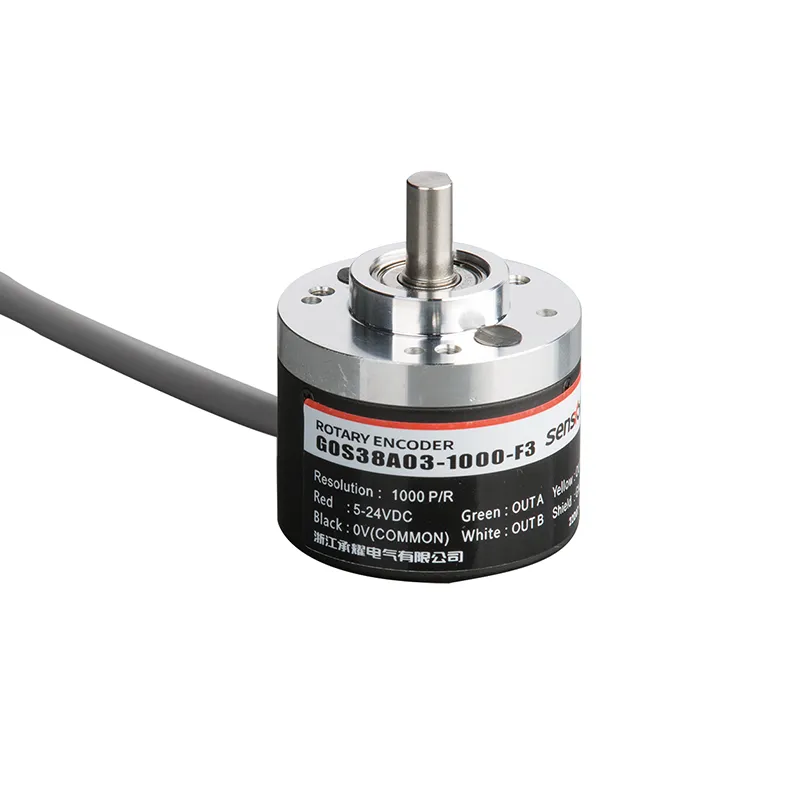
Have you ever wondered how machines “know” their position or speed? The answer often lies in a key component—the encoder. Encoders are sensors that convert mechanical motion into electrical signals, acting as the “hidden heroes” of modern industrial automation and smart manufacturing. Whether it’s the precise positioning of a robotic arm or the efficient operation of a CNC machine, encoders play an indispensable role.
In this guide, we’ll take you on a deep dive into what encoders are, how they work, their types, and their applications. Whether you’re new to the industry or a procurement manager searching for the right encoder, this article will provide you with practical knowledge and selection tips. Let’s unveil the mystery of encoders and explore how they drive the future of industrial automation.
The Basic Principle of Encoders
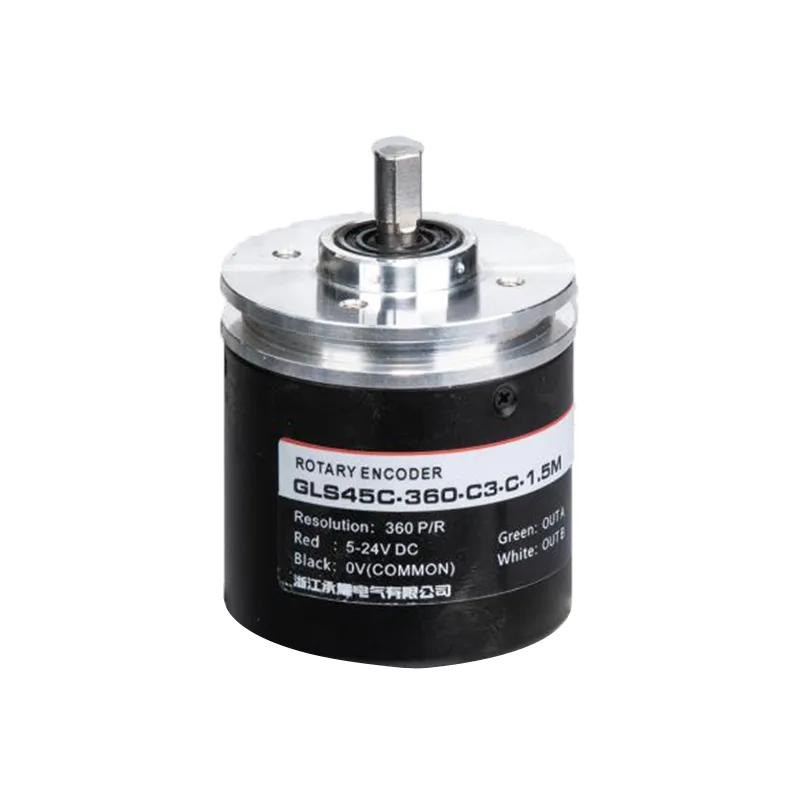
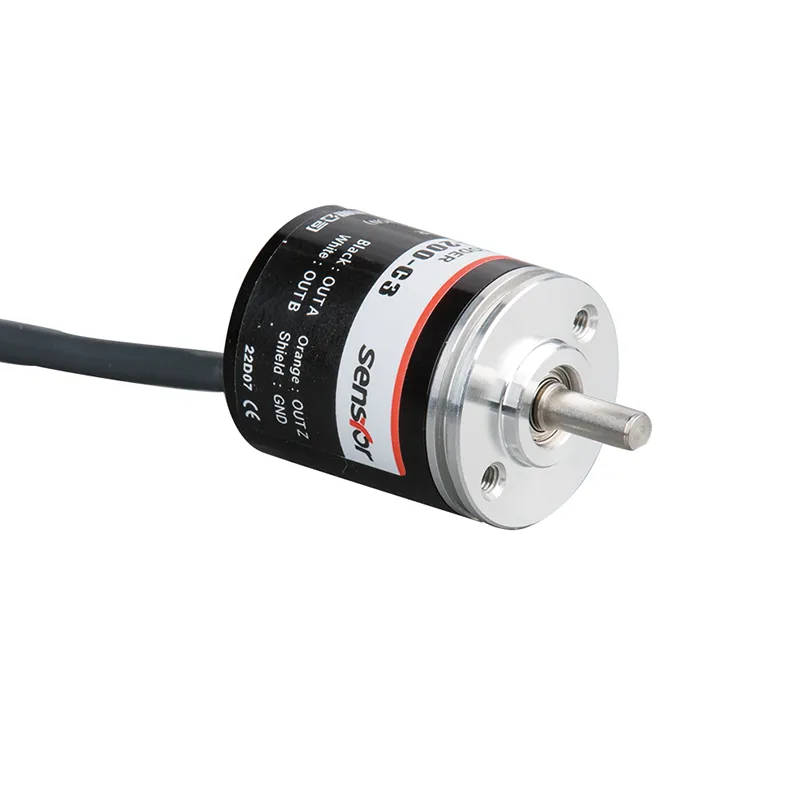
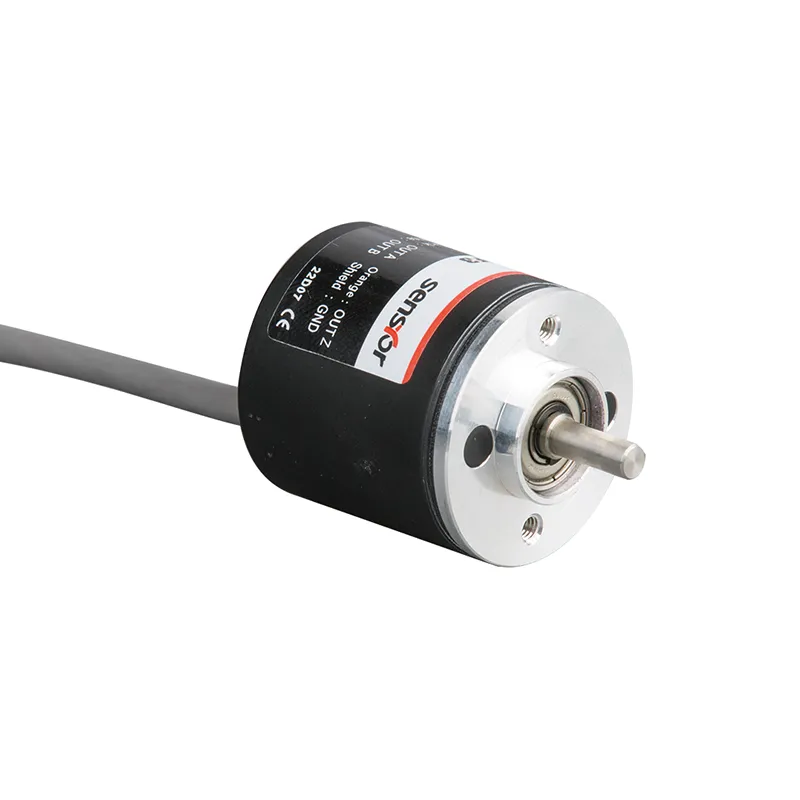
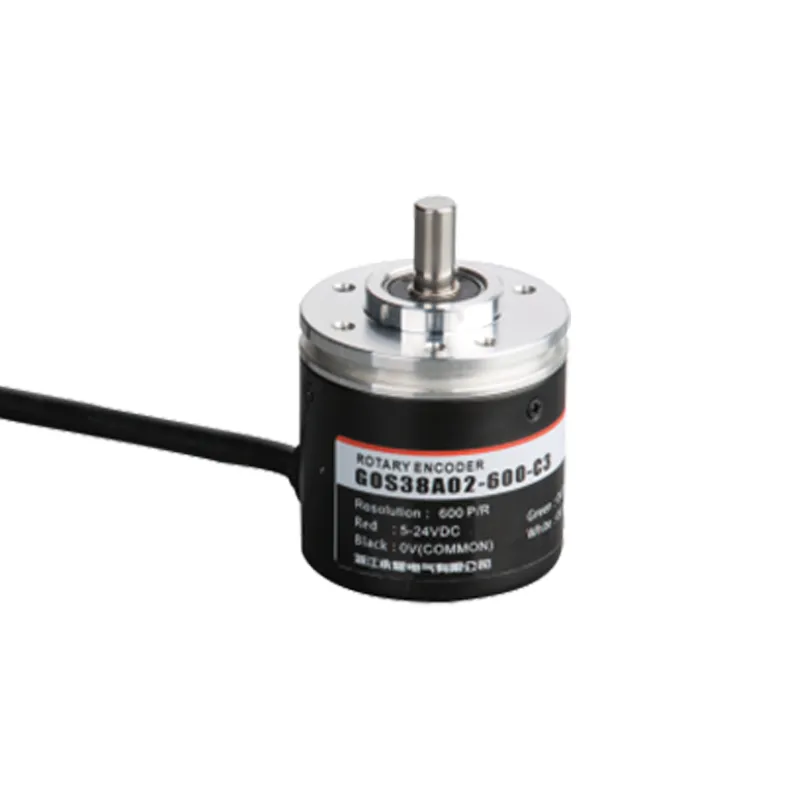
The core function of an encoder is to “sense” the movement of mechanical parts and convert it into electrical signals that control systems can recognize. Simply put, it’s like the “eyes” of a machine, telling the system, “I’ve rotated this much” or “I’ve moved this far.”
Mechanical Motion Conversion: Encoders detect the rotation or linear movement of a shaft and convert physical displacement into electrical pulses or digital signals.
Types of Output Signals:
Analog Signals: Continuously variable, suitable for specific applications.
Digital Signals: Pulse-based, easy for digital devices to recognize and process.
These signals can be read by PLCs, motion controllers, or robotic systems, enabling precise control of mechanical movement.
Main Types of Encoders
Encoders come in many varieties. Based on working principles and output signals, they can be divided into several main categories:
Calculates position via pulse count; needs recalibration after power loss
Speed measurement, simple position feedback
Optical Encoder
Uses optical sensors to read marks on a code disk
High-precision scenarios
Magnetic Encoder
Detects position via magnetic field changes; strong anti-interference
Harsh environments, industrial automation
Understanding the characteristics of different encoders helps you select the most suitable product for your needs.
Typical Application Scenarios for Encoders
Encoders are used in a wide range of fields—almost anywhere precise motion control is needed:
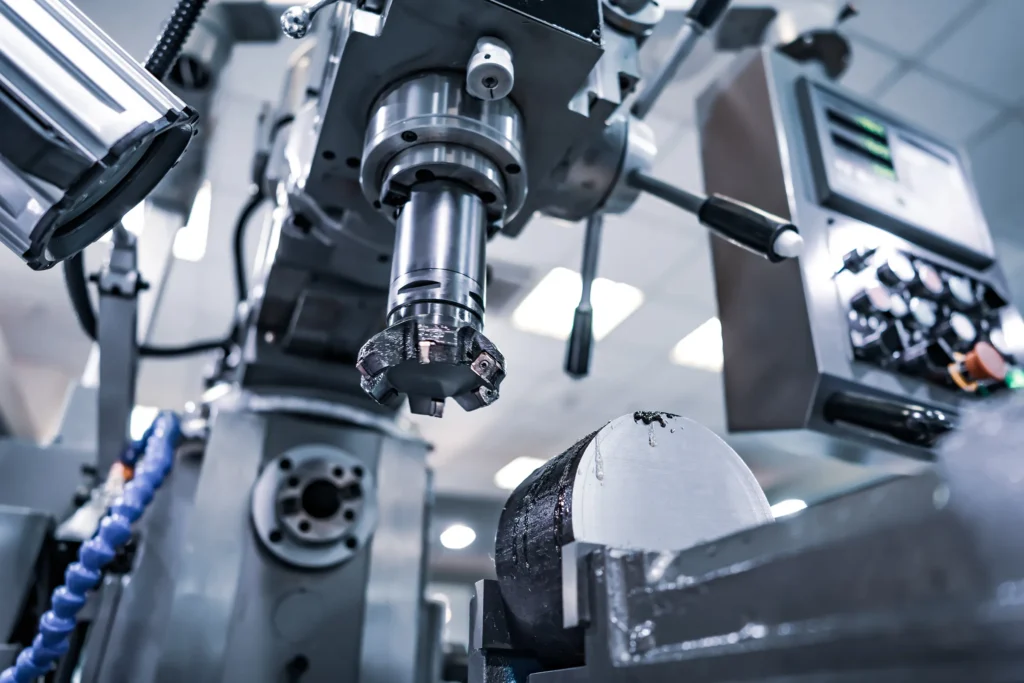
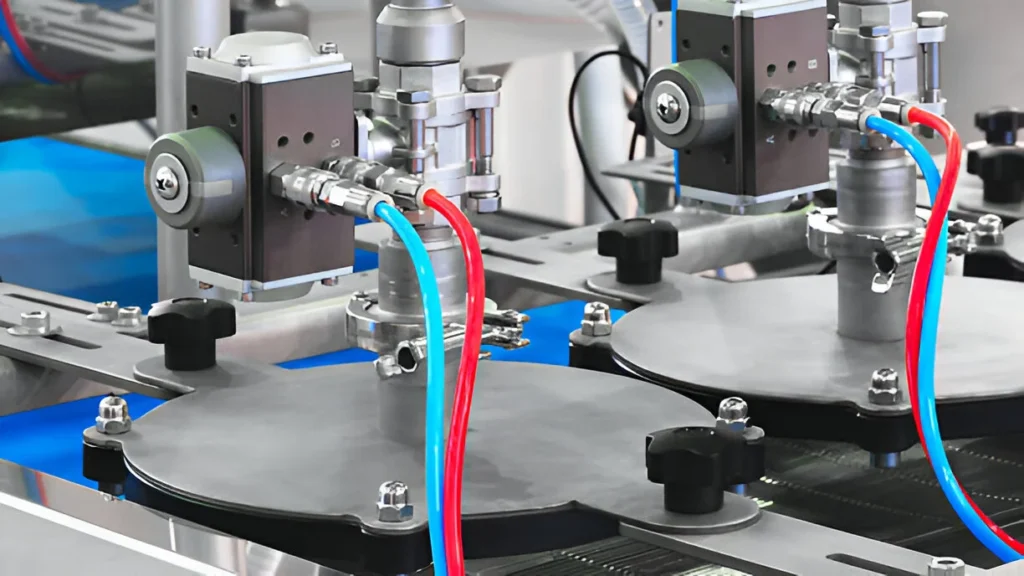
Industrial Automation & CNC Machines Encoders provide feedback for precise tool positioning and path control, improving machining accuracy and efficiency.
Motor Feedback & Speed/Position Control Encoders deliver real-time speed and position data for motors, ensuring smooth and controlled movement.
Conveyor Speed & Position Monitoring They ensure synchronized and accurate material transport, preventing production line stoppages.
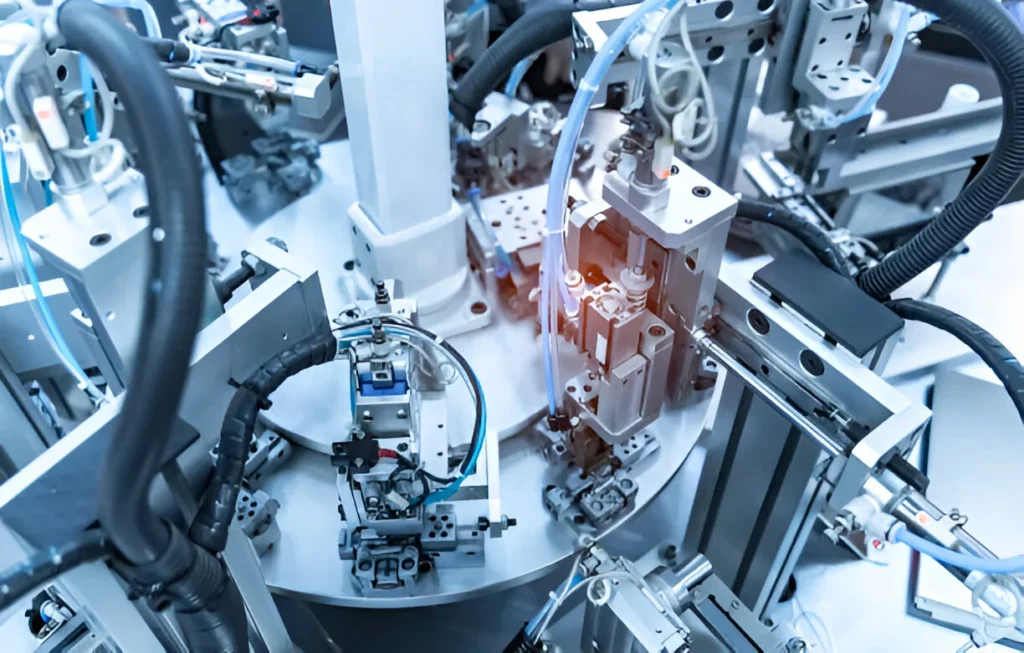
Multi-Axis Control & Robotic Positioning Encoders provide precise angle feedback for robotic joints, enabling complex movements and efficient collaboration.
Length Measurement & Cutting Control In cutting equipment, encoders enable “cut-to-length” functions, ensuring accurate cutting dimensions.
These applications not only boost production efficiency but also ensure product quality—making encoders the foundation of modern smart manufacturing.
With so many encoder products on the market, how do you pick the one that fits your needs? Here are some key points:
Application Requirements
Do you need to measure rotation or linear movement?
Do you need absolute position or incremental pulses?
Environmental Conditions
Is there dust, oil, or heavy vibration?
What are the temperature and protection requirements?
Technical Parameters
Do resolution and accuracy meet your process needs?
Are output signal types and interfaces compatible with your control system?
Reliability & Lifespan
How durable is the product, and what is the maintenance cycle?
Budget & Value
Balance performance and cost to choose the most valuable solution.
Choosing the right encoder ensures stable equipment operation and reduces future maintenance costs.
Advantages and Industry Value of Encoders
The benefits of encoders go far beyond the basics:
Boost Automation Accurate feedback makes automation smarter and reduces human intervention.
Increase Production Efficiency Minimize errors and downtime for continuous, stable production.
Ensure Safe Operation Real-time monitoring of motion status prevents mechanical failures and accidents.
Reduce Maintenance Costs Accurate diagnostics shorten troubleshooting time and extend equipment life.
With the advancement of Industry 4.0 and smart manufacturing, encoders are becoming even more essential.
Encoders serve as the “nervous endings” of industrial automation, giving machines the ability to “sense.” They enable precise motion control and are driving the rapid development of smart manufacturing. Whether you design production lines or make purchasing decisions, mastering encoder knowledge will help you make smarter choices.
If you’re looking for a high-quality encoder supplier, visit our website (https://sensyorcoder.net) for more product information and custom solutions. Contact us now for expert advice and a free quote—let’s take your automation project to the next level!
FAQ
What’s the difference between an encoder and a sensor?
position-related electrical signals. Sensors, in general, measure a wider range of physical quantities such as temperature and pressure.
How do encoders integrate with PLCs or control systems?
Encoders connect to PLCs via standard interfaces (such as TTL, HTL, SSI, PROFINET, etc.). The PLC reads encoder signals and performs motion control accordingly.
What should I pay attention to when installing an encoder?
Ensure the encoder shaft is concentric with the measured shaft to avoid mechanical stress. Pay attention to protection level and environmental adaptability. Wire and configure parameters correctly.
What are common encoder faults and how do I troubleshoot them?
Common faults include no signal output, signal interference, and mechanical jamming. Troubleshooting involves checking power supply, wiring, mechanical installation, and signal quality.
Introduction to Encoder for Industrial Automation An encoder for industrial automation is a key device used to measure position, speed, and direction in automated systems. It converts mechanical motion into electrical signals that controllers can process, ensuring machines operate with precision and reliability. In today’s factories, using an encoder for industrial automation is essential for […]
📊 Comprehensive Outline for “magnetic encoder” Heading Level Topic H1 Magnetic Encoder: 15 Essential Insights for Precision Motion Control H2 Introduction to Magnetic Encoder H3 What is a Magnetic Encoder H3 Why Magnetic Encoders Matter H2 How a Magnetic Encoder Works H3 Magnetic Sensing Principle H3 Signal Conversion Process H2 Types of Magnetic Encoder H3 […]
Table of Contents What is an Encoder for Robotics An encoder for robotics is a device that converts mechanical motion into electrical signals, enabling precise monitoring of position, speed, and direction. Robotics systems rely heavily on encoder feedback to perform accurate movements in automation, assembly, inspection, and material handling tasks. Encoders can be incremental or […]
We use cookies to enhance your browsing experience, serve personalised ads or content, and analyse our traffic. By clicking "Accept All", you consent to our use of cookies.